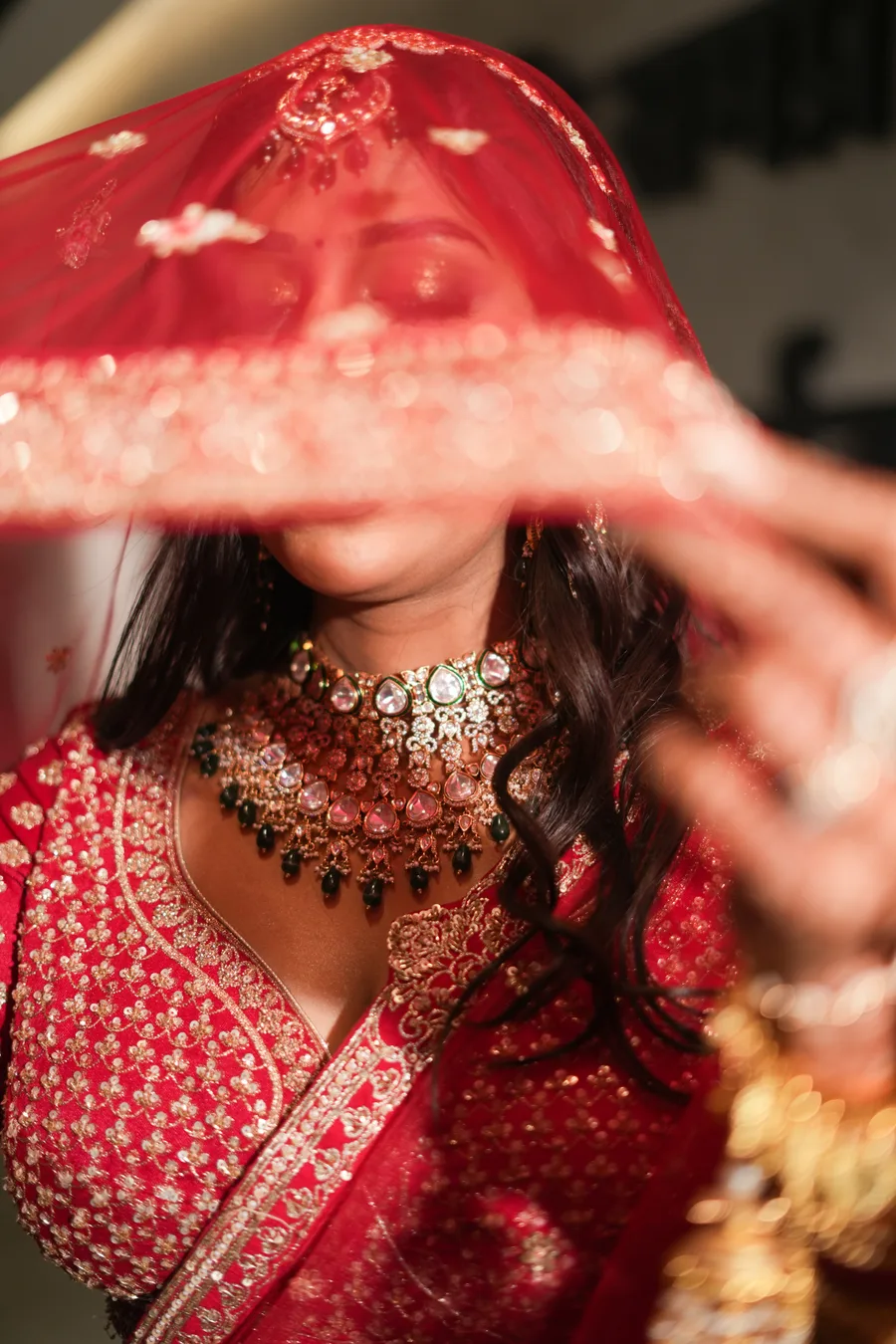

Prepare for the unexpected at your Indian wedding. Explore contingency plans for weather, delays, and challenging light to ensure photography excellence regardless.
Why Backup Plans Matter at Indian Weddings
Indian weddings are wonderfully unpredictable celebrations where timings shift, families need extra moments, and weather patterns don't always cooperate. A backup plan isn't pessimism; it's the difference between photography that flexes gracefully with reality and photography that becomes frustrated documentation of chaos. Your photographer should proactively discuss contingencies during planning: what if the ceremony runs two hours late? What if monsoon rain turns the lawn unusable? What if the reception venue's lighting is dimmer than expected? Having thought through these scenarios in advance means your photographer responds creatively rather than reactively.
Many couples assume their photographer will 'just handle it,' but communication makes a tremendous difference. When your photographer knows you prioritise capturing family moments even if it means the couple's timeline compresses, or that you'd prefer to move certain photo sessions indoors if weather threatens, they can prepare mentally and logistically. They know what matters most to you and can make real-time decisions aligned with your vision rather than their assumptions. A couple that discusses backup plans arrives at their wedding knowing their precious moments will be photographed beautifully, regardless of what the day throws at them.
Weather Contingencies and Indoor Alternatives
India's weather is dramatic: monsoon rains can appear suddenly, summer heat can be punishing, and winter fog can arrive unexpectedly. If your wedding happens during unpredictable seasons, discuss weather contingencies thoroughly. For outdoor ceremonies vulnerable to rain, identify covered alternatives: a tent, a banquet hall, a temple with an interior space. Your photographer should scout these spaces beforehand, understanding their light, backdrop options, and limitations. When weather forces a move indoors, your photographer knows immediately how to work with available light, what backgrounds look best, and whether additional lighting equipment is needed.
Indoor venues present different challenges: often dim lighting, plain walls, and limited movement space. Your photographer should arrive with techniques and equipment ready: fast lenses, reflectors, or portable lighting. They should know before the wedding whether they'll use flash, natural window light, or a combination. Discuss these options during planning so you know what to expect. Some couples love the intimacy of low-light ceremonies; others dislike flash. Your preferences guide your photographer's approach. Also clarify: if weather forces an indoor move, will your couple portraits happen indoors in the new space, or will your photographer find an outdoor pocket of space when rain clears temporarily? Planning these scenarios prevents chaotic day-of decisions.
Managing Unexpected Delays and Timeline Shifts
Indian weddings rarely stick to published timelines. The baraat arrives late, family members want extra time for rituals, or guests take longer to gather for ceremonies than anticipated. A good photographer builds flexibility into their approach rather than treating delays as problems. If you've planned for the ceremony to happen at 5 PM but it actually starts at 6:30 PM, your photographer shouldn't be stressed; they should simply adjust their remaining timeline and continue capturing beautifully. Communicate with your photographer about how much buffer time they've built into their day, and confirm they can extend coverage if events run late.
Some weddings involve time-intensive traditions: lengthy mehendi ceremonies, elaborate haldi rituals, or detailed family-reunion moments. If your celebration includes ceremonies that could absorb more time than initially scheduled, mention this to your photographer. They might suggest starting earlier, adding time to their booking, or pre-planning which moments are must-capture versus which can be condensed if time runs short. For multi-day weddings (mehendi on Friday, ceremony Saturday, reception Sunday), confirm your photographer's availability for all days and discuss flexibility if events shift by hours. Building this cushion into your communication prevents your photographer from being squeezed and allows them to photograph thoughtfully despite timeline flux.
Navigating Low-Light Venues and Evening Events
Evening receptions under string lights, indoors in banquet halls, or ceremonies lit primarily by candles and diyas present genuine low-light photography challenges. These venues photograph beautifully with a skilled photographer who understands how to work with minimal light. However, low-light situations require fast lenses (which are expensive), higher ISO settings (which can introduce graininess), or supplemental lighting. Discuss your venue's lighting with your photographer before your wedding. If it's a dramatically lit space (moody, atmospheric, low ambient light), clarify whether they'll use flash, reflectors, or available-light techniques. Some photographers specialise in low-light work and embrace it; others prefer supplemental lighting.
Evening receptions often provide the best quality of light for evening photography itself, as string lights, uplighting, and decorative fixtures create genuinely beautiful ambience. Your photographer can position you in these lights strategically. However, during the ceremony (if it's indoors and dimly lit), your photographer needs to be prepared. Ask whether they'll use flash or available light, whether they need a wireless mic to capture vows in a dark space, and whether they've shot in your venue before. Visiting your reception venue once for a walk-through—during the time of day your events will occur—helps your photographer understand light patterns and plan their approach. This advance scouting is invaluable for low-light venues.
Technical Backups and Equipment Redundancy
A professional photographer arrives with backup equipment: a second camera body in case their primary one malfunctions, extra lenses, extra memory cards, and extra batteries. They should have this mentioned explicitly in your contract: 'In the event of equipment failure, our backup camera ensures uninterrupted photography.' This redundancy is what separates amateur and professional approaches. Ask your photographer whether they carry backups and, if there's an equipment failure, how it's managed. A studio with integrity commits that your wedding is photographed completely, even if technical problems occur.
Beyond hardware, professional photographers should have backup plans for specific technical challenges. If their primary lighting fails, do they have alternative lighting? If their computer crashes, is their data backed up to cloud storage? If a memory card becomes corrupted, are they shooting simultaneously to multiple cards? These questions might seem paranoid, but they reveal your photographer's professionalism. You're not hiring someone to 'try their best'; you're hiring someone who has already thought through everything that could go wrong and has systems in place. A photographer confident enough to discuss these contingencies openly is one you can trust with your precious moments.
Communication and Staying Flexible
The most important backup plan is communication. Ensure your photographer, you, and your wedding coordinator are all in contact throughout the day. If timing changes dramatically, your photographer needs to know immediately so they can adjust their mental timeline and repositioning. If a location becomes unavailable, your photographer needs to learn about it alongside you so they can advise on alternative spaces or shooting strategies. Establish a simple communication protocol: who calls whom if timing shifts? Does your wedding planner contact the photographer, or do you? Having this clarity prevents miscommunication and ensures everyone adapts together.
Flexibility is your greatest ally. You cannot control whether it rains, whether the baraat is late, or whether your venue's lighting is different than expected. What you can control is your mindset and your photographer's preparation. A couple that remains calm and flexible when unexpected situations arise allows their photographer to work creatively instead of reactively. When you lean into the joy of your celebration rather than obsessing over perfect execution, your photographs reflect genuine happiness rather than stressed perfection. Your photographer can only capture what's actually happening; making space for 'what actually happens' usually results in more authentic, beautiful imagery than rigidly controlling every detail.