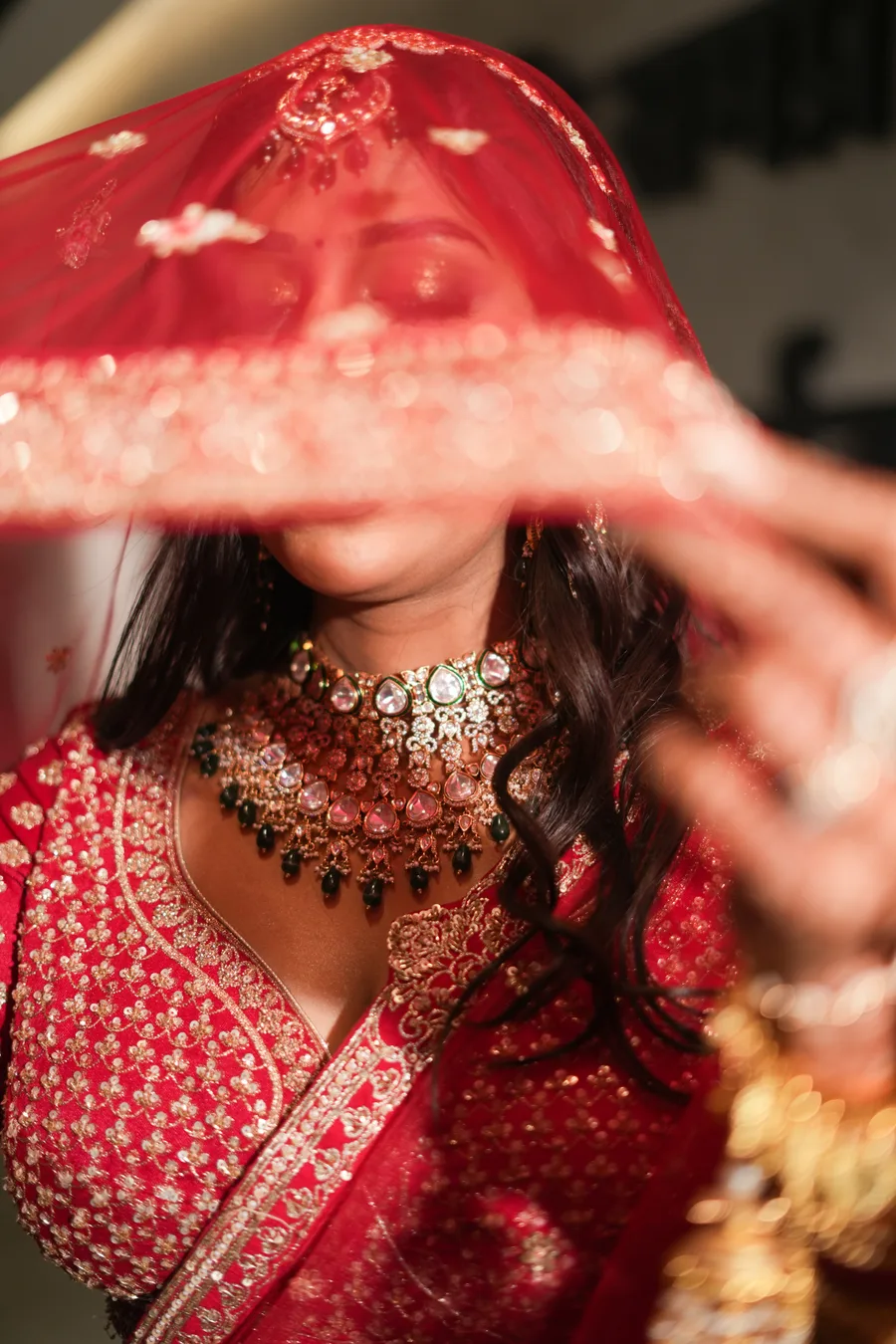
Banquet halls offer controlled environments and grand décor, but artificial lighting can challenge photographers. Discover techniques to make indoor weddings feel warm, intimate, and luminous.
The Controlled Canvas: Why Banquet Halls Suit Modern Indian Weddings
Banquet halls represent the organised, structured counterpoint to the sprawl of farmhouse celebrations. These purpose-built spaces—whether in five-star hotels, standalone halls, or club premises—offer climate control, tested infrastructure, catering alignment, and a defined architectural envelope. For large families, complex timelines, winter weddings, or celebrations in cities where outdoor space is scarce, banquet halls are often the pragmatic, reliable choice.
From a photographer's perspective, a banquet hall is a controlled environment in a way that open-air venues never are. The rain won't delay the ceremony by two hours; the temperature won't require the couple to change outfits mid-celebration; the guest count fits comfortably and doesn't spill across unknown ground. This predictability is valuable. What banquet halls demand, however, is photographic sophistication rather than mere documentation. The architecture is neutral—painted walls, standard columns, generic lighting rigs. The décor, the couple's clothes, and the photographer's eye must carry the visual weight. An image shot in a banquet hall will succeed or fail based on light control, positioning, and an editorial sensibility, not because the venue itself is inherently photogenic.
Mastering Mixed Lighting Sources
The most common challenge in banquet hall photography is the collision of multiple light sources: the venue's built-in lighting, decorative uplighting, chandeliers, spotlights on the couple, perhaps natural light from windows, and flash or off-camera light that you introduce. Each source has a different colour temperature, and reconciling them into a cohesive image requires both technical skill and aesthetic intention.
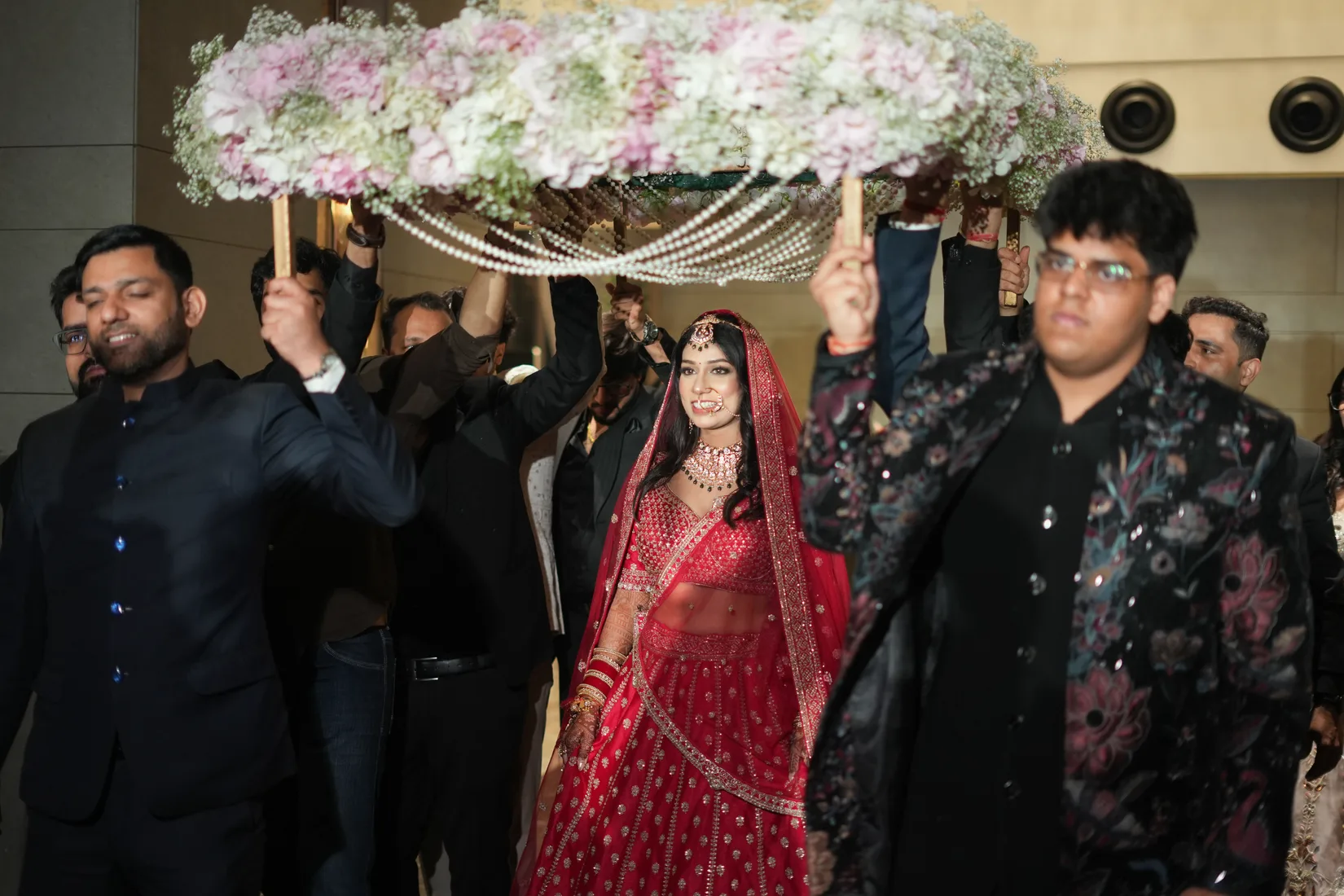
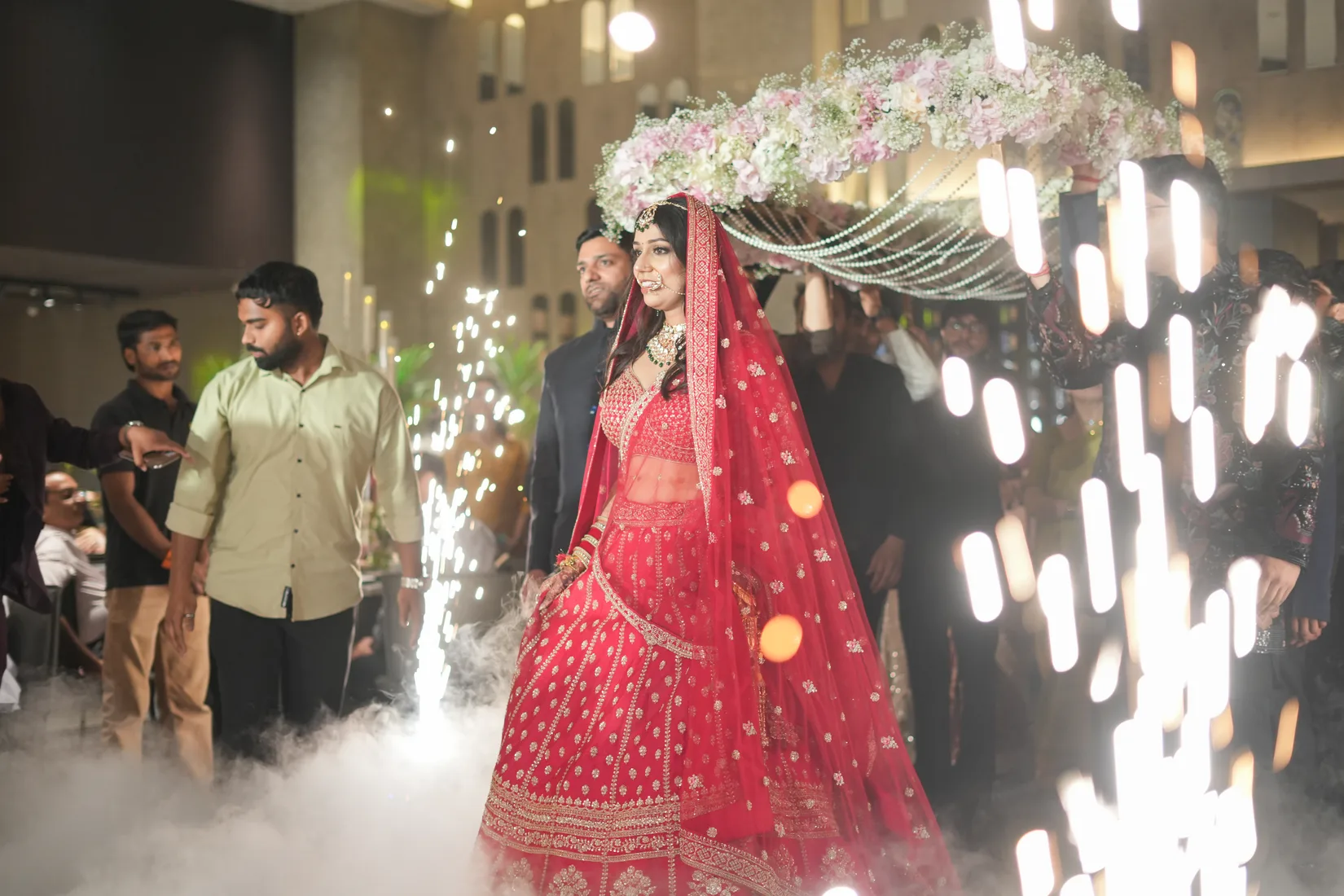
Understanding white balance settings and custom kelvin values becomes non-negotiable. Shooting in RAW and setting a custom white balance for different areas of the hall—one value for photos near the entrance with natural light, another near the decorated dais under warm uplighting—allows you to maintain visual consistency across the event. Many banquet hall photos benefit from warming the colour cast slightly in post-processing, especially if the venue's air conditioning makes skin tones feel cool or flat. Equally important is deciding whether to supplement the venue's ambient light with off-camera flash. A light modifier (beauty dish, octabox) positioned above and in front of the couple brings separation and glow that pure ambient light often struggles to deliver in enclosed spaces. During the ceremony, positioning yourself where you can use the couple's own faces as a source of reflected light—standing to the side rather than directly in front—often produces more flattering results than direct flash, while a slow sync technique during first dances combines ambient tungsten light with controlled flash to create a romantic, three-dimensional effect.
Décor as a Design Tool in Your Frames
The defining visual character of a banquet hall wedding often comes entirely from decoration. The couple, their family, and a wedding designer spend weeks selecting florals, drapes, centrepieces, and lighting installations. A sophisticated photographer uses this décor intentionally, not as an afterthought or as visual clutter.
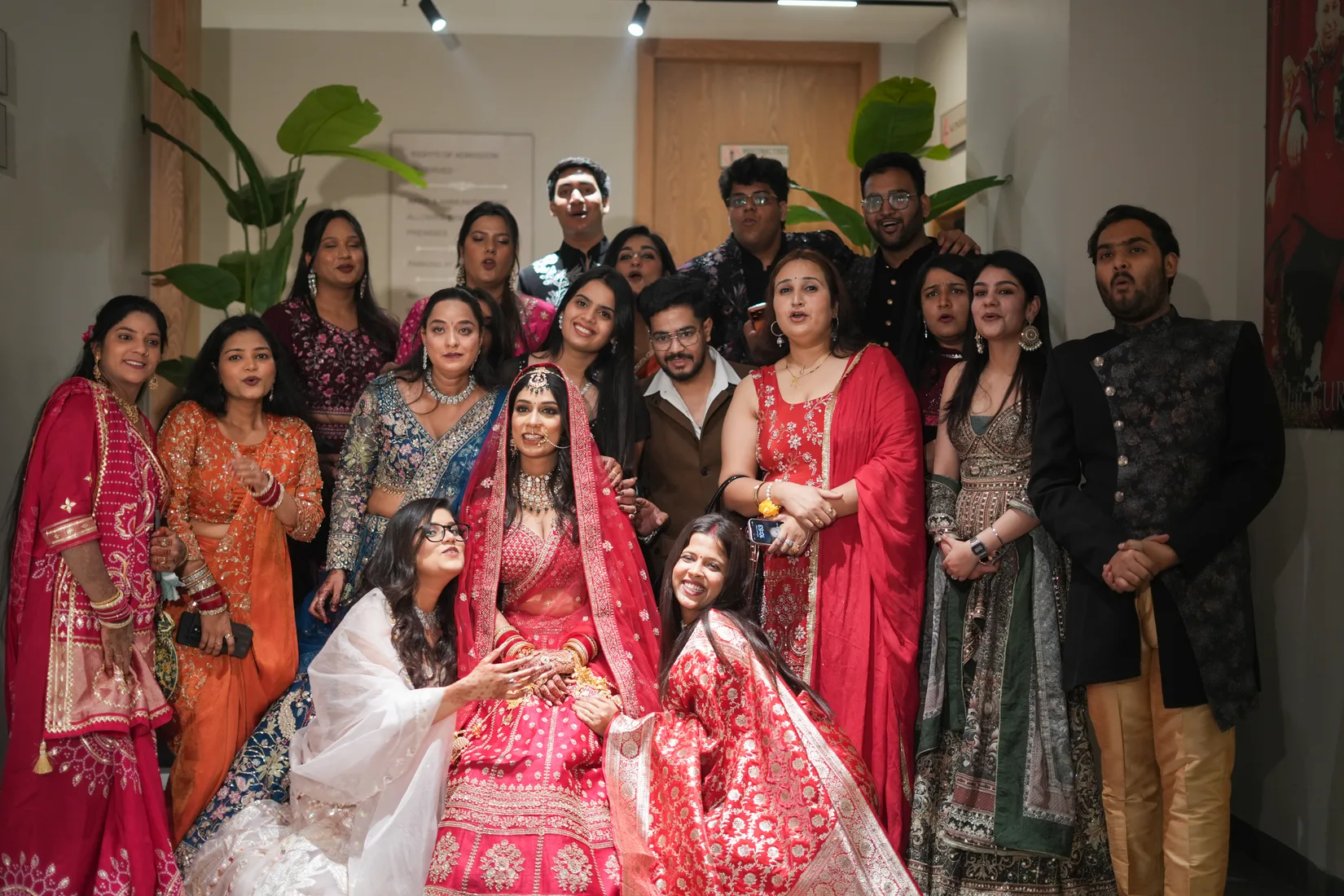
Compositionally, drapes and floral installations become framing devices for key moments—position your couple so that a garland or floral arch creates depth and context around them, rather than shooting them isolated against a blank wall. When photographing family groups or large gatherings, place them in spaces where the decorated background becomes visually active without overwhelming the people. During receptions, the centrepieces and table décor tell a story about the couple's taste and choices; photograph these details with attention to light and context, not as mere record shots. A table centrepiece lit by candlelight and shot from a low angle can be as emotionally resonant as a portrait. The key is intentionality—treating the décor as a collaborator in your visual language rather than as mere scenery.
Managing Movement and Crowd Flow Indoors
A banquet hall contains everyone—the couple, guests, family members, catering staff—in a confined, predefined space. Unlike a farmhouse where people naturally disperse, a banquet hall creates a density of activity and sight lines that require different positioning and shooting strategies. You cannot move freely around the couple during the ceremony because you'd be blocking someone's view; you cannot linger on a particular angle because you'd be in the way of service staff or other guests.
Anticipation and positioning become crucial. Scout the hall before the event to identify vantage points that offer clear sight lines without obstruction—often this means shooting from angles that feel compositionally unusual compared to outdoor or large-space events. Being lower, shooting from the side, using negative space to create isolation around your subject, and moving quickly between moments rather than holding a single position all become standard. Develop a mental map of where key moments will unfold (where the couple will sit during the reception, which side of the dais offers the best light for ceremony photos, where family groups will stand for formals) and position yourself there before the moment arrives. During receptions, an additional camera operator or a second lens helps enormously—one person can shoot reactions while the other captures the speaker, or one can cover wide moments while the other isolates close-ups. Communicate with the couple's planner about timing and positioning; professional planners understand the value of a clear line of sight to the dais or a few moments of calm before the couple enters so you can establish your angles.
Creating Depth and Dimension in Enclosed Spaces
Banquet halls are naturally flat. Walls are parallel, ceilings are uniform, and without the visual depth that outdoor landscapes or varied architecture provide, images can feel compressed and lack the three-dimensionality that makes a photograph compelling. Creating depth requires intentional compositing and use of foreground, middle ground, and background elements.
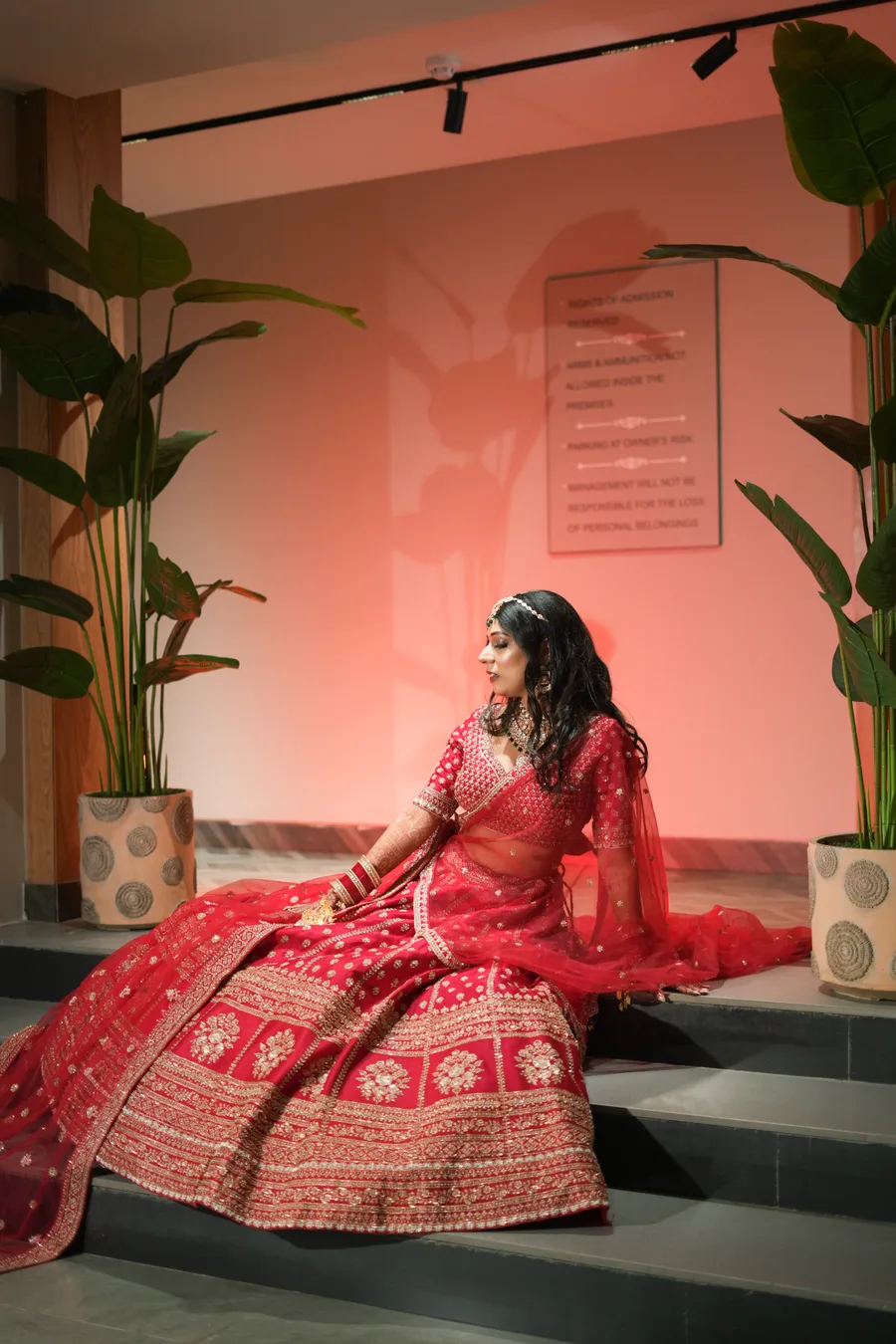
Depth of field becomes a tool—shooting at f/2.8 or wider isolates your subject from a backdrop, creating separation that makes them feel to 'pop' forward in the frame. Layering people or objects—foreground elements slightly out of focus, the couple in sharp focus, background elements soft—creates visual dimension on a 2D surface. Using leading lines (sight lines of guests looking at the couple, or the length of the decorated aisle) draws the viewer's eye into the image. During couple portraits, position them so that decorated elements recede behind them, or use doorways and architectural features to create visual depth. Vary your shooting height—get lower than eye level to shoot up slightly, which can make the couple feel larger and the space feel more expansive; shoot from above during group photos to show the scale of the gathering. The hall's lighting, too, can be employed for depth; uplighting that's brighter in the background than the foreground naturally creates the illusion of space and distance. If you're commissioning custom lighting from the venue or have influence over uplighting colour, a subtle choice to have the background slightly warmer or more saturated than the front-of-stage area will unconsciously push the background away and pull the couple forward. These are subtle tools, but in an inherently flat environment, they become the primary means of creating the dimensional, compelling images that distinguish professional coverage from adequate documentation. If the banquet hall feels like a genuine challenge rather than a limitation, consider reaching out to Lens9 Studio to discuss your vision—a conversation about how they approach enclosed venues and the specific techniques they'd bring to your celebration could help clarify what's possible and what might need adjusting in planning.