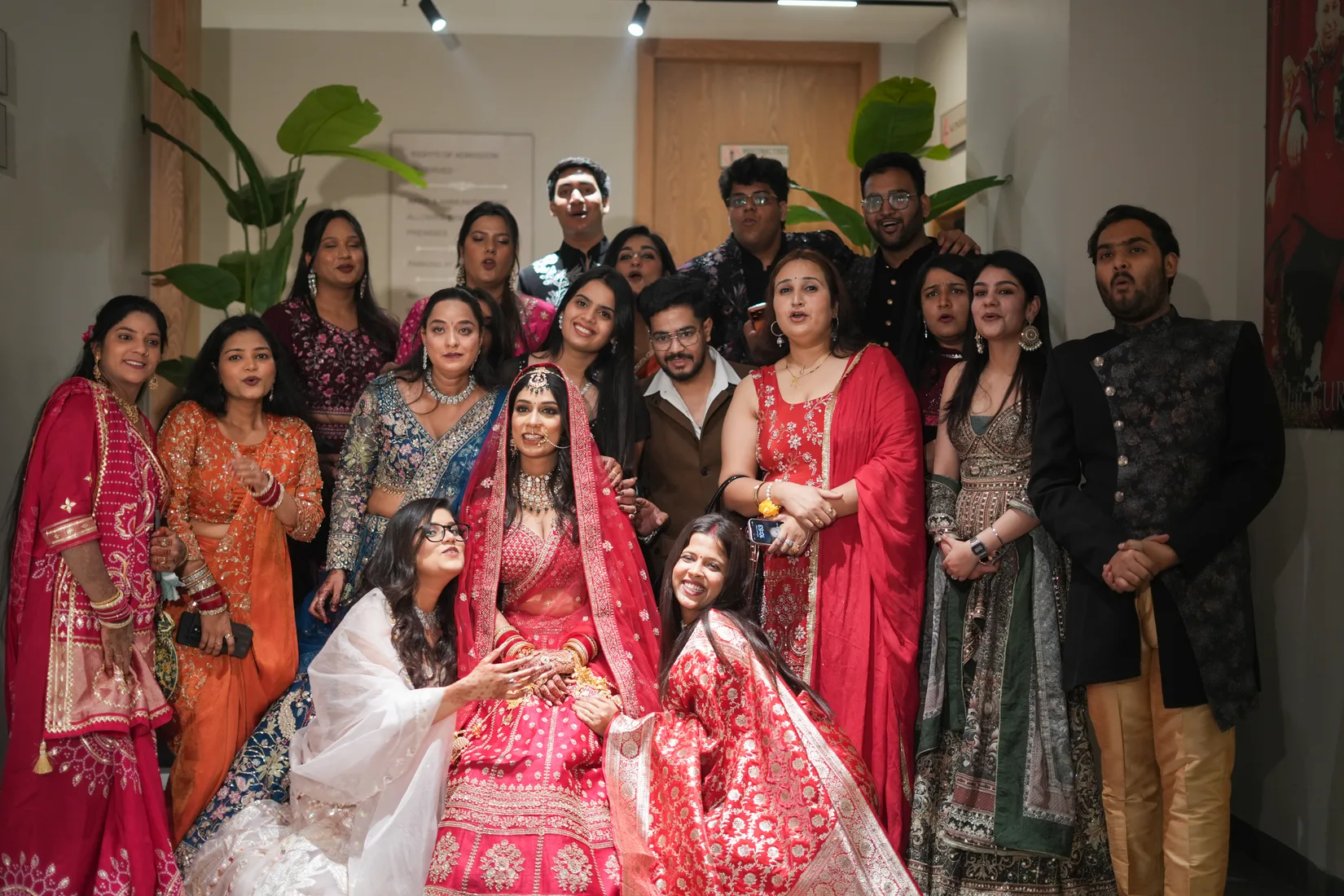
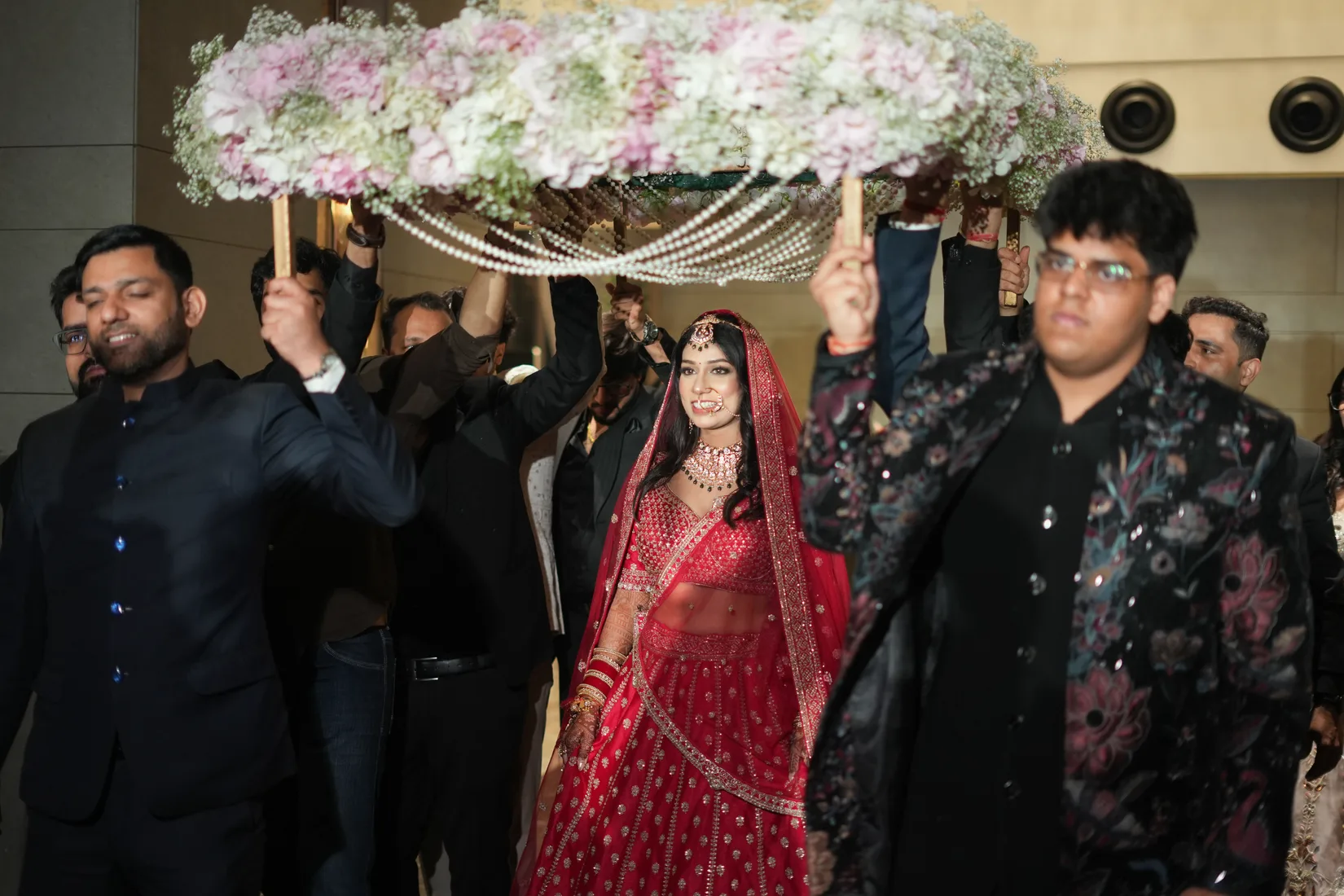
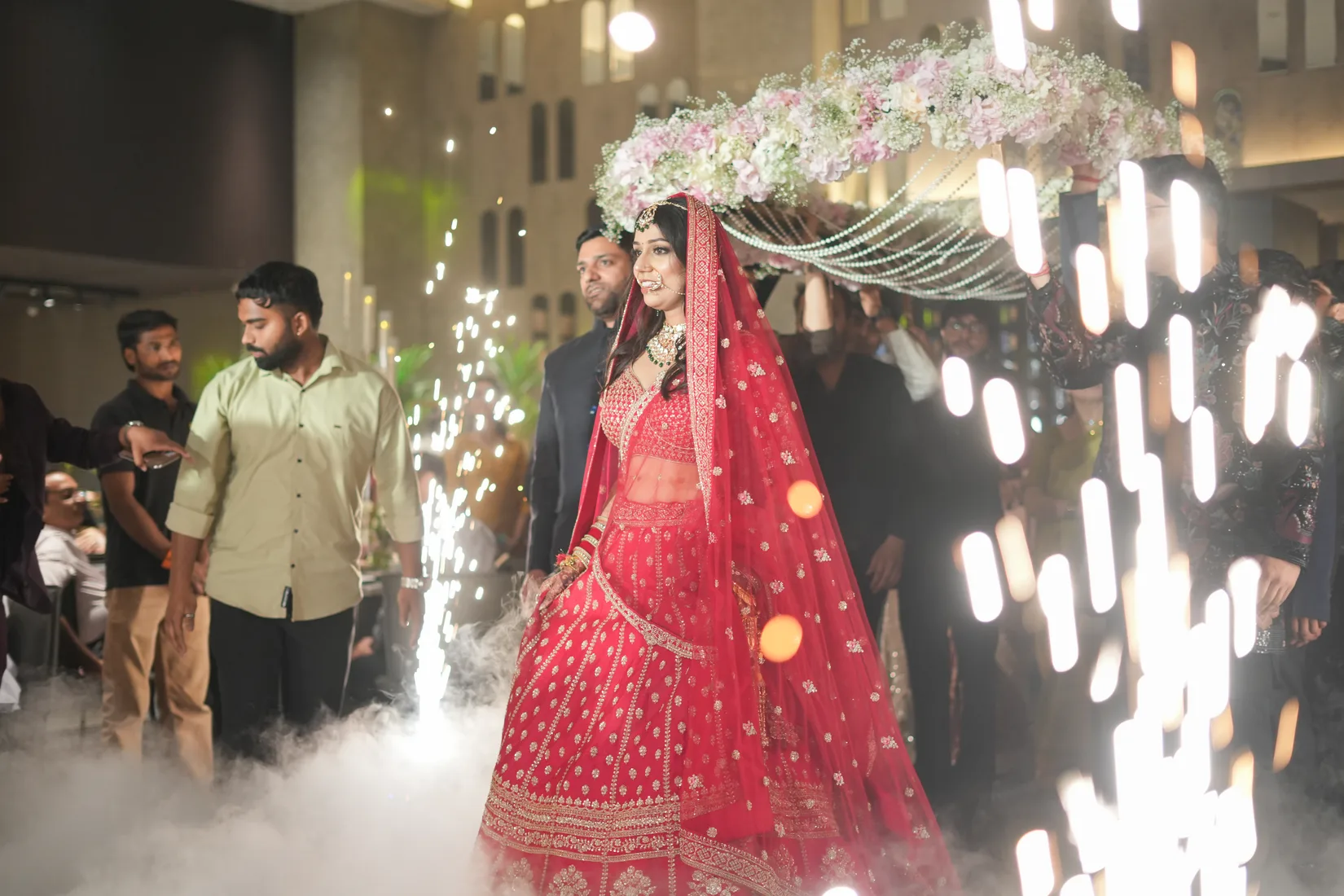
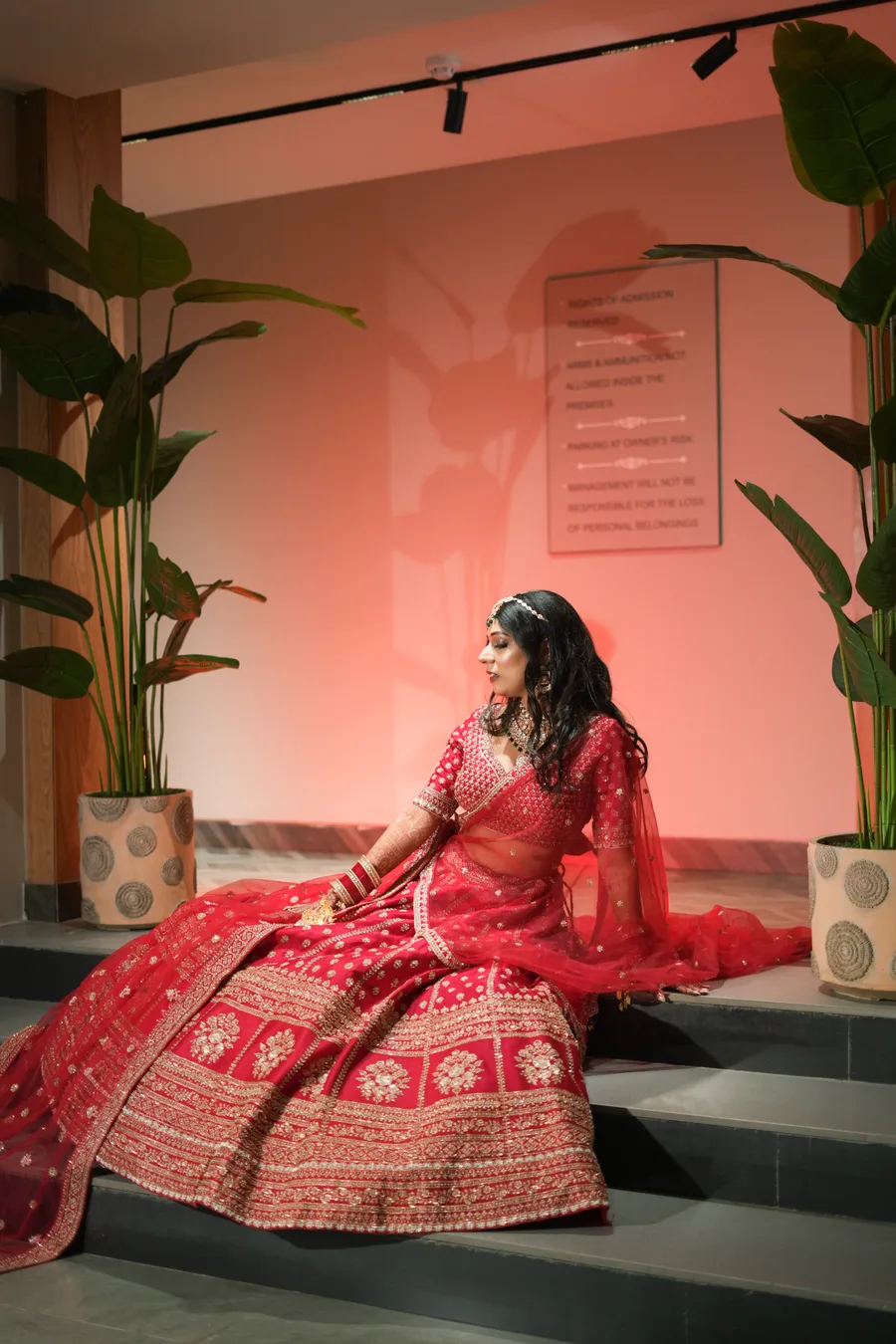
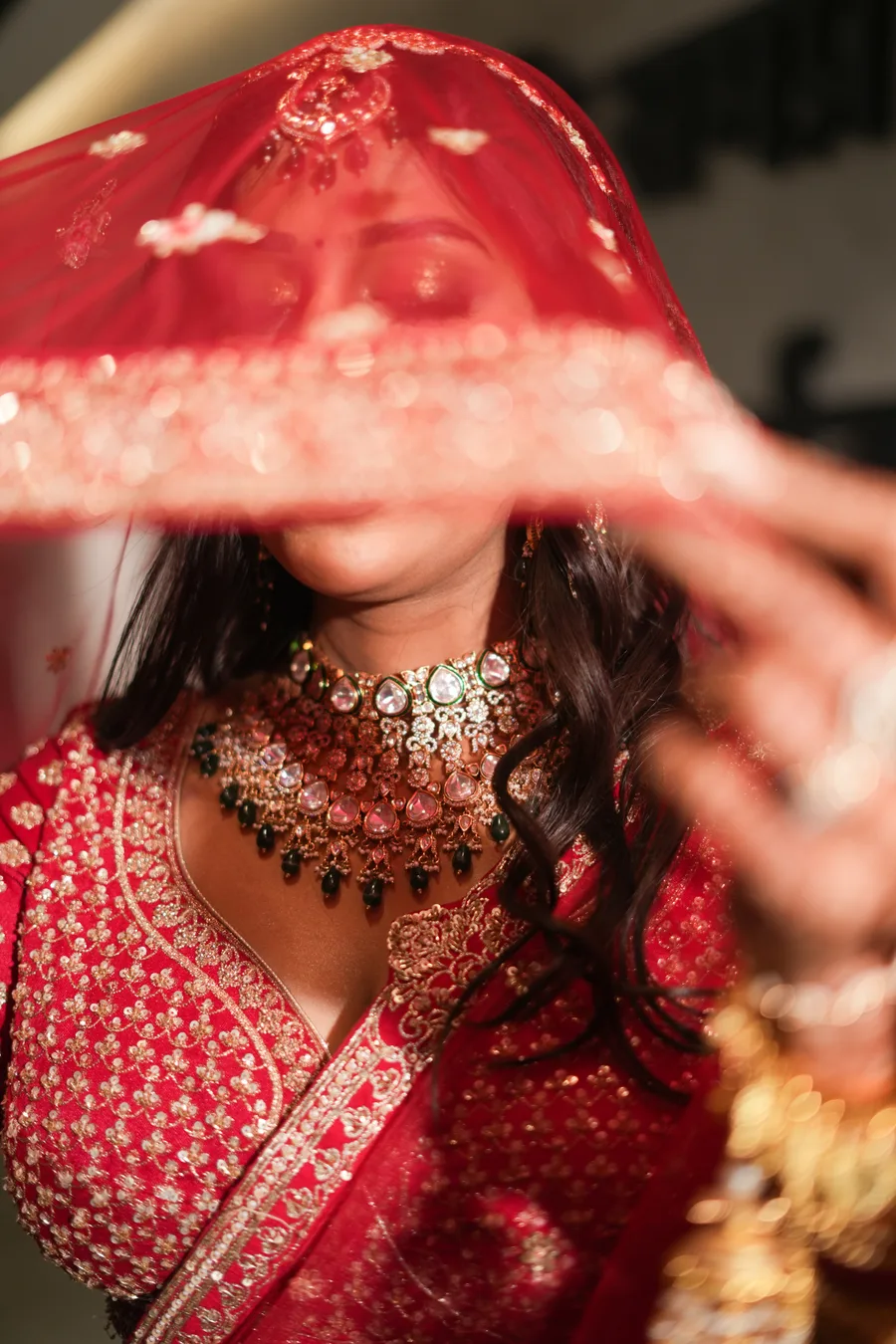
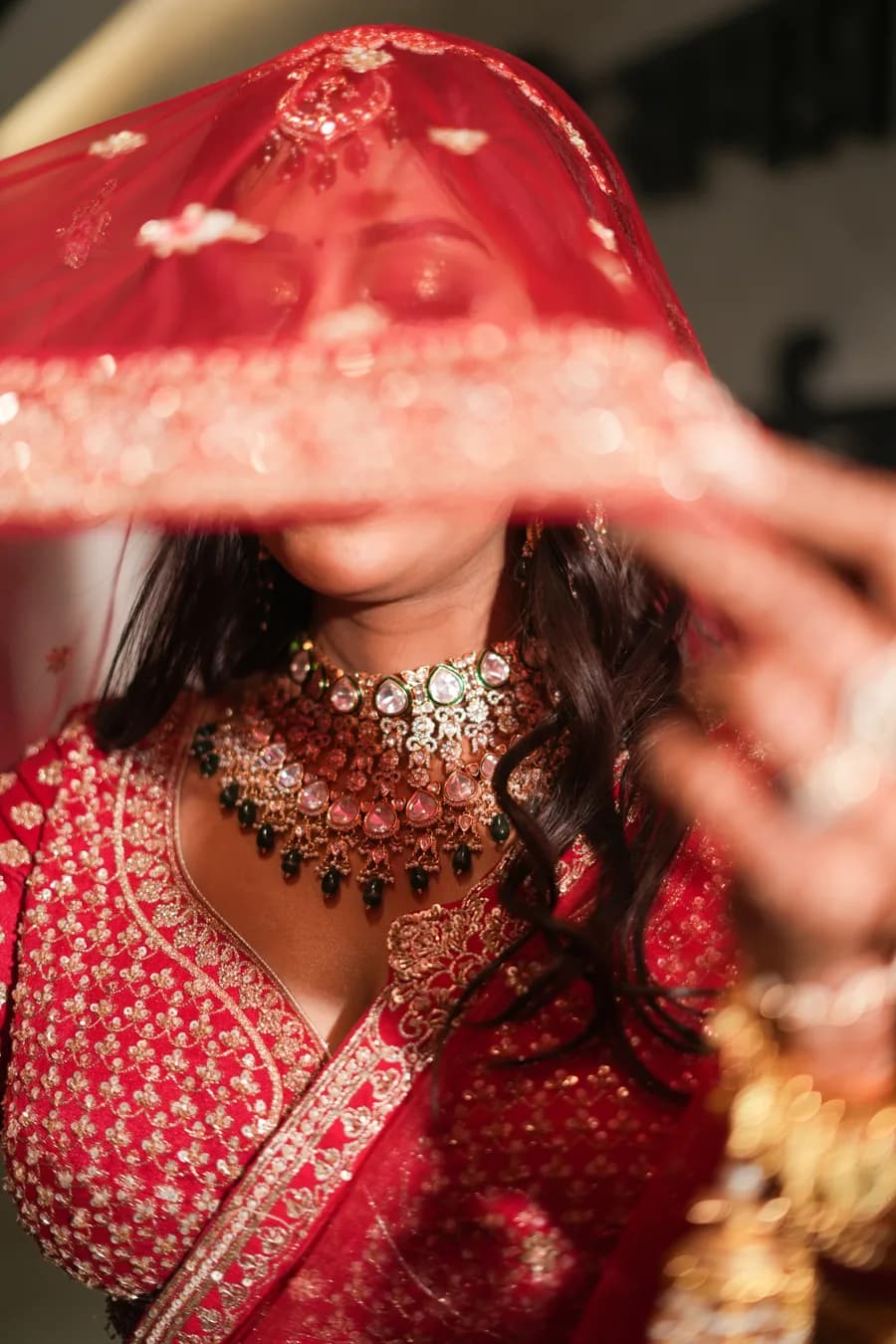
Bengali weddings speak in red vermillion and white cotton, in quiet confidence and intellectual humour. We photograph the Ashirwad ceremony, the emotional depth of family blessings, and the understated elegance that defines Bengali celebrations.
The Visual Language of Bengali Weddings
Bengali wedding photography hinges on understanding the symbolic language of red and white. The red is the vermillion worn in the bride's parting (the sindoor), painted onto a white cotton or silk saree—sometimes Tant cotton, often Baluchari or Dhakai weaves. This colour combination is instantly recognisable and carries centuries of Bengali cultural identity. Where other Indian traditions might favour gold accents or multiple colours, Bengali weddings strip things back to essentials: red, white, flowers, and the genuine emotion of the moment.
The aesthetic is deceptively simple but requires real skill to photograph well. A white saree against a bright sky can blow out; red vermillion can shift to orange or brown under certain lighting. We work to capture the true depth of these colours—the richness of the red, the purity of the white—while also showing the texture of handwoven fabric and the delicate details of the bride's jewellery, which is typically smaller and more refined than in some other Indian traditions. The bride's face becomes the true focal point; the clothing and jewels frame without overwhelming.
The Ashirwad: Heart of the Bengali Ceremony
The Ashirwad ceremony—the blessing of the couple by elders—is where the emotional core of a Bengali wedding often resides. Unlike some other traditions where blessings are brief moments, Bengali Ashirwad can be lengthy and deeply moving, and we document this with sensitivity and space; we capture the bride and groom receiving blessings from parents, grandparents, aunts, and uncles, but we also capture the faces of those giving blessings—the tears, the pride, the gratitude.
This is not a moment to rush through photographically. We allow time for the light to fall right on faces, for emotions to settle and surface, for the quieter moments between formal blessings. We position ourselves to see both the couple's faces and the faces of elders, understanding that this ceremony weaves the couple into a family lineage and community. The resulting images carry weight; they become heirlooms.
The Saree Draping and Adornment
A Bengali bride's saree draping is distinctive. The way the pallu (the end of the saree) is arranged, often coming over the head and across the chest in a particular manner, is specific to Bengali culture. The white flowers—jasmine, occasionally roses—woven into the bride's hair are simple but profoundly elegant, and we photograph the process of draping and adornment in detail, capturing the bride's transformation from a young woman into a married woman, moment by moment.
The bride's jewellery is often understated: smaller necklaces, bangles, ear ornaments, and the mangalsutra and vermillion that signify marriage. This minimalism is a choice rooted in Bengali aesthetic philosophy—that true beauty is evident without excess. Our detail photography respects this philosophy, creating close-up images that show the craftsmanship without creating an overwhelming visual impression.
The Mandap Ceremony and Seven Pheras
The mandap (marriage canopy) in a Bengali wedding is typically modest compared to elaborate North Indian mandaps. The ceremony moves efficiently but with deep intention, with the saptapadi (seven steps) often accompanied by specific Bengali chanting or Rabindranath Tagore poetry. We photograph these steps as a journey, capturing the couple's posture, their hands, their faces as they move through each commitment.
The bride circling the groom at an altar or mandap is a moment of transition. We watch for the precise instant when the bride steps around for the final time—this is often when the weight of marriage settles on both of them. We capture the relief, the joy, the sense of arrival, and the lighting at this moment is crucial; we often favour the soft light of lamps or candles rather than bright flash, allowing the ceremony's spiritual atmosphere to shine through.
The Intellectual and Emotional Tenor
Bengali weddings often carry an intellectual and sometimes witty tenor. Families may incorporate Tagore, classical music, or discussions of philosophy into their celebrations, and we remain alert to these conversations and the lighter moments—a father's clever toast, the bride and groom laughing at a shared private joke, cousins debating some matter with affection. These candid moments reveal the texture of Bengali family life in ways that posed portraits cannot.
We also document the food: the specific sweets, the fish dishes, the particular delicacies prepared for the celebration. Food in Bengali culture carries emotional significance, and the sharing of a meal is a sacrament. Photographing the wedding feast as part of the overall narrative adds richness to the story.
The Emotional Arc and Quiet Celebrations
A Bengali wedding often feels intimate even when it's large. The celebration moves at a pace that allows for genuine connection—long conversations between old friends, extended family time, moments of real laughter. We use this slower pace to our advantage, creating space for the couple to have quiet moments with each family member, for the bride to remove her saree's pallu and actually see where she's walking, for real life to emerge between more formal moments.
As the celebration unfolds and the evening deepens, we remain attuned to the subtleties of a wedding that values emotion over spectacle. The final images we create are often those quiet moments—the couple alone for a moment, the bride's father watching his daughter with new understanding, the groom's mother's quiet pride. If you're planning a Bengali wedding and want photography that honours the emotional depth and understated elegance of your traditions, we'd welcome the opportunity to discuss how Lens9 Studio can serve your celebration.