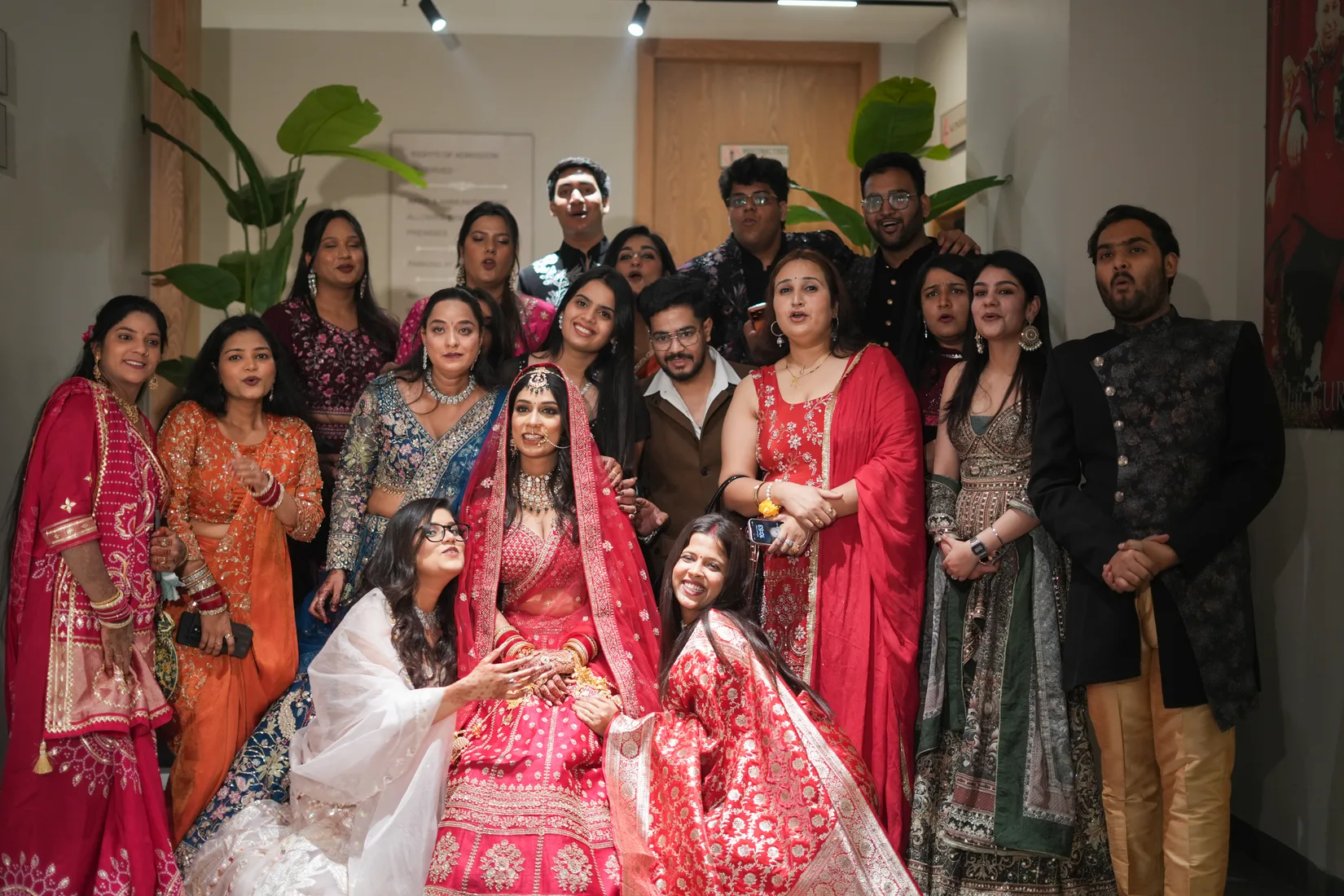
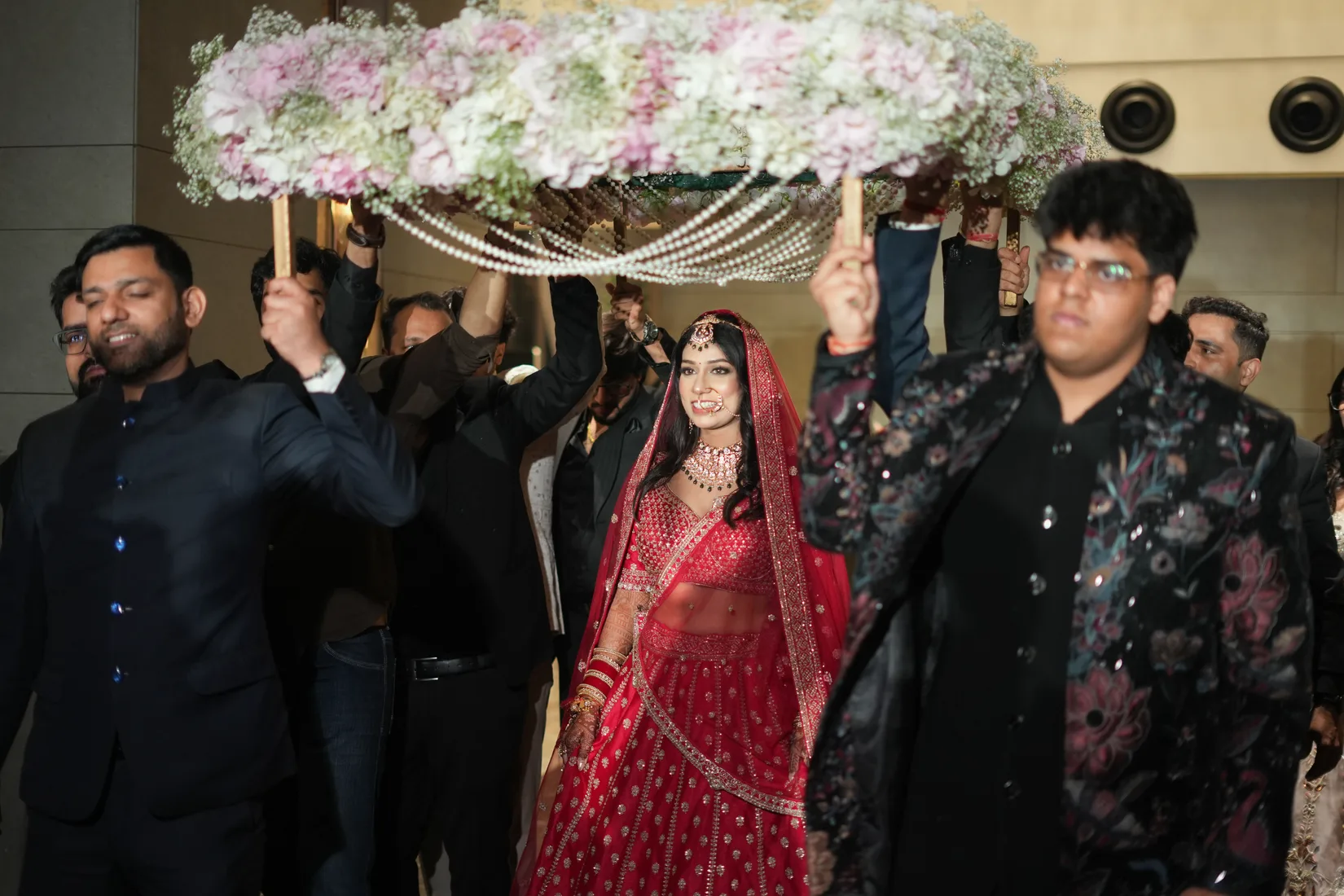
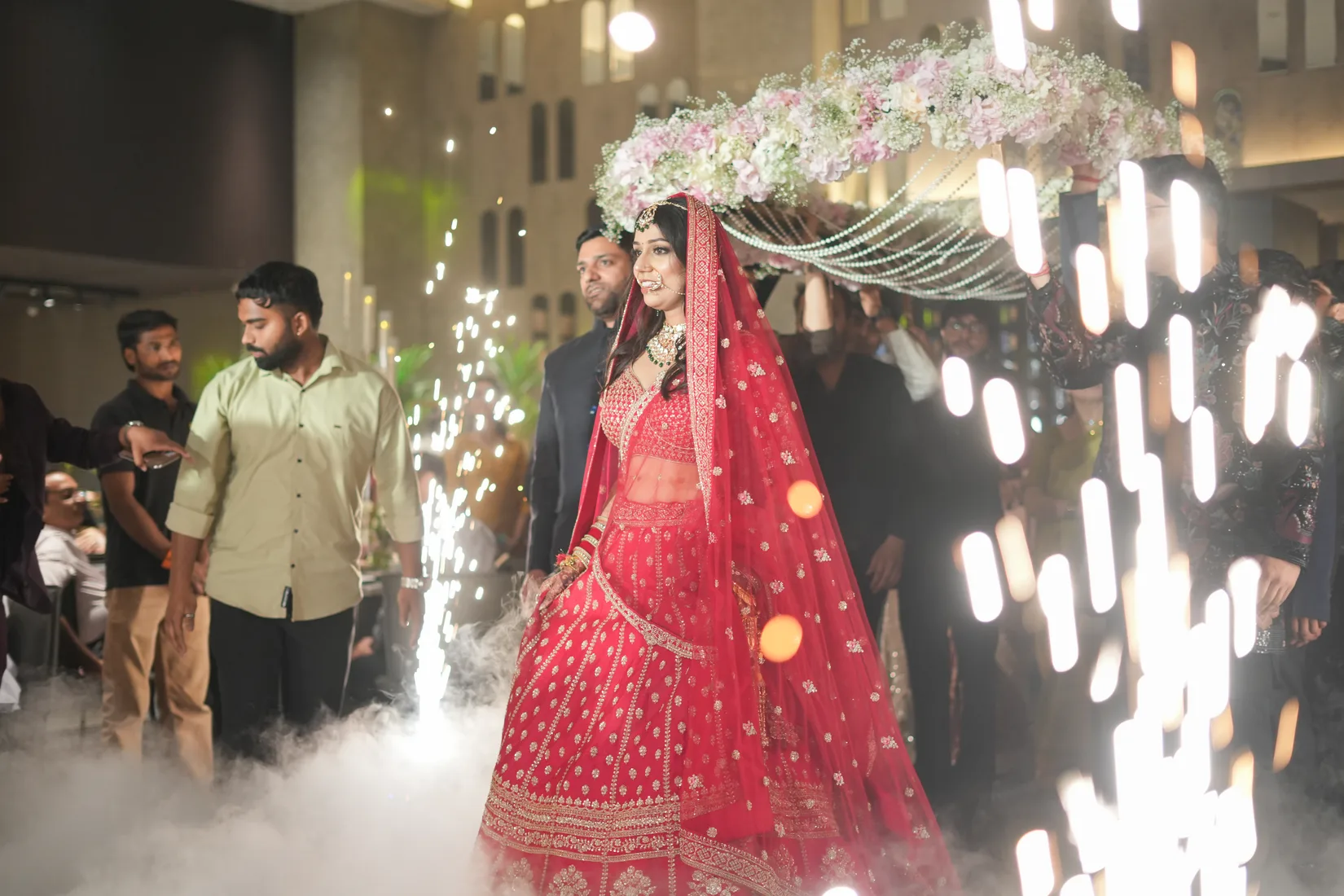
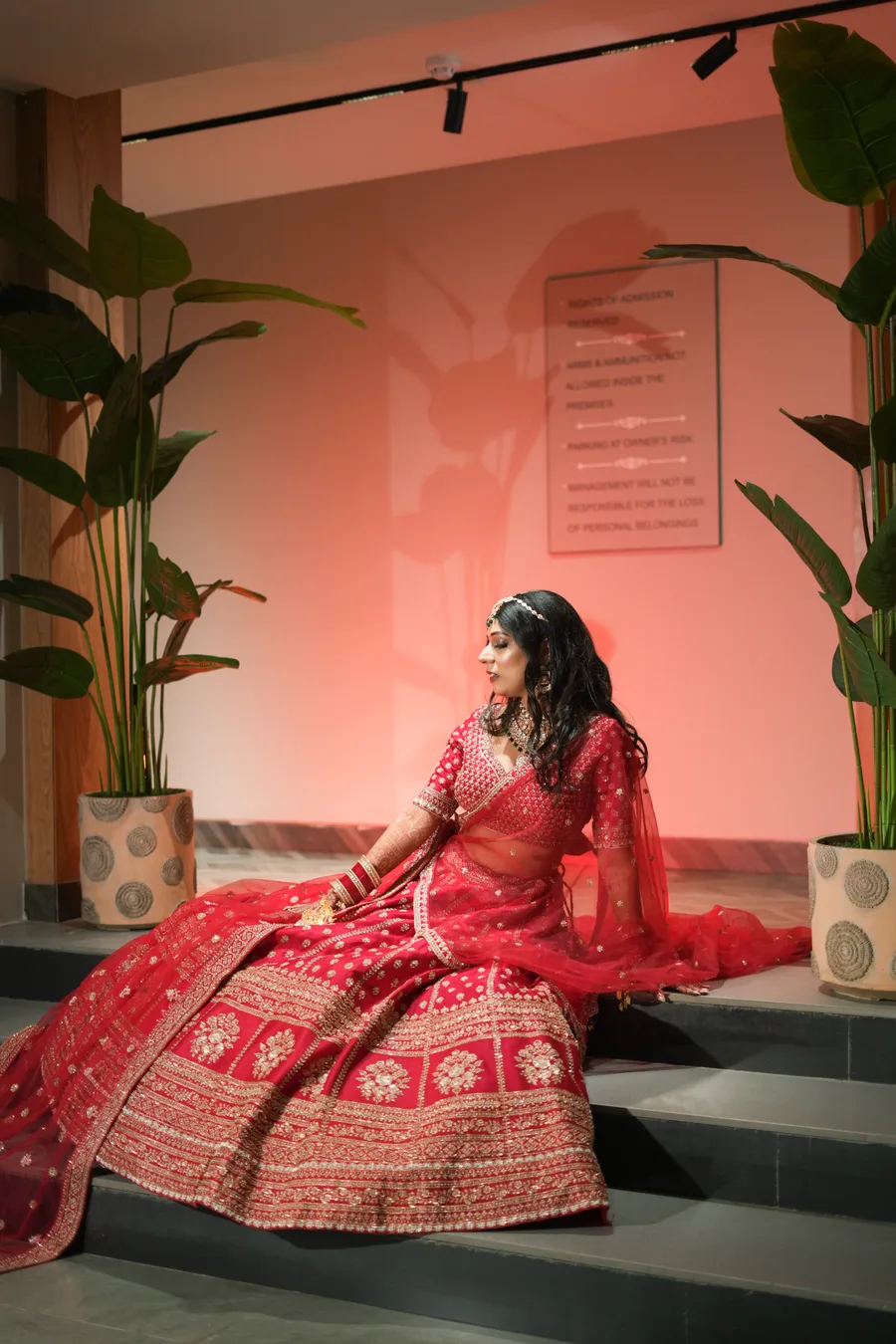
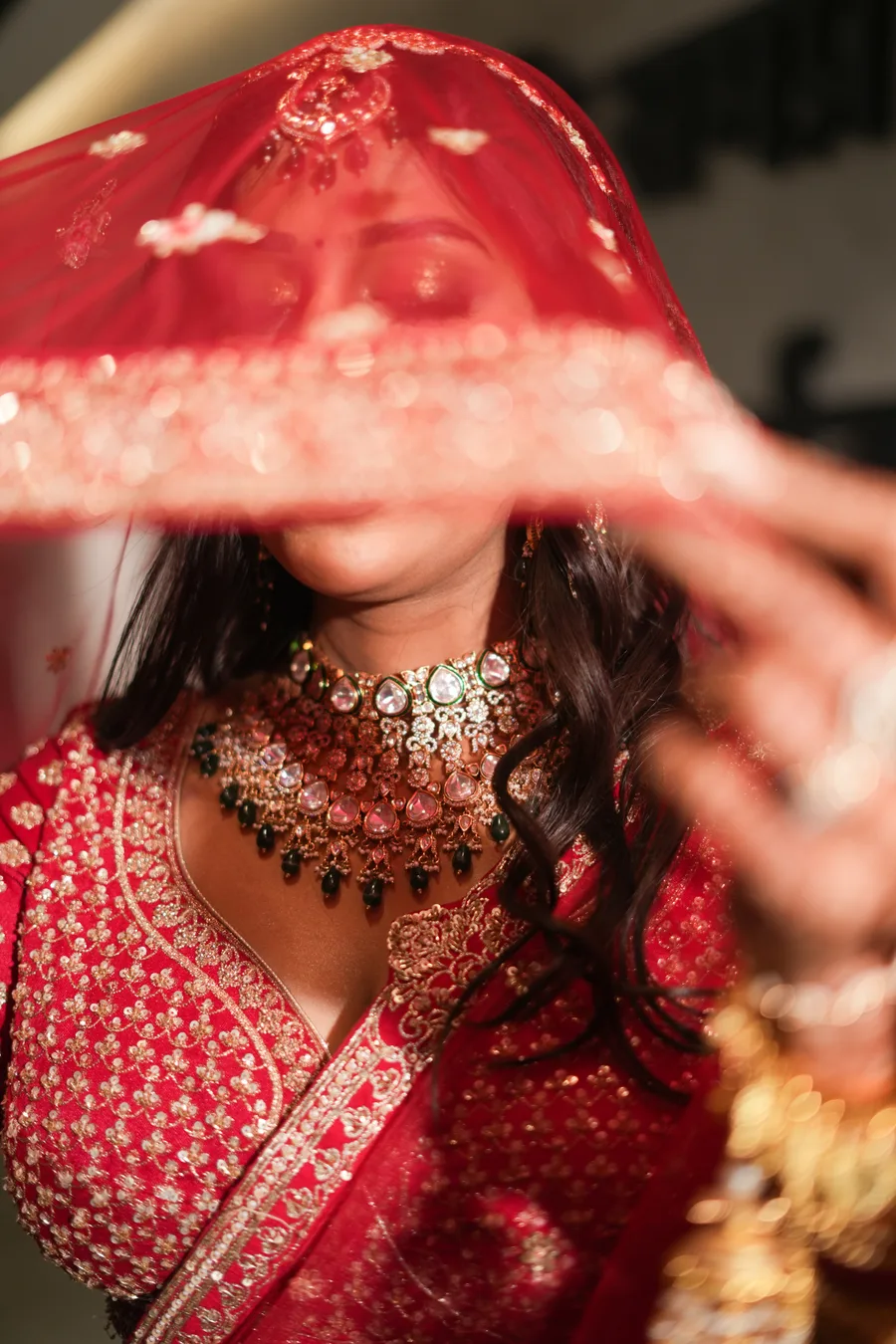
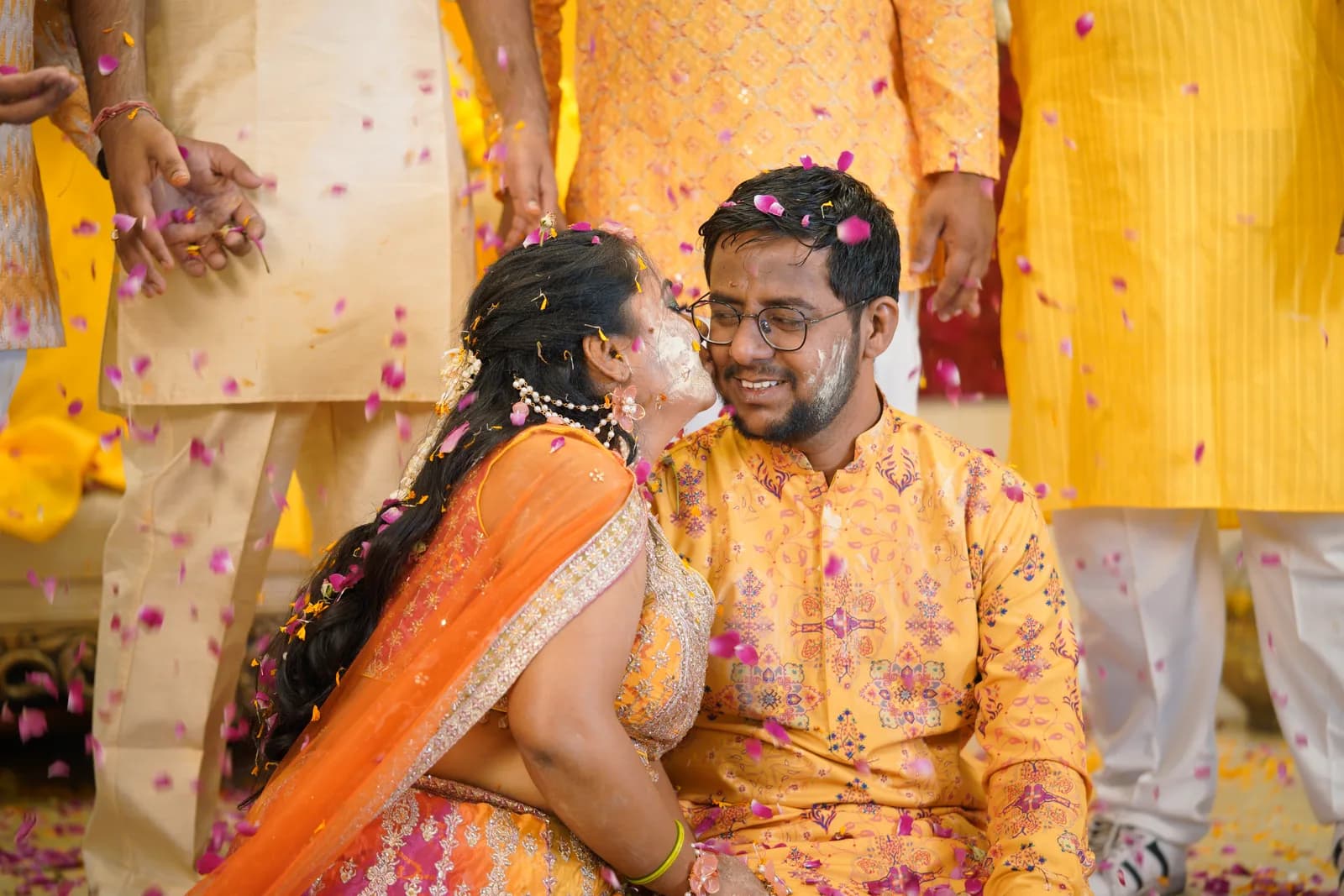
Cinematic wedding films transcend documentation—they're narratives where your celebration's emotions and relationships become the plot. Discover what separates true cinematic work from simple videography.
What Makes a Film Cinematic, and Why That's Different from Videography
Cinematic wedding films treat your day as narrative: they have structure, theme, emotional arc, and intentional visual language. A videographer documents events; a cinematic filmmaker interprets your celebration's essence and constructs a story that others will want to experience. The distinction isn't about camera equipment or technical quality—it's about editorial choice and artistic vision. A cinematic film might take a 12-hour wedding day and condense it into eight minutes that capture its emotional truth; a documentary video might present a comprehensive 90-minute record of every event.
The artistic choices embedded in cinematic films are extensive. How long do you linger on a quiet moment? Do you show the bride's face or the groom's reaction to seeing her? Do you build toward the kiss gradually, or cut directly there? What music underscores which moments? What colour grade and visual language unify disparate scenes? These choices don't happen accidental in professional cinematic work—they're deliberate, guided by the filmmaker's interpretation of your couple's story and celebration's essence.
Narrative Structure and Emotional Arc
Cinematic wedding films typically follow three-act structure: an opening that establishes who you are and where you are, a middle that builds emotional tension and develops your relationship as central theme, and a climax (usually vows or first dance) that releases that accumulated emotion. They often include meaningful dialogue—vows, toasts, or interview snippets—that ground the visual narrative in authentic voice. The best films feel less like a documentation of events and more like an intimate portrait of a specific love story.
Building this narrative structure requires the filmmaker to understand your relationship deeply before shooting begins. They should conduct pre-wedding interviews, ask about how you met, what your challenges and joys together have been, what this celebration means to you both. They're not asking these questions for small-talk; they're mining for the emotional core that will anchor the film. This conversational groundwork is invisible in the final product but essential to its emotional authenticity.
Visual Language and Colour Grading as Storytelling
Cinematic films use consistent visual language throughout: specific colour palettes, camera movements, framing choices that, taken together, create a cohesive aesthetic world. A film might employ warm, golden tones to emphasise intimacy and joy; another might use cooler, more sophisticated tones to convey understated elegance. These choices aren't decoration—they're the visual equivalent of an author's voice. They guide how viewers feel about what they're seeing.
Colour grading in cinematic work is subtle but powerful. A skilled colourist enhances the existing light, unifies images shot in disparate locations and times, and creates emotional consistency across the film. Poor colour grading looks artificial and over-processed; excellent grading is so natural that viewers don't notice it's happened, only that the images feel cohesive and beautiful. When choosing a filmmaker, ask whether colour grading is included in their process or if it's an additional expense. This is where amateur videography often falters—the difference between footage and cinema.
Technical Execution in Complex Wedding Environments
Cinematic filmmaking requires sophisticated technical planning. The filmmaker needs multiple camera angles simultaneously to capture the depth and emotional resonance that cinema demands. They need audio recorded separately and professionally mixed—dialogue, music, ambient sound all balanced intentionally. They need stabilisation equipment to create the fluid, graceful camera movements that cinematically elevate visual storytelling. They need lighting, often, particularly for indoor events, to ensure images feel intentional rather than documentary.
Ask your filmmaker explicitly about their technical setup: how many cameras do they use? Do they bring sound equipment or rely on camera audio? Do they employ gimbals or steady-cams? What's their lighting approach? How do they handle low-light scenarios? Do they edit to music or source music in post-production? These specifics reveal whether they're set up for true cinematic work or whether they're running a basic videography operation. Cinematic films require investment in gear, training, and editing time—they're not budget-level work, and you should understand what you're paying for.
Collaboration and Client Vision in Cinematic Filmmaking
The most successful cinematic films emerge from genuine collaboration between couple and filmmaker. You're the experts on your celebration's meaning; the filmmaker is the expert on translating that meaning into visual narrative. A skilled filmmaker asks questions, listens to your responses, proposes ideas that reflect your vision rather than their formula. They share mood boards, discuss colour preferences, explain their proposed structure. They treat you as collaborators, not subjects.
Before committing to a filmmaker, ask to see their complete portfolio—not just highlights, but full films from multiple celebrations. Watch how different couples' stories are told: Are the films formulaic (same structure, same music, same editing pace)? Or does each film feel specific to its couple? Do the films feel emotionally authentic or overly romanticised? Do you love the visual language, or does it feel dated or overstylised? Your visceral response to their filmmaking is valuable data about whether you'll be satisfied with your own film.
Delivering Your Cinematic Film
Clarify upfront what format you'll receive: a main edited film (typically 5–12 minutes) is standard, but ask whether you'll also receive highlight reels, extended cuts, or raw footage. Will you get drone footage, cinematic shots, or extended sequences suitable for social media? Will you receive files in multiple formats? How long after the wedding before you see the film? Professional timeline ranges from 6–12 weeks, depending on the filmmaker's edit schedule.
If a cinematic film resonates with you—that sense of your story being told artfully, emotionally, with visual sophistication—it's worth the investment and the patience for editing. The right filmmaker transforms your celebration into something you'll want to revisit regularly, share with loved ones far away, and preserve as a legacy of your marriage's beginning. If you're drawn to a cinematic approach and want a filmmaker who prioritises emotional narrative and visual artistry, we'd love to discuss your wedding film vision. Get in touch to share what your story means to you, and let's explore how to translate it into cinema.