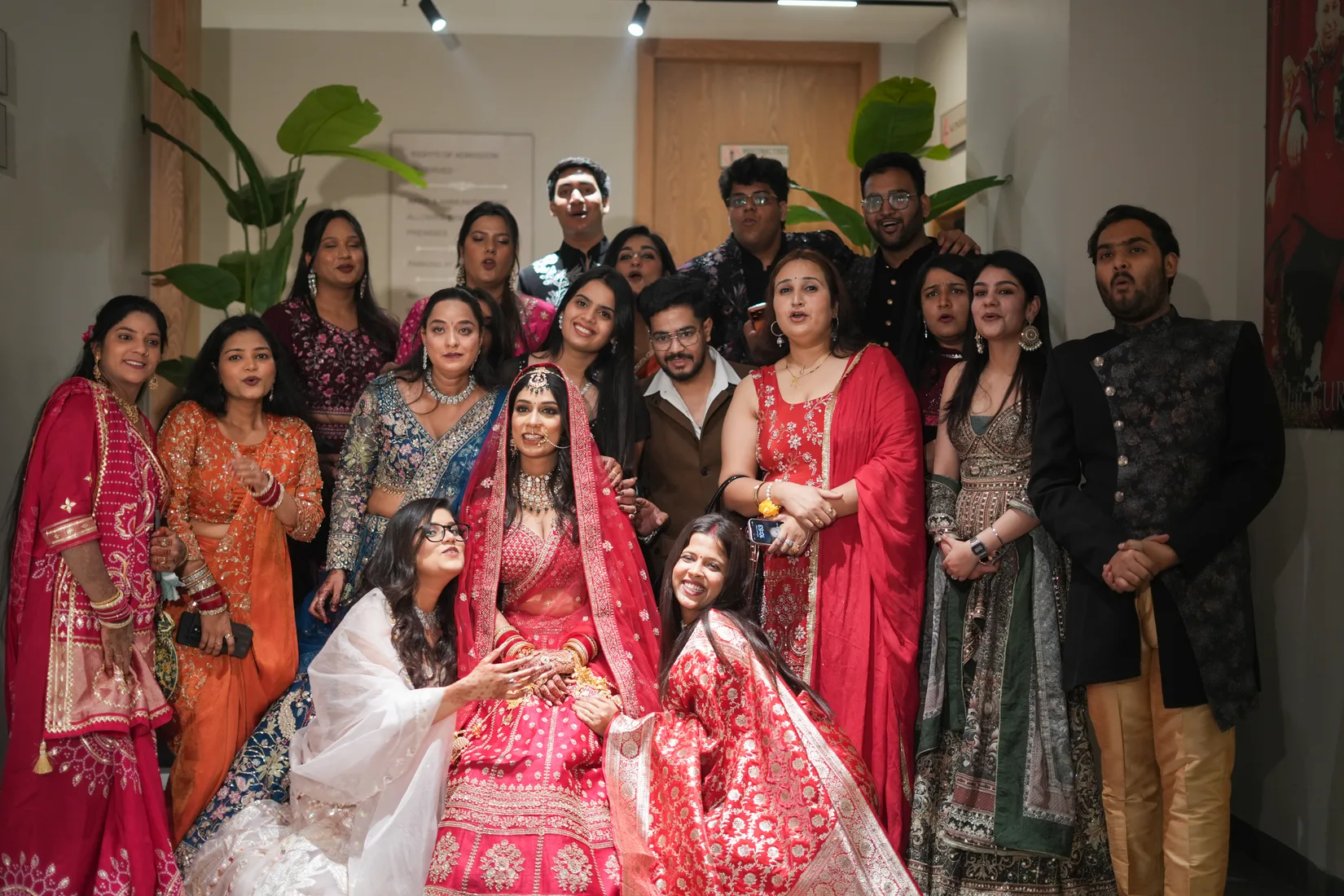
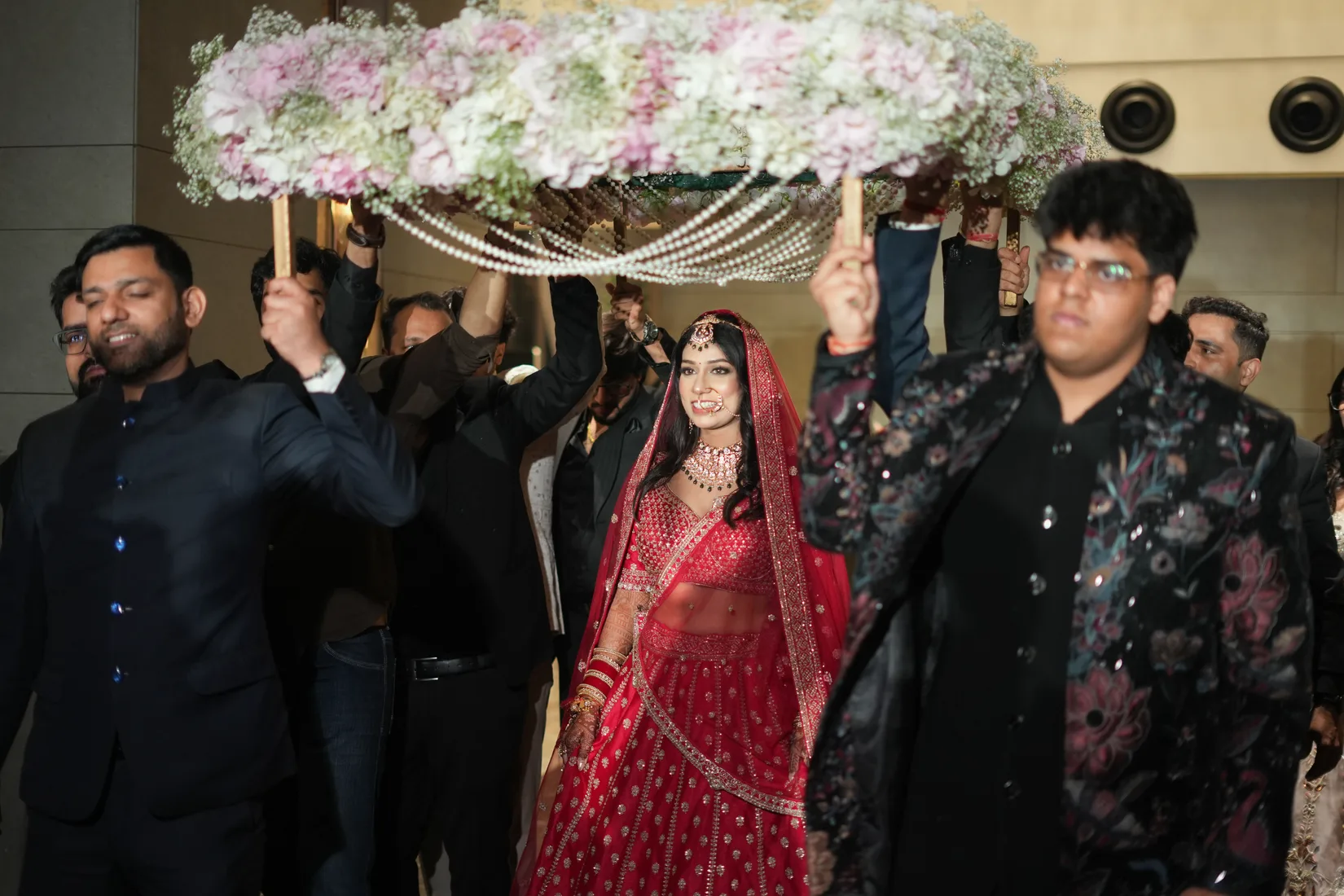
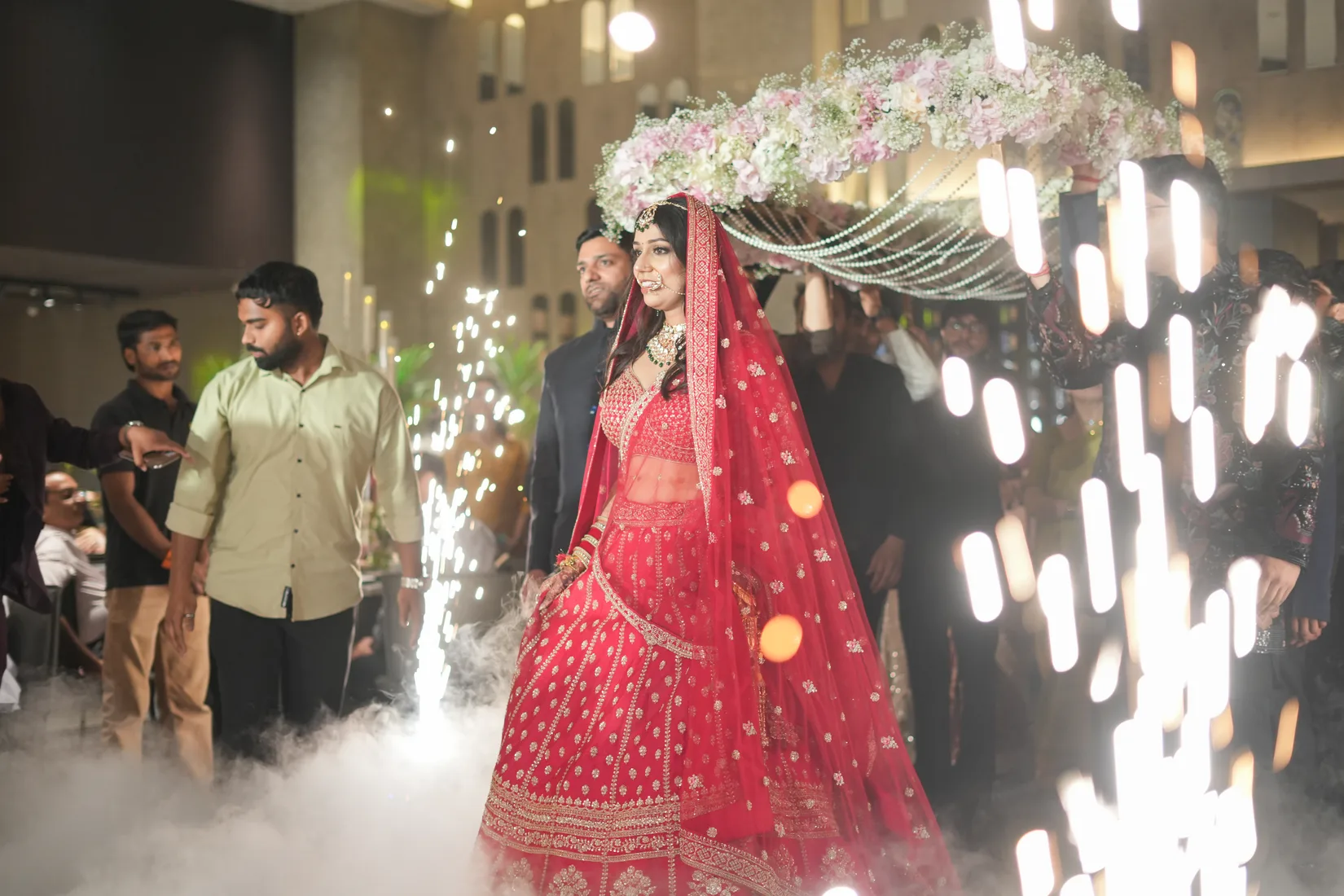
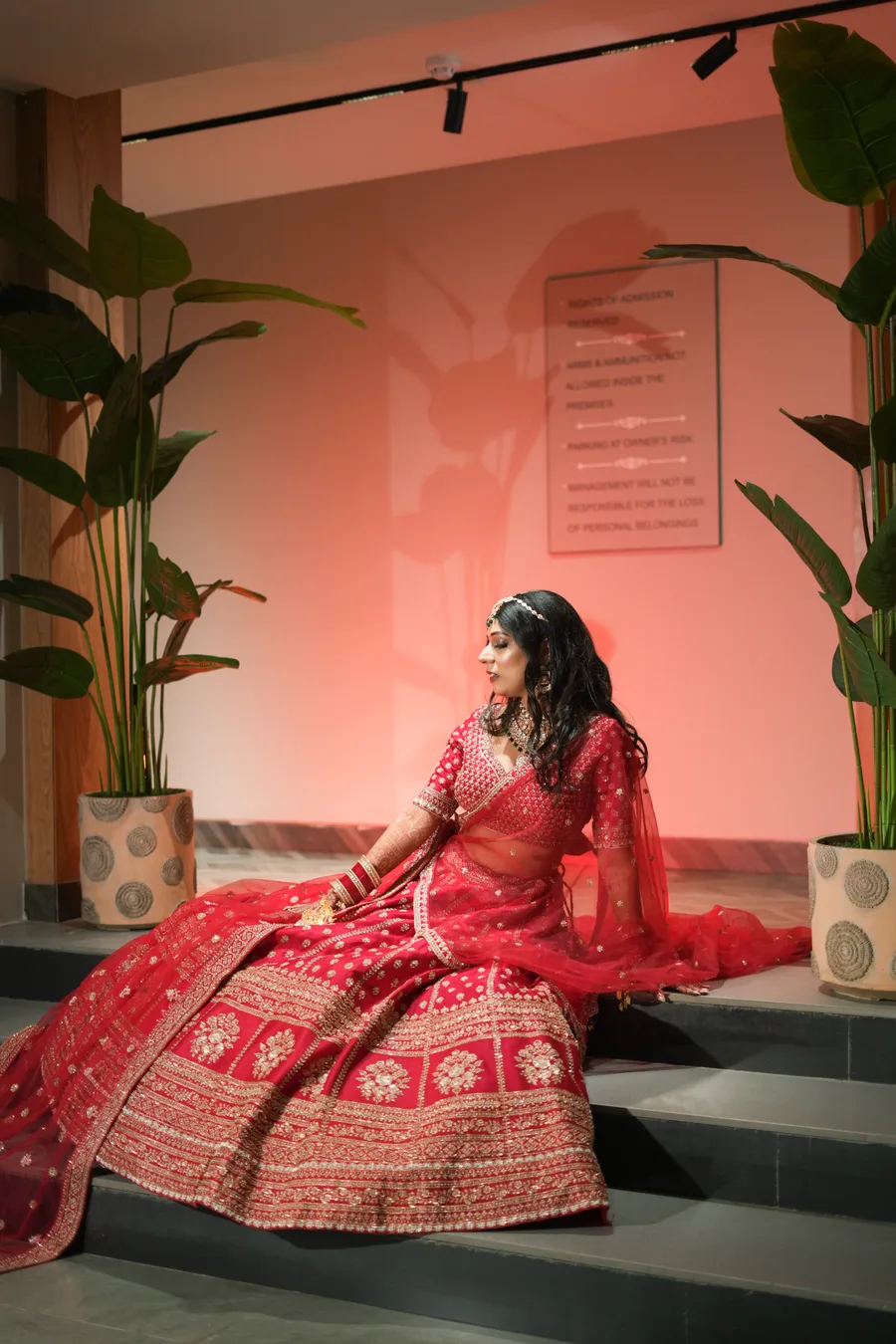
Drone wedding photography reveals the scale and beauty of your venue from above – ceremony arrangements, guest gatherings, and landscape context. Modern aerial shots add a cinematic dimension to wedding storytelling. But timing and permissions matter.
Understanding Drone Wedding Photography and Its Creative Value
Drone technology has transformed wedding videography and photography, offering a perspective that was previously available only to helicopters or expensive aerial photography rigs. A well-executed drone shot can show the full scale of your venue – the geometry of a perfectly arranged mandap surrounded by guests, the expanse of a garden venue with mountains in the distance, the intimate arrangement of tables at an outdoor reception. These shots add a cinematic, modern dimension to wedding films and photo collections, and they often become some of the most memorable images from the day.
Drone wedding photography works best when it's woven into a larger storytelling strategy rather than used as a novelty. A drone shot that shows your ceremony space before guests arrive, then returns during the ceremony for an overview of the gathering, creates visual continuity and context. Aerial shots of group photos, the bride and groom's first walk together, or the send-off can all be powerful moments when captured from above. However, drone shots are usually best suited to wedding films and cinematic trailers rather than still photography albums – they work beautifully as video footage, and the static image alone can sometimes feel less impactful than dynamic movement.
Technical Considerations and Equipment Requirements
Drone photography requires specific equipment and technical skill. Professional wedding drones are typically DJI models such as the Air 2S or Mavic 3, capable of high-resolution imaging, stable footage, and reliable battery life. The operator – your drone pilot – needs to be licensed and insured, understand aviation regulations, and be skilled at flying safely around crowds. A careless drone operator can create safety risks, damage expensive equipment, or capture footage that's unusable due to poor stability or framing.
Beyond the equipment, drone work requires clear communication with your venue, your photographer and videographer team, and your guests. The drone operator needs to know the exact location of your ceremony, the positioning of guests, any no-fly zones, and the timing of key events. They'll typically do most flying before guests arrive (capturing venue setup) and during key moments like the bride's arrival or the couple's first dance. Flying directly overhead during a ceremony can be intrusive and distract guests, so skilled operators use height and distance strategically to capture context without disruption. Also confirm with your venue that drones are allowed – some venues don't permit them due to noise concerns, safety regulations, or privacy.
When Aerial Shots Add Value: Best Moments and Contexts
Drone photography shines in specific moments and settings. If your wedding is outdoors with a beautiful landscape backdrop – mountains, gardens, water – aerial shots will showcase that context and add dimension to your images. If you're marrying in a heritage location or a venue with interesting architecture, drone footage can reveal the building's scale and elegance. If you have a large guest count and want an image of everyone gathered together – something a ground photographer can't capture without access to a very high vantage point – a drone shot might be the solution.
Conversely, if your wedding is indoors or in an urban setting without distinctive visuals, drone photography adds less value. If your ceremony is highly traditional and formal – like a temple wedding – or in a very private setting, drone operations might feel out of place or impractical. Also consider your personal preference: some couples love the modern, cinematic aesthetic of drone footage; others find it distracting from the emotional intimacy of the day. Be honest with yourself about whether aerial photography aligns with your vision before committing to the cost and logistics.
Permissions, Regulations, and Safety Protocol
In India, drone operation is regulated by the Directorate General of Civil Aviation, and commercial drone use requires specific permissions and adherence to flight rules. Your drone operator should be licensed and aware of current regulations, which vary by state and sometimes by specific venue or airspace. They'll need to file flight plans for their operations and ensure they're not flying in restricted airspace. For most Indian wedding venues, securing permissions is possible but requires advance planning – sometimes several weeks in advance.
Your drone operator should also have comprehensive insurance covering both equipment and liability. They'll need to do a safety briefing with your venue and coordinate with security or venue managers. On the day, they'll typically operate early before guests arrive or during controlled moments when crowds are managed. They'll always maintain a safe distance from guests, animals, and obstacles, and keep the drone at appropriate altitudes to minimise noise disruption. If you're bringing in external drone services, ensure they've already coordinated with your venue and obtained necessary permissions – don't assume this will happen on the day itself.
Integrating Drone Footage with Your Overall Wedding Coverage
If you decide to include drone photography or videography, think about how it integrates with your broader media package. Aerial shots are most effective in wedding films – a teaser, a highlights reel, or a full-length film that intercuts drone footage with ground-level perspectives. A single still photograph of your venue from above can be beautiful, but video footage, with subtle movement and changing perspective, is more cinematic and engaging.
Discuss with your photographer or videographer how they'll incorporate drone work. Will your videographer operate the drone themselves, or will you be hiring a separate drone specialist? Will there be additional costs? What's included in the final deliverable – a few seconds of aerial footage in the wedding film, or extensive drone coverage? Ensure whoever operates the drone is experienced with wedding work; an excellent real estate drone pilot might not understand how to frame moments for wedding storytelling. If you're using Lens9 Studio for your wedding coverage and want to include drone photography, we can either operate the drone ourselves or coordinate with trusted specialist drone operators to ensure seamless integration with your overall wedding film and photography package.