Editorial wedding photography borrows the polished, storytelling style of high-end fashion and travel magazines. Discover how this cinematic approach transforms your wedding into a visual narrative.
What Editorial Wedding Photography Actually Means
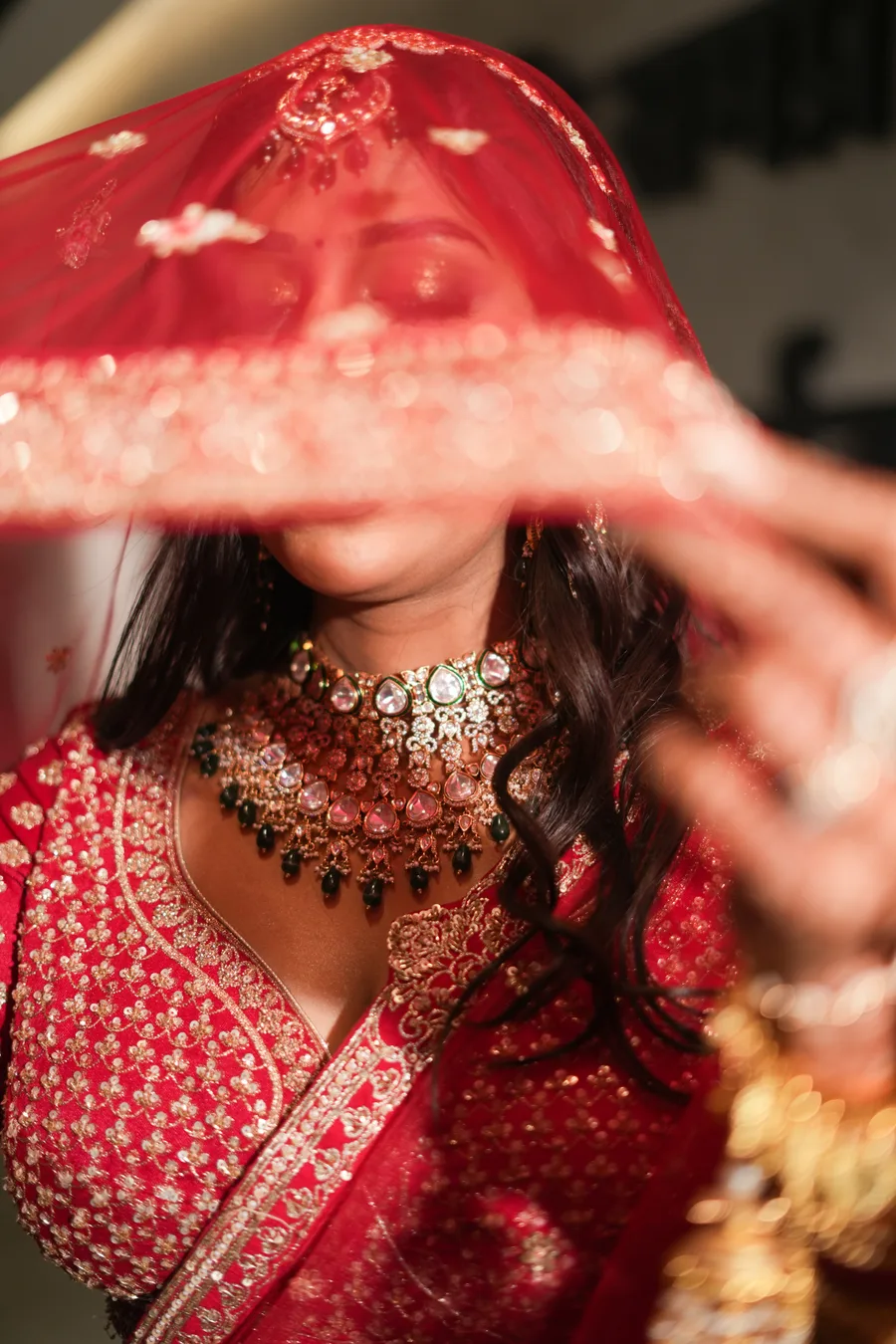
Editorial wedding photography takes its inspiration from glossy magazine photography—think Vogue spreads, National Geographic narratives, and high-end travel publications. The approach emphasises cinematic storytelling, thoughtful composition, and a distinctive visual language that feels curated, artistic, and aspirational. Rather than simply documenting your wedding, an editorial photographer frames it as a narrative: establishing shots that set mood, close-ups that reveal emotion, wide vistas that capture scale and atmosphere, and carefully composed portraits that feel like they belong on a magazine cover.
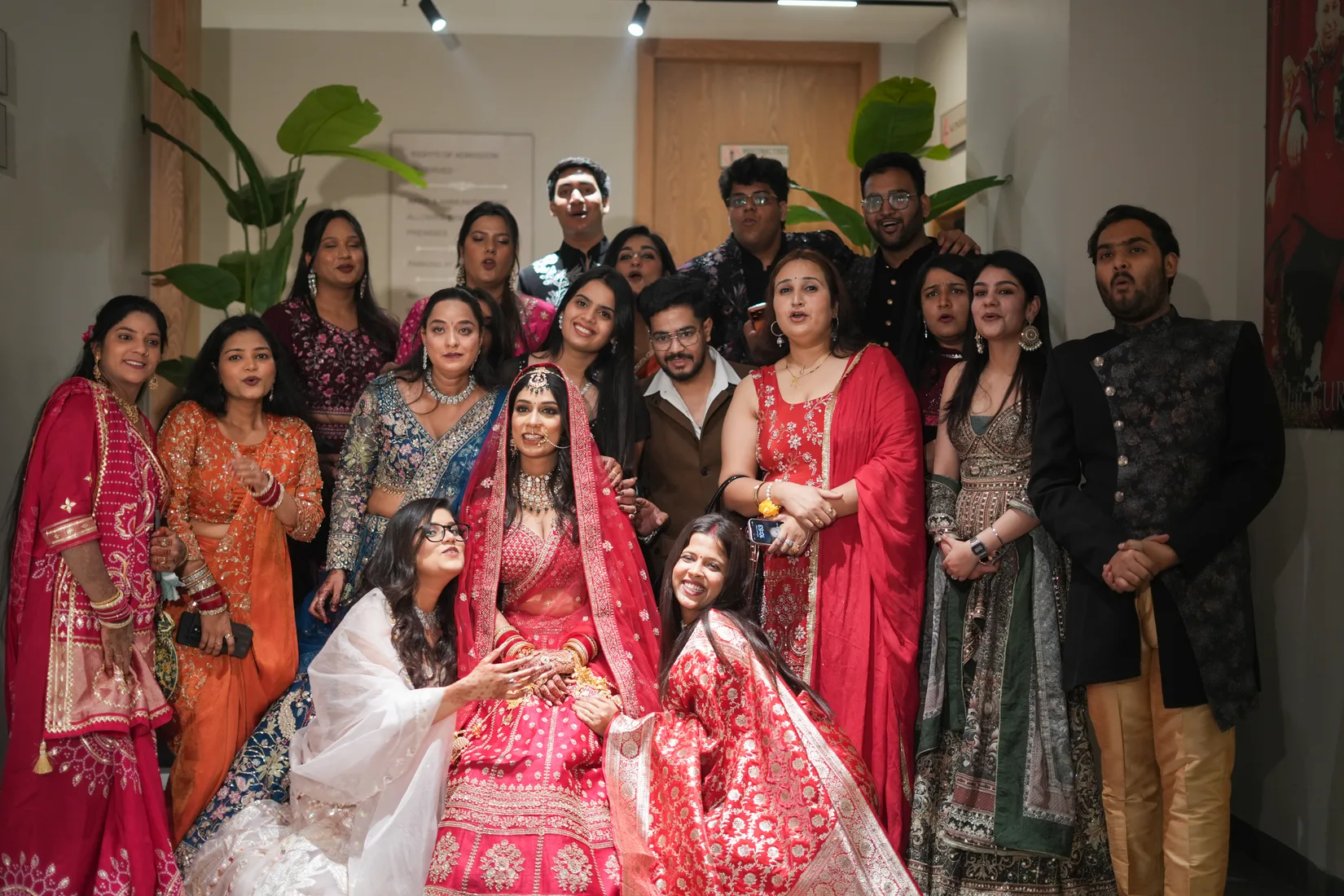
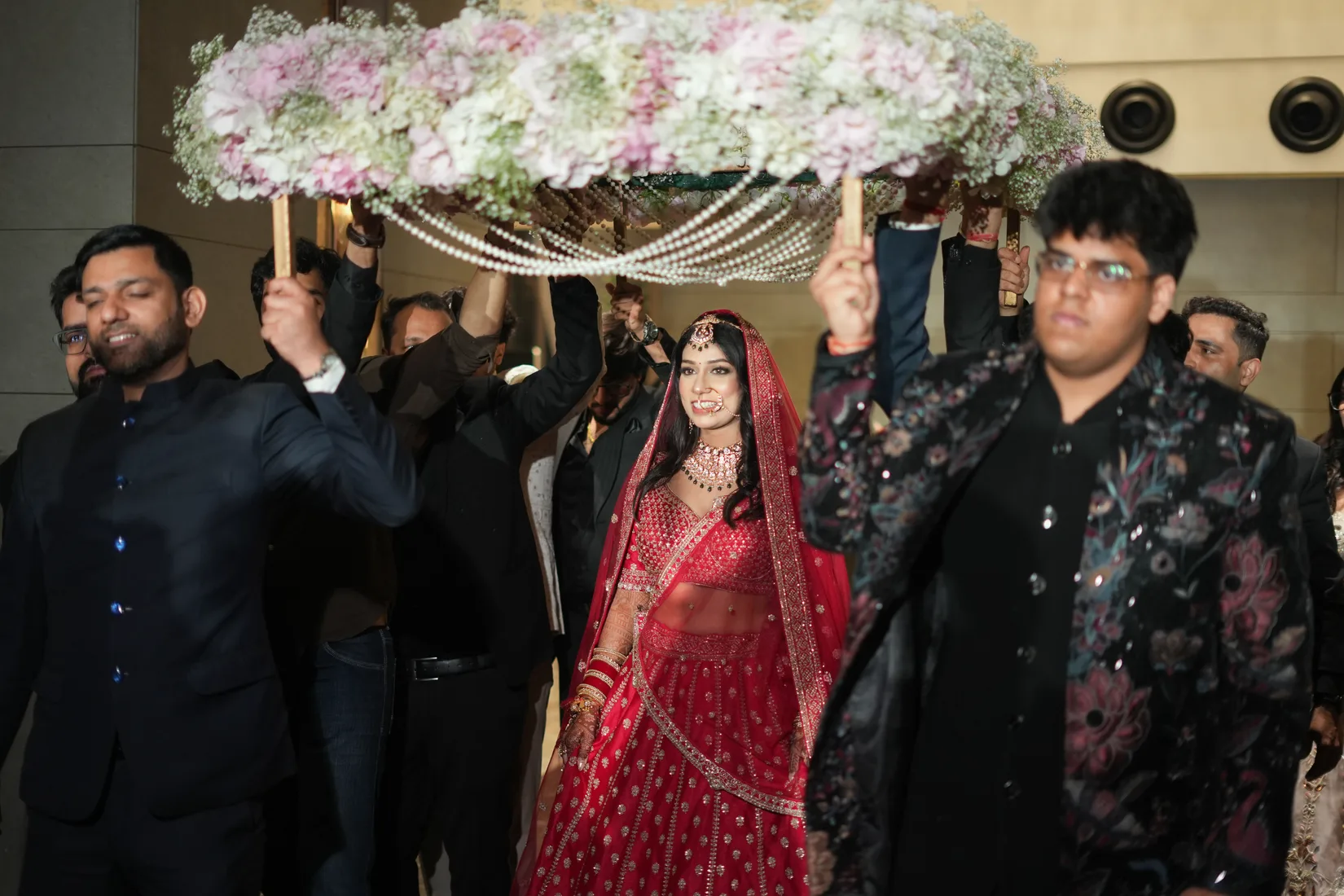
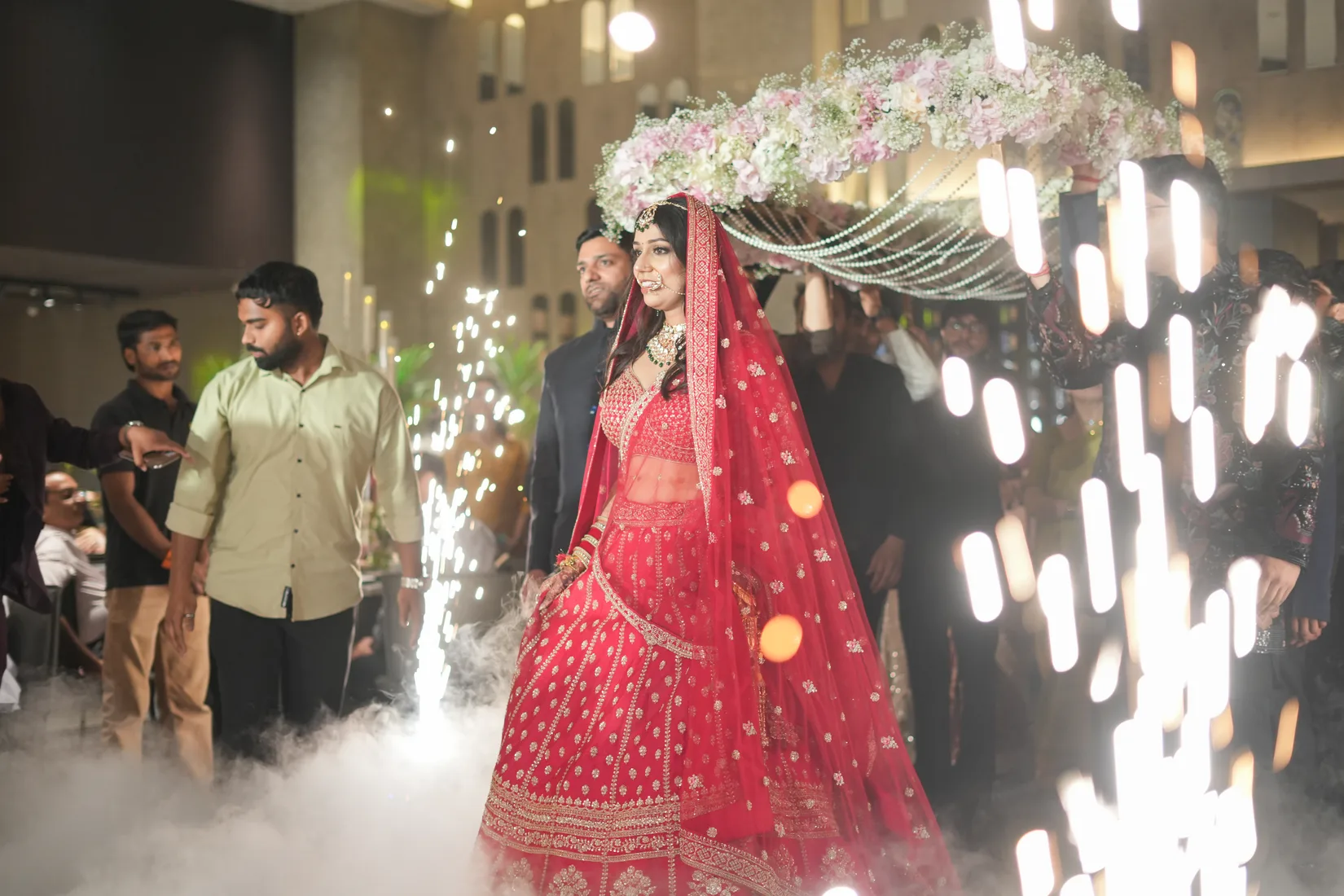
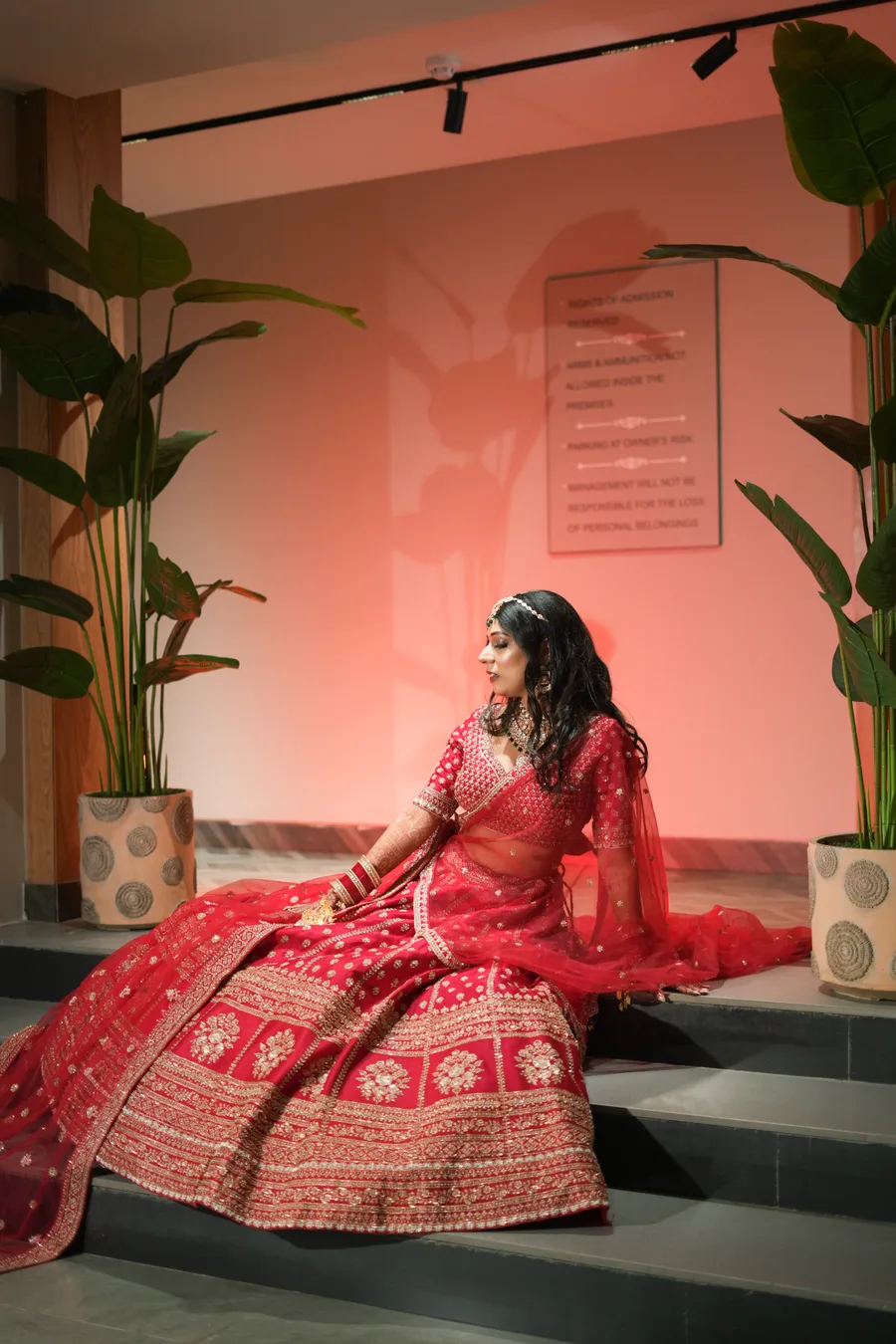
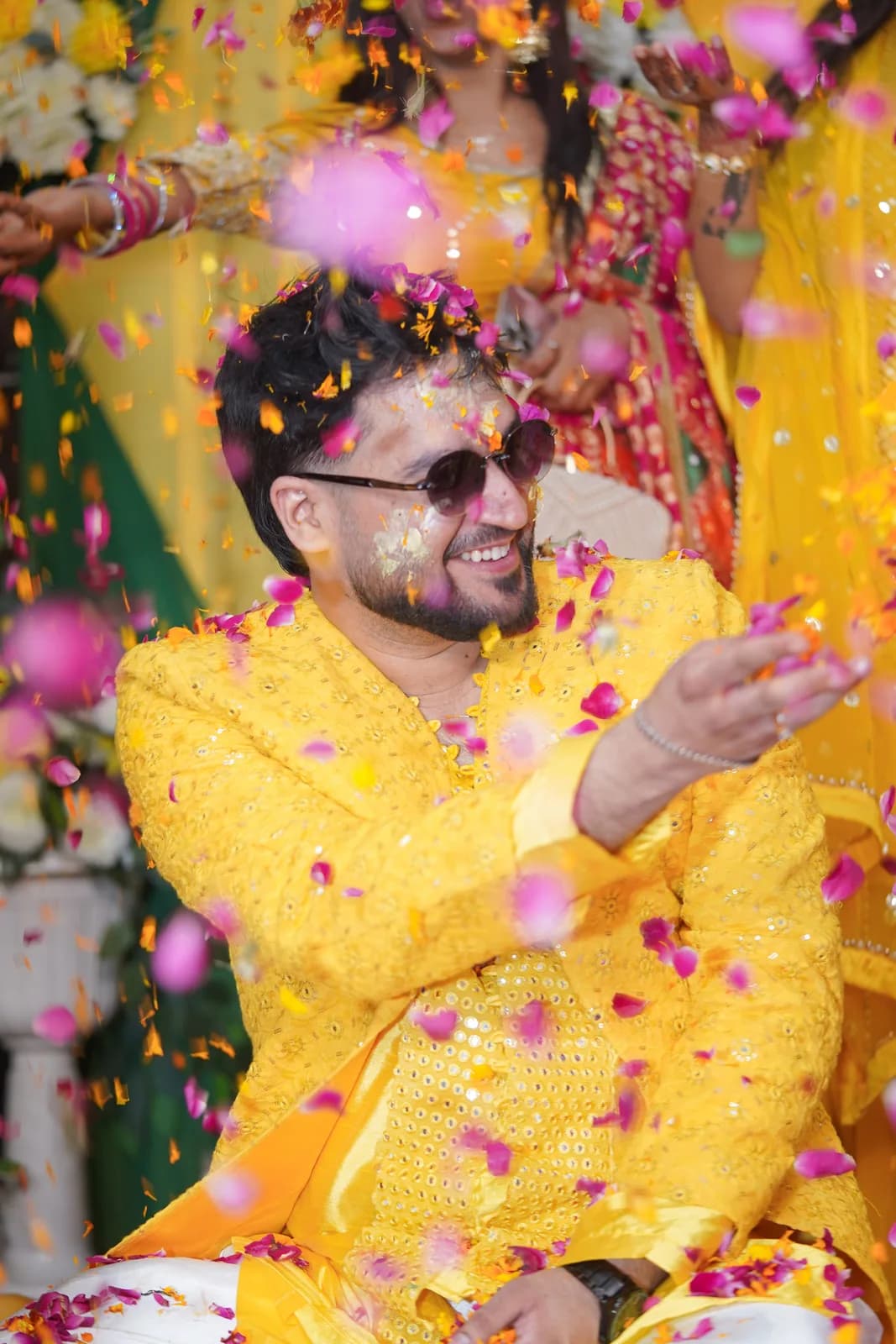
For Indian weddings, editorial photography is particularly compelling because there's so much visual richness to work with: the jewellery, the colour-saturated fabrics, the layered ceremonies, the crowded celebrations. An editorial photographer approaches your wedding not as a transactional documentation but as a visual essay—what is the story of this union, this family, this celebration? The editing might lean moody and atmospheric, or bright and editorial-cheerful, depending on the direction, but the commonality is intentionality.
The Visual Language: Composition and Framing
Editorial photographers obsess over composition in ways that purely documentary photographers might not. They notice leading lines (the architecture of your venue, the formation of guests), they use negative space creatively, they think about how images relate to one another as a spread. A series of editorial wedding photographs might flow as a visual journey: an exterior establishing shot of your venue in golden light, a detail of your lehenga's embroidery filling the frame, a wide shot of the mandap with guests arranged like a living painting, a close-up of your and your partner's hands touching.
Framing is intentional—symmetry is used for formal moments, asymmetry and off-centre composition for candid instances. The horizon line matters. The ratio of foreground to background is considered. Repetition and pattern recognition feature prominently; an editorial photographer might notice the repetition of red marigolds around the mandap and use that pattern to frame a portrait. Layering in photographs is prioritised—having distinct foreground, middle ground, and background elements that create depth.
Colour Grading and the Editorial Aesthetic
If composition is the skeleton of editorial photography, colour grading is the skin. Editorial photographers develop a signature colour palette for each wedding—a set of consistent tones and hues that tie images together. Some editorial palettes are cool and moody: desaturated, with emphasised blacks and deep shadows. Others are warm and romantic: rich golds, peachy highlights, slightly muted greens in foliage. A third approach is vibrant editorial: saturated colours that feel almost illustrated, with exaggerated contrast and vivid jewel tones. The key is consistency—your entire album should feel cohesive.
This is different from automatic editing, where exposure and white balance are corrected neutrally. Editorial colour grading involves creative choices: underexposing slightly for dramatic effect, pushing shadows toward colour, selectively saturating certain colours whilst muting others, or creating a film photography aesthetic through grain and specific colour shifts. For Indian weddings, where colour is paramount, thoughtful colour grading can either amplify the richness (saturated, jewel-tone grading) or create a sophisticated, editorial feel (slightly desaturated, with selective colour emphasis).
Storytelling Through Sequence and Detail
Editorial photography prioritises narrative flow. When you sit with your album, an editorial approach reveals the day as a story with chapters: the quiet anticipation of getting-ready, the ceremonial intensity, the joyful transition to celebration, the intimate couple moments, the raucous reception revelry. Within each chapter, images progress logically and emotionally. Close-ups and wide shots are interspersed; moments of tenderness are followed by moments of exuberance; ritual is balanced with candid joy. An editorial photographer often crafts this narrative thoughtfully, ensuring that when viewed sequentially, the photographs create emotional and visual momentum.
Details are also elevated in editorial photography. Rather than treating details (your jewellery, your outfit, the décor) as mere documentation, an editorial photographer treats them as visual elements worthy of artistic attention. A detail photograph might fill the entire frame with your ornate earrings, side-lit and beautifully composed. Your mehndi might be photographed close-up, almost abstractly, revealing the intricacy of the henna. These detail photographs serve double duty: they're beautiful standalone images and they anchor the narrative in visual specificity.
When Editorial Photography Is the Right Choice
Editorial photography suits couples who view their wedding album as a work of art, not just documentation. If you spend time on Pinterest following aesthetic accounts, if you're drawn to high-end design and fashion, if you want your album to look like a beautiful publication, editorial photography resonates. It's also ideal for couples who care deeply about colour, mood, and atmosphere—couples who might say, 'I want the wedding to feel moody and intimate' or 'I want everything to feel romantic and warm.' Editorial photographers thrive when given creative direction; they're energised by couples who are opinionated about aesthetics.
Editorial photography also works beautifully for extended family albums and prints. When every image is composed and colour-graded with care, any photograph is suitable for printing and framing—there's no hierarchy where some images are 'better' than others. If you're drawn to a magazine-style aesthetic for your wedding, finding a photographer whose editorial vision aligns with yours will result in an album you treasure as both documentation and art. Lens9 Studio can discuss how editorial photography approaches your celebrations and what that creative partnership might look like.