Organise family photographs efficiently at your Indian wedding. Master shot lists, timeline management, and logistics to capture every important family combination.
Why Organised Family Photos Matter
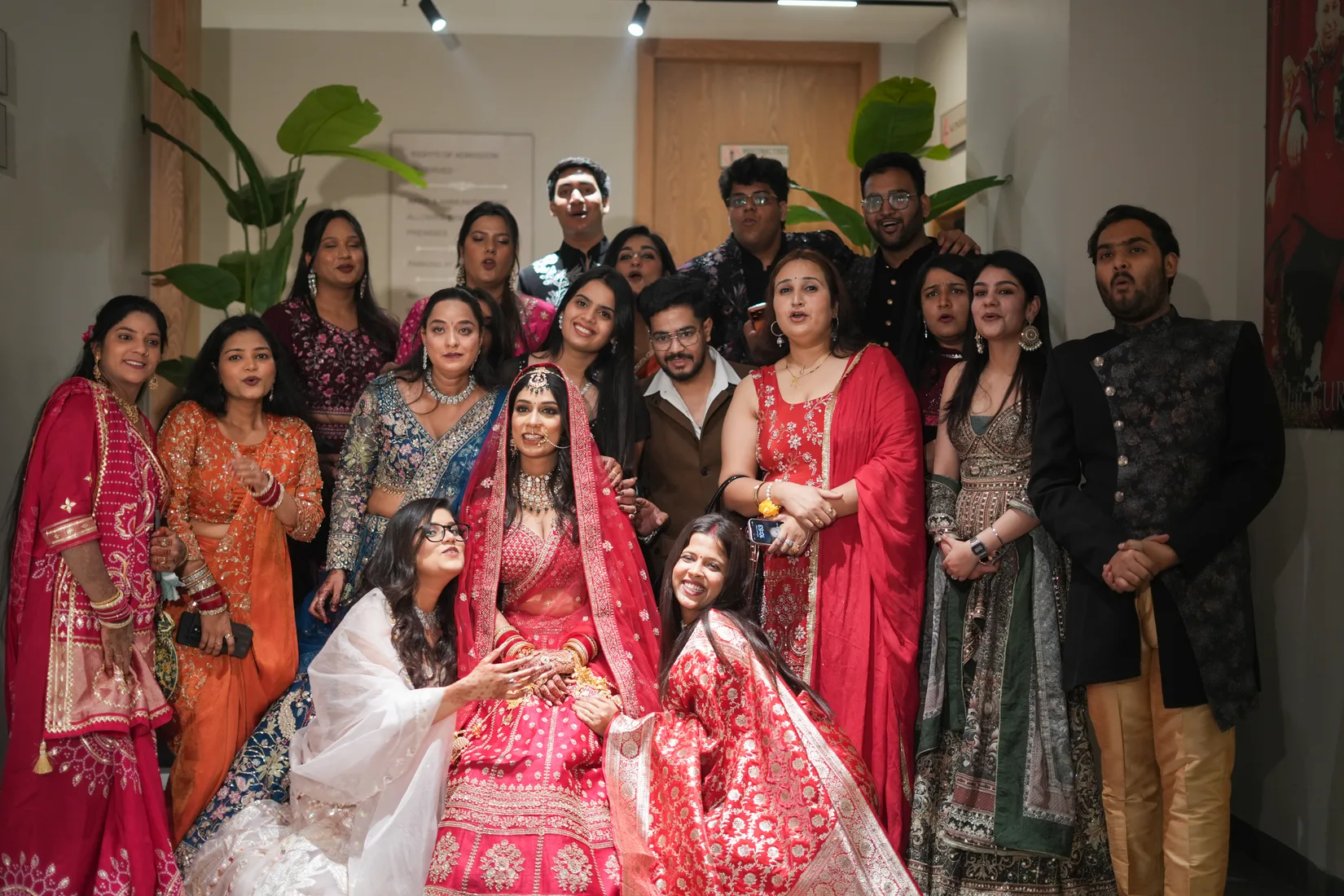
Family photos at Indian weddings serve a purpose beyond the moment: they're often the only time in years when entire extended families gather, dress formally, and pose together. These photographs become treasured records of your family at a specific moment in time. Without organisation, family photo time becomes chaotic—people disappear to eat, children get tired, and coordinating 50 relatives for a single shot feels overwhelming. Your photographer can handle the technical aspects of beautiful portrait photography, but organising which family members appear in which combinations requires your family's coordination.
Organised family photos also free your photographer from constant logistical management during your reception. If family photos happen in a dedicated, planned session, your photographer can focus on creating beautiful portraits rather than constantly hunting for various family members throughout the night. This approach also means you're not having important family photos taken while you're trying to enjoy your reception. Many couples schedule family photography during specific windows—often during the reception's first hour, after key moments like the first dance but before guests have scattered or had too much to eat and drink.
Creating a Realistic Family Photography Shot List
Start by honestly assessing how many family combinations truly matter to you. Common shots include: immediate family (bride, groom, both sets of parents), extended immediate family (parents, siblings, spouses of siblings), all of bride's side, all of groom's side, various subsets (all cousins, all aunts and uncles, all kids), and specific family groups (a particular branch of relatives, close friends considered family). Each shot takes 3-5 minutes to gather, arrange, and photograph. If you want 40 different combinations, you need 2-3 hours minimum. Most couples can't dedicate this much time; choose your 10-15 most important combinations rather than attempting everything.
Prioritise ruthlessly. Identify your non-negotiables: usually parents, siblings, and perhaps close grandparents. Then think about less essential but still meaningful combinations: cousins, aunt/uncle groups, or friend clusters. Accept that you won't capture every possible permutation. Your extended cousins might not all appear together if they're numerous; instead, capture 'bride's side cousins' as one large group plus any particular subsets that feel important. Share your shot list with your photographer; they might suggest efficient orders (photographing people standing in certain positions, then removing or adding individuals rather than reorganising the entire group each time). This approach maximises the number of shots you capture in limited time.
Timeline Management and Scheduling
Schedule family photos during a specific, announced window—ideally a 45-75 minute block when guests expect to gather for photographs. Announce this timing during the reception's opening remarks or printed on your programme card. Tell guests approximately when they should anticipate being photographed so they're not surprised when called. The optimal time is usually during the reception's first hour: guests are alert, festive, and haven't eaten heavily yet. They're also more likely to be dressed formally and put-together.
Communicate with your wedding coordinator or family liaison that during the family photo window, they should gather people as needed rather than the photographer constantly hunting. This person—ideally a family member your guests respect, like your mother or an older aunt—should be your photographer's partner, managing the logistics while the photographer focuses on framing and light. You and your partner shouldn't be managing logistics; you should simply transition between groups as directed. If you're actively coordinating your own family photos, you're stressed and unavailable to actually enjoy the moment. A designated family coordinator transforms family photos from chaotic to efficient.
Coordinating Family Members Effectively
The key to smooth family photography is preparation and clear communication. Before your wedding, send a message to your family explaining that formal family photographs will happen at a specific time and they should plan to be available then. Mention that they'll be called in groups for about 5 minutes each. Managing expectations prevents the frustration of hunting for people who've disappeared to eat, gossip, or rest.
During your wedding, your designated family coordinator should have your shot list and should call people forward in order. Effective calling is specific: 'I need the bride's parents, siblings, and their spouses please,' rather than vague announcements that result in everyone showing up. This keeps groups manageable and prevents 100 people from thinking they're needed. The coordinator should also manage flow: once a group is photographed, they should move them away to make room for the next group. This prevents crowd buildup and keeps energy moving. For complex family structures—remarried parents, step-siblings, blended families—your coordinator needs to understand the arrangements so they call the right people together and respect all family configurations equally.
Managing the Chaos With Grace
Despite the best planning, family photo time at Indian weddings involves controlled chaos: children get bored, relatives want to chat, and someone's always missing. Your photographer and coordinator need abundant patience and good humour. Acknowledge that herding family is complicated; make it fun rather than stressful. Your photographer might tell jokes or engage kids playfully between shots to keep energy light. The coordinator can keep momentum moving without being bossy. The goal is beautiful photographs, yes, but also preserving family relationships and keeping the occasion joyful.
Some families love formal, traditional compositions; others prefer candid, playful moments. Discuss this with your photographer. They can capture a mix: the formal, 'everyone looking at camera, standing straight' version, and also a playful version where everyone's laughing or interacting naturally. Both have value. The formal version is timeless and traditional; the playful version shows genuine personality and connection. Having both means you can display the formal version in a family room and share the playful version on social media, satisfying different audiences.
Capturing Candid Moments Alongside Formal Portraits
While scheduled family group portraits are valuable, some of the best family photographs happen spontaneously throughout your reception. Your photographer should balance formal family photo sessions with genuine candid moments: your mother fixing your dupatta, your father tearing up during toasts, your siblings making each other laugh, your cousins dancing wildly. These candid shots often become the most treasured images because they capture authentic emotion and personality rather than formal arrangement.
The most comprehensive family photo coverage happens when your photographer documents both: dedicated time for organised group shots, then continues capturing family interactions during the celebration. This dual approach means your final collection includes the recorded family structures (everyone together) plus the living reality (people genuinely connecting and enjoying each other). Discuss with your photographer whether they'll continue photographing families during the reception after formal photo time ends. If you want extensive candid family moments, ensure your photographer's hours extend through the entire celebration, not just focused wedding moments. The result is a genuinely complete family record that honours both formal tradition and spontaneous joy.