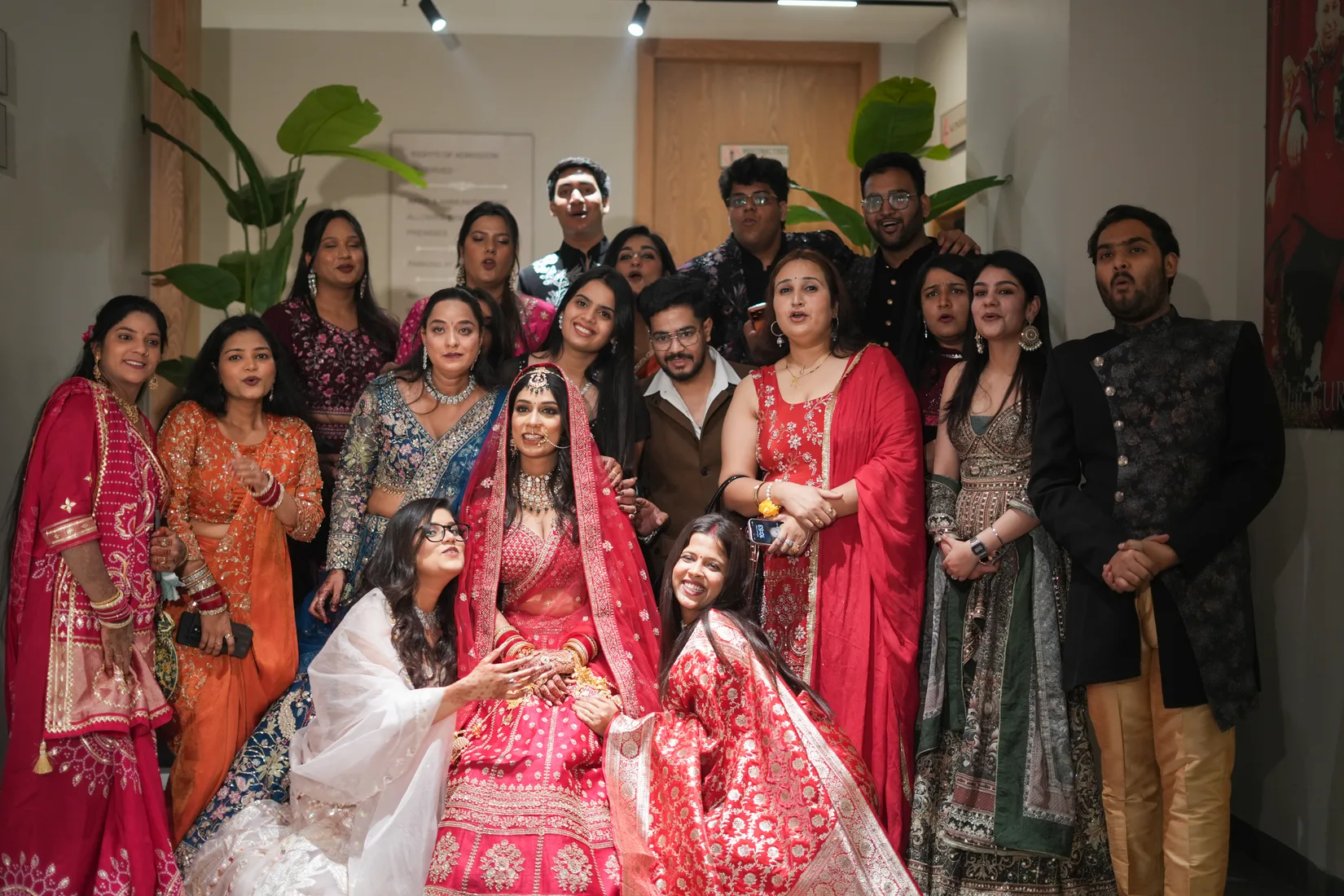
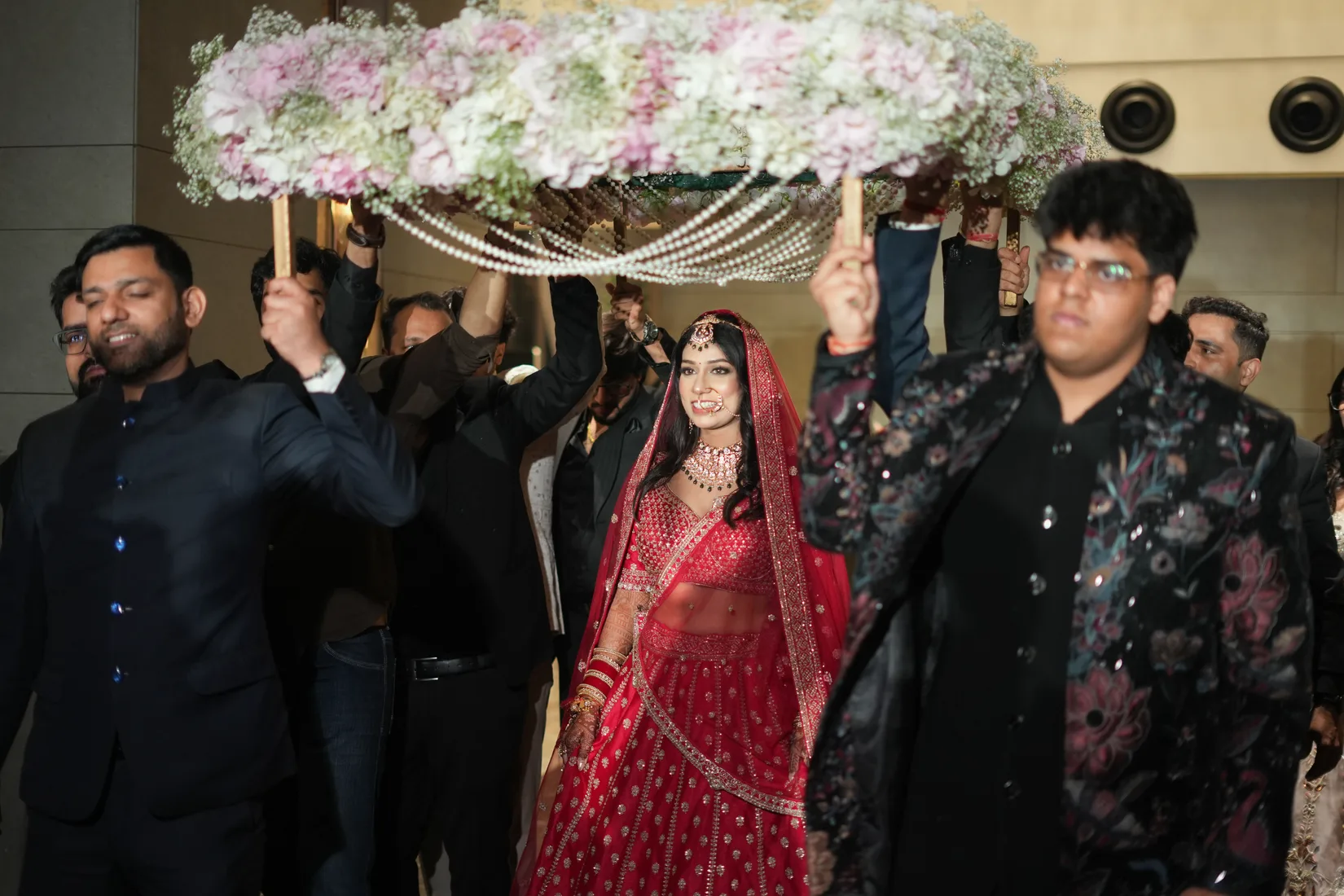
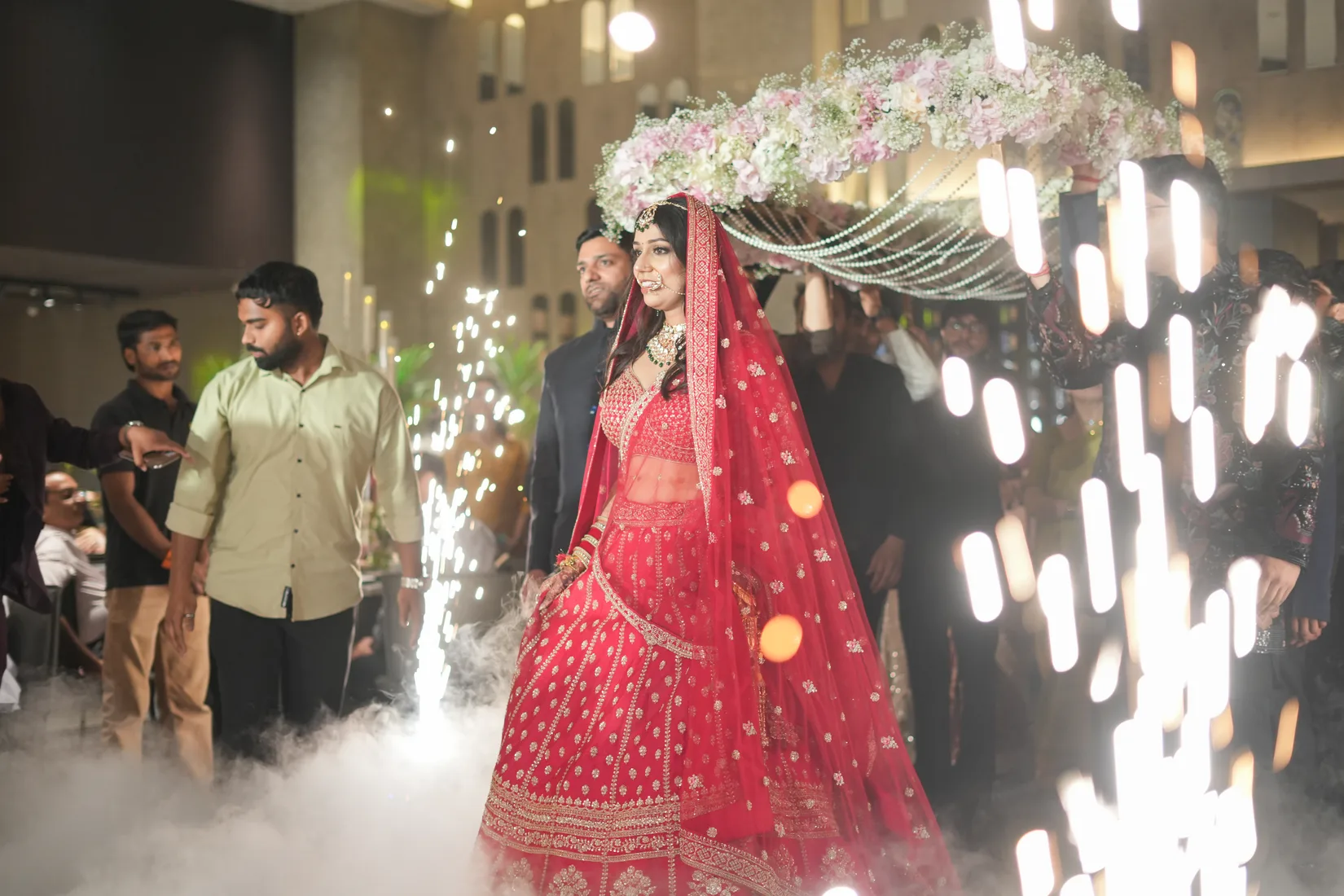
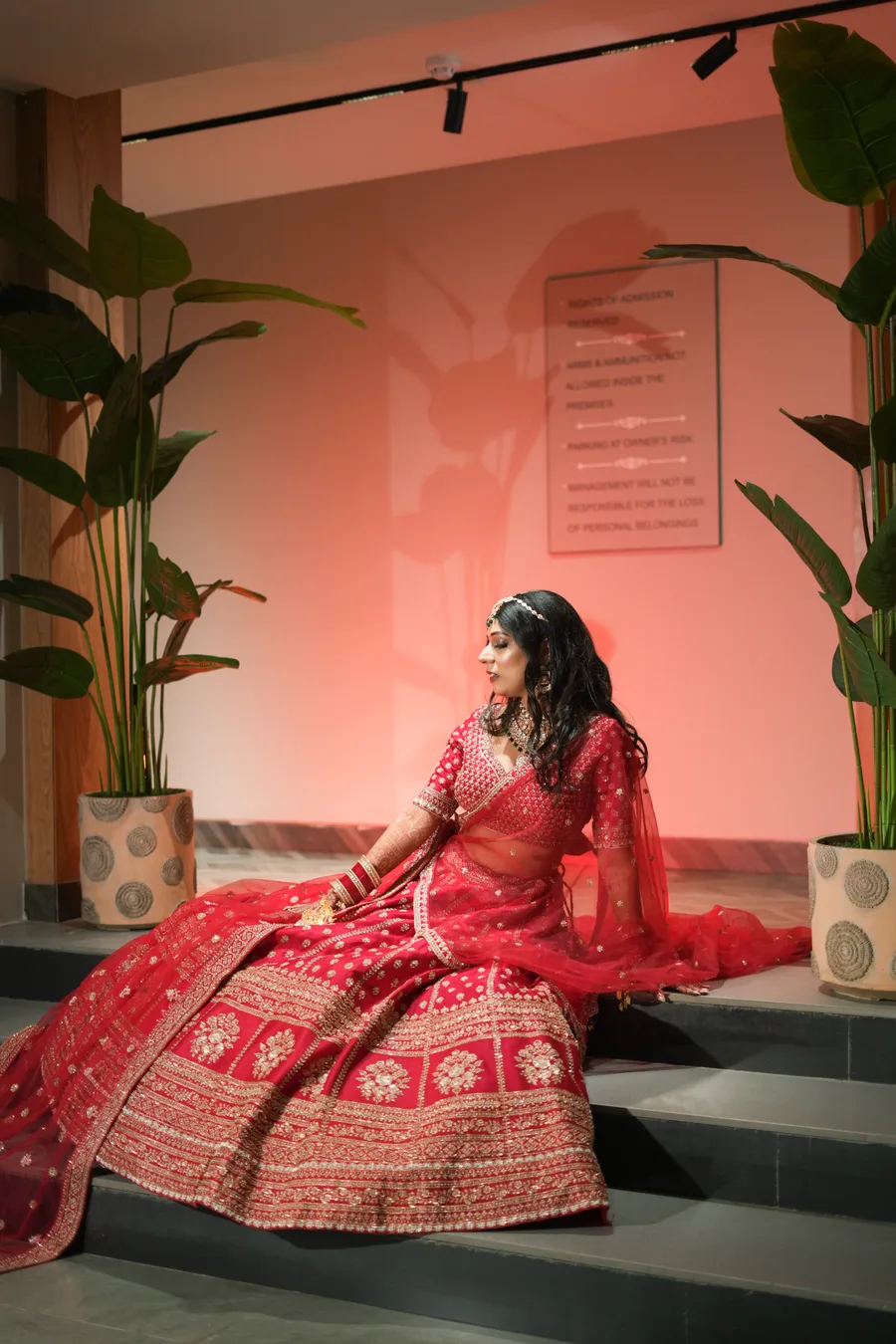
Getting-ready photographs capture the nervous energy, joy, and transformation before your wedding. Learn how to create a backdrop and routine that photographs beautifully on the day.
The Art of Getting-Ready Photography
Getting-ready photographs are often overlooked until couples review their wedding album and realise how much heart lives in these images. These are the pictures of your mother fastening your necklace, your bridesmaids adjusting your lehenga, makeup artists focusing intensely as they define your eyes, your father entering the room with pride and emotion welling up. Unlike formal portraits or ceremony moments, getting-ready images are inherently candid—they capture the slow, intimate transformation that happens behind closed doors.
For Indian weddings, where the getting-ready period often stretches across three to four hours with multiple people involved, there's an entire emotional arc to photograph: anticipation, laughter, last-minute adjustments, quiet moments of self-reflection, and the final reveal of the bride in full attire. Photographers trained in getting-ready documentation know that these hours yield some of the most genuine, tear-inducing images in your wedding album. Your expression as you first see yourself fully ready, your siblings' reactions, the way your mother smooths an imaginary wrinkle from your chuni—these moments are precious precisely because they're unrepeatable and unguarded.
Preparing Your Getting-Ready Space for Photography
The location where you dress is crucial. Ideally, choose a room with ample natural light—a bedroom with large windows, a suite with good indirect sunlight, or a space where your photographer can position you strategically. Avoid harsh, direct overhead lights that cast unflattering shadows on faces and fabric. If natural light is limited, your photographer may bring portable reflectors or softboxes; discuss this in advance.
Colour coordination helps. If you're wearing a red lehenga, a neutral background (cream walls, natural wood, soft furnishings) lets you shine. Avoid overly trendy, photogenic rooms that feel impersonal; your getting-ready photographs should feel like your space. Many couples hire a room in their venue's bridal suite or use a hotel room; these often photograph beautifully because they're designed with light and aesthetics in mind. Minimise phone notifications and digital clutter visible in the background—unplug chargers, tuck away suitcases, close laptop lids.
Curating Your Getting-Ready Timeline
Work backward from your ceremony time to allocate realistic hours for getting-ready photography. Typically, hair alone takes 45 minutes to an hour, makeup another 45 minutes to an hour, and dressing (including mehndi touchups, jewellery, final adjustments) another 30–45 minutes. This means your photographer should arrive two to two-and-a-half hours before the ceremony begins. Many photographers arrive earlier to capture the 'pre-getting-ready' moments: you in your robe or casual clothes, the first makeup application, the nervous energy before transformation truly begins.
Communicate your comfort level to your photographer beforehand. Some couples want comprehensive coverage of every moment, including makeup in progress and hair being styled. Others prefer the photographer to enter once they're partially ready, skipping the vulnerable early stages. Clarify whether you want close-ups of jewellery, henna, or intricate embroidery, or if you'd prefer wider shots showing you alongside your mother or bridesmaids. This conversation shapes the photographer's approach and ensures the images match your vision.
The Details Worth Capturing
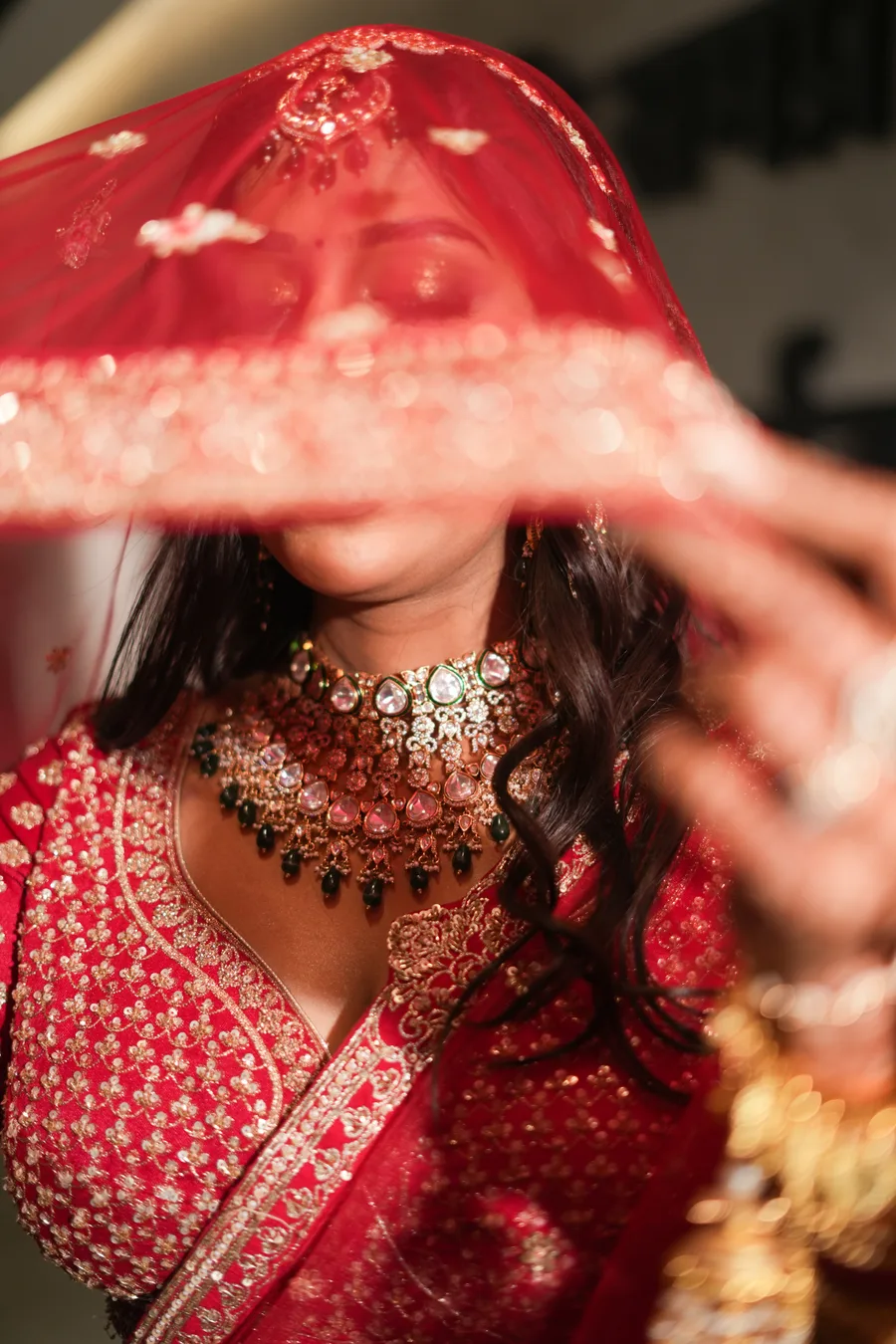
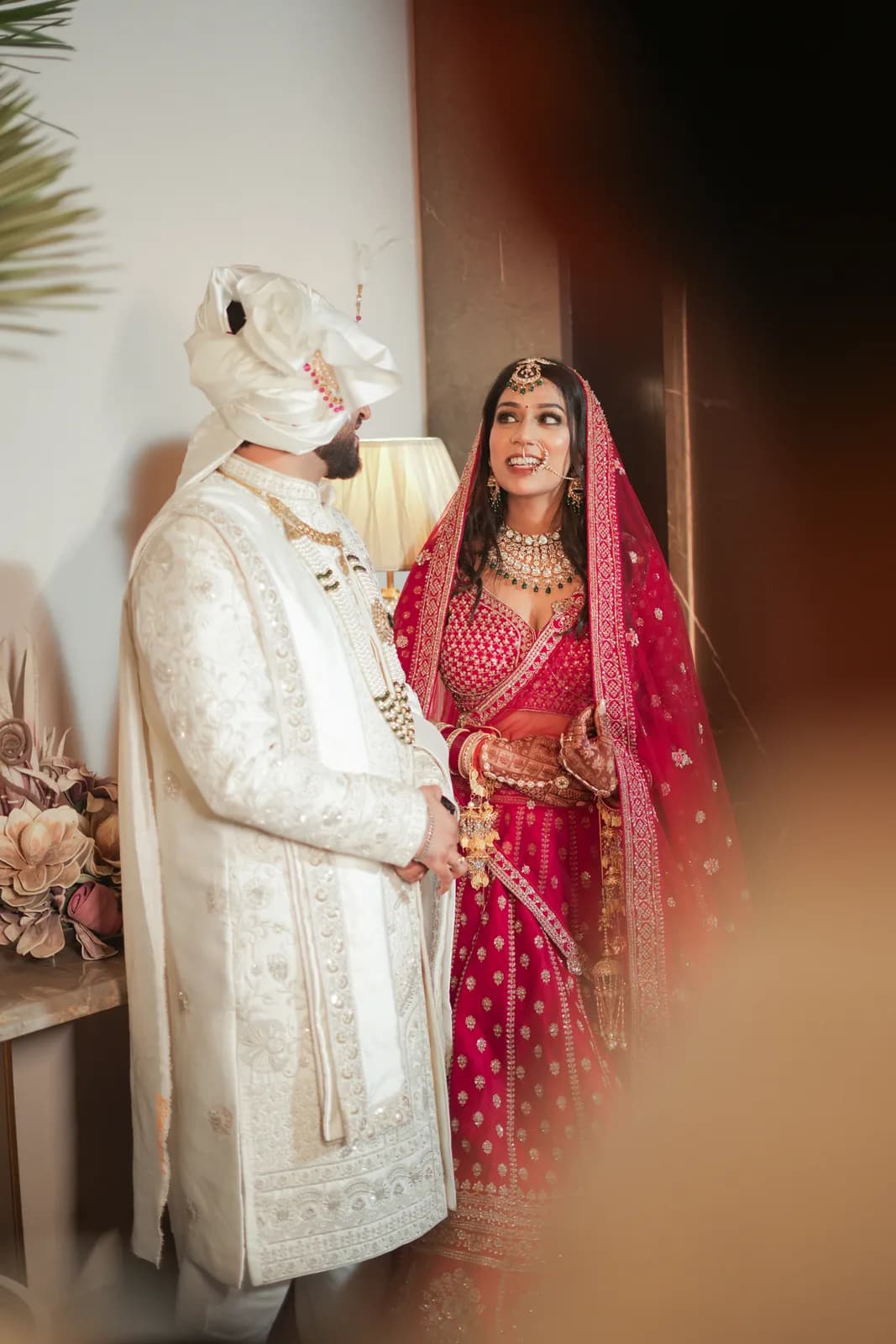
Your outfit holds stories: the embroidery on your lehenga, the weight of your jewellery, the shoes you've chosen. Getting-ready photographs can isolate these details beautifully. Your photographer should capture your rings, your nose ring if you're wearing one, the drape of your dupatta, the intricacy of your mehndi, your bangles stacked on your wrists. For male partners, details matter equally—the sherwani embroidery, cufflinks, the groom's turban being wrapped, or the careful tying of a pagri.
Equally important are the people-centred details: hands adjusting your outfit, someone wiping away emotional tears as you're almost ready, your father's hand on your shoulder, siblings plaiting each other's hair, your mother watching you in the mirror with pride. Ask your photographer to capture moments of connection between you and specific people—not posed, but natural interactions that reveal relationship dynamics. When your grandmother sees you in full bridal attire for the first time, when your best friend adjusts your necklace, when your sibling roots through jewellery to find a missing earring—these are the moments that humanise your wedding.
Avoiding Common Getting-Ready Photography Mistakes
One mistake is packing too many people into the getting-ready space. Every uncle, aunt, cousin, and family friend wanting to be present creates visual chaos and makes genuine moments harder to capture. Designate who will be present during getting-ready: perhaps your mother, a sibling, closest bridesmaids, and the photographer. Another mistake is over-directing. Some couples and their families try to 'pose' the photographer into capturing specific moments, which strips the authenticity.
Technical mistakes include poor lighting decisions—closing curtains because you think bright sunlight is unflattering, or relying on fluorescent bathroom lights for makeup photography. Discuss lighting with your photographer beforehand; they'll advise whether to work with natural light, supplement with reflectors, or position you strategically. A final mistake is rushing. Getting-ready photography thrives when there's unhurried time; if you're running late or stressed, it shows. Build buffer time into your schedule and allow your photographer space to capture moments without feeling rushed.