Golden hour light is prised for its soft, flattering glow and warm tones. Learn when golden hour occurs, how to build it into your timeline, and why couple shoots benefit most.
What Golden Hour Is and Why Photographers Prioritise It
Golden hour is the period shortly after sunrise or before sunset when the sun is low on the horizon, casting long, warm-toned light across the landscape. The light is soft and diffused—the sun's rays travel through more atmosphere, scattering blue wavelengths and emphasising warm golds, oranges, and honeyed hues. This creates a flattering, romantic quality that's almost impossible to replicate with artificial lighting. The light is also directional, creating dimensional shadows and highlighting textures in ways that midday sun cannot.
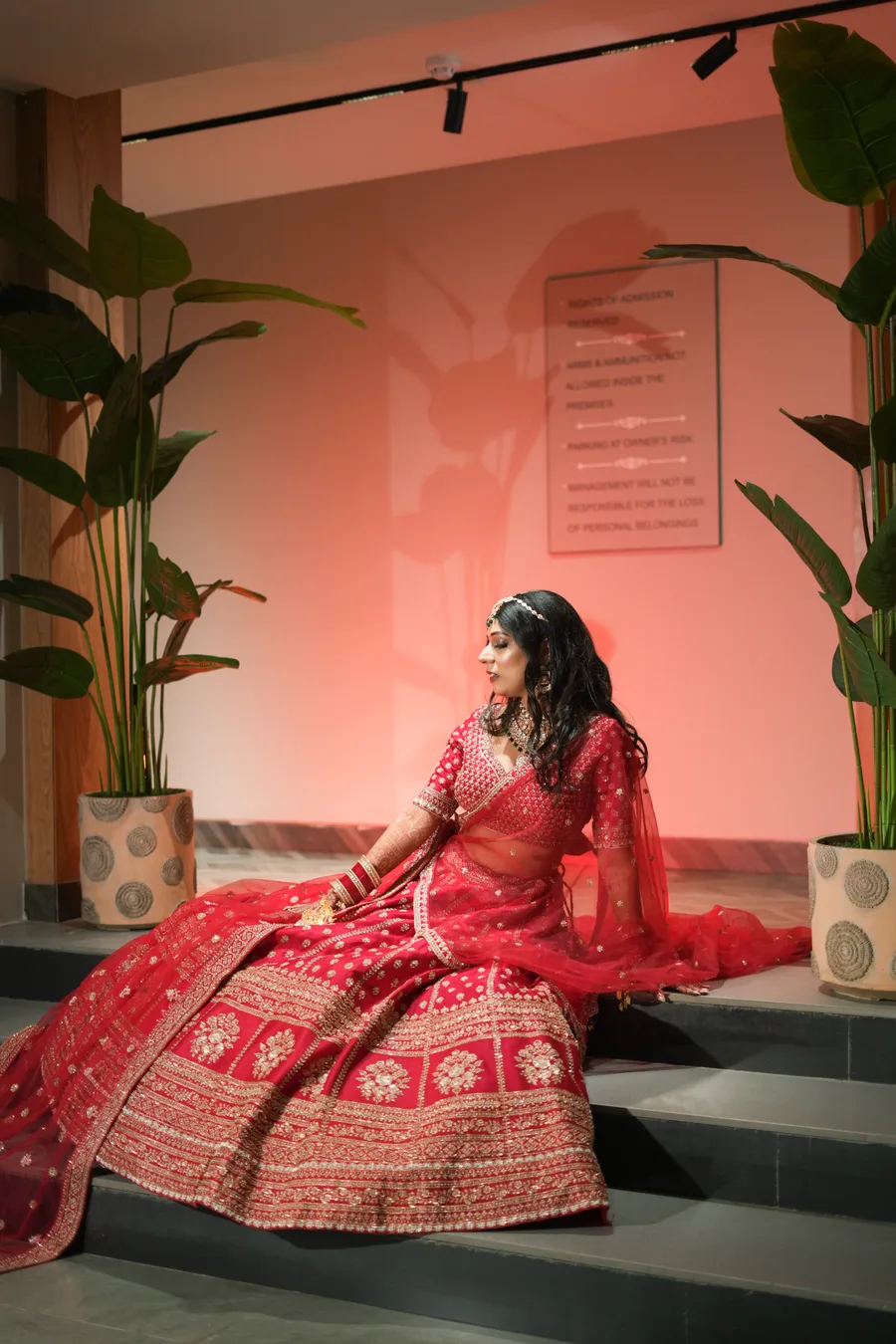
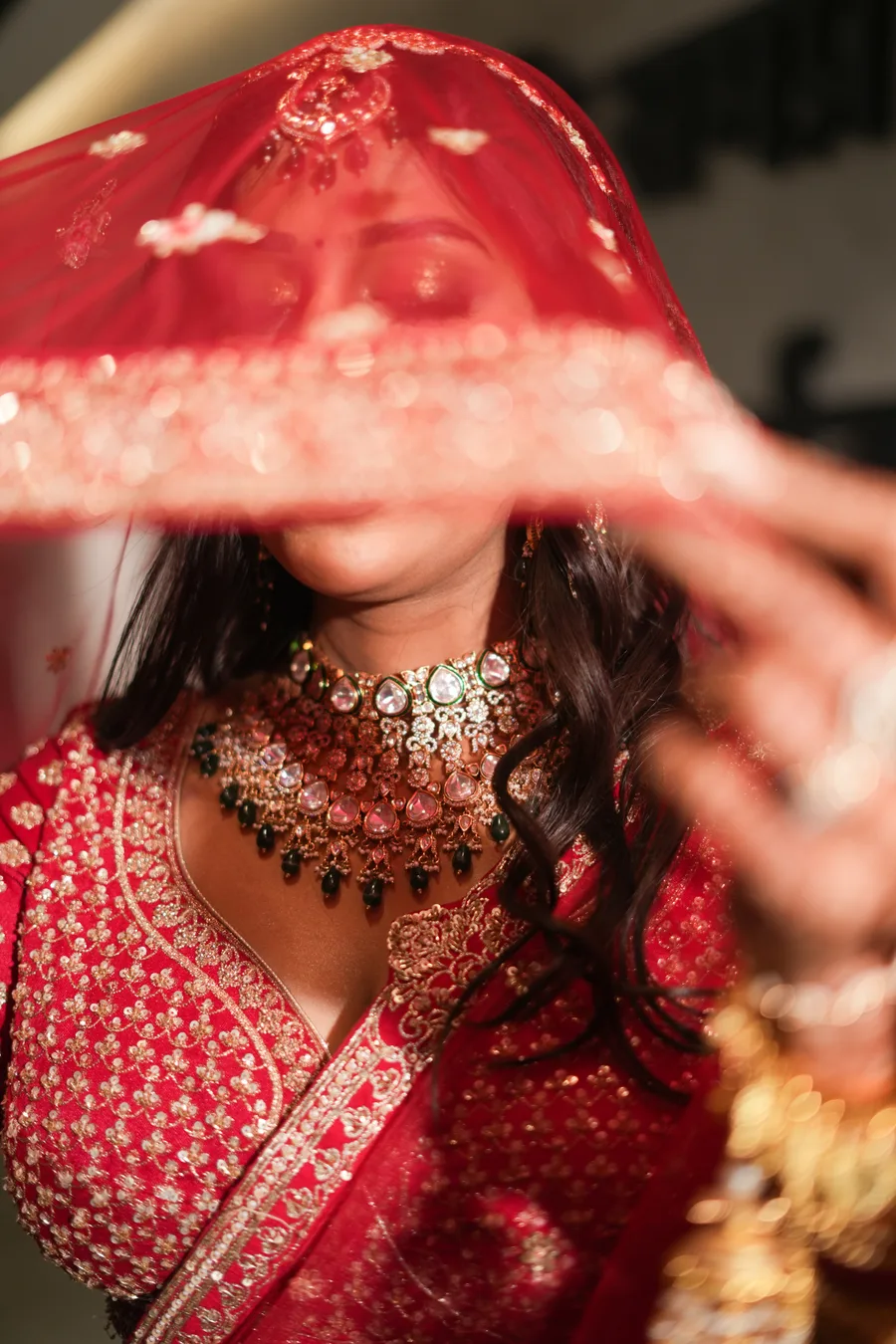
For photographers, golden hour is often considered the most beautiful natural light of the day, particularly for wedding photography where romance and beauty matter as much as documentation. For Indian weddings, golden hour photography has become increasingly important because many ceremonies have shifted to late afternoon or early evening timings. The warmth and softness of golden hour light is particularly flattering for photography; skin looks luminous, jewellery glows, fabrics appear rich and luxurious, and backgrounds take on a dreamy quality.
Understanding Golden Hour Timing for Your Wedding Location
Golden hour varies depending on geographic location, time of year, and latitude. In Delhi during winter, golden hour might occur around 4:30–5:30 PM; in summer, it might extend until 7:30 PM or later. In South India, near the equator, golden hour windows are shorter and occur at relatively consistent times year-round. If you're having a destination wedding, research golden hour timing for that specific location and season; it's one of the most important planning details photographers consider.
Planning your wedding timeline around golden hour requires conversation between you, your planner, and your photographer. If you want a dedicated couple shoot during golden hour, you need a gap in your schedule—typically 30–45 minutes when you're available for photographs and at a location with good backgrounds. Discussing these options with your photographer helps identify the most feasible timing for your day.
Why Couple Shoots Thrive in Golden Hour
A couple shoot is a dedicated photography session with just the bride, groom, and photographer (and sometimes a videographer), typically lasting 30–60 minutes. Golden hour couple shoots are particularly special because the light is so flattering and romantic that even couples who hate posing often feel comfortable and actually enjoy the experience. The light does a lot of the work; your photographer doesn't need to use complex studio lighting or reflectors to create beautiful images—they're simply utilising the best natural light of the day.
The logistical advantage of a golden hour couple shoot is that it's predictable. You know the light will be warm, soft, and gorgeous. You're not racing against fading light or waiting for light to improve. For Indian couples who sometimes feel self-conscious being photographed alone, a dedicated couple shoot provides a container where intimacy between partners is the entire focus. The romantic golden light often helps couples feel less awkward and more connected.
Locations and Backgrounds That Maximise Golden Hour
Golden hour light transforms any location into something beautiful, but certain backgrounds are particularly enhanced. A sunset over open landscape—gardens, fields, water—becomes spectacular; the low angle of sun creates silhouettes and backlighting opportunities. Tree-lined paths become tunnel-like and romantic, with light filtering through leaves in warm, dappled patterns. Architecture—historic buildings, monuments, palace facades—is beautifully sidelit during golden hour, emphasising texture and drama.
For Indian weddings, photogenic golden hour locations include old city areas with architectural character, water bodies (lakes, rivers, or decorated pools), gardens (particularly those with lush greenery that glows in golden light), and rooftop or elevated venues where you can see the broader landscape as backdrop. Having identified 1–2 locations during your venue tour that would work for a golden hour couple shoot helps your photographer prepare.
Preparing for Your Golden Hour Shoot
Once you've scheduled a couple shoot during golden hour, confirm timing with your photographer—exactly what time will they expect you to be ready, and how long should you allot? Discuss outfit changes; some couples do their couple shoot in their wedding outfits, creating continuity with the ceremonial look. Others change into something different, a 'second outfit' that might feel more comfortable for movement and photography. If you're changing, ensure outfits are pre-positioned at the couple-shoot location or nearby.
Discuss with your photographer what to expect. Will they mostly direct poses, or will they capture candid moments as you interact? Be honest about your comfort level; if you hate posed photography, tell your photographer, and they can adjust their approach. Bring water, touch-up makeup if needed, and comfortable shoes if you'll be walking across terrain. Most importantly, show up with genuine connection to each other; the best couple shoot images capture real affection, not performative posing. A skilled photographer can create stunning images at any time of day, though if golden hour is important to your vision, discussing timing and location helps them deliver beautiful couple photographs that align with your preferences.