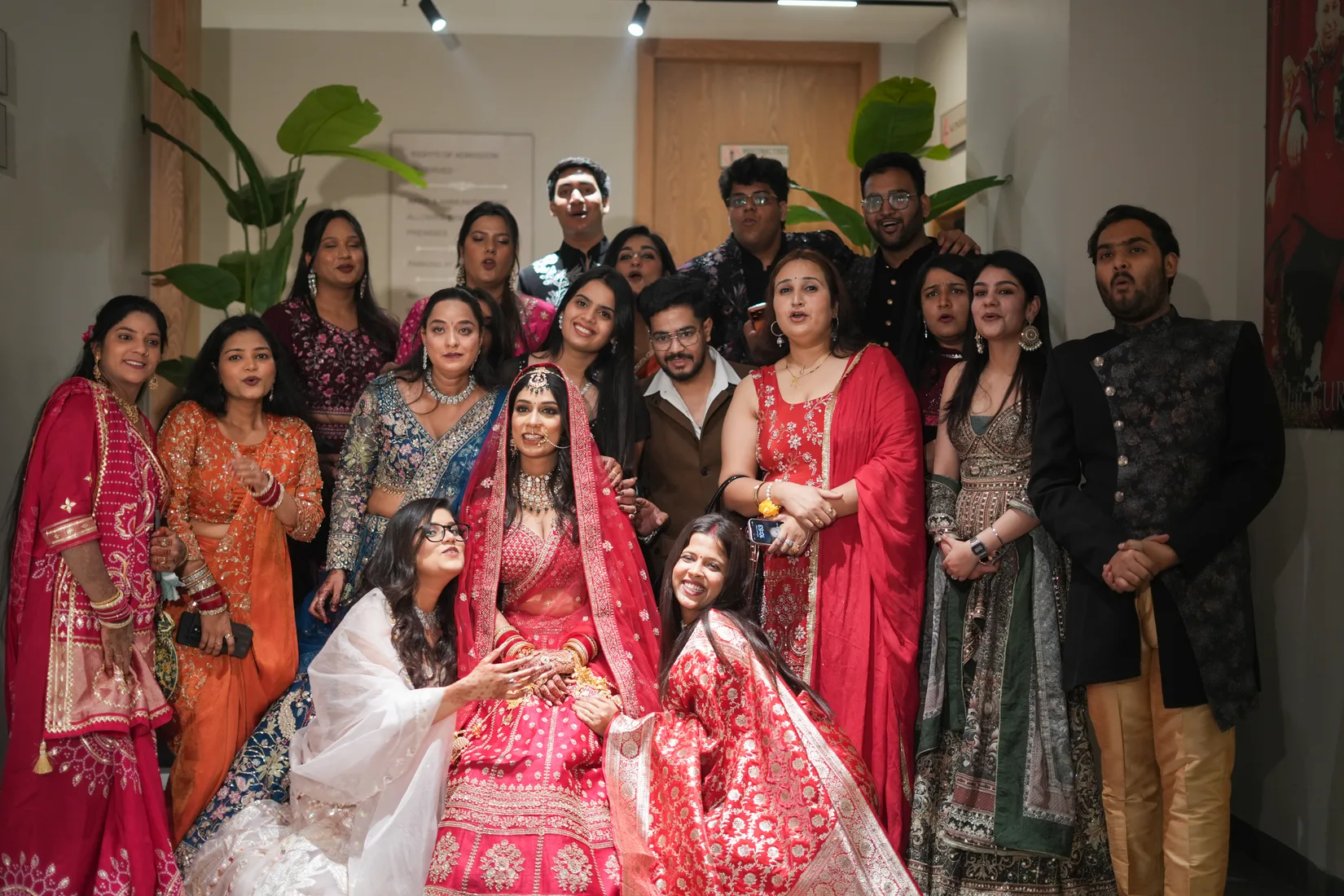
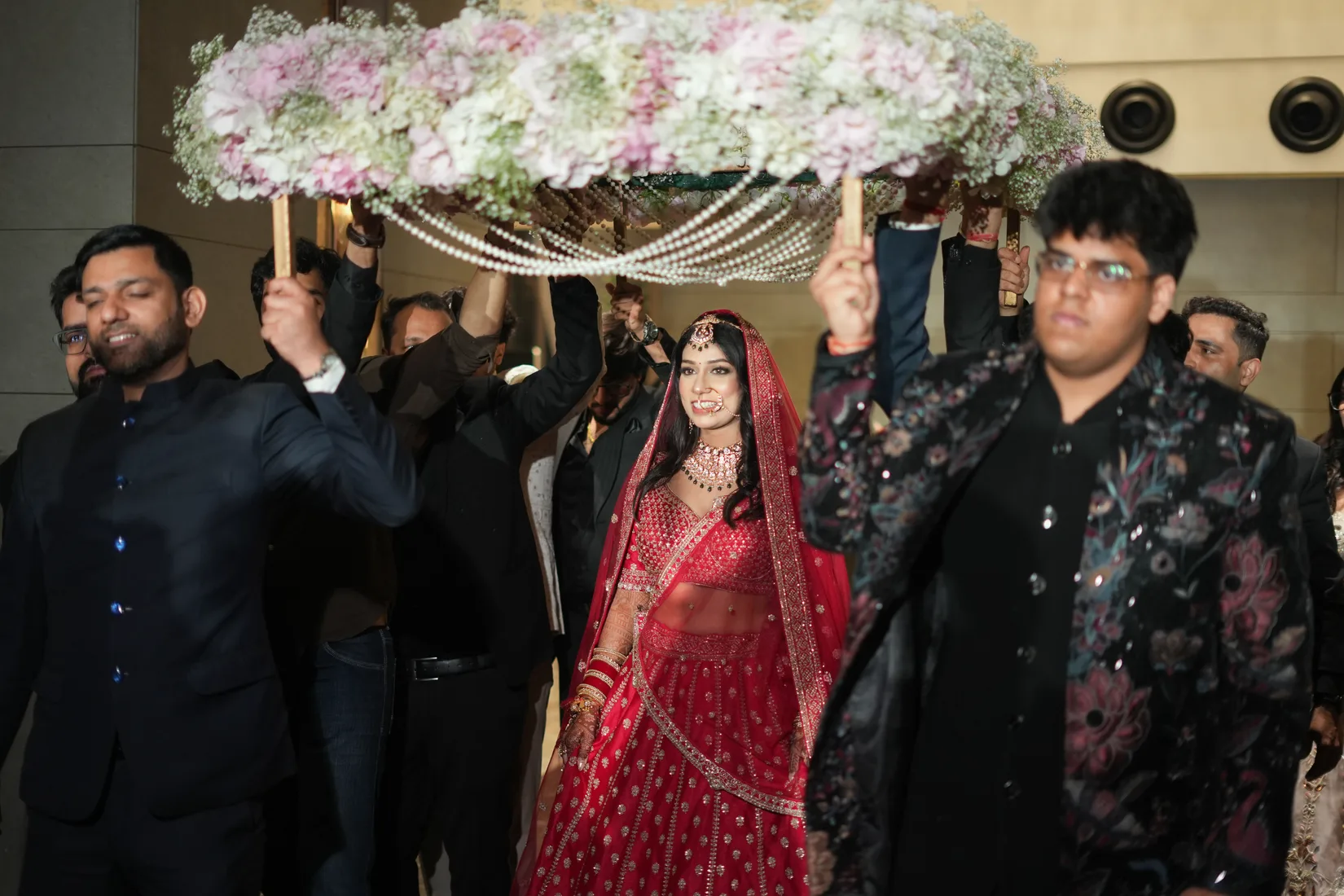
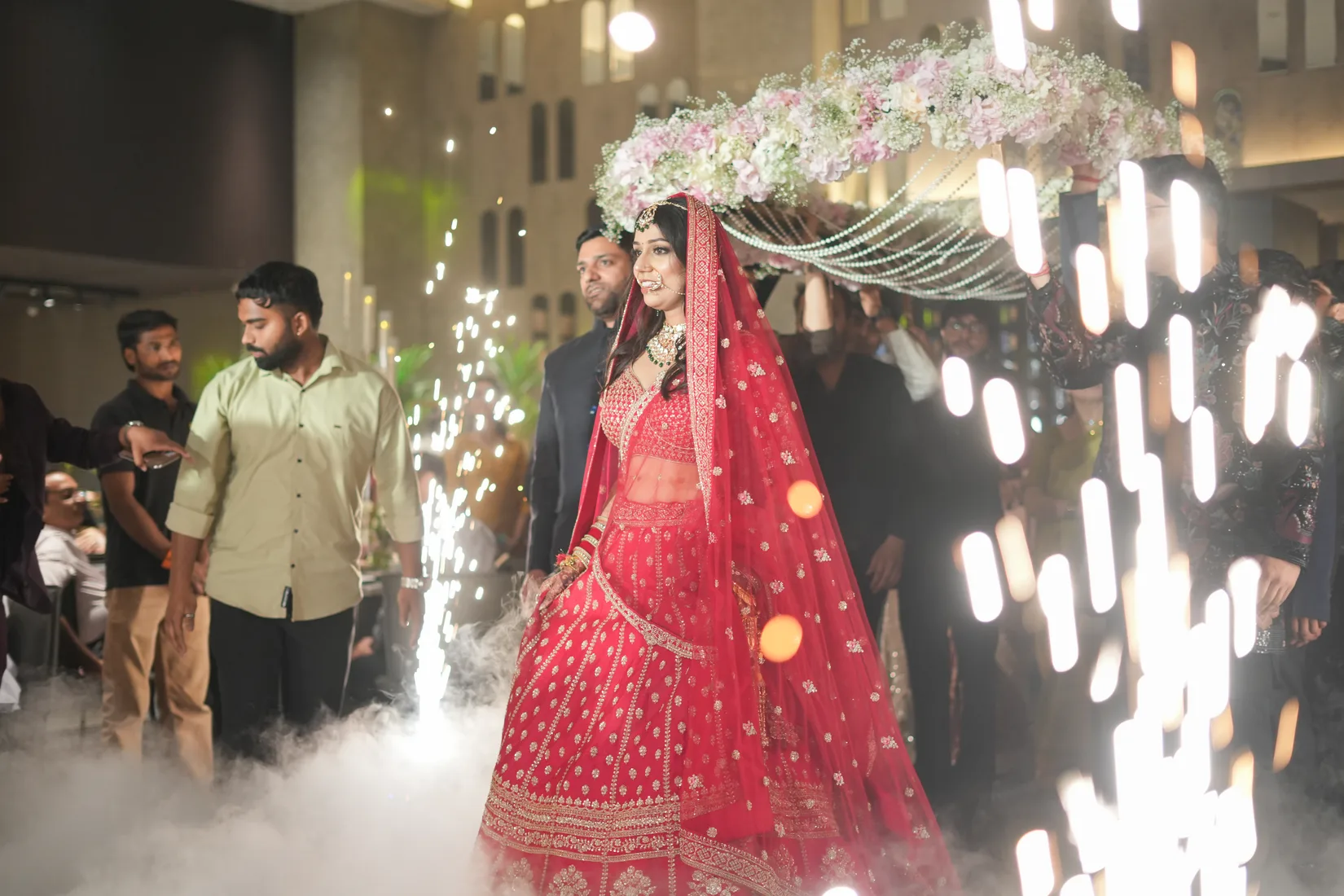
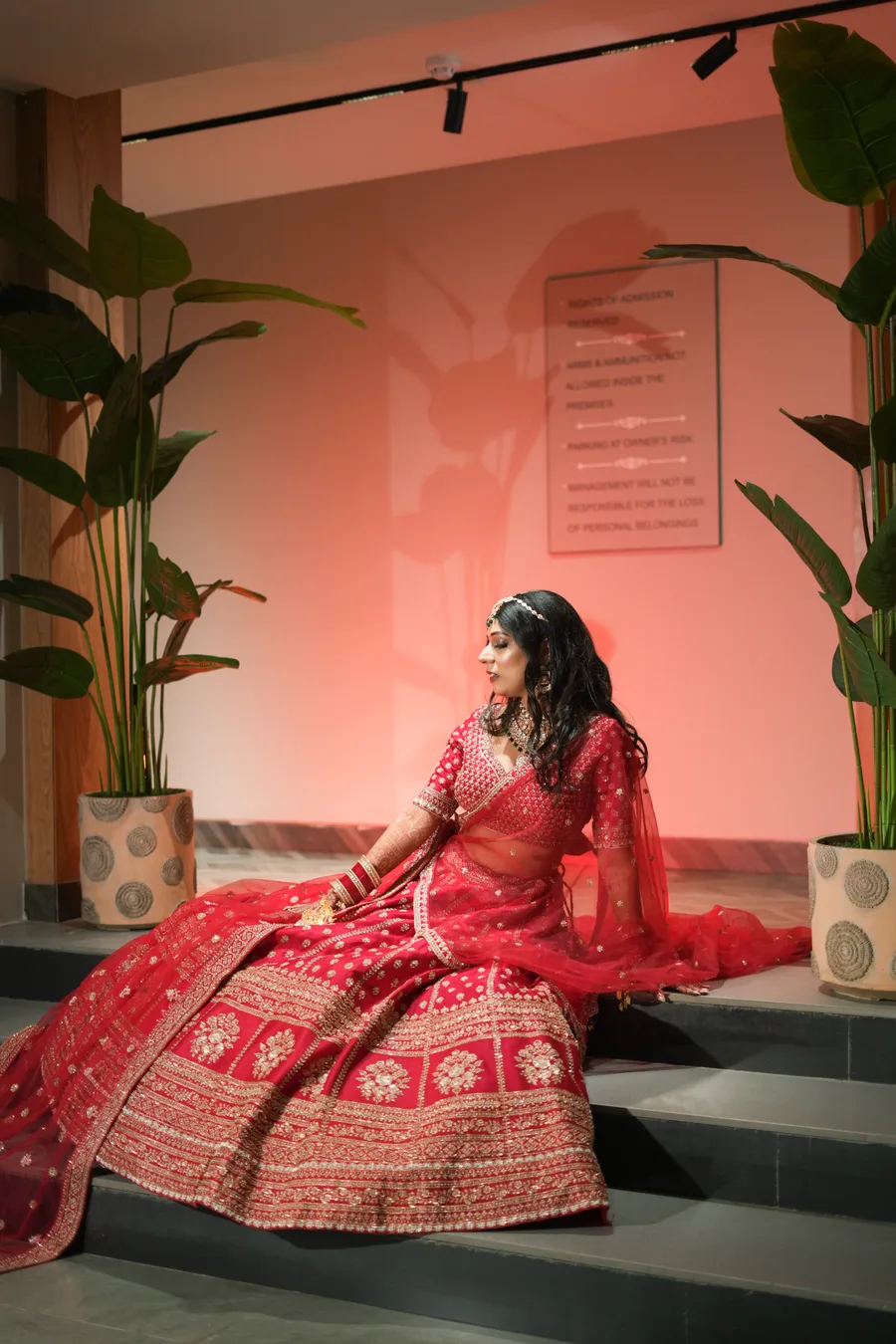
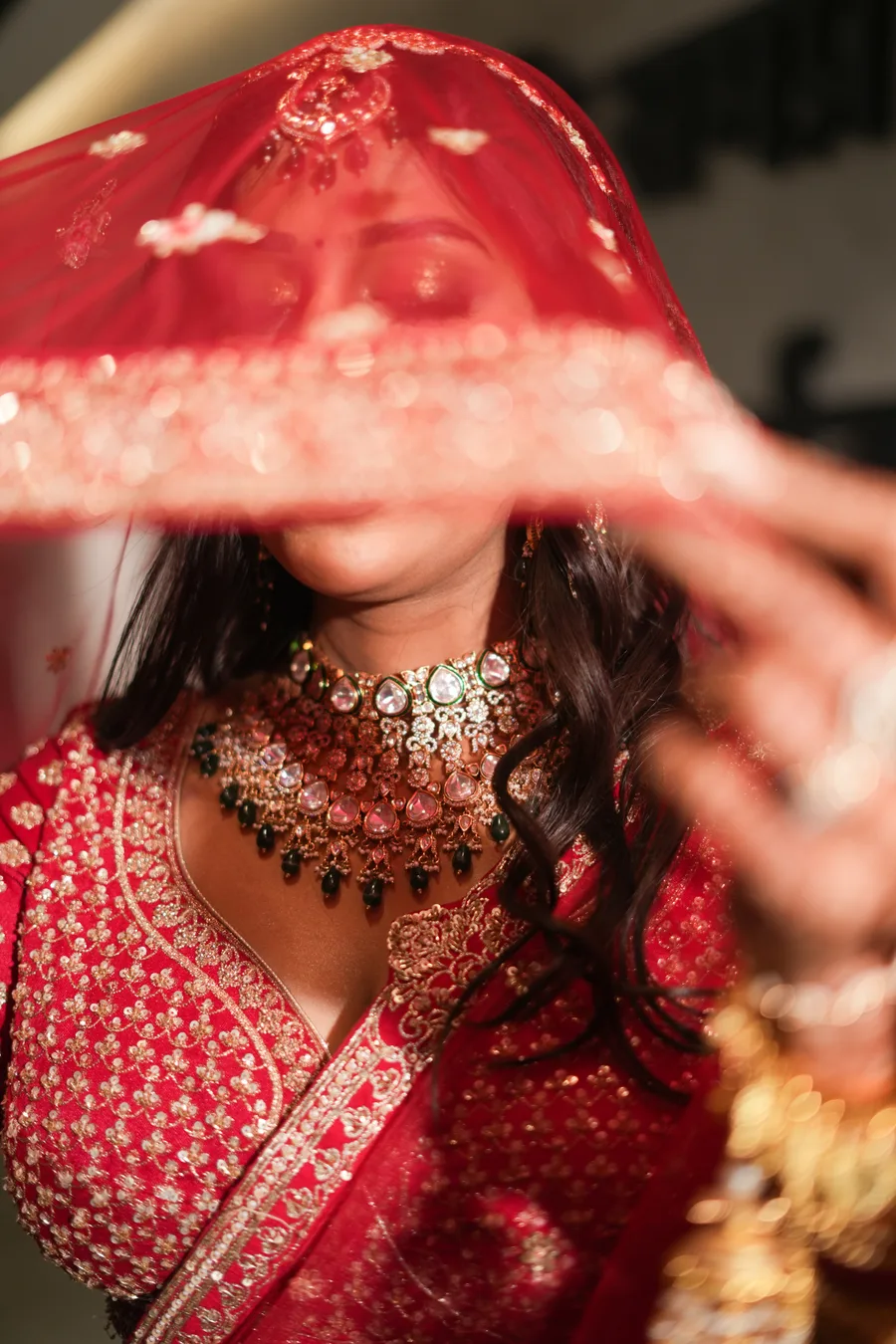

The haldi ceremony embodies joy, mess, and intimate family connection—a photographer's challenge and gift. Learn how to capture this vibrant ritual authentically without becoming an intrusion.
Why Haldi Ceremonies Demand Specific Photographic Understanding
The haldi ceremony is fundamentally different from other wedding events. It's not staged for the camera; it's a ritual and social gathering that's been happening in Indian families for generations, long before wedding photography existed. A photographer covering haldi isn't documenting a performance—they're witnessing and recording an intimate family moment that happens to include the bride. The best haldi photography captures genuine joy, mess, chaos, and connection authentically, without making the event feel self-conscious or interrupting its flow.
Haldi ceremony photography requires understanding the event's cultural and emotional significance beyond aesthetics. The turmeric paste isn't just yellow pigment; it's tradition and blessing. The relatives applying it aren't just extras; they're expressing affection and good wishes in tangible form. The bride's mixed emotions—excitement, nervousness, bittersweet awareness of transition—are woven through the event. A photographer who appreciates this depth captures images that feel meaningful to your family, not just visually striking to outsiders.
Technical Challenges Specific to Haldi Environments
Haldi ceremonies happen in homes, courtyards, or marriage halls filled with natural light, tungsten light, or a chaotic mix of both. Exposure metering becomes complex; white balance shifts constantly. Guests wear bright reds, golds, and ornate jewellery that reflect light unpredictably. The bride's face and sari, central to composition, must be properly exposed even when surrounded by bright yellows and gold elements that throw metering off.
Your photographer needs fast lenses (f/2.8 or wider), excellent white-balance handling, and the skill to metre for skin tone while managing complex backgrounds. Ask whether they have experience shooting in similarly challenging domestic environments and how they handle tungsten lighting without making skin tones look sallow or orange. Do they shoot in manual mode for consistent exposure across varied light, or do they use aperture priority with exposure compensation? These technical specifics matter more than fancy equipment—a skilled photographer with good glass produces better haldi images than someone with expensive gear but limited experience in these conditions.
Balancing Documentation with Cultural Respect
Haldi is intimate, often women-centric (though not exclusively), and deeply familial. Your photographer should understand that their role is to document, not to direct. They shouldn't rearrange family members for better composition or ask people to repeat moments for the camera. Genuine haldi moments are unrepeatable—the actual laughter, the authentic affection, the real mess—and directing kills authenticity instantly.
This means your photographer needs to be sufficiently skilled to work intuitively, anticipating moments rather than requiring them to happen twice. It means positioning themselves carefully to avoid disrupting the event's natural flow. It means sometimes stepping back entirely and letting moments unfold without a camera intruding. Ask your photographer how they've navigated similarly intimate moments in past celebrations and whether they have a philosophy about when to shoot actively versus when to hold back. Their answers reveal whether they're respectful participants or intrusive tourists in your ceremony.
Timing and Positioning for Maximum Authenticity
The best haldi photographs often happen early in the ceremony when guests are less aware of the camera and more engaged with each other. As the ceremony progresses, people become self-conscious and interactions become more performed. A photographer who arrives early, positions themselves unobtrusively, and works steadily throughout the first hour often captures more genuine material than one who shows up halfway through and tries to catch the 'best moments.'
Discuss positioning explicitly with your photographer before the event. Will they position themselves from one angle or move throughout the space? How close will they get to the bride? How will they handle moments when it's inappropriate to photograph—changing clothes, private conversations, bathroom breaks? The more explicit these conversations are beforehand, the less awkward they'll be during the event. Also discuss: will they use external flash or work with ambient light only? Flash can disrupt intimate moments and creates harsh shadows in home settings. Most skilled haldi photographers work with available light plus fast lenses, letting the event's natural atmosphere dictate the visual tone.
Capturing Emotion Beyond the Traditional Tropes
Haldi photography often defaults to obvious shots: bride covered in paste, bride laughing, bride with mother. While these moments matter, the most memorable haldi images often capture subtler emotional beats: the aunt making a joke only family gets; the grandmother's proud expression; the bride's moment of quiet reflection between celebrations; the younger cousins learning to apply haldi from elders. These moments are smaller, require patience to anticipate, and reward photographers who understand that emotion isn't always big and obvious.
Ask your photographer how they approach capturing the emotional nuance of events, not just the visual spectacle. Do they notice and photograph quiet moments? Are they comfortable with images that are slightly less 'perfect' compositionally if they capture genuine emotion? The best haldi photographers deliver a mix: some beautifully composed images of the bride, certainly, but also a collection of smaller, more intimate moments that family members will treasure because they recognise themselves and their actual relationships in them.
Delivering a Meaningful Haldi Photography Collection
Clarify with your photographer how many images you'll receive, when you'll receive them, and what editing style they apply. Will images be colour-corrected only, or will they apply a consistent edit that changes the mood? Haldi images in particular benefit from faithful colour rendering—the yellows and golds matter culturally. Overly processed or filtered images can feel false. Ask whether they'll deliver raw files or edited JPEGs, and whether you'll receive downloadable digital files or a printed album.
The haldi ceremony, more than perhaps any other wedding event, deserves a photographer who genuinely understands and respects its significance. If you're searching for someone who'll capture your haldi celebration with both technical skill and cultural sensitivity—who'll document joy and chaos honestly without becoming an intrusion—we'd love to discuss your vision. Get in touch, and let's talk through how to preserve these intimate, meaningful moments authentically for your family's memory.