Heritage havelis offer centuries of character, ornate detail, and authentic atmosphere. Discover how to photograph these storied venues and honour their architectural soul while capturing modern celebrations.
The Soul of a Haveli: Architecture Meets Celebration
A haveli—a traditional mansion with inner courtyards, ornate facades, carved stone or wooden elements, and a layered, intricate aesthetic—presents one of the most photographically rewarding environments for a wedding. These structures, often 100 to 300 years old, carry history, texture, and authentic character that no amount of decoration can replicate. A celebration within a haveli doesn't require creating atmosphere; it requires honouring an atmosphere that already exists.
Heritage havelis exist across India—in Old Delhi, Jaipur, Udaipur, Varanasi, and smaller historic cities—and each has its own architectural language. A North Indian haveli might feature latticed screens (jali work), inner courtyards open to sky, narrow passages, and rooms of varying scales. A Rajasthani haveli is often grander, with more elaborate stone carving and larger courtyards. A Gujarati haveli has its own distinct proportions and ornamentation. Regardless of regional variation, havelis share characteristics that matter for photography: multiple distinct spaces that create visual variety, layered light and shadow from ornate architectural elements, warm stone and wood tones, and an inherent sense of occasion that makes even candid moments feel significant. The challenge for a photographer is capturing this architectural soul while simultaneously documenting the modern celebration happening within it. The haveli itself is part of the story; neglecting the architecture diminishes the images, but overemphasising it at the expense of the people does the same.
Warm, Textured Light in Historic Spaces
Havelis were built before electricity, designed for natural light filtered through specific openings—jali screens, high windows, roofed courtyards. Modern havelis used for events often have added electric light, but the primary light source remains either natural daylight or the warm tungsten bulbs that fill and supplement the spaces. This lighting environment is inherently warm and textured, which is one of the haveli's greatest photographic gifts.
The warm stone and warm light create a cohesive, sepia-toned aesthetic that feels intimate and timeless, regardless of the couple's modern clothes or contemporary celebrations. Rather than fighting this warmth with neutral white balance or cool tones, embrace it and enhance it in post-processing. A haveli photograph that leans warm—not jaundiced or orange, but genuinely warm with depth—feels authentic to the space. The interplay of light and shadow created by carved screens, columns, and ornate architectural elements creates texture in the background; even a blurred background in a haveli portrait isn't blank, it's rich with architectural suggestion. This means you can shoot at wider apertures without losing visual interest in the background—an f/2.8 portrait might still show hints of carved stone or decorative screens behind the couple, giving context without distraction. The indirect nature of much haveli light (filtered through screens, bouncing off carved stone) means exposure is often more forgiving than in bright sunlight or harsh overhead light. Havelis rarely have brutal top-light situations; the light is generally more diffuse and directional, which flatters faces and keeps highlight and shadow in balance. Understanding this inherent quality means you can photograph more naturally within the space rather than constantly supplementing or reshaping light. When you do bring additional light (a small off-camera flash on a modifier, or a subtle reflector fill), it's augmentation rather than rescue, which preserves the authentic mood of the space.
Composing Within Ornate Architectural Frames
The ornate architectural elements of a haveli—jali screens, carved columns, arched doorways, intricate stone railings—are compositional tools. Rather than shooting your subjects against blank spaces, position them within or framed by these architectural elements, which adds visual depth and complexity.
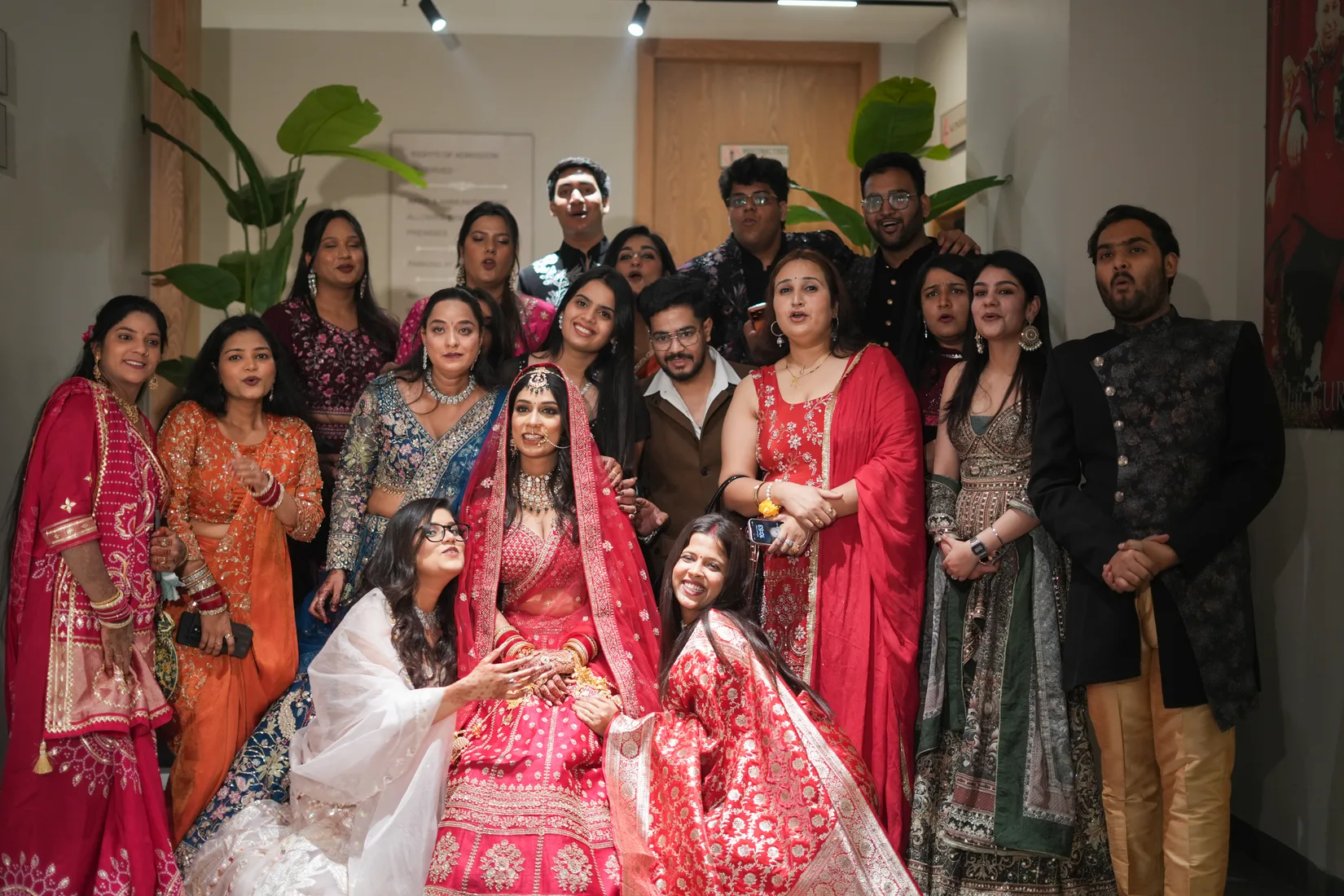
A couple photographed within a jali-screened space gains a subtle latticed pattern in the background that frames them without overpowering them; the pattern is decorative and authentically architectural, not added in post-processing. A portrait taken through a doorway uses the doorframe itself as a compositional border that draws the eye inward and creates depth. A couple posed on a carved stone staircase uses the stairs' lines and patterns as visual structure that supports their positioning and creates a sense of grandeur. When framing group portraits—family members gathered in a courtyard or a multigeneration group in a narrow carved passage—use the architectural elements to create visual containment and interest. Rather than spreading people across blank space, position them where columns, archways, or textured walls create natural boundaries and visual interest. This isn't forced; it's using the architecture the haveli already offers. Some of the most striking haveli photographs place the couple or groups within architectural 'frames' that feel organic to the space—a couple visible through an arched doorway in the foreground (out of focus), another doorway or courtyard in the background (also soft), creating depth and layering through architecture alone. This requires scouting to understand the spaces and then positioning with intention, but the resulting images feel like they belong to the haveli and capture its essence simultaneously with the celebration.
Storytelling Across Multiple Levels and Chambers
A haveli's layout—often multiple stories, interconnected rooms, various sized courtyards and chambers—creates a natural narrative arc for wedding documentation. Rather than a single ceremony space and reception venue, a haveli provides a journey through varied spaces, each with its own light and character.
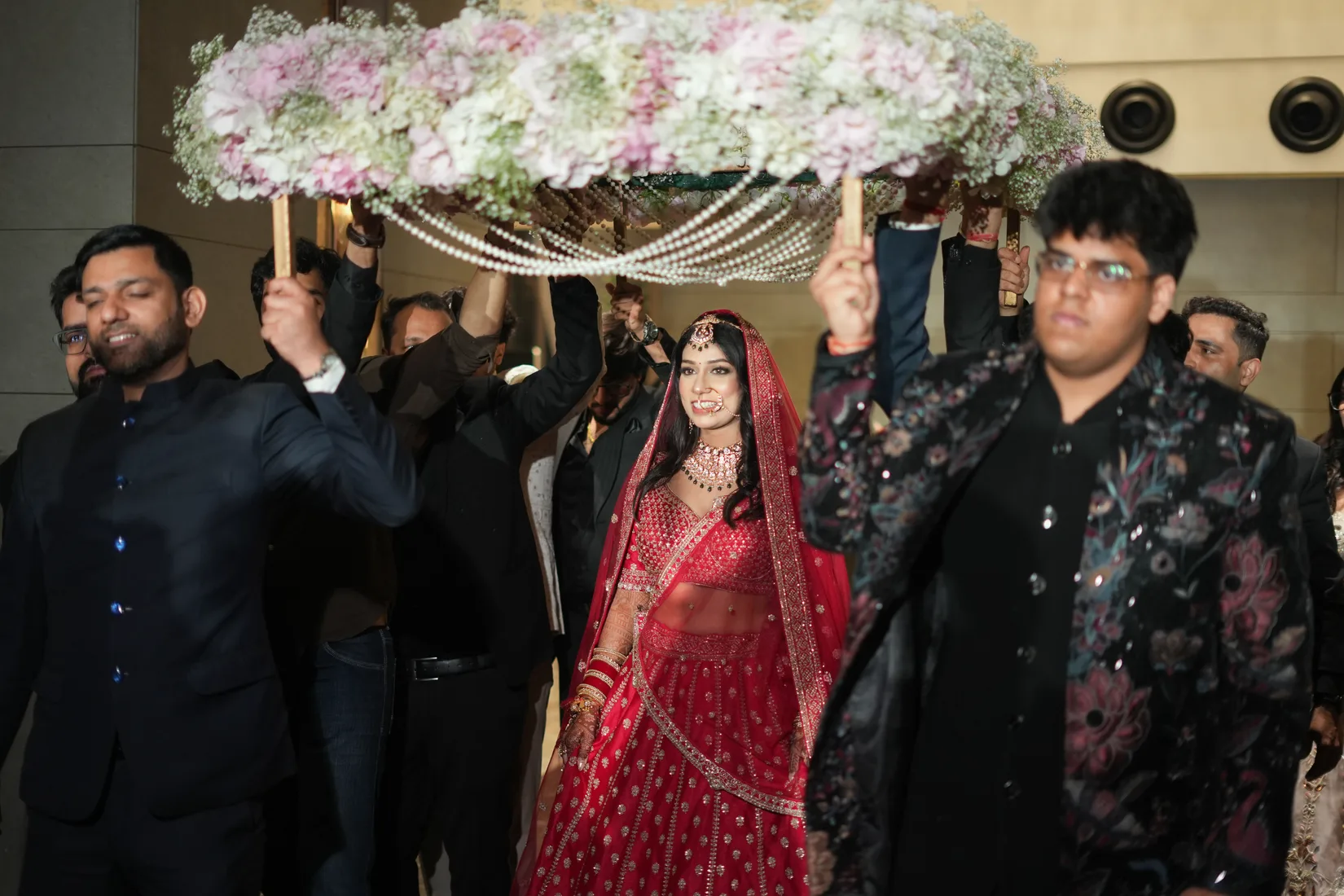
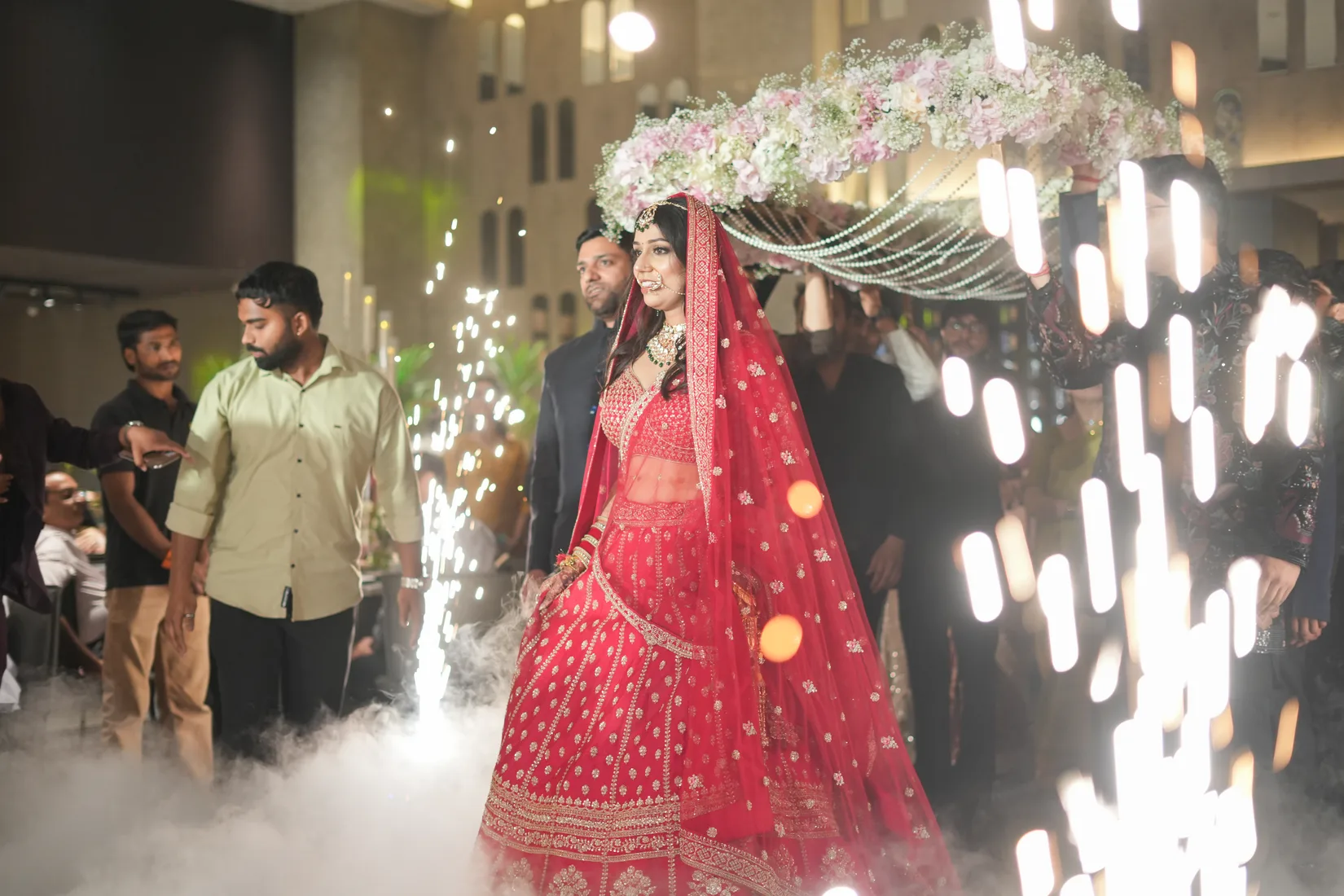
The bride might be dressed in one chamber, walk through passages and courtyards to the ceremony space, which might be in a central courtyard or a particular room. The first dance or dinner might happen in a different courtyard or large room. Each transition is a photographic opportunity; the journey through the haveli becomes part of the story. Photograph the bride walking through the passages toward the ceremony—the light changes as she moves through different spaces, the architecture frames her movement, and the anticipation of arrival is palpable. Photograph guests discovering different rooms or courtyards—the sense of exploration and unfolding is part of destination and historic venue celebrations. Sequence your images not just chronologically but spatially—show the haveli's layout and how people move through it over the course of the day. This creates an album that feels like a journey through a place, not just a series of static moments. The haveli itself, with its multiple chambers and layered spaces, almost guides the narrative; your job is to photograph it in a way that reveals this journey. A family gathering in a narrow courtyard feels different from the same gathering in a grand open space; both moments are valuable because they show different facets of the haveli and the celebration. Don't try to homogenise the spaces or make them feel uniform; let each space have its own aesthetic and feel within the album.
Bridging Heritage and Contemporary Wedding Moments
The aesthetic tension in a haveli wedding is beautiful: ancient, textured spaces hosting modern, affectionate celebrations. A couple in contemporary bridal wear or Western-influenced outfits dancing or laughing within carved stone chambers feels both timeless and of-this-moment. The photography's job is to honour both the heritage and the contemporary, not treat them as conflicting.
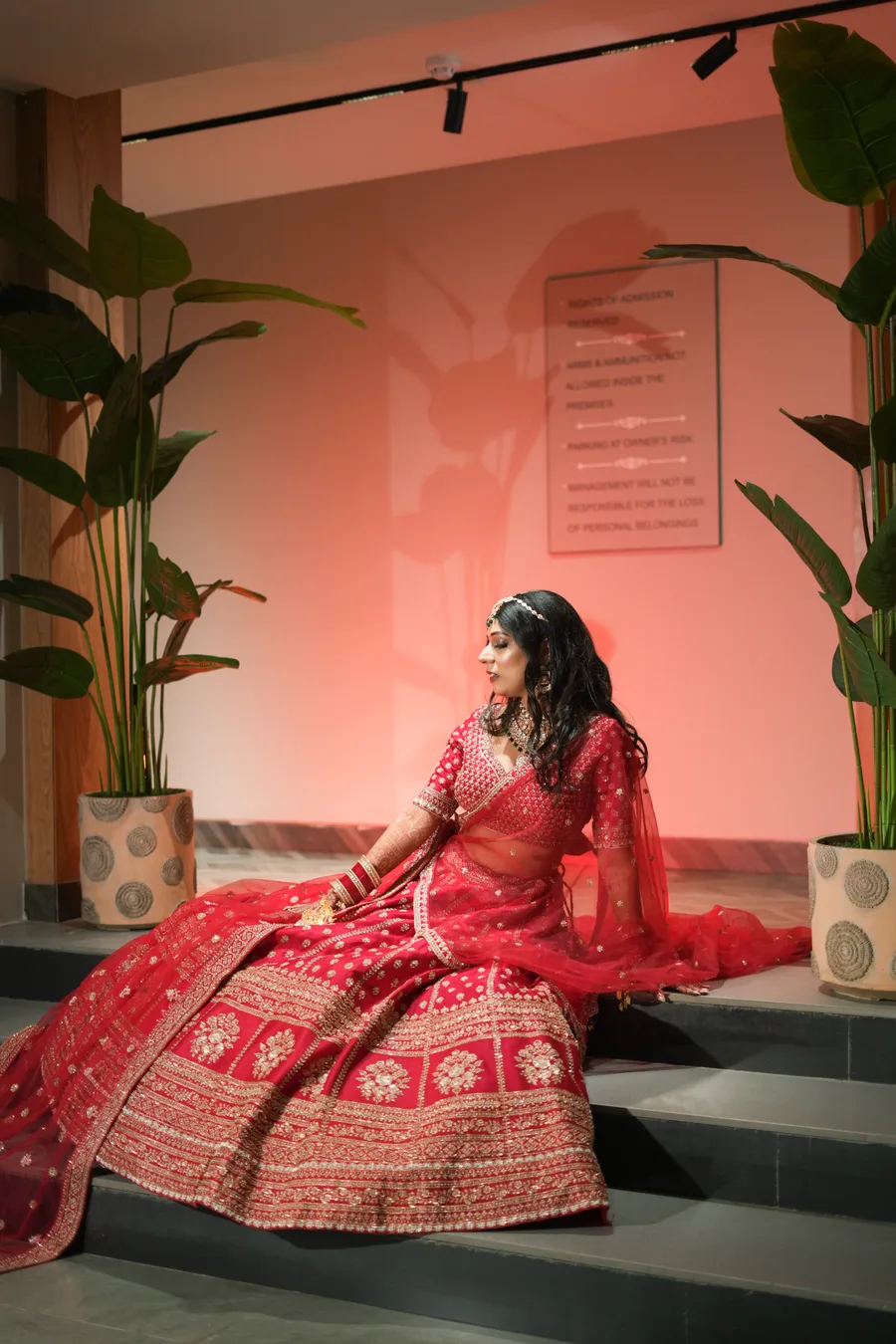
Photograph the architectural details—carved stone, jali work, aged wood—without making them the primary subject. These elements should appear in backgrounds, frames, and compositional choices, supporting the people and their celebration. Simultaneously, photograph the couple and family with warmth and modernity; they are not museum exhibits within the haveli, they are living, laughing, contemporary people celebrating within a historic space. The most successful haveli wedding images feel like a conversation between past and present—the beauty of the old space is respected and evident, and the joy of the new celebration is equally visible. This balance requires intention and restraint. Don't oversaturate or excessively warm-grade images in pursuit of 'timelessness'; modern colours, contemporary fashion, and present emotions are also timeless. A photograph of a bride laughing in a contemporary lehenga within a carved-stone chamber, with genuine joy visible on her face, is inherently bridging heritage and present. Your role is to capture that authenticity, not to impose a filtered or antiqued aesthetic that distances the people from their own moment. The haveli provides context and beauty; your photography provides presence and connection. If you're celebrating in a heritage haveli and want photography that honours both the space and your modern joy, Lens9 Studio brings experience and sensitivity to these layered, textured celebrations.