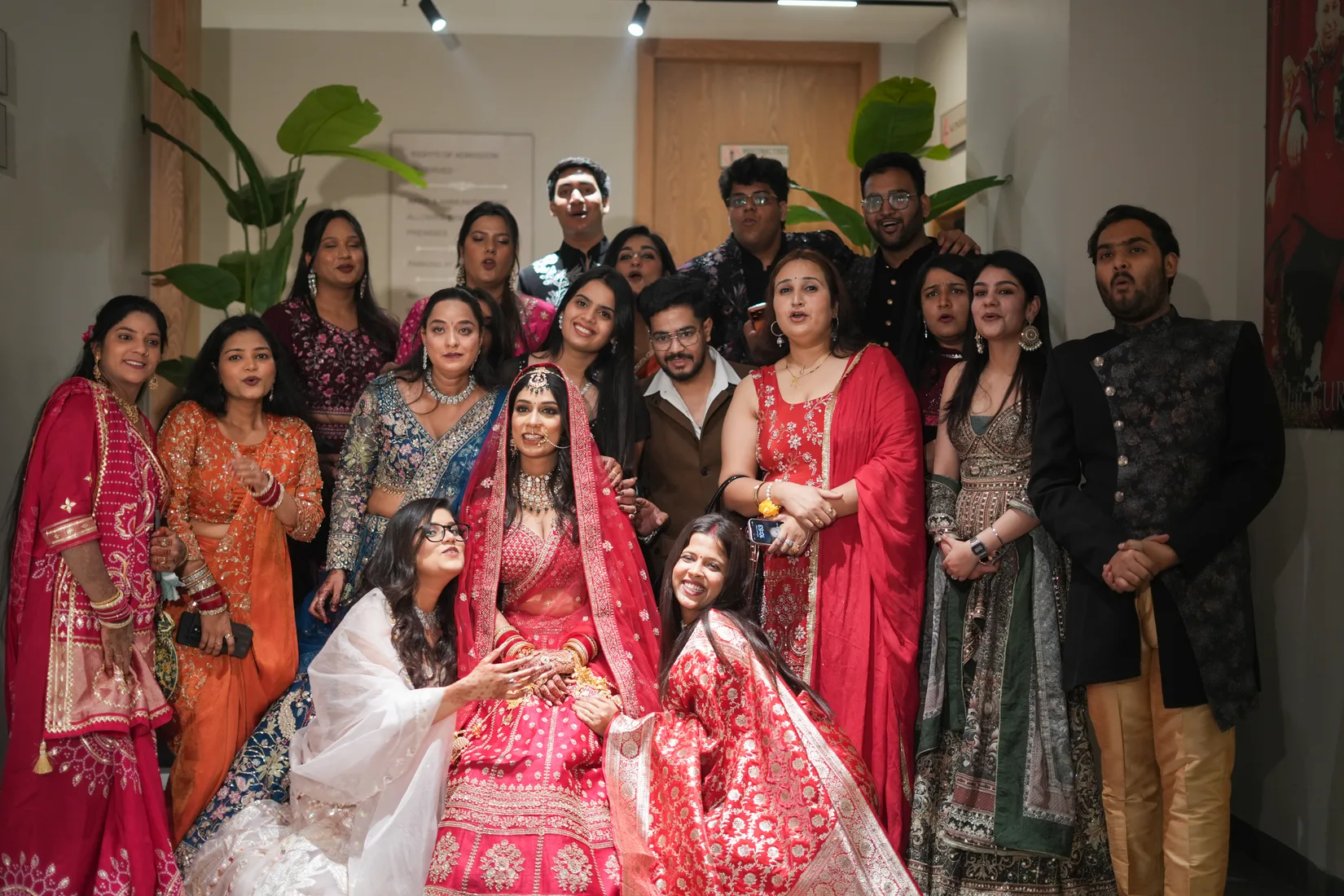
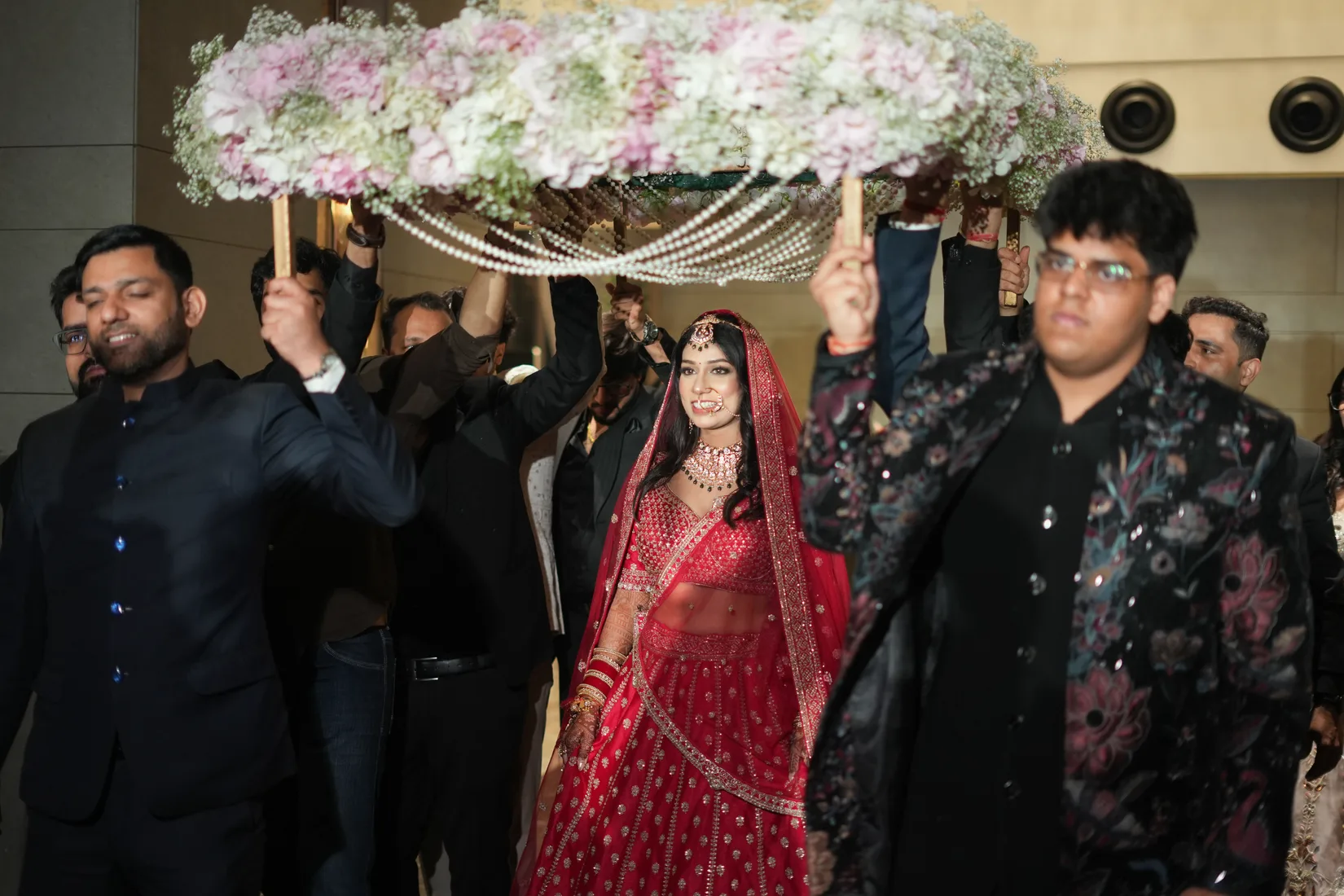
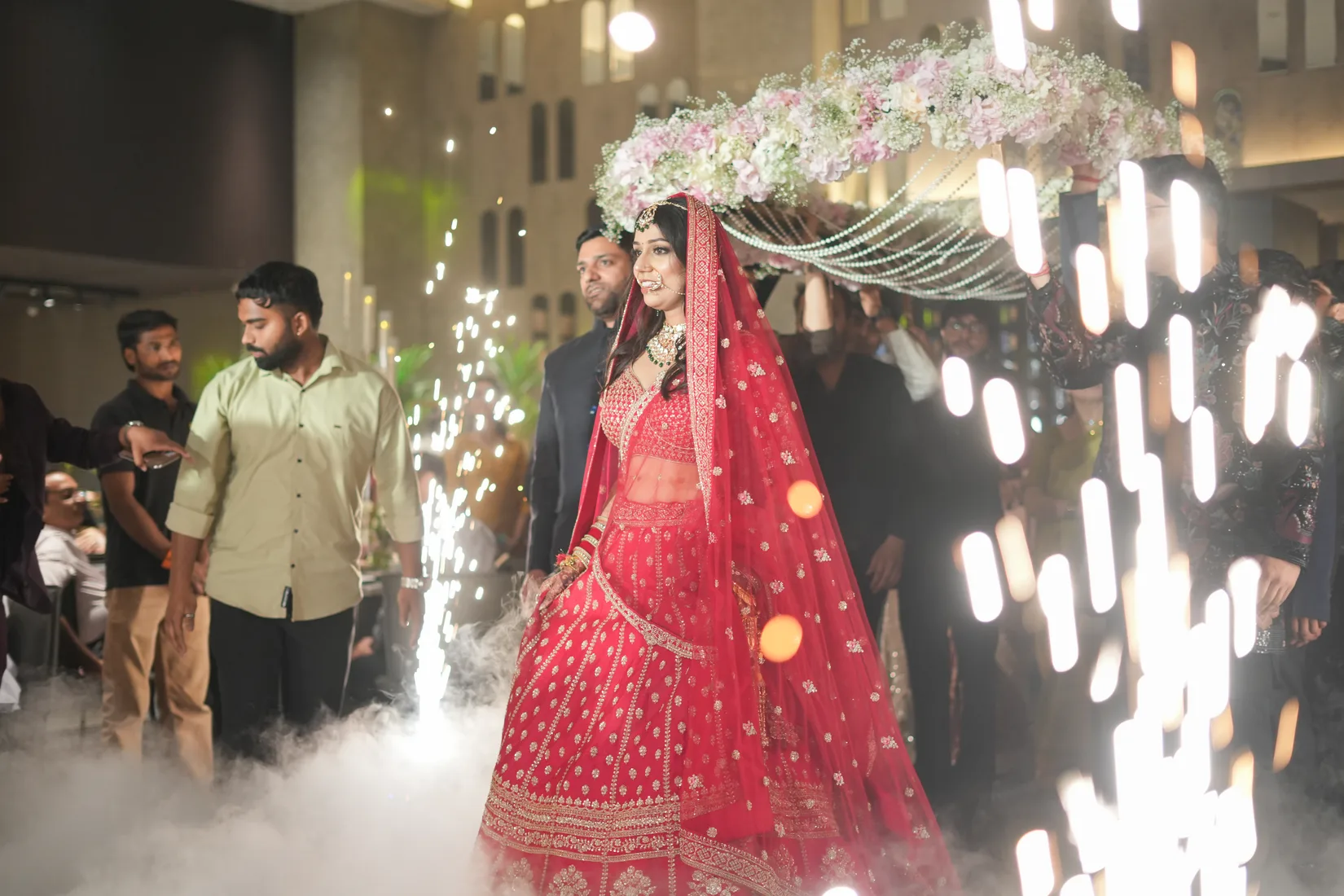
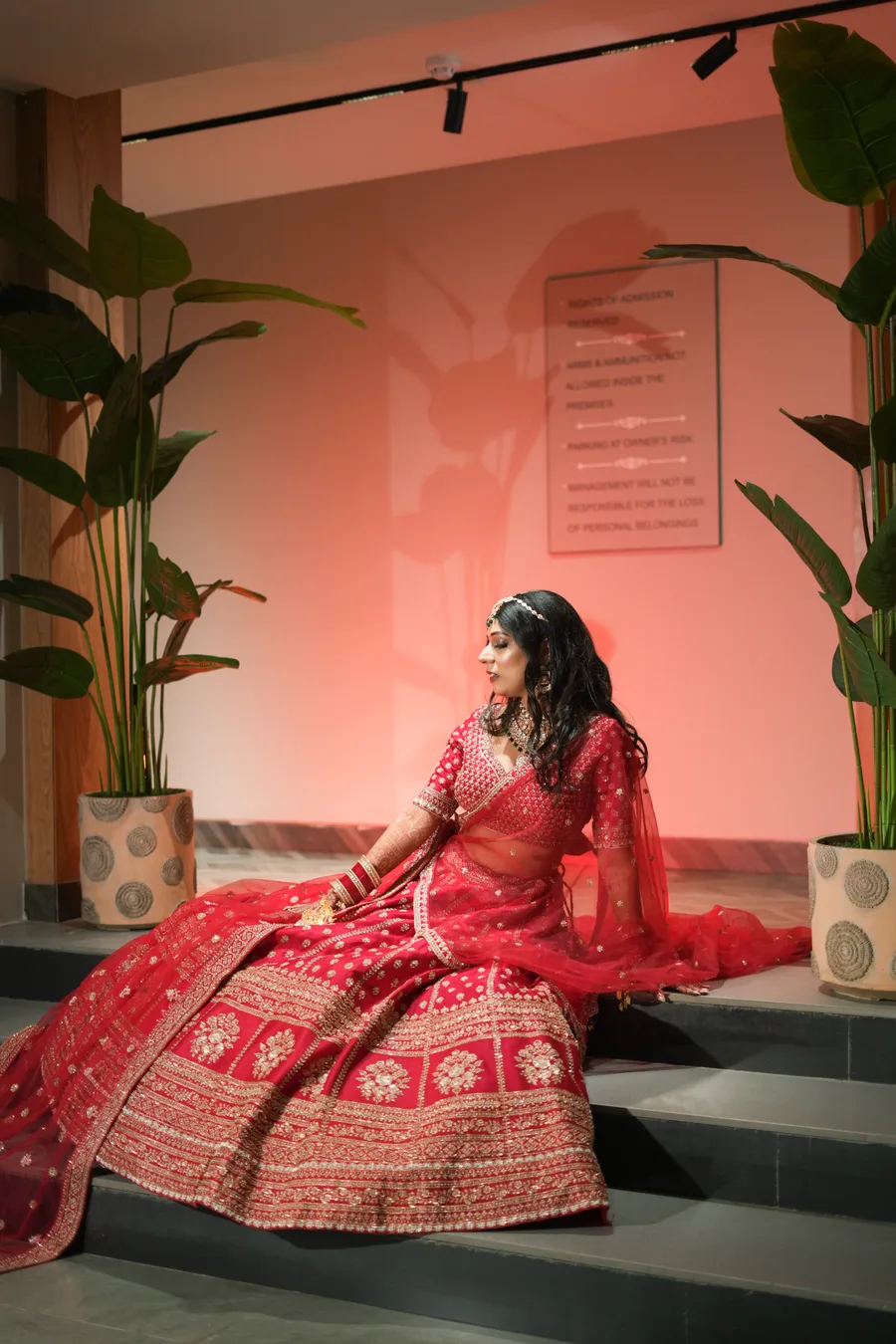
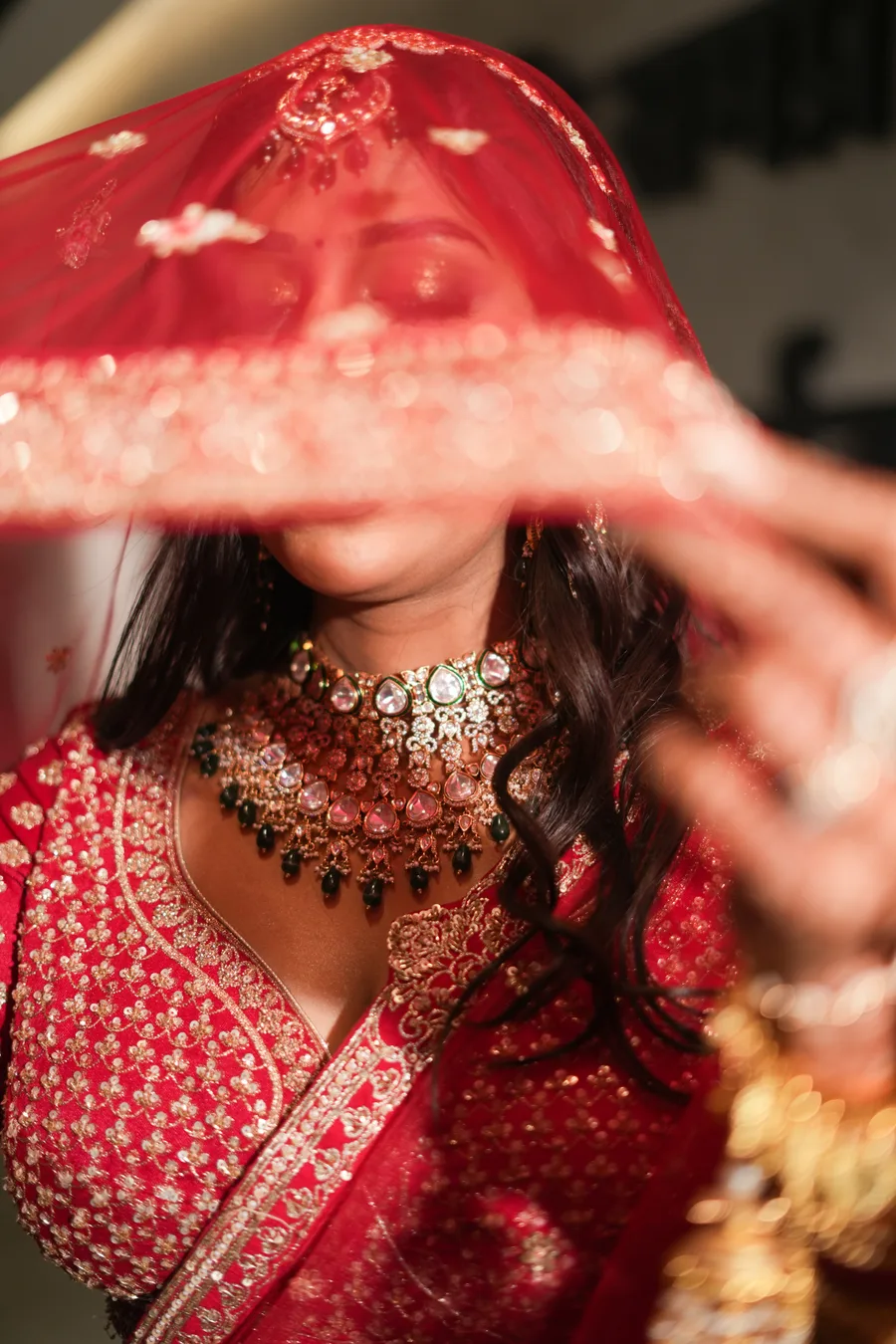
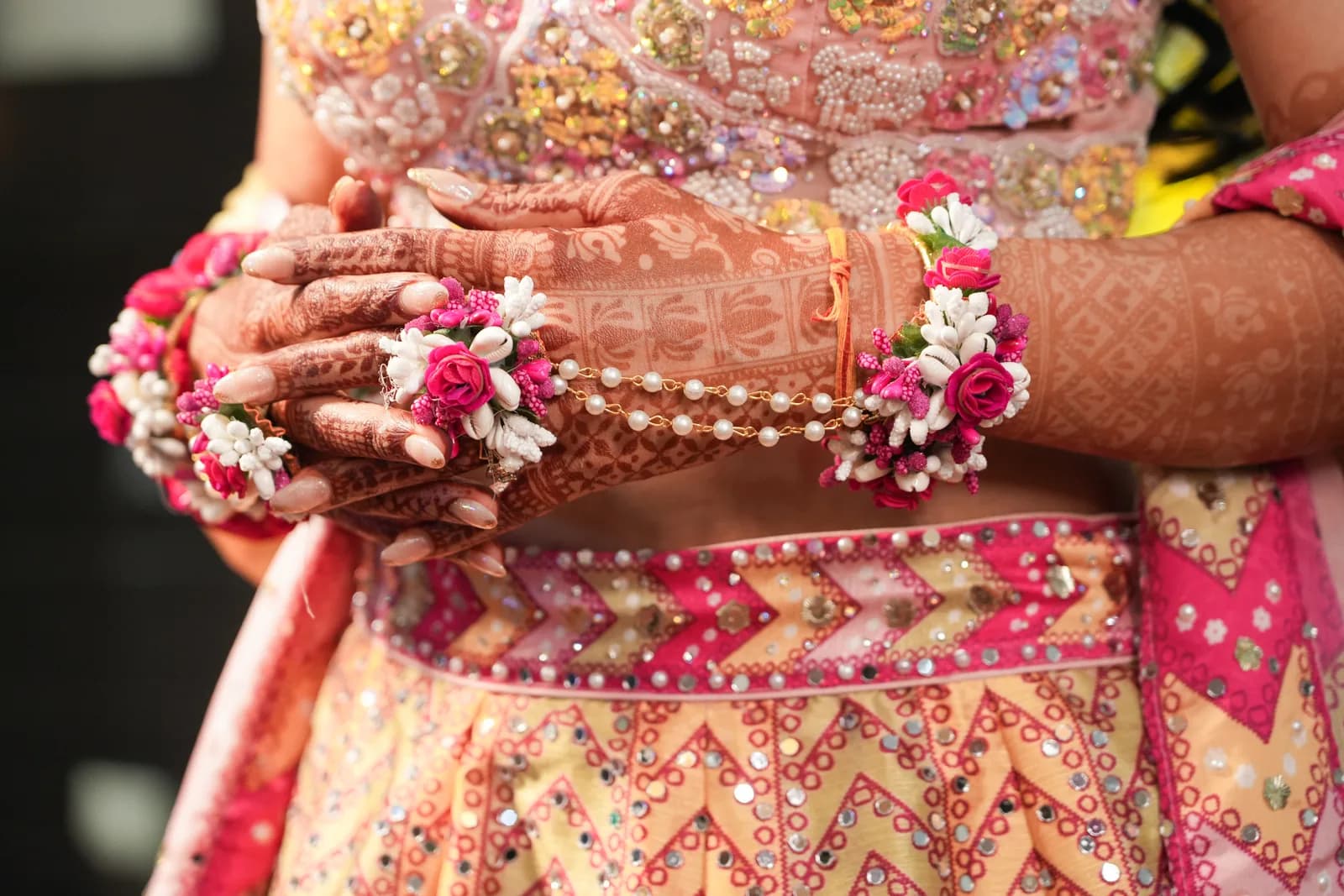
Wedding coverage hours depend on your schedule, traditions, and what matters most to you. Whether you choose 8, 12, or 24 hours, understanding what each option includes helps you make the right decision for your wedding day.
Understanding How Many Hours of Wedding Coverage Do You Really Need
When you're booking wedding photography, one of the first decisions is how many hours you want your photographer present. The options typically range from eight hours (ceremony and reception only) to twelve hours (most of the day) to twenty-four hours (continuous coverage from early morning through late night). There's no single 'correct' answer; the right choice depends on your wedding format, what matters most to you, and your budget.
Many couples assume they need maximum coverage because 'you never know what will be important.' While that's true to some extent, more hours doesn't automatically mean better images. A photographer with limited hours will be highly focused and intentional about what they capture. A photographer with unlimited hours might actually produce more unfocused coverage, with repetitive or forgettable images diluting the truly important moments. The goal is matching coverage hours to what you actually want documented.
Think of it this way: your photographer's attention and energy are finite resources. Eight focused hours might produce more cohesive, beautiful coverage than sixteen hours of stretched-thin work. Understanding this helps you make a realistic decision about how many hours genuinely serve your day.
8-Hour Coverage: Ceremony and Reception Highlights
Eight-hour coverage typically runs from about 2–3 hours before the ceremony through to 5–6 p.m., giving you some getting-ready time, the full ceremony, and a good portion of the reception. This works beautifully if your ceremony is in the morning or early afternoon and your reception is the same day in the evening. Your photographer captures pre-ceremony getting-ready, the ceremony in full, some couple portraits afterward, and reception moments through the early part of the celebration.
Eight hours is often sufficient if you're not having extensive pre-ceremony celebrations like mehendi or sangeet on the same day. If your wedding day is ceremony and reception only, with a reasonable timeframe, this is a solid choice. You get documentation of the most important moments without paying for hours when relatively little is happening. For couples with tighter budgets, eight hours can be a smart financial choice that doesn't leave out anything essential.
The trade-off with eight-hour coverage is that you're not capturing very early getting-ready moments, and your photographer likely leaves before late-night celebrations or post-reception events. If you have children getting ready with you and you want those moments, or if your reception runs late and you want the final dances or send-off captured, eight hours might leave gaps. Be honest about what time the reception actually winds down and whether eight hours captures everything you want to remember.
12-Hour Coverage: The Complete Day Without All-Night Celebration
Twelve-hour coverage usually runs from about 7–8 a.m. through 7–8 p.m., capturing the entire day from early morning through to the conclusion of the main reception. This is the most popular choice for Indian weddings because it allows for comprehensive getting-ready documentation, full ceremony coverage, couple portraits, and extensive reception coverage through dinner, speeches, dances, and cake cutting.
With twelve hours, your photographer is present for the full arc of your day. They're there when you first start getting ready, capturing those quiet morning moments. They're present when the groom arrives, when family members are reacting, through all the ceremony rituals, and through the main reception events. By late evening, they're present for the final important moments—the couple's last dance, cake cutting, sometimes even the send-off if the reception wraps up by 8 p.m.
Twelve-hour coverage is ideal if you have mehendi or sangeet on the same day as the main ceremony and reception. A photographer with twelve hours can move between events, capture all the different celebrations, and document the progression of your day without rushing. Most couples find twelve hours strikes a good balance between comprehensive coverage and avoiding the need for twenty-four hours (which can be quite expensive and results in coverage fatigue).
24-Hour Coverage and Multi-Day Weddings
Twenty-four-hour coverage is continuous—your photographer arrives early morning when you first wake up and stays through to late evening or even the next day, depending on your wedding schedule. This works beautifully if you're having mehendi and sangeet on one day, ceremony and reception on the second day, and potentially additional events on day three. In multi-day weddings, twenty-four-hour coverage per day (or continuous coverage across multiple days) ensures nothing is missed across your entire celebration.
Twenty-four-hour coverage is also ideal if your reception runs very late into the night, with dancing and celebration continuing until 2–3 a.m. If late-night revelry is central to your celebration and you want it all documented, your photographer needs to be there for the full duration. Some families also have early morning rituals (like an aarti or blessing ceremony) the morning after the wedding; if you want this captured, continuous coverage into the following morning is necessary.
The investment for twenty-four-hour coverage is significant, both for the photographer and for you. It requires backup photographers or at least a second photographer to ensure quality coverage across such extended hours (no single person can maintain focus and quality through twenty-four hours). Consider this option only if your wedding genuinely spans that much time or if you have late-night celebrations that matter deeply to you. Being strategic about where you allocate your photography hours ensures your budget stretches to capture what truly matters most to you.
Pre-Wedding Shoots and Deciding Your Coverage Strategy
For multi-day weddings—mehendi, sangeet, ceremony, and reception spread across two or three days—you have options beyond simple hour counts. Some couples book eight hours per day (focusing on the main event each day), while others book twelve hours to capture everything happening across the day. Some book comprehensive coverage for the ceremony day (when the most important moments happen) and reduced coverage for mehendi and sangeet.
Pre-wedding shoots are separate from wedding-day coverage and are usually booked as an additional service (often a half-day session two–4 weeks before the wedding). If you want pre-wedding images along with comprehensive wedding-day coverage, that's an additional investment. Discuss with your photographer whether pre-wedding shoots are included in your package or available as add-ons, and whether pre-wedding hours count against your total coverage hours.
To determine the right number of hours for your wedding, start by mapping out your actual schedule. When are you waking up and starting to get ready? What time does the ceremony start? When does it end? When does the reception start, and realistically, when will it wind down? Be honest about timing; ceremonies and transitions often run later than scheduled. Once you understand your actual timeline, think about which moments within that timeline you genuinely want photographed.
Making Your Final Decision and Protecting Your Coverage
If you're unsure whether eight or twelve hours is better, consider your budget first—twelve hours will cost more. Then think about what you'd regret missing. If you'd be heartbroken not to have early getting-ready moments and photos, twelve hours makes sense. If you're comfortable starting coverage at the ceremony and you're not doing extended pre-wedding events, eight hours is sufficient. There's no shame in choosing what makes financial and logistical sense; a smaller package that's managed well produces better coverage than an oversized package that stretches your photographer too thin.
Most importantly, communicate your final decision to your photographer clearly. Once you've decided on your hours, discuss what's included and what's not so there are no surprises on the day. If you later realise you want additional hours, most photographers have some flexibility if they're available; but it's better to communicate clearly upfront. This ensures your photographer comes fully prepared and your coverage flows seamlessly through the moments that matter most to you.
If you'd like help thinking through the right coverage for your specific wedding schedule and traditions, Lens9 Studio is happy to discuss your day and recommend what we think would serve you best.