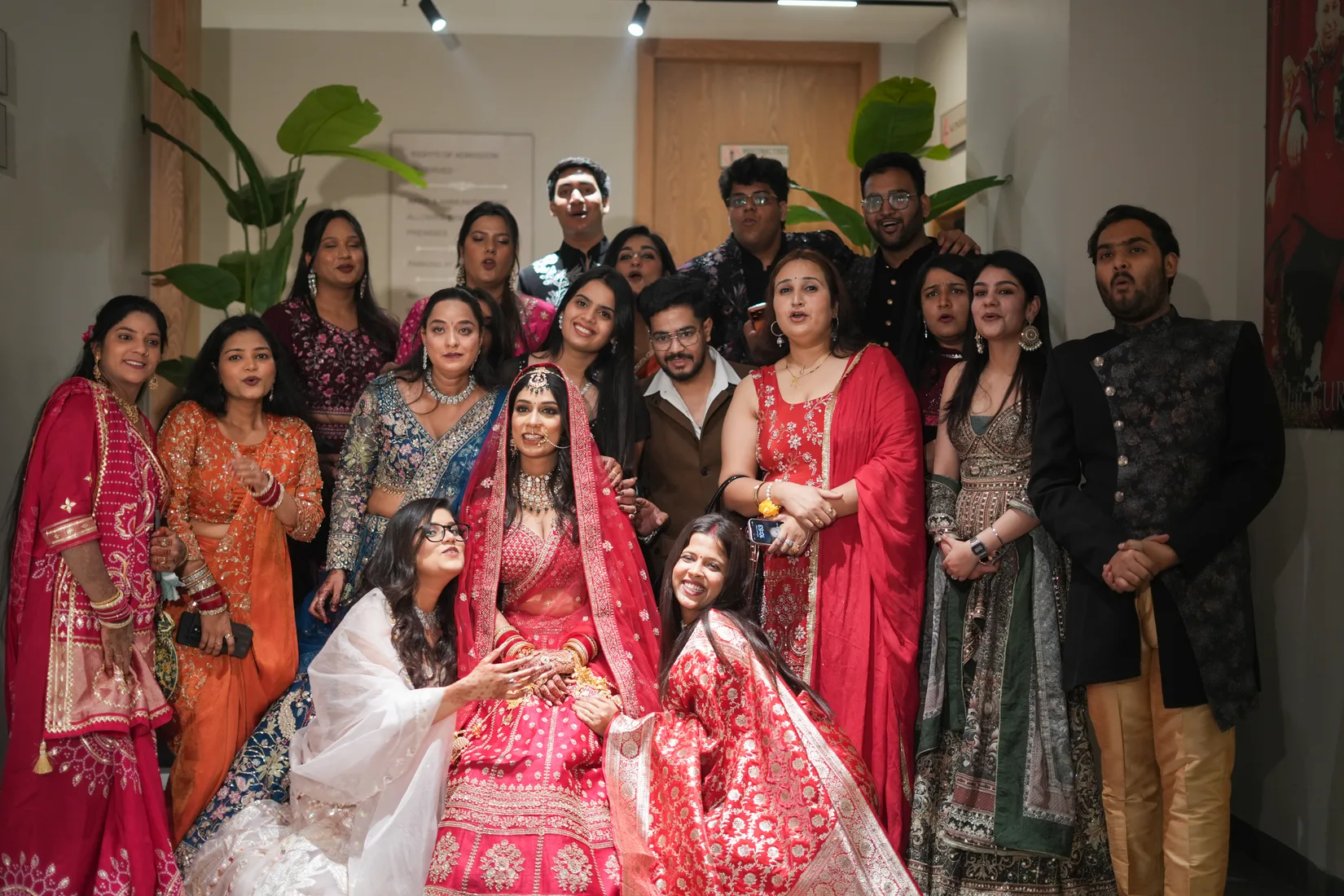
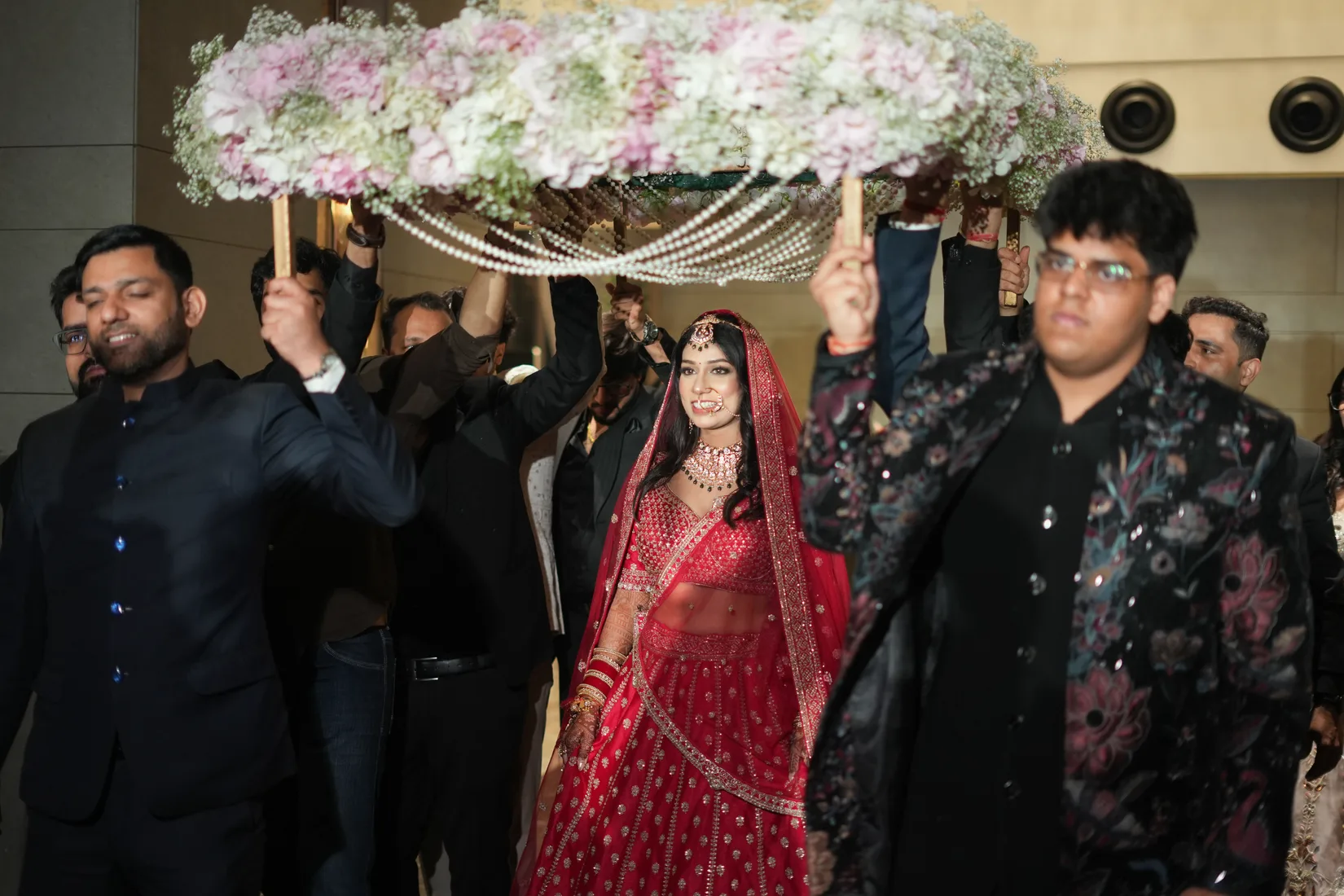
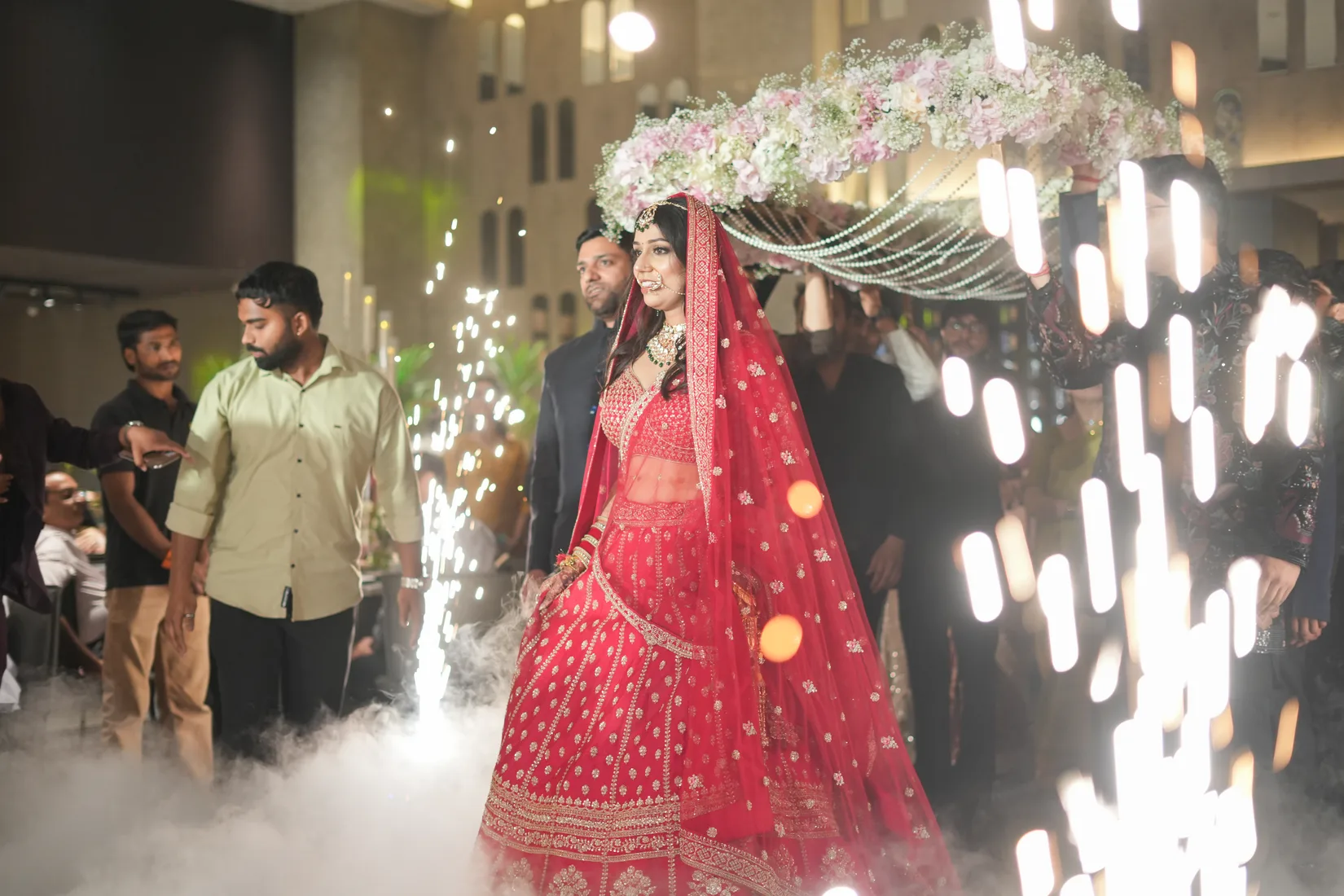
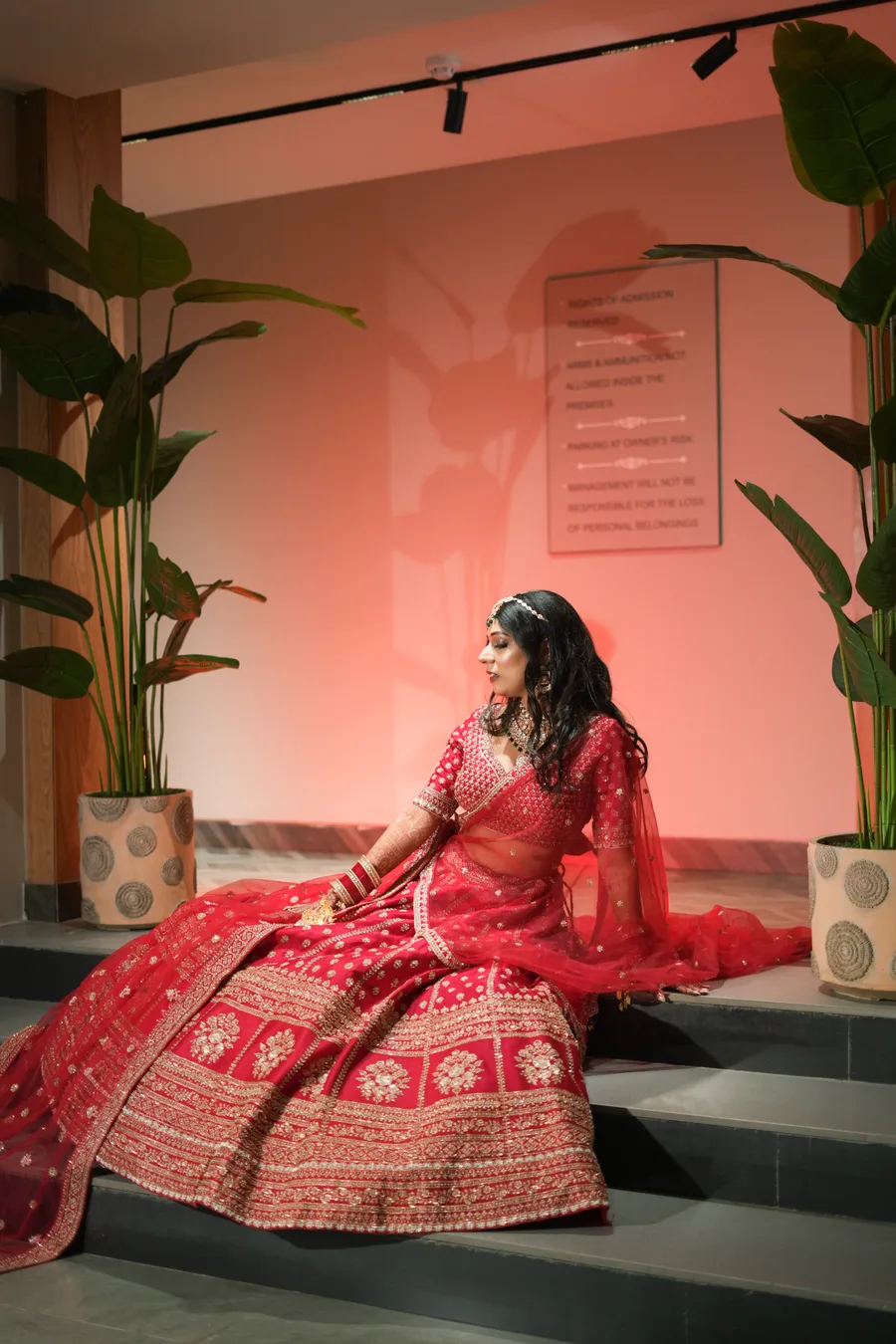
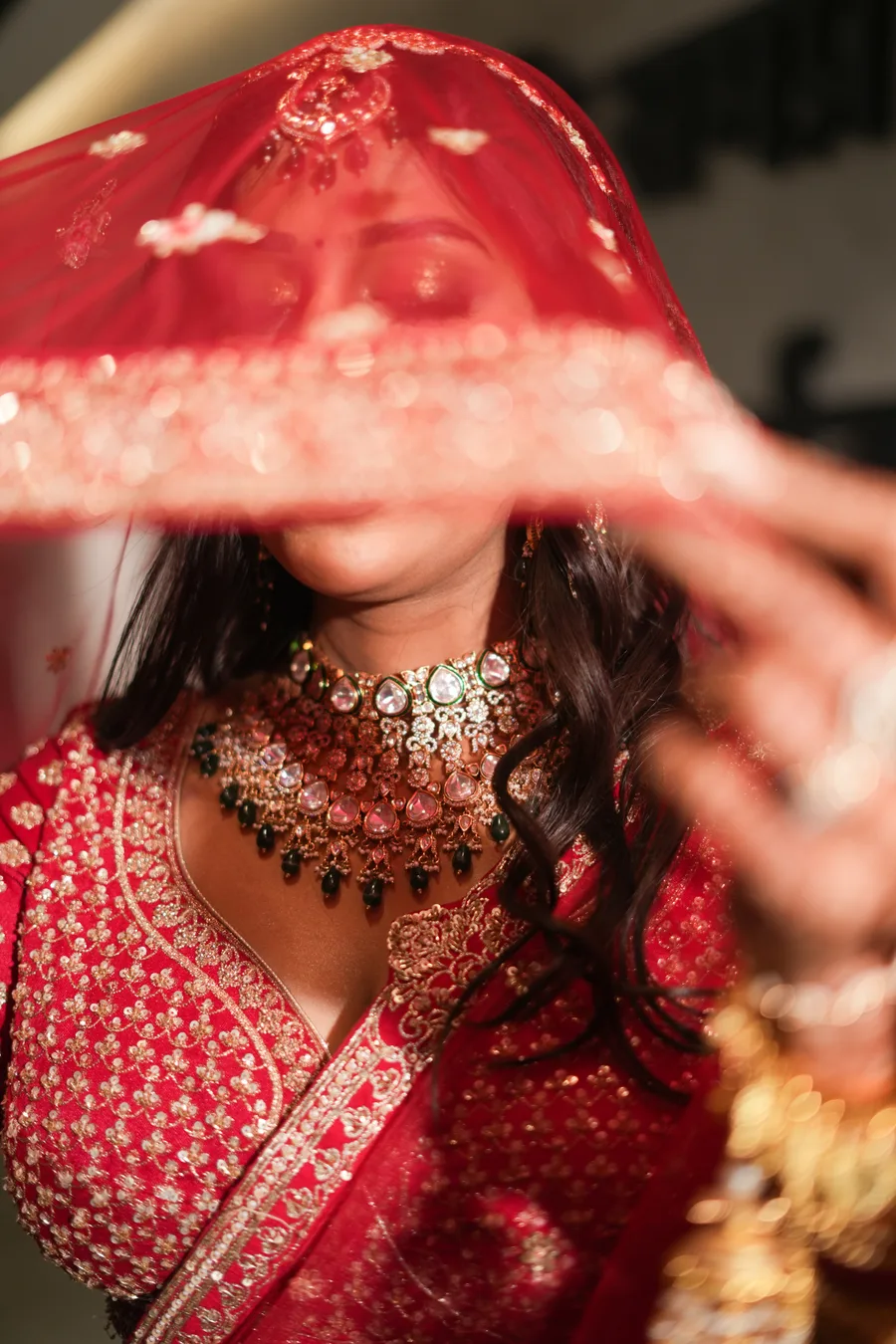
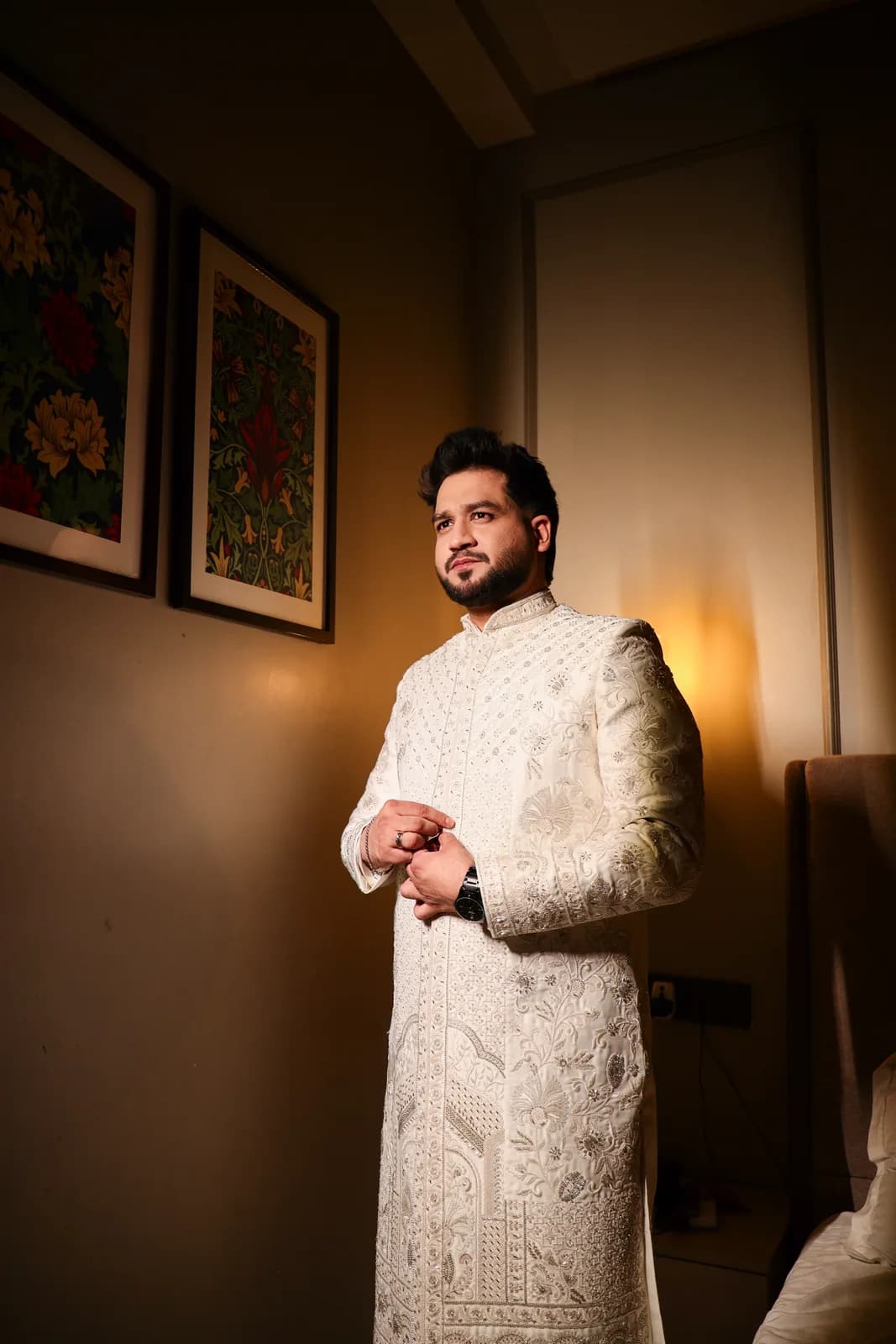
Wedding photography costs in India vary widely depending on photographer experience, coverage hours, deliverables, and location. Understanding the pricing breakdown helps you choose a package that matches both your budget and your expectations for your wedding album.
The Broad Range: What Wedding Photography Cost in India Actually Means
Wedding photography costs in India span a wide spectrum, from emerging photographers offering their services at lower rates to established studios charging premium prices. There's no single 'right' price because wedding photography itself isn't a standardised product. A photographer working from their garage with one camera charges differently than a multi-person team with backup equipment, extensive experience, and a strong portfolio. Both might produce lovely images, but the value proposition is entirely different.
At a very general level, wedding photography in India ranges from entry-level services (often available through first-time photographers or photography students) to mid-range professional services (experienced photographers with several weddings under their belt) to premium services (established studios, multiple photographers, extensive deliverables). The difference between these tiers isn't just cost; it's experience, reliability, backup systems, editing standards, and what happens if something goes wrong.
Before diving into numbers, understand that pricing reflects not just the day itself but the photographer's experience, their equipment, their business costs, and what they deliver afterward. You're not just paying for someone to show up with a camera; you're paying for their judgment, skill, problem-solving, and the finished images you receive months later.
What Actually Drives Wedding Photography Pricing in India
Experience is the primary driver of cost. A photographer who has covered 50+ weddings, understands Indian wedding traditions deeply, anticipates moments before they happen, and has a recognisable editing style commands different pricing than someone shooting their third wedding. This isn't snobbery—it's the reality that experience reduces mistakes, increases creative options, and delivers more consistent results. You're paying for someone who won't miss the moment when your grandmother first sees you, or scramble when the ceremony starts two hours late, or waste time figuring out how to work with your venue's lighting.
Coverage hours significantly affect cost. Eight hours of coverage (typically ceremony and reception highlights) costs less than 12 hours (more of the day, from preparations through part of the reception) or 24 hours (full-day coverage through multiple events). The more hours you book, the more photographer time you're purchasing, and therefore the higher the cost. But this also means more moments captured, more flexibility, and more stories in your album.
Location and logistics matter too. A Delhi photographer shooting in Delhi has lower travel and accommodation costs than a photographer travelling to Udaipur, Jaipur, or a destination wedding abroad. This is passed through to you. Similarly, whether your wedding is over one day or spread across multiple days (mehendi, sangeet, ceremony, reception) affects pricing. Pre-wedding shoots, couple sessions, and additional events all add to the cost.
Deliverables: What You Actually Receive and Why It Affects Price
Different photographers offer different deliverables, and this significantly impacts pricing. Some deliver digital files only—edited, high-resolution images that you can print, share, and use however you wish. Others include printed albums, canvas prints, coffee table books, or framed images as part of their package. Premium offerings might include a photo exhibition or a short wedding film alongside still photography. Each of these additions represents labour, materials, and cost, and affects your overall investment.
Editing and turnaround time also factor in. Quick turnaround (images delivered within two weeks) requires more intensive editing during the week after your wedding. Standard turnaround (three to six weeks) allows for more thoughtful, layered editing. Some photographers offer albums as part of their package, which means they're designing, printing, and quality-checking a physical product you'll hold in your hands for decades. This requires different expertise and cost than digital-only delivery.
Also consider whether your photographer provides a wedding film (a short cinematic video) alongside still photography. This requires different equipment, on-set sound recording, and dedicated editing time. If that interests you, expect to pay more for a photographer who offers both services to a high standard. A photographer doing video poorly isn't worth it; it's better to hire someone specialist for that component.
Hidden Costs, Value, and Making Smart Budget Decisions
When budgeting for wedding photography, account for costs beyond the photographer's main fee. If you're shooting at a venue with restricted access for photographers, there might be additional venue fees or permits. Travel costs for photographers covering destination weddings can add significantly to your budget. Some photographers charge extra for specific requests—additional photographers, an engagement shoot before the wedding, or extended coverage beyond your booked hours.
Pre-wedding shoots (a trendy addition to Indian wedding photography) are sometimes included in packages and sometimes are add-ons. Printed deliverables—albums, framed prints, canvas prints—have material costs that photographers pass through to you. If you want extra copies of your album to gift to parents or grandparents, that's an additional investment. Similarly, if you want to upgrade from standard to premium paper quality or larger album dimensions, costs increase.
It's tempting to book the photographer who quotes the lowest price, but wedding photography is one of the few purchases where the product is completely intangible until after you've paid and the event is over. You can't return bad images or ask for a refund; you're left with what was captured. Choosing purely on price often means booking someone with minimal experience, basic equipment, or unrealistic timelines that result in rushed, inconsistent editing or missed moments.
Finding the Right Value for Your Investment
Good photographers tend to price their services realistically because they're accounting for their time, expertise, equipment, insurance, business overhead, and the value they deliver. A photographer charging significantly below market rates might be just starting out (which isn't bad, but it's different from experience), might be undervaluing their work, or might cut corners somewhere—faster turnaround leading to less careful editing, fewer backup systems, or less time spent on each wedding.
The sweet spot is usually mid-range to upper-mid-range pricing from photographers with genuine experience, strong portfolios showing work you love, and a track record of reliability. Yes, it costs more than the cheapest option, but the difference in final images, professionalism, and peace of mind is substantial. Your wedding happens once; your photos last forever. Start by defining what matters most to you. If you absolutely must have an album, factor that into your budget. If you're comfortable with digital files only, that's a more affordable option. Decide how many hours of coverage genuinely serve your wedding format and schedule.
If budget is tight, consider thoughtfully reducing scope rather than sacrificing quality. Shorter coverage (eight hours instead of twelve) costs less than booking an inexperienced photographer hoping to save money. A couple session and ceremony coverage costs less than full-day coverage but still gives you beautiful images. Get detailed quotes from multiple photographers, but don't compare purely on price. Look at what's included—hours, deliverables, editing style, team size, backup plans. Understand the payment schedule; most photographers require a deposit to hold your date, then payment before or after the wedding.
Protecting Your Investment and Moving Forward
Once you've invested in a photographer, protect that investment. Show up on time, have a clear shot list and timeline, communicate any changes promptly, and give your photographer space to work. A couple that's organised and responsive will have a better experience and better images than a couple that's disorganised, even with the same photographer. You're paying for their expertise; let them use it.
Also understand what you're receiving in terms of licensing. Most photographers retain copyright but license you to print and use images for personal purposes. Professional licensing (using images commercially, in advertising, or for business) typically requires additional payment. Confirm these details before you book so there are no misunderstandings later.
If you'd like to discuss how to build a wedding photography budget that works for your plans and delivers the images you actually want, we're here to help. At Lens9 Studio, we believe in transparent pricing and helping couples understand what they're investing in and why.