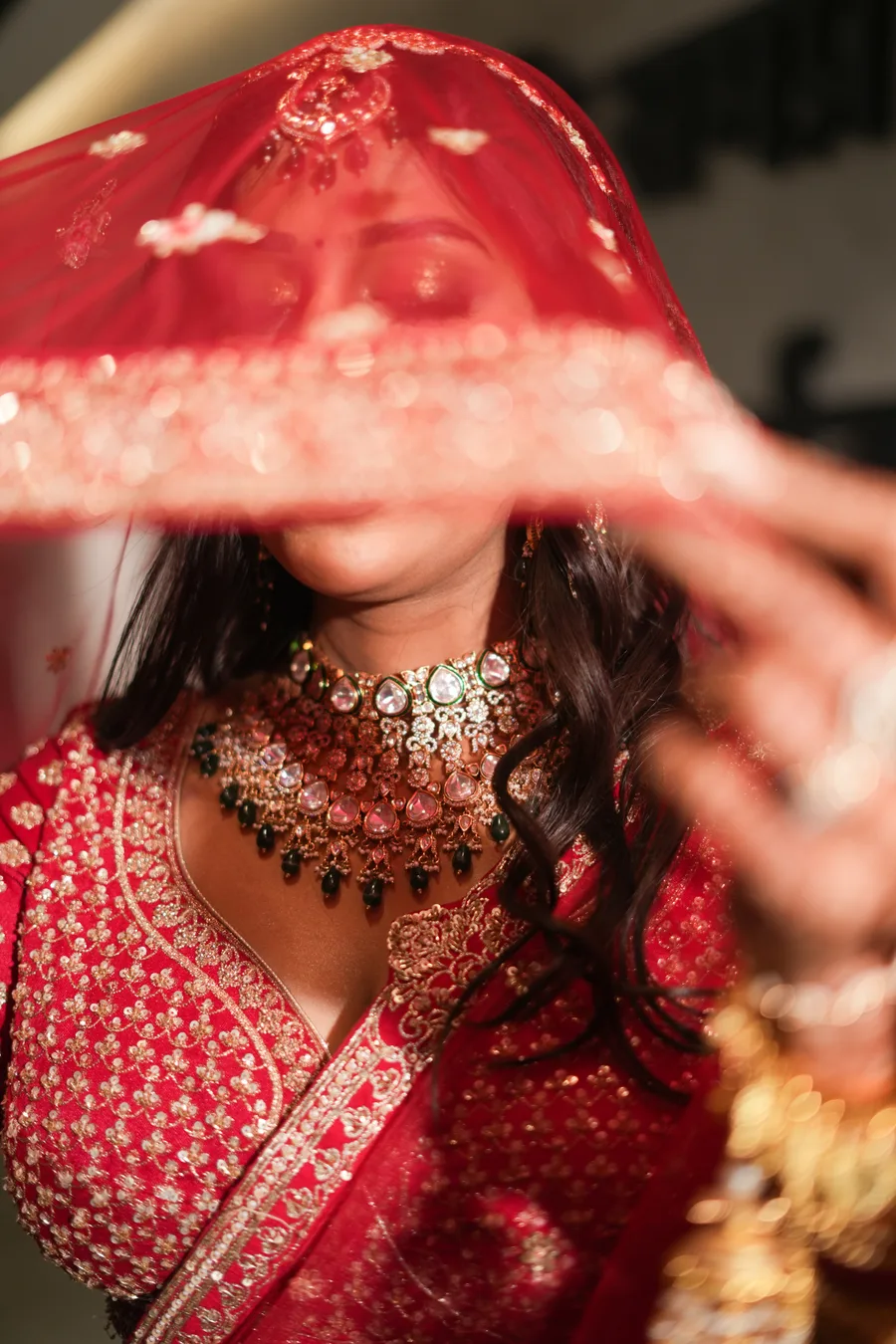
Camera anxiety is common, but it doesn't have to dominate your wedding photographs. Learn practical techniques to feel confident, connected, and authentically yourself in front of the camera.
Why Camera Anxiety Is Real, and Why It Matters Less Than You Think
Most people who hate cameras do so because their previous camera experiences have involved forced smiles, awkward positioning, and the sensation of being watched—not celebrated. Your wedding is genuinely different. Your photographer isn't there to judge how you look or to create a false version of you; they're there to capture the person your partner loves, the emotions you feel, and the joy of your commitment. Understanding this shift in purpose can be surprisingly powerful. You're not being examined; you're being documented. There's an enormous emotional difference between those two realities.
Camera anxiety often stems from feeling hyperaware of yourself—worrying about your smile, your posture, your stomach, whether you're looking fat or tired or awkward. The moment you're preoccupied with how you appear, authenticity vanishes. Your face becomes tense, your body stiffens, and the camera captures discomfort instead of joy. The most beautiful wedding photographs almost always happen when people forget they're being photographed entirely. They're laughing at something their partner said, thinking about something that genuinely moves them, or connecting so deeply with the person next to them that camera awareness simply evaporates.
Building Genuine Connection Over Posed Perfection
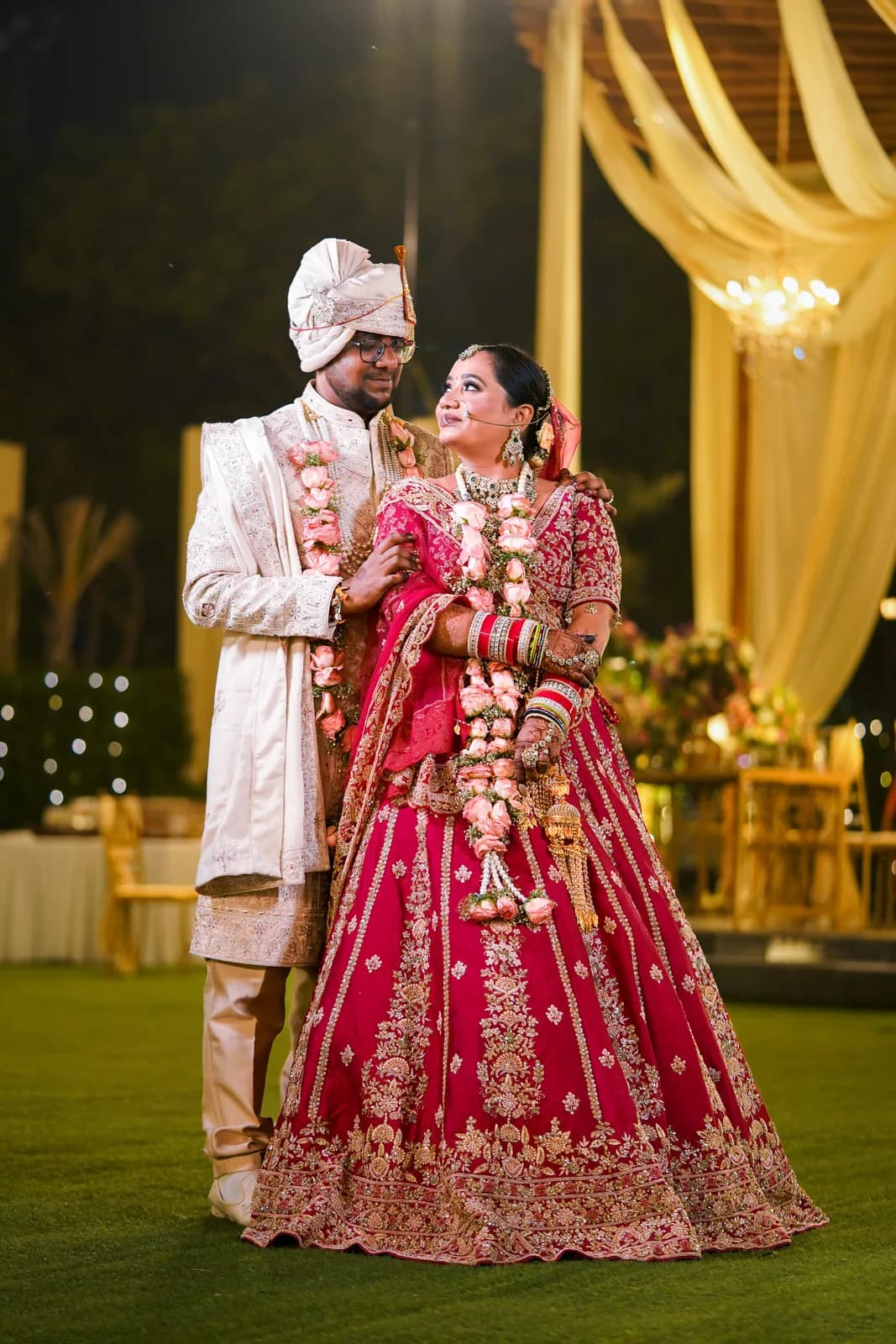
The single most important factor in natural-looking wedding photographs is the relationship between the two of you. If a couple is genuinely connected, if they make each other laugh, if they're comfortable together, that authenticity reads in photographs regardless of whether they're smiling at the camera. A groom who looks at his bride with real affection, even without obvious smiling, creates a more beautiful photograph than a couple with forced grins looking at the camera. A bride who leans into her groom because she genuinely feels safe creates tenderness that no amount of posing can replicate. Your photographer should spend time directing you toward connection with each other, not toward looking good at the camera.
Practically, this means choosing a photographer who understands storytelling over posing, and who gives couples direction that builds toward genuine interaction. Instead of "smile at the camera," your photographer might say "look at each other and think about that terrible joke he told you last week," or "walk toward me while you're talking." The best direction sounds more like narrative prompts than positioning instructions. When your focus is on your partner rather than on performing for the camera, your face and body naturally settle into authenticity. Discuss your camera anxiety directly with your photographer during the pre-wedding consultation. A good photographer will adapt their approach specifically to help you feel comfortable, whether that means more movement, more interaction-based direction, or even less posed photography and more candid coverage.
Movement, Laughter, and Thinking Past the Camera
Static posing is often what makes people feel awkward. Standing still while someone looks at you invites self-consciousness. Movement changes everything. Walking toward your photographer whilst holding hands, dancing together, spinning, moving through a space—these actions quiet the anxious voice that narrates appearance and create genuine physicality and presence. If you hate standing still for photos, tell your photographer. They should build movement into the shoot: walking sequences, dancing moments, interaction-based photography where you're doing something rather than being positioned.
Laughter is similarly transformative. A genuine, full laugh—even if you don't look conventionally pretty in the moment—creates light in your face and authentic joy that viewers feel when they see the photograph later. Practice laughter with your partner beforehand. That might sound absurd, but it works. Share jokes, recall funny moments, or even just intentionally laugh together during couple shoots. When you're laughing, self-consciousness dissolves. Your photographer should also be someone who creates a relaxed, even fun atmosphere—someone you laugh with, not someone you perform for. If you're uncomfortable during a photo session, good photographers pick up on it and shift pace. Permission to feel awkward in the moment (which everyone does sometimes) actually dissolves the need to hide discomfort.
Dressing Authentically and Building Pre-Shoot Confidence
What you wear profoundly affects how you feel in photographs. A lehenga that's too tight, a sherwani that restricts movement, or shoes that hurt will make you miserable, and misery reads in photographs. Conversely, clothes that fit beautifully, that you love wearing, and that feel comfortable create confidence that's immediately visible. If you've chosen a wedding outfit primarily because it's traditional or because someone else loves it, but you personally feel uncomfortable or unlike yourself, that discomfort will show. Choose pieces that reflect your style, that fit your body beautifully, and that you'd genuinely want to wear even without the wedding context.
Some useful pre-shoot practices genuinely do build confidence. Spending time with your partner beforehand—not just five minutes before photos start, but actual connection time—settles nervous energy and rebuilds the emotional closeness that gets lost in ceremony adrenaline. Eating something helps; low blood sugar creates crankiness and tension. Having water available ensures you're hydrated, which improves skin and energy. During the photo session itself, give your photographer permission to give you feedback. "You're tensing your shoulders—let them drop," or "Your smile is too big; just think of something that makes you happy" are adjustments that help immediately. Tell your photographer about specific insecurities: if you hate a particular angle of your face, they'll avoid it. The more your photographer understands your comfort levels and preferences, the better they can direct you toward feeling natural.
Reframing the Moment: Why This Shoot Actually Matters
Perhaps the most powerful shift is reframing why your couple photos matter. These aren't photos to prove you looked good or to show off. They're a record of one of the most significant relationships in your life, at a moment when you're making a public commitment to each other. Twenty years from now, you're not going to remember if you thought your smile was perfect; you're going to remember how it felt to look at your partner and know you were choosing them. You're going to want to see the genuine tenderness, the real emotion, the way your body relaxes around them. The most valuable wedding photographs are the ones where you forget you're being watched because you're too busy feeling love, joy, or connection.
If camera anxiety has been keeping you from booking couple sessions or from fully enjoying your wedding photography, please know this: photographers work with anxious couples constantly. We know how to make people feel safe. We know how to capture connection rather than just appearance. We know that vulnerability and imperfection are far more beautiful than perfect posing. If you'd like to discuss your camera concerns before your wedding—what makes you uncomfortable, what settings or approaches would help you feel more confident—we welcome that conversation. The goal isn't perfect-looking photographs; it's authentic ones that capture the reality of your love and commitment. Let's create those together.