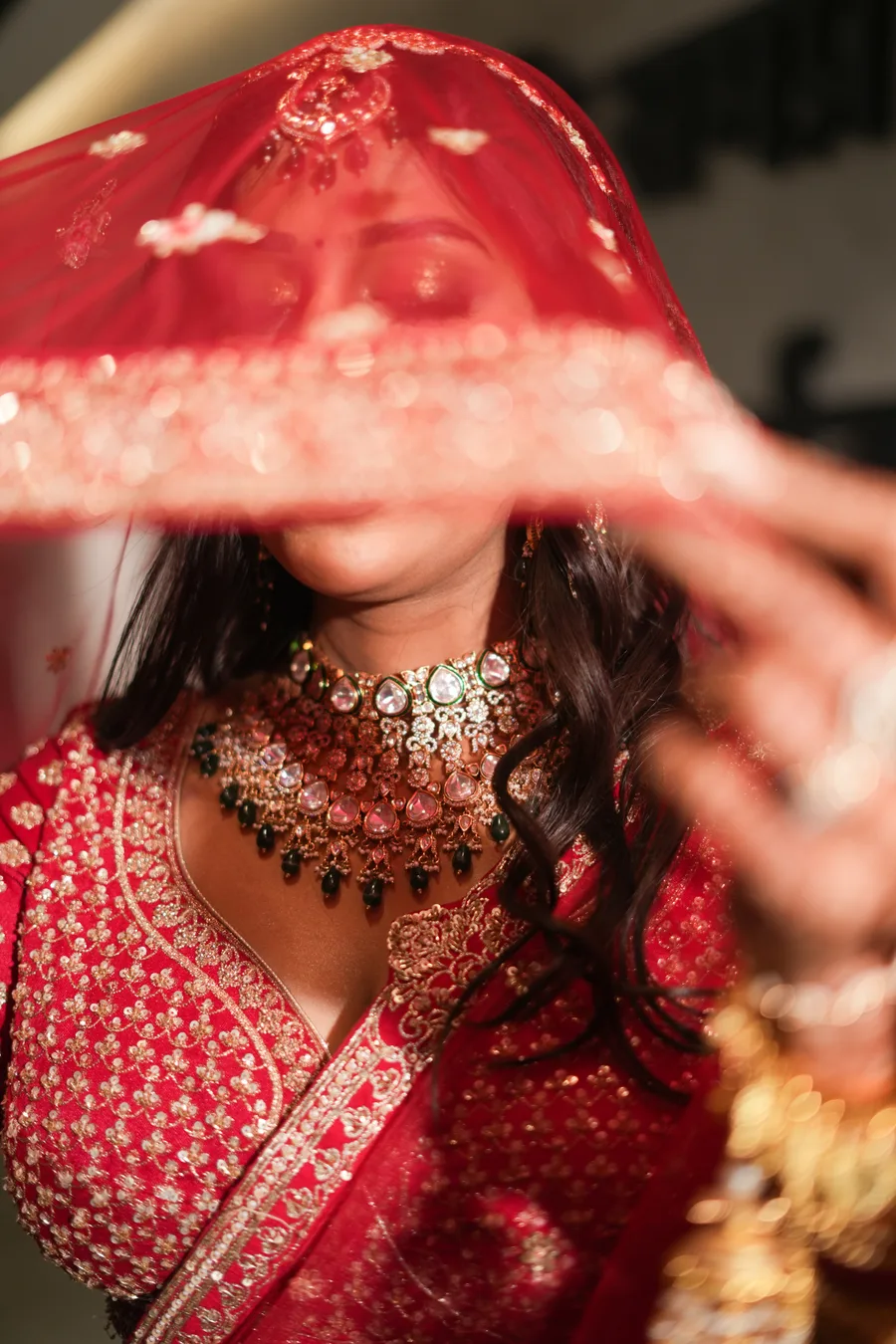
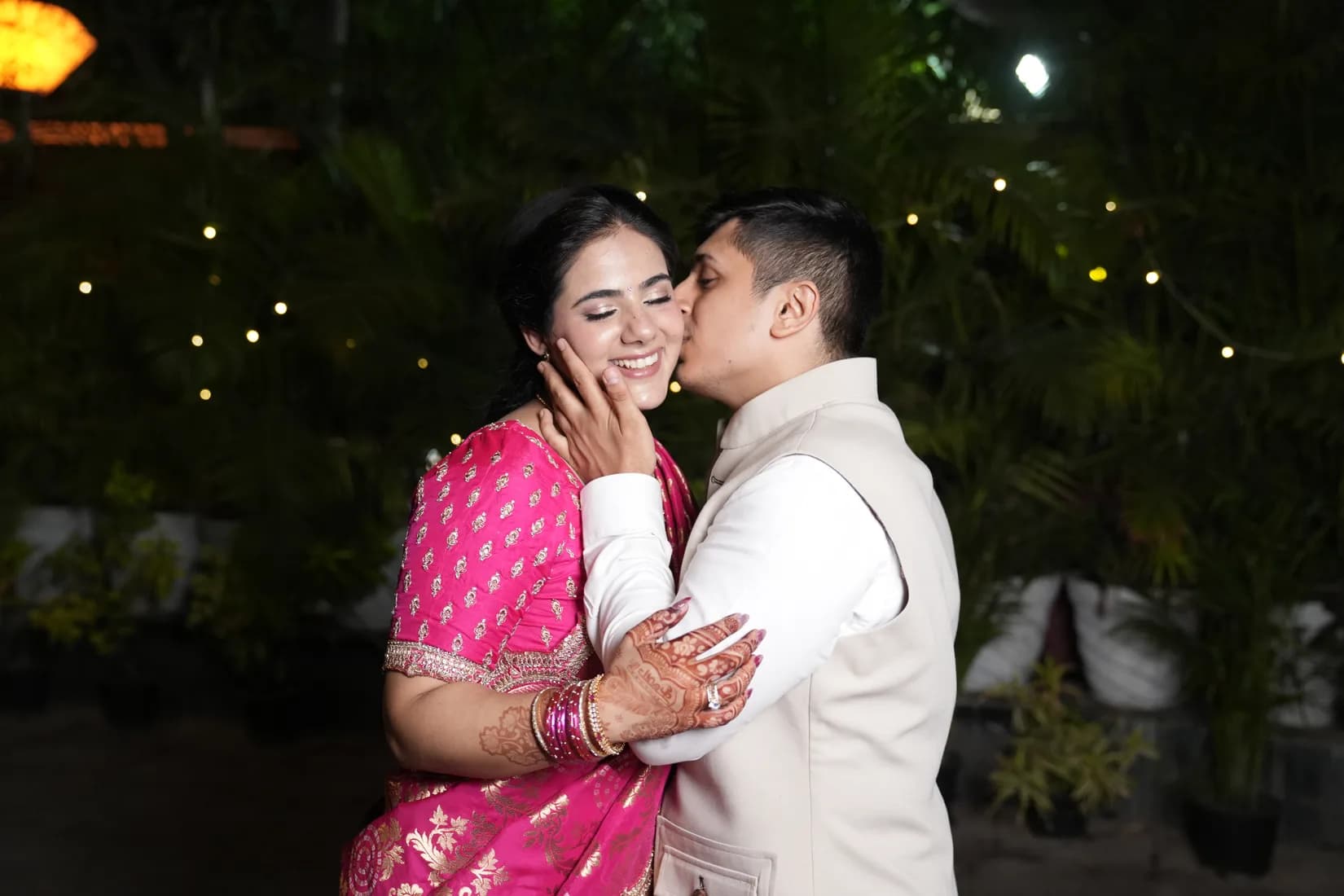
Five-star venues demand a refined, editorial eye. Learn how professional photography elevates luxury hotel weddings through elegant framing, controlled lighting, and timeless storytelling.
The Luxury Hotel Advantage and What It Demands of Photographers
A five-star hotel offers distinct advantages to a wedding: impeccable service, tested event infrastructure, a curated aesthetic, and rooms for guests—all under one roof. The marble lobbies, grand ballrooms, and state-of-the-art lighting rigs are tangible assets. Yet photographing a luxury hotel wedding demands a particular discipline: the opulence can overwhelm the human story if a photographer isn't intentional about where attention lives.
The challenge isn't a lack of beauty; it's an abundance of it. Hotel ballrooms are designed to be impressive—high ceilings, ornate details, dramatic lighting installations—and a photographer can easily create technically perfect images of a couple or a family group against this grandeur while somehow flattening the emotional truth of the moment. A luxury hotel wedding photograph should feel both polished and intimate, should honour the venue's elegance without allowing the décor to become the primary subject. This requires restraint, positioning, and an editorial eye that says no to the obvious wide shot that includes every crystal chandelier and instead finds a moment where the couple's joy, not the ballroom's magnificence, is the story.
Balancing Grandeur Without Overwhelming the Couple
In a luxury hotel setting, one of the most common missteps is shooting wide or from a distance, allowing vast tracts of empty space to surround the couple. This might showcase the ballroom's scale, but it also diminishes the people and their emotions. Conversely, cropping too tightly—isolating the couple against a generic dark background—wastes the genuine elegance of the setting.
The solution lies in selective framing. Choose moments to shoot wide that are inherently dynamic—the couple walking down the aisle with the architecture framing them, the first dance with a softly blurred chandelier creating a halo effect, a family group positioned where the hotel's architectural lines lead the eye toward them rather than overwhelming them. For more intimate moments—exchanging vows, a kiss, an embrace—tighter framing works beautifully, but position yourself so that even in a close frame, some textural or architectural element (marble, velvet, carved detail) gives context without distraction. Shoot these moments where the couple is clearly the primary subject but the background offers subtle richness. Use negative space intentionally; a couple lit beautifully against a section of dark drapery is more compelling than the same couple photographed against an entire ballroom. Zoom with your feet as well as your lens—move closer to moments to isolate them, rather than always relying on focal length to tighten your framing. This physical proximity also ensures you catch micro-expressions and genuine emotion, which luxury hotel photographs desperately need to feel human rather than merely impressive.
Working With Professional Venue Lighting
Luxury hotels employ sophisticated lighting systems designed to create atmosphere and drama. These rigs—typically programmed uplighting, spotlights on key areas, and often colour-changing elements—are tremendous assets if you understand how to work with them and sometimes necessary to negotiate around them. Unlike banquet halls where you might control or supplement the lighting, hotel events usually have a professional lighting operator who has designed a specific look for the ballroom.
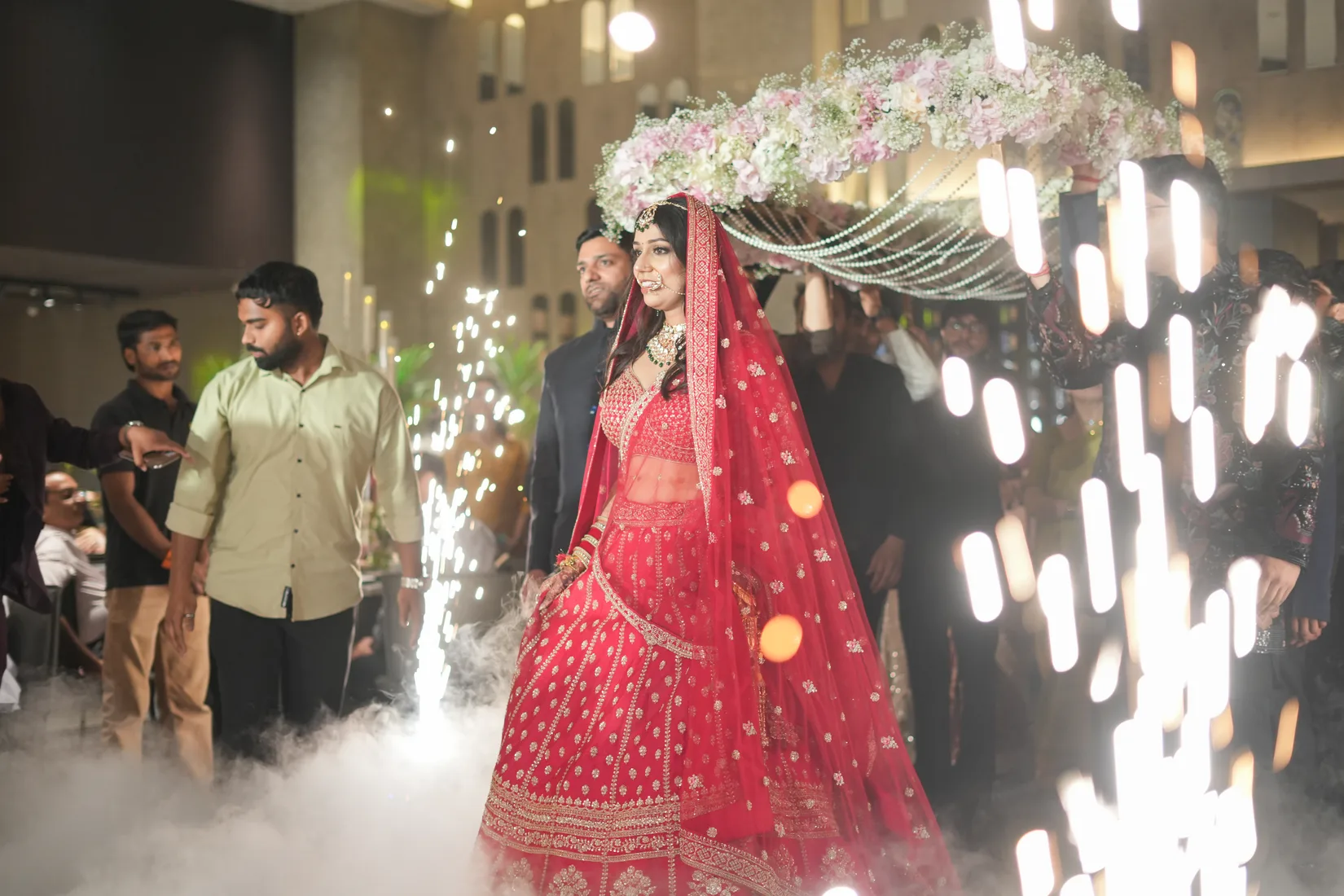
Before the event, communicate with the hotel's lighting director about your photography needs. Are they willing to bring up the ambient light slightly during the ceremony or formals so you can shoot at lower ISOs? Can they avoid strobing or harsh colour changes during key moments? Will they programme slightly warmer tones for the first dance, which flatters skin? Most professional hotel lighting teams are experienced with photographer needs and willing to make minor adjustments. During the event, understand the colour temperature of the uplighting so you can set your white balance accordingly—if the walls are bathed in warm amber, your white balance should account for this, and you can trust that warm tone rather than fighting it. Watch the lighting cues; if the hotel dims the ballroom for a spotlight moment (like the couple's entrance), be ready with a wider aperture and maybe a touch of controlled flash to keep the couple exposed. Learn to love the ambient light rather than fighting it; a photograph shot in the hotel's sophisticated lighting will look more expensive and polished than one where you've introduced contradictory off-camera light that fights the planned aesthetic.
Capturing Formal Ceremonies in Polished Settings
Formal ceremonies in hotel ballrooms follow structured, choreographed sequences. The couple arrives, stands at a designated position, exchanges vows under specific lighting, and exits to programmed music. The formality and predetermined nature requires a photographer to know the sequence and be positioned perfectly before each moment unfolds—there's no second chance, no relocation mid-moment.
Work with the ceremony planner to understand the exact timing and positioning. Where will the couple stand? From which direction will the bride walk? Where will close family sit? Is there a photographer's well or designated position? Scout the ceremony space before guests arrive, identify your key vantage points (usually the side for the bride's walk, the front-centre for vows, a side position for reactions), and position yourself there before the sequence begins. Anticipate moments rather than react to them—as the bride walks, you should already have a bead on the groom's face to catch his reaction. As the priest or officiant speaks, follow the couple's eyes and expressions. During the kiss or final pronouncement, have already shifted to your position to capture it clearly. A second camera positioned for a static shot (perhaps on a tripod for a straight-ahead view of the couple's vows) acts as insurance and allows you to be mobile while having a fall-back angle. Formal hotel ceremonies reward technical perfection—sharp focus, correct exposure, classic composition—because the moment itself carries emotional weight; your role is to document that clarity and emotion without distraction.
Editorial Elegance: Styling Portraits Against Architectural Backdrops
A luxury hotel's architectural details—soaring columns, grand staircases, marble floors, arched alcoves, dramatic windows—are your portrait toolkit. Where a photographer in a minimalist space must create context and interest through positioning and light, a hotel photographer can leverage the building itself as an aesthetic partner.
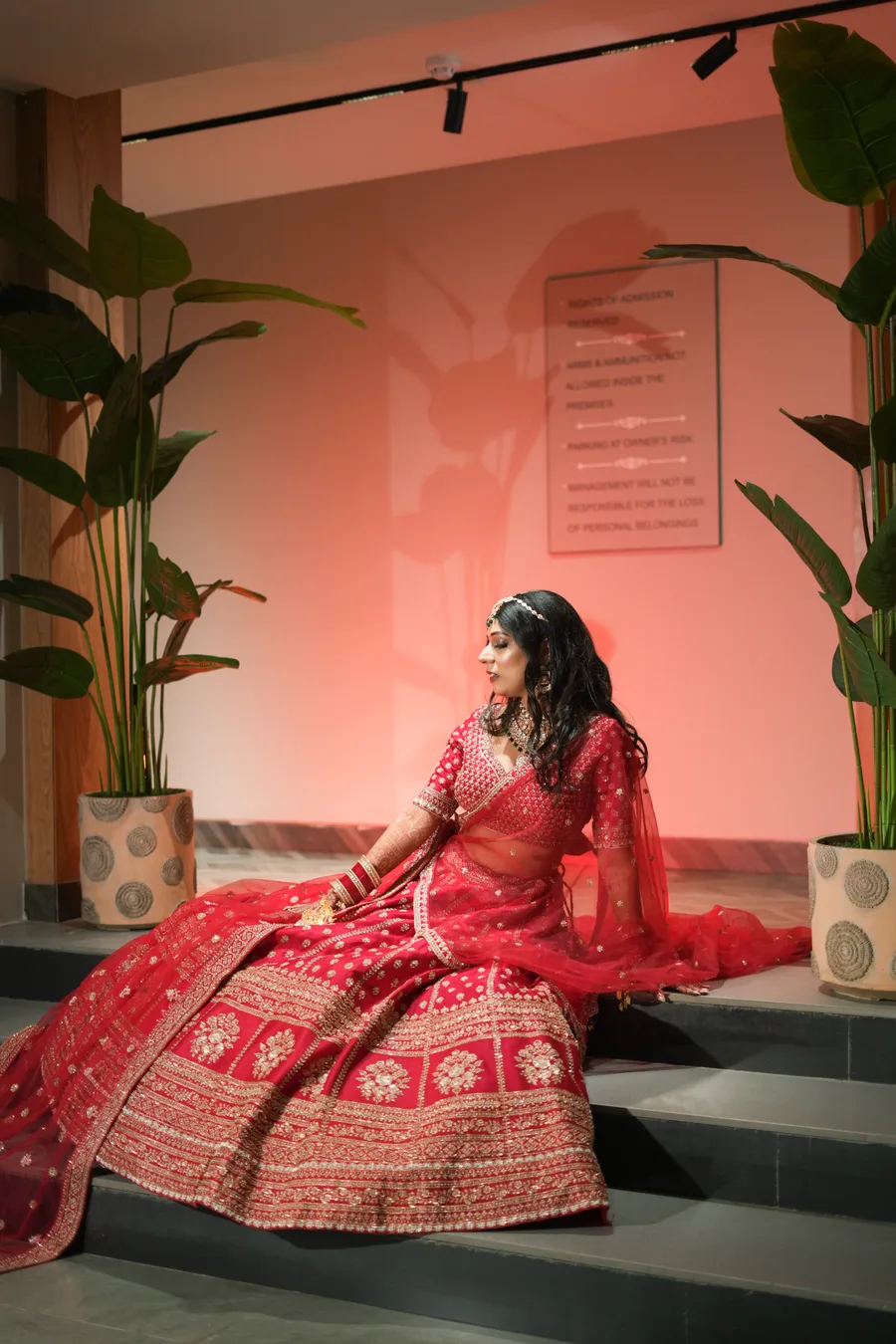
Seek out architectural features that naturally frame or complement the couple. A couple positioned on a staircase uses the lines of the steps to create visual structure; shooting from a lower angle makes them appear commanding and romantic. A couple photographed within an alcove or doorway gains natural framing and depth. Marble or ornate floors create leading lines; position the couple so the floor's geometric patterns guide the eye toward them. Large windows, even if they face an urban view, provide soft, directional light for portraits—position the couple near (but not directly in) the window, using its light to illuminate their faces while the window itself remains out of the frame or diffuse in the background. Arches and columns create frames within the frame—position the couple inside an arch so the architectural element becomes part of the composition. All of these choices should feel natural, never forced; the couple should be laughing, looking at each other, walking, not posed awkwardly to align with a pillar. The architectural elegance should support the human story, not replace it. During couple portraits in a luxury setting, aim for images that could appear in an upscale bridal magazine—polished composition, flattering light, genuine emotion, and a sense of occasion—while maintaining the authenticity and connection between the two people. If you're planning a hotel wedding and want to ensure your photography matches the venue's sophistication, consider discussing your vision and approach with Lens9 Studio.