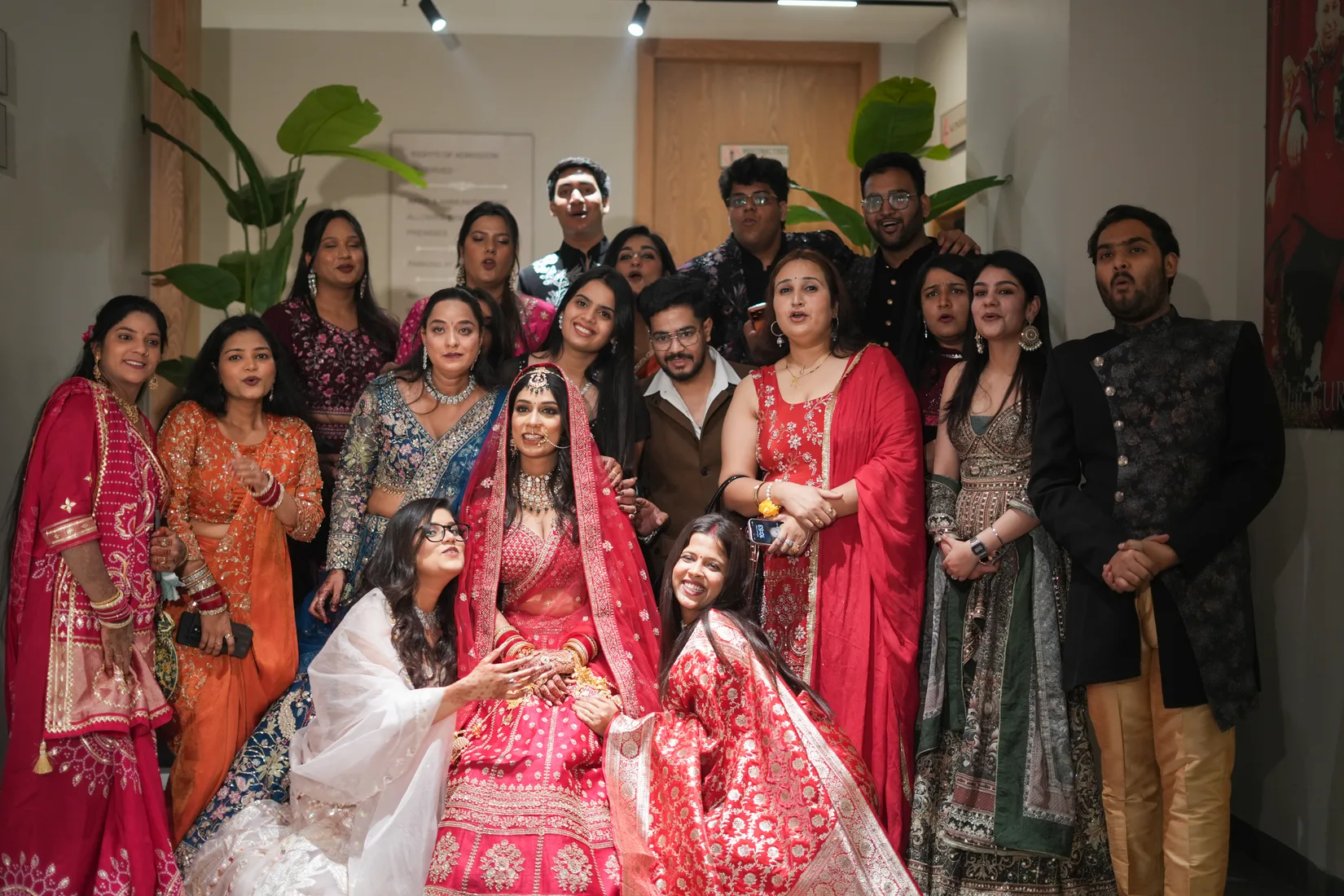
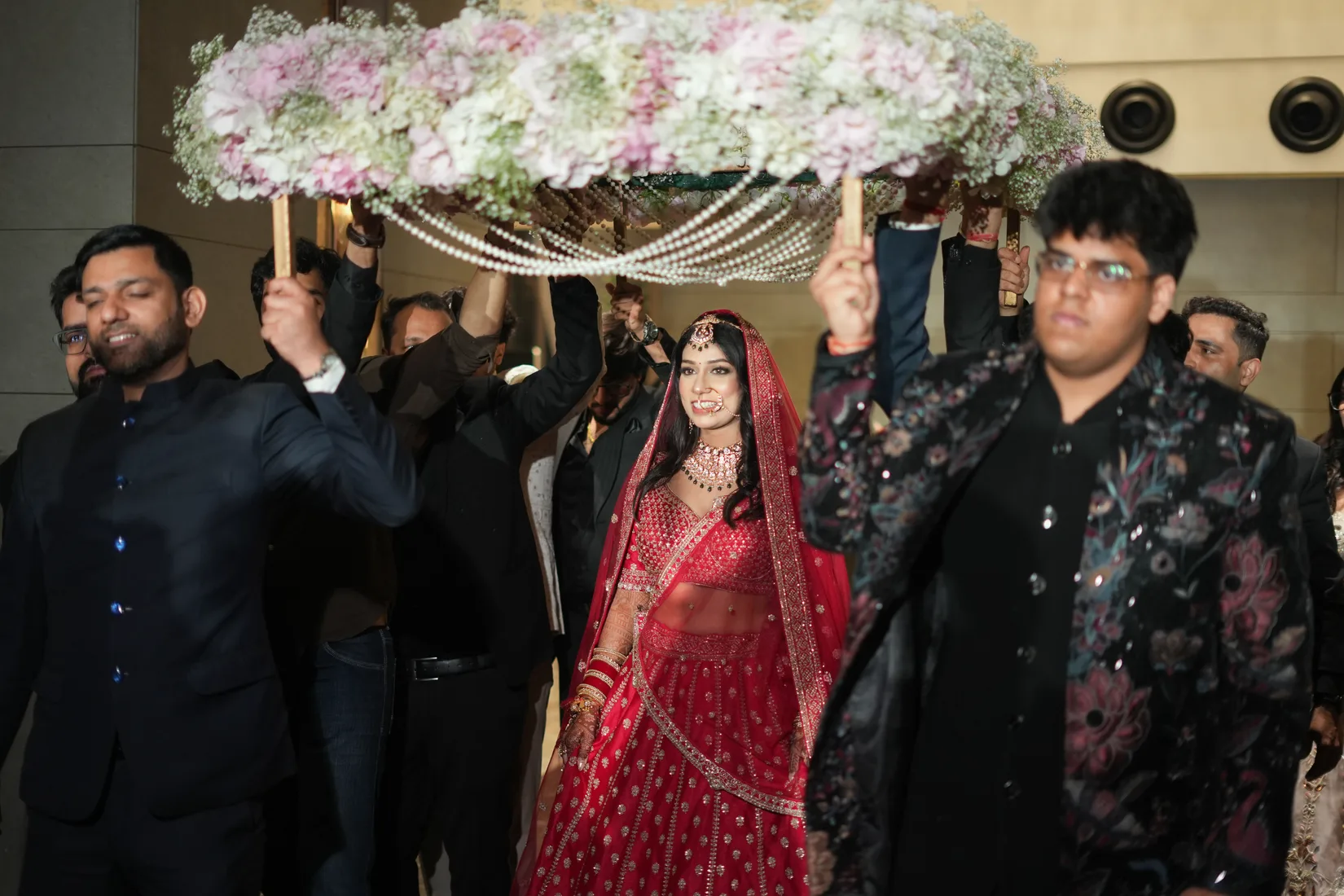
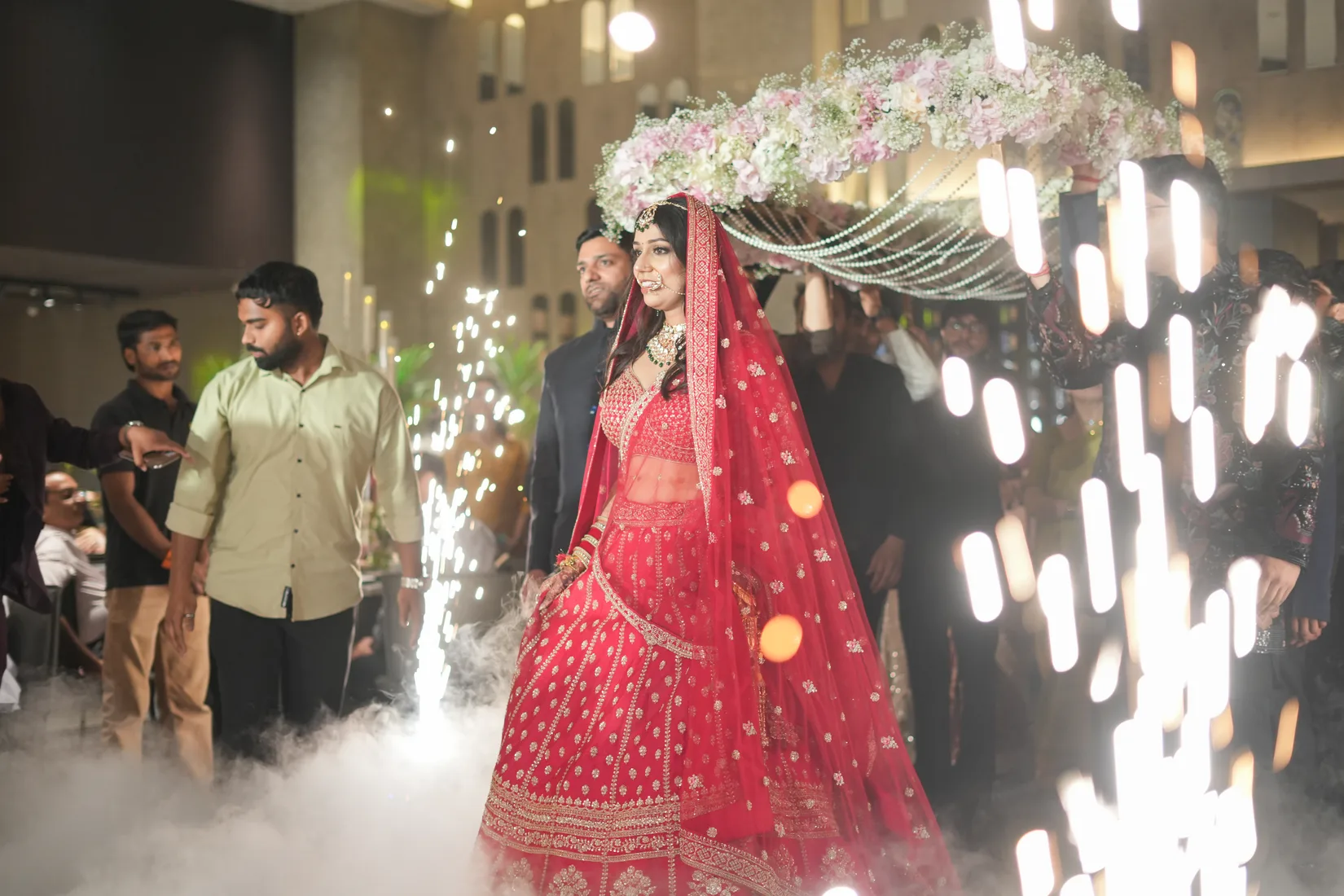
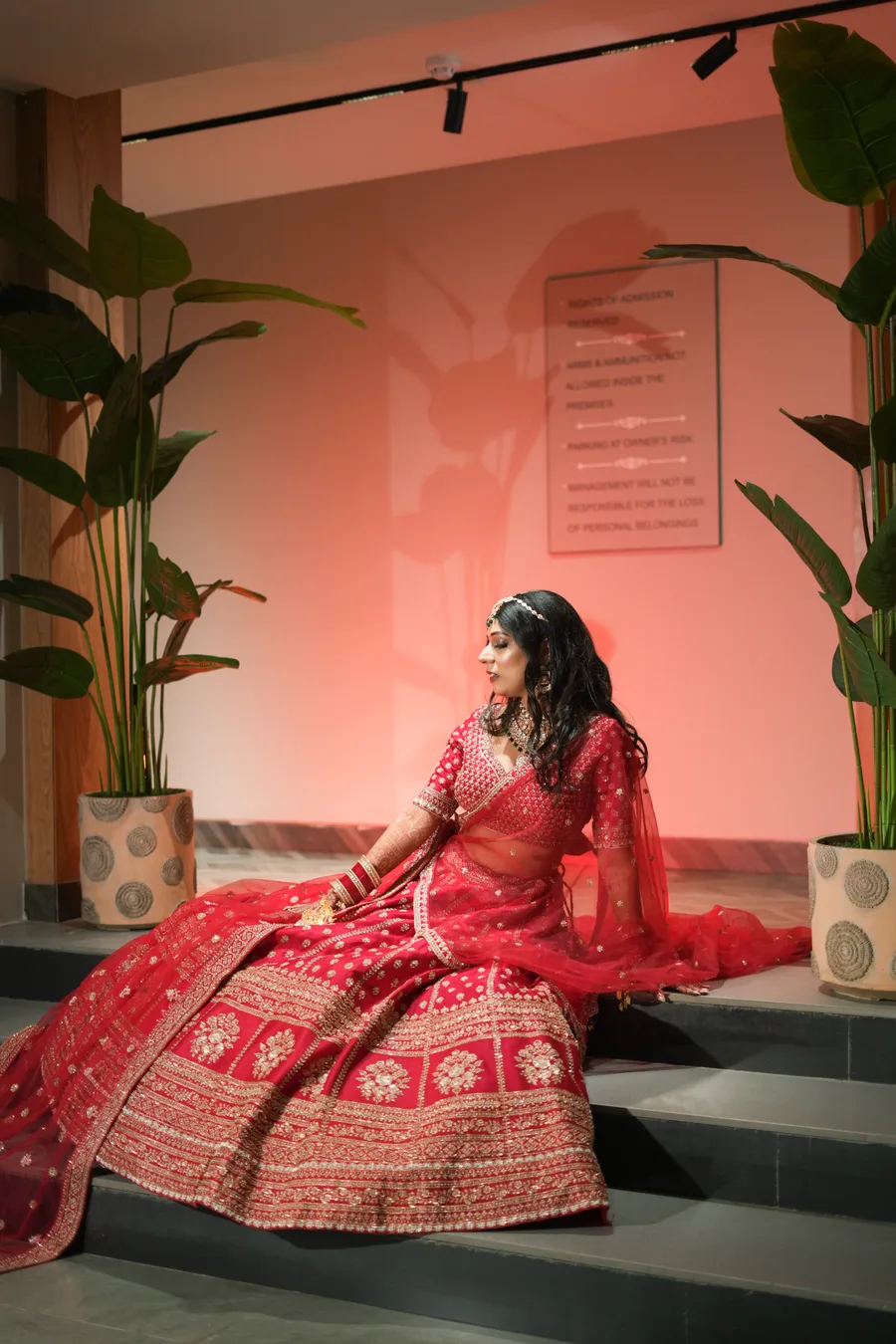
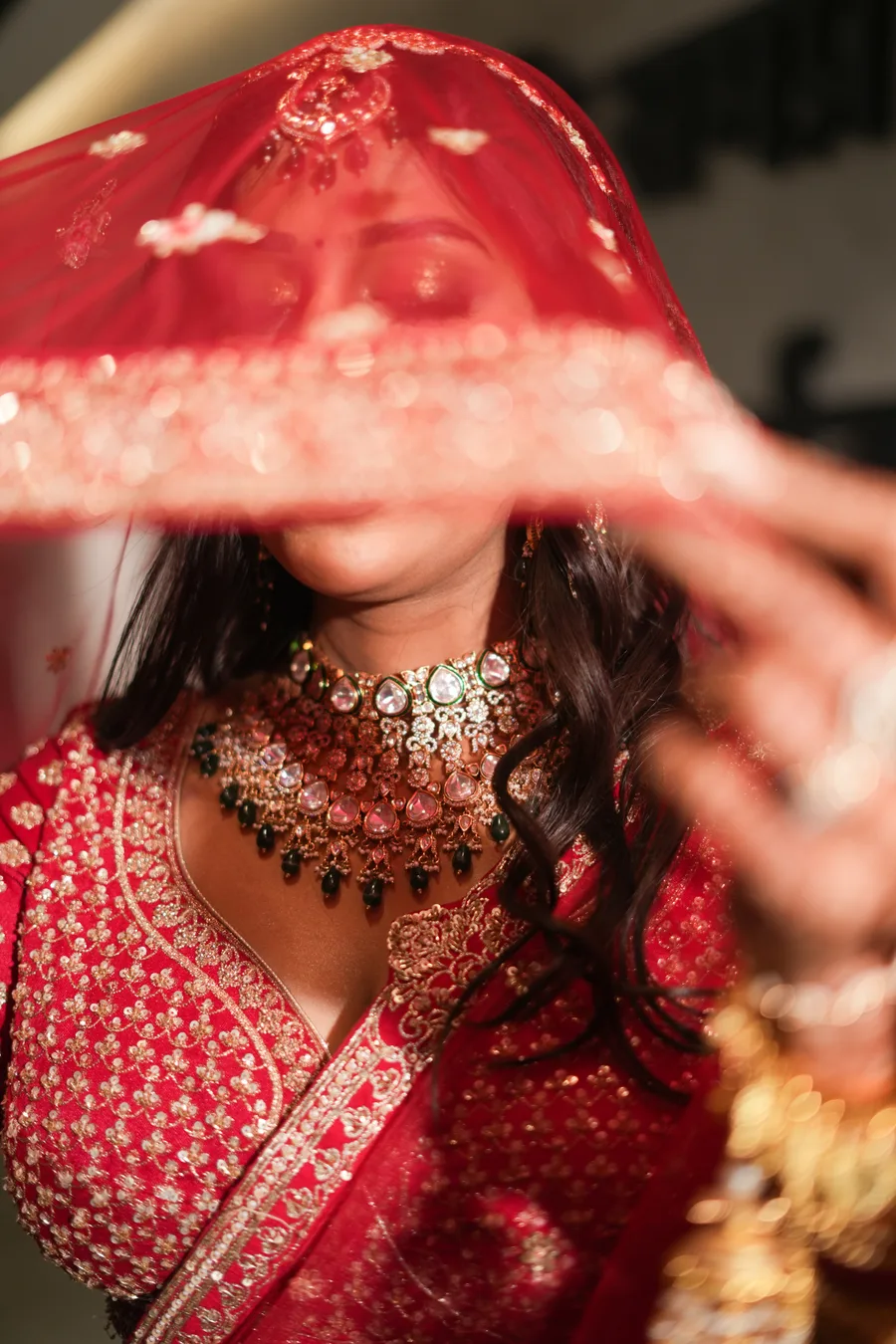
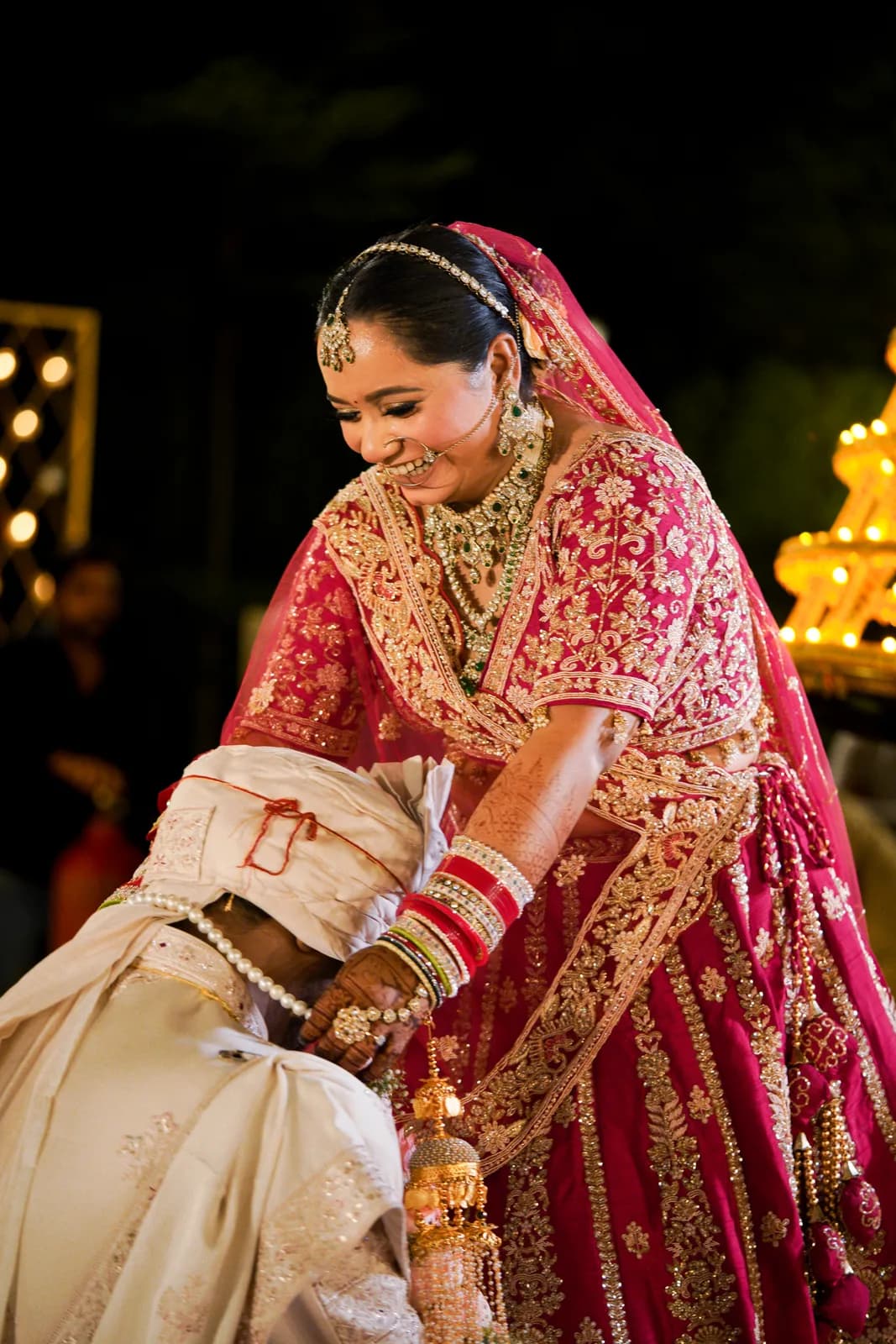
The mehndi ceremony celebrates henna artistry and joy before the wedding. Capturing intricate designs, laughter, and intimate moments requires patience and specific techniques. Every detail tells part of your wedding story.
Why Mehndi Photography Matters to Your Wedding Story
The mehndi ceremony marks an important threshold in Indian wedding celebrations. For many families, this is the first major gathering before the big day, filled with music, dance, family bonding, and the elaborate application of henna on the bride. It's a celebration uniquely positioned between daily life and the solemnity of the wedding itself – more relaxed than the reception, yet deeply meaningful. The joy here is unguarded; sisters tease the bride, friends burst into impromptu dance, and generations come together.
Mehndi photography captures something most other wedding events don't: pure, uninhibited happiness. It's not about the grandeur of a reception or the formality of a ceremony – it's about texture, tradition, and tenderness. When you photograph the mehndi well, you're preserving the spirit of female camaraderie, the artistry of the henna artist, and the bride's transition into married life. These moments, often informal and fleeting, become some of the most treasured images in any wedding album because they feel authentic and alive.
The Technical Art of Capturing Henna Detail
Mehndi photography requires a different technical approach than other wedding coverage. The intricate patterns on the bride's hands demand close-up work, macro lenses, and thoughtful lighting to reveal delicate lines without flattening the image or casting harsh shadows. A skilled photographer will use natural window light when possible, or carefully positioned diffused strobes, to create dimension while keeping colours true to the actual henna.
The challenge is balancing wide shots of the ceremony with intimate detail work. You might photograph the bride sitting at the centre of gathered women, then move in to capture the henna artist's hands at work, then zoom in further on mandala patterns emerging on the bride's arms. Each scale tells a different part of the story, and a good mehndi photographer moves fluidly between them. Depth of field matters here – using shallow depth of field isolates henna detail from busy backgrounds, making even a crowded room feel intimate.
The Emotional Peaks: Laughter, Tears, and Candid Connection
Beyond technical execution lies the emotional landscape of mehndi – often the richest seam for storytelling. The bride's face as the henna artist paints intricate patterns; a mother's hands adjusting her daughter's jewellery; siblings laughing at inside jokes; the nervous excitement visible when the groom's name is hidden in the mehndi design. These moments happen in between the 'organised' parts of the event, which is why documentary-style coverage is crucial.
A photographer who understands mehndi knows when to step back and observe. The most powerful images aren't posed – they're captured during gaps when people forget the camera is there. A friend leaning close to examine a design, a grandmother's smile as she watches younger generations dance, the bride catching her reflection and pausing – these seconds are precious. Experienced mehndi photographers anticipate emotional beats rather than interrupt them, using prime lenses and available light to remain present without being intrusive.
Planning Your Mehndi Timeline for Photography
A well-planned mehndi day is a gift to your photographer. Most mehndi ceremonies run four to six hours, and understanding the rhythm helps capture it fully. The henna application is the heart and typically occupies the middle hours – timing this properly ensures good light and allows the photographer to capture both the artist's work and the bride's interactions with guests.
Talk with your photographer about when to expect key moments: Will the groom arrive? Will there be a time for dancing or performances? Are there family rituals specific to your tradition? If your ceremony is outdoors, understand how light will shift and plan important shots accordingly. Indoors, work with your venue to maximise available light or plan for artificial lighting. A mehndi that starts mid-afternoon and extends into early evening offers both natural light for detail work and golden-hour portraits as the day winds down.
Preparing Your Photographer and Yourself
Brief your photographer on the cultural nuances of your mehndi. What matters most to your family – the artistry of the henna, the participation of specific relatives, traditional rituals? A photographer who understands these priorities will know where to position themselves. Some families prefer observational, documentary-style coverage; others want guided portraits of key people. Choose a photographer who's shot mehndi before and can speak knowledgeably about preserving both visual beauty and emotional truth.
On the practical side, ensure your photographer has clear access to the bride without disrupting proceedings. A second camera operator can be invaluable – one person capturing detail shots of henna while another documents the wider celebration. Discuss dress code, technical needs like charging points, and any restricted areas. Finally, working with us at Lens9 Studio means we'll talk through your vision and tailor our approach to honour what this ceremony means to your family, ensuring every intricate detail and genuine moment is preserved.