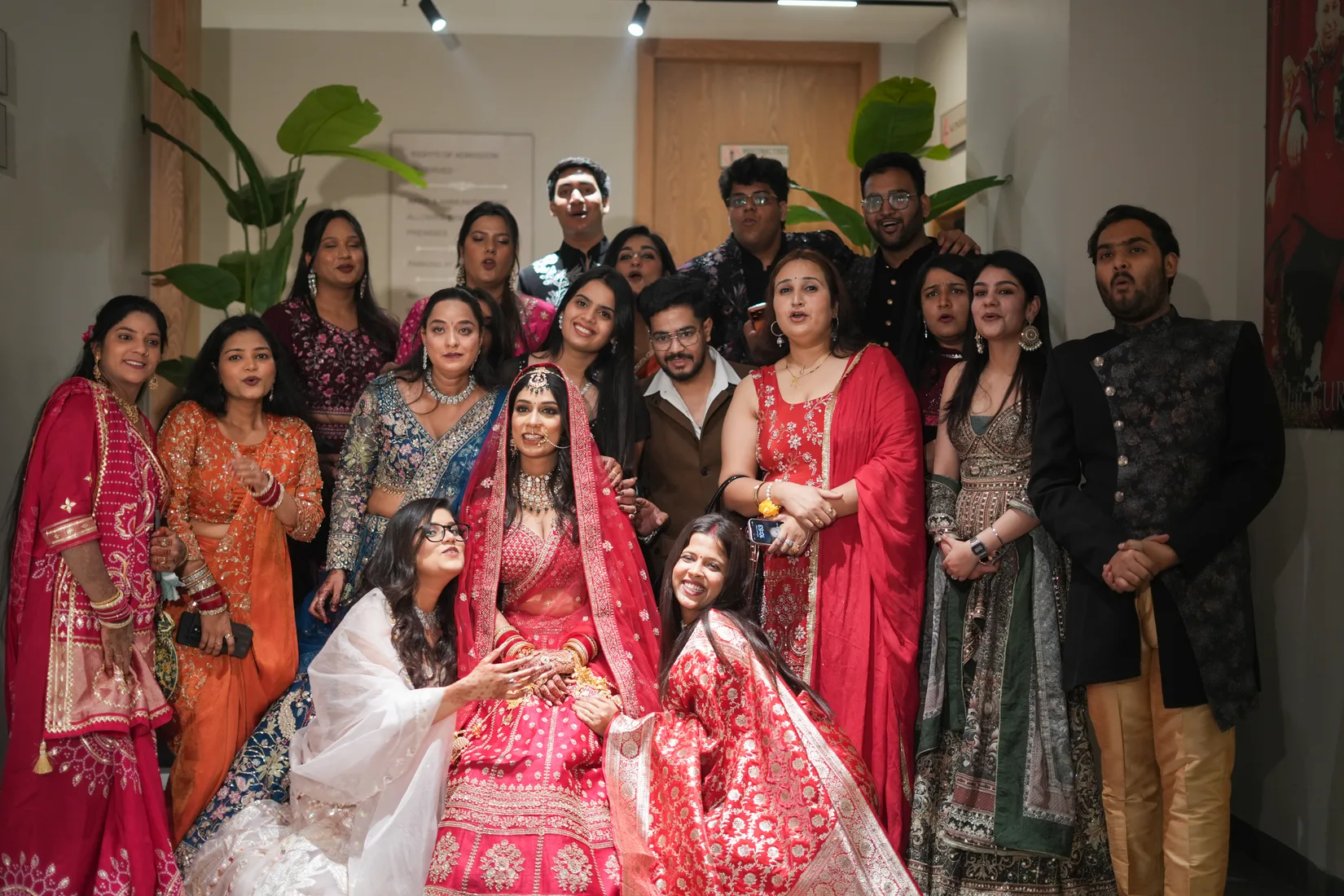
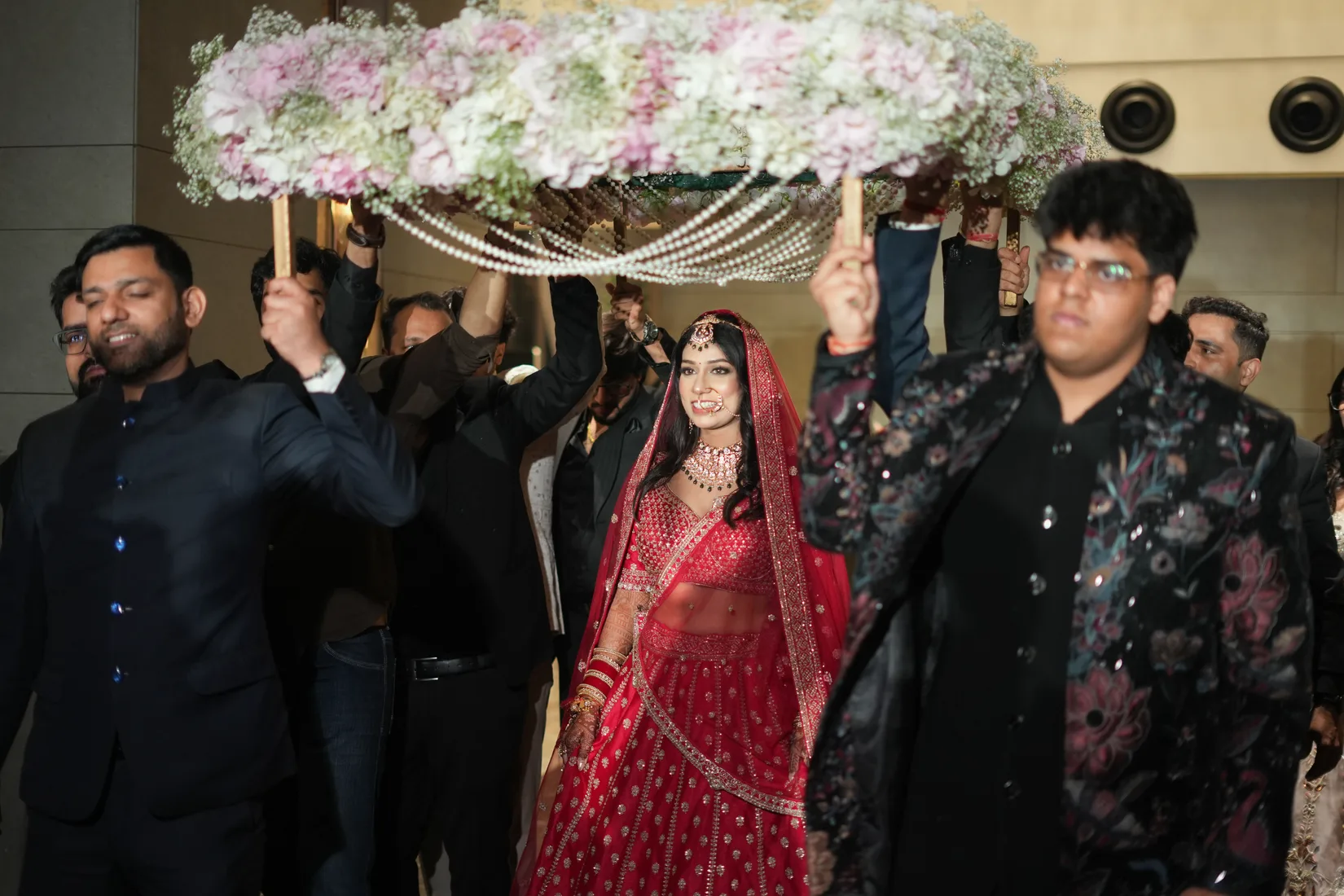
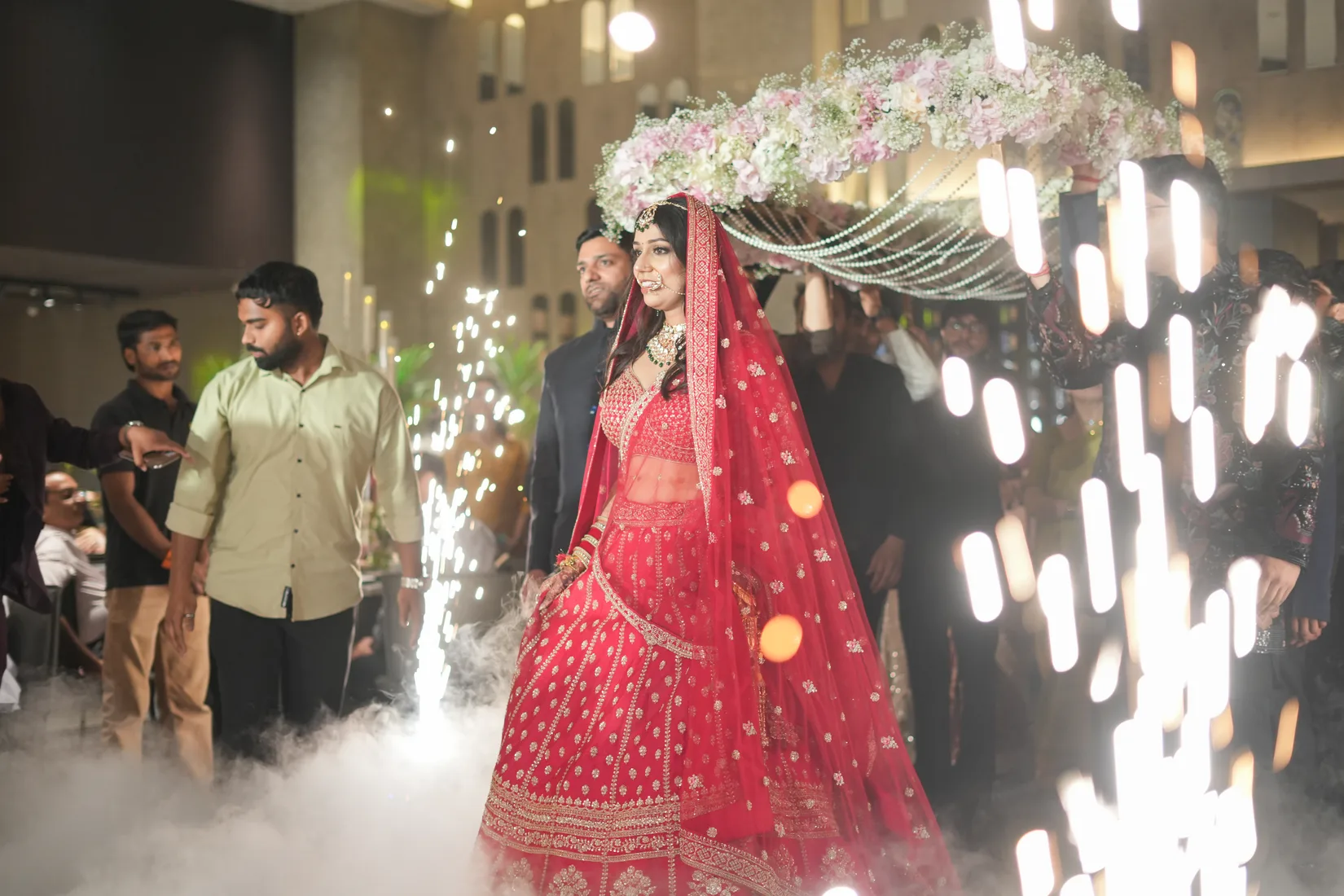
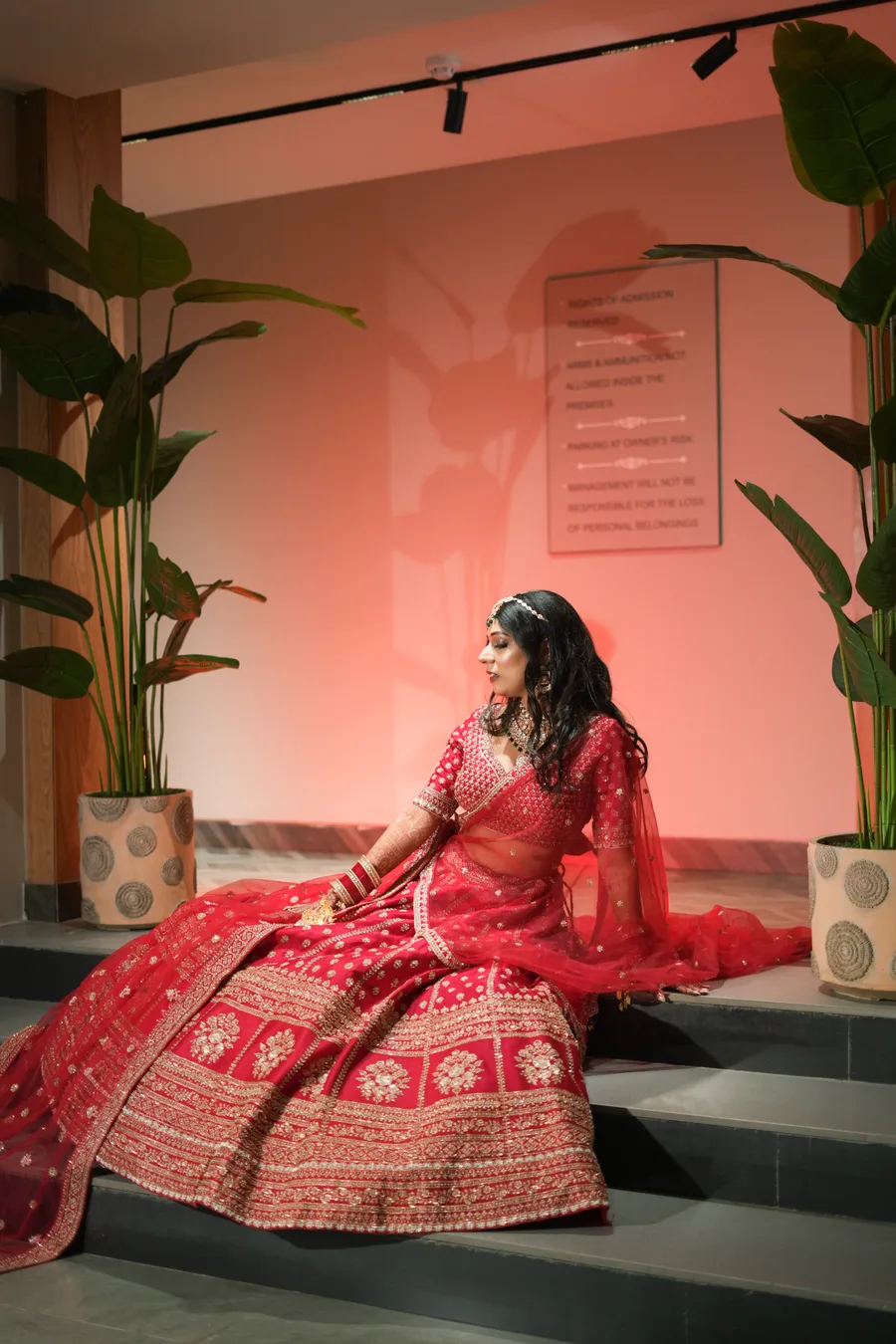
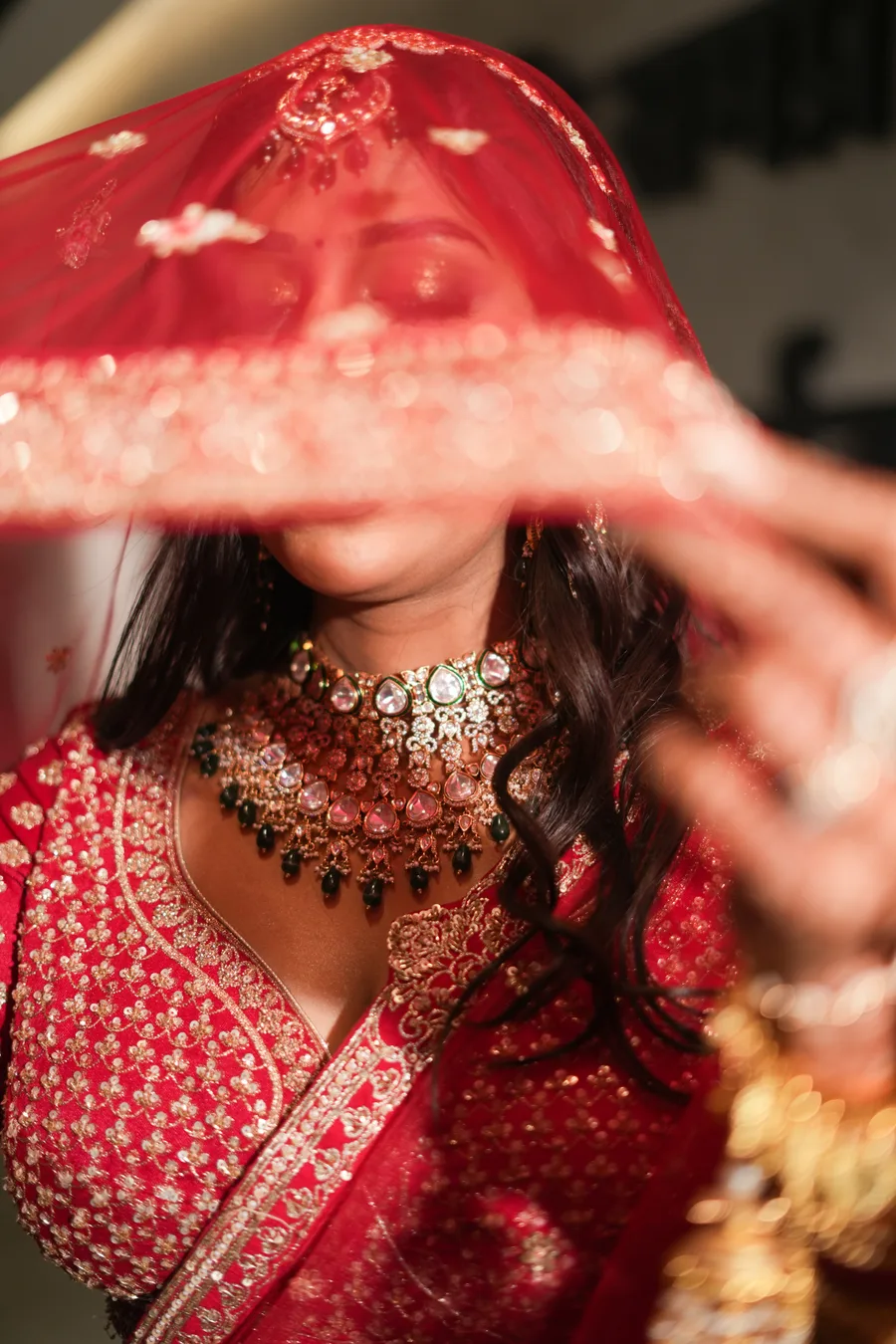
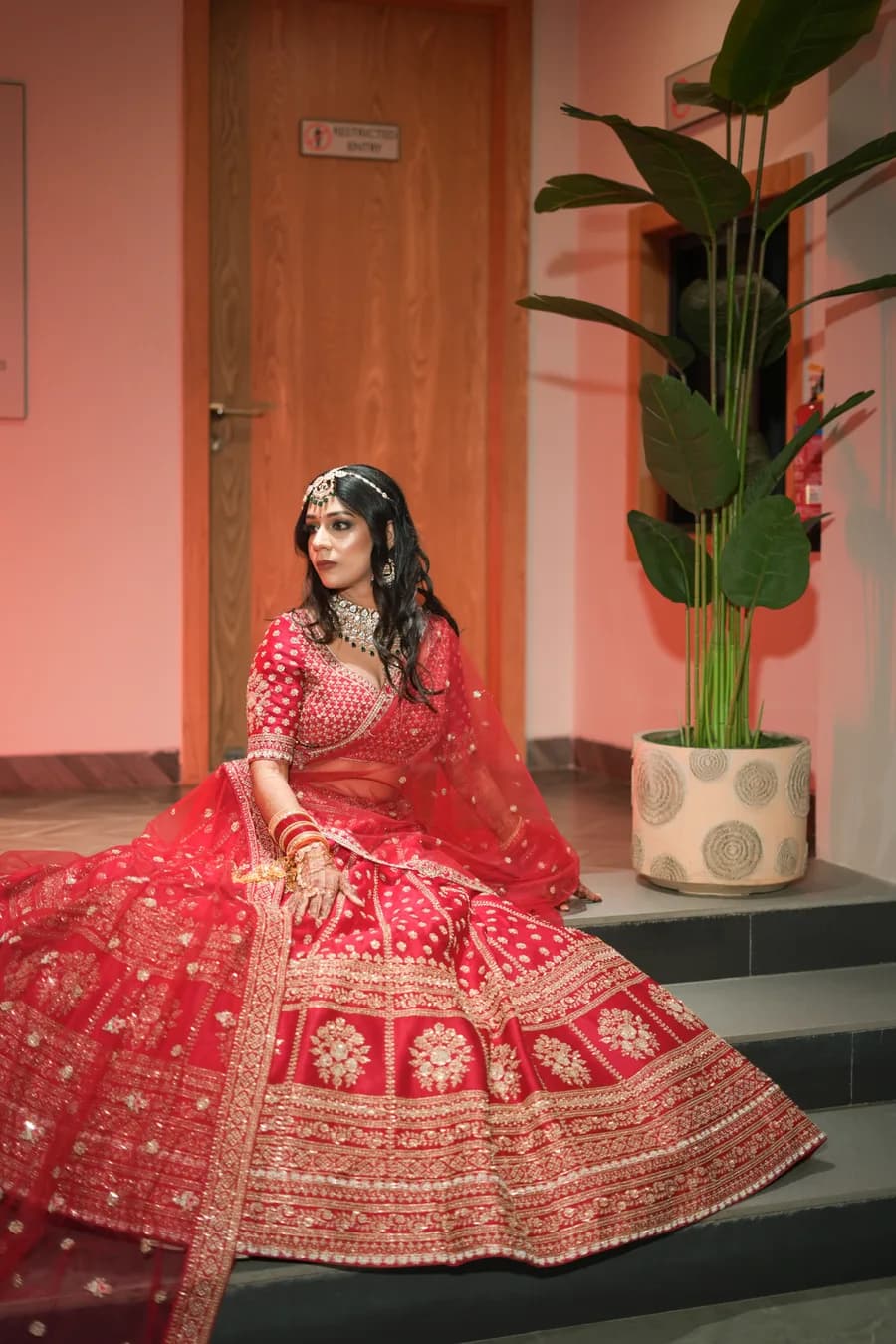
Muslim weddings hold profound spiritual significance and intimate grace. We document the Nikah ceremony and the surrounding celebrations with respect for tradition, the quiet moments that matter most, and the genuine emotion of commitment.
Understanding Muslim Weddings and Photographic Approach
Muslim wedding photography requires an understanding that the central ceremony—the Nikah—is a spiritual contract of profound significance. The Nikah is not elaborate in the theatrical sense; it is focused, intentional, and centred on the bride and groom's consent and commitment before witnesses and often before the Qazi (an Islamic religious authority). As photographers, we approach this ceremony with reverence, maintaining distance when the couple is in private moments with the Qazi, and remaining unobtrusive even during the formal portion of the ceremony.
The aesthetic of Muslim weddings varies significantly depending on the family's cultural background (Arab, South Asian, Malay, etc.), regional traditions, and personal preferences. Some brides wear traditional sharaara or lehenga, others prefer Western bridal gowns, and still others opt for formal sarees or designer Indian wear. The groom might wear a sherwani, a Western suit, or traditional dress from his cultural background. Rather than imposing preconceived ideas about how Muslim weddings should look, we listen to the couple and their families to understand what their celebration should be.
The Nikah Ceremony: Stillness and Consent
The Nikah ceremony itself is often brief compared to Hindu or Sikh ceremonies. The Qazi reads the Ijab (offer) and Qabul (acceptance), and both bride and groom must explicitly consent to the marriage. This moment of mutual agreement—often communicated with quiet 'qabul's from both parties—is the heart of the ceremony. We photograph this moment with respect and minimal intrusion: capturing the bride and groom's faces, their hands if they are holding each other, the faces of family members witnessing, and the overall atmosphere.
Some families prefer private Nikah ceremonies with only the Wali (bride's guardian) and two witnesses present, while others have larger Nikah events with extended family and friends. We adapt to whatever the family's preference is, remaining present enough to document but sufficiently distant to respect the sanctity of the moment.
Pre-Wedding Celebrations: Mehendi and Walima Preparation
Many Muslim weddings include pre-wedding celebrations, most commonly the mehendi ceremony where henna is applied to the bride's hands and arms. This is often an all-women's affair filled with traditional songs, dancing, and celebration. The mehendi artist's work creates beautiful, intricate patterns, and we photograph the bride's hands as the henna is applied, the concentration on her face, the joy of being surrounded by female relatives and friends. The henna leaves a rich, burnished stain that photographs beautifully, particularly in natural light.
Some families hold a formal Walima (reception) the evening after the Nikah, while others combine the Walima with other celebrations. The Walima is often a festive occasion where the groom's family hosts the bride's family and the broader community. We photograph the couple being welcomed formally into the groom's family, the sharing of the meal (which holds ceremonial significance in Islamic tradition), and the visible joy of extended family and friends.
The Intimate Spaces and Emotional Truth
A significant part of our approach to Muslim wedding photography is capturing the intimate spaces and quieter moments alongside the more formal ceremonies. These include moments between the bride and her mother before the Nikah, the bride's emotions as she prepares, the groom's reactions as he sees his bride, and the genuine tenderness between family members. We remain alert to cultural sensitivities around male-female interaction, respecting any boundaries the family prefers while still creating space for authentic emotion to emerge.
We also document the bride's preparation, which often involves application of bridal makeup and the precise draping or pinning of the bridal outfit. This transformation from young woman to bride is as significant in Muslim wedding traditions as in others, and we approach it with the same care and attention we'd give to any bride's preparation.
Regional Traditions and Personal Expression
Muslim weddings in India often blend Islamic ceremony with regional and cultural traditions. A Muslim wedding in Kerala might incorporate elements of Malayali culture; one in Kashmir might reflect Kashmiri traditions; one in a Hyderabadi family might include specific Hyderabadi customs. Some families are more conservative in their celebrations; others are more elaborate. Some prefer traditional Islamic dress and ceremonies only; others blend modern and traditional elements. Our job is to understand and respect each family's specific approach without imposing assumptions.
We ask questions during our initial consultations about any specific rituals or moments that matter deeply to the family. Understanding whether there are female-only spaces, whether certain moments should be photographed or left private, and what the family's vision for the final images is—these conversations shape how we approach the actual celebration.
The Celebration and Spiritual Continuity
After the Nikah and formal ceremonies, many Muslim wedding celebrations become increasingly joyful and informal. We capture the couple enjoying their first meal together as a married couple, dancing or celebrating with family and friends, and the visible relief and happiness that comes after the significant spiritual commitment. Some families may dance to modern music; others prefer traditional music. Some may have elaborate feasts; others prefer simpler celebrations. We document whatever unfolds with respect and genuine interest.
Throughout your Muslim wedding, our approach is to honour the spiritual significance of your union while also celebrating the joy of family and community. If you're planning a Muslim wedding and want photography that respects both the sacred dimensions of your Nikah and captures the genuine emotion of your celebration, Lens9 Studio would be honoured to work with you.