Explore whether a second shooter is right for your wedding. Learn how multiple photographers capture more moments, manage large venues, and reduce missed shots.
Single Photographer Coverage: Strengths and Limitations
A single photographer can absolutely deliver beautiful wedding coverage, particularly for intimate celebrations or shorter events. One dedicated photographer brings focused energy, consistent styling, and personal connection to your day. They develop a rhythm with your family, anticipate key moments, and create a cohesive visual narrative. Single-photographer packages are also more affordable, making professional coverage accessible to couples with smaller budgets. For ceremonies lasting 2-3 hours or receptions with straightforward timelines, one shooter often suffices.
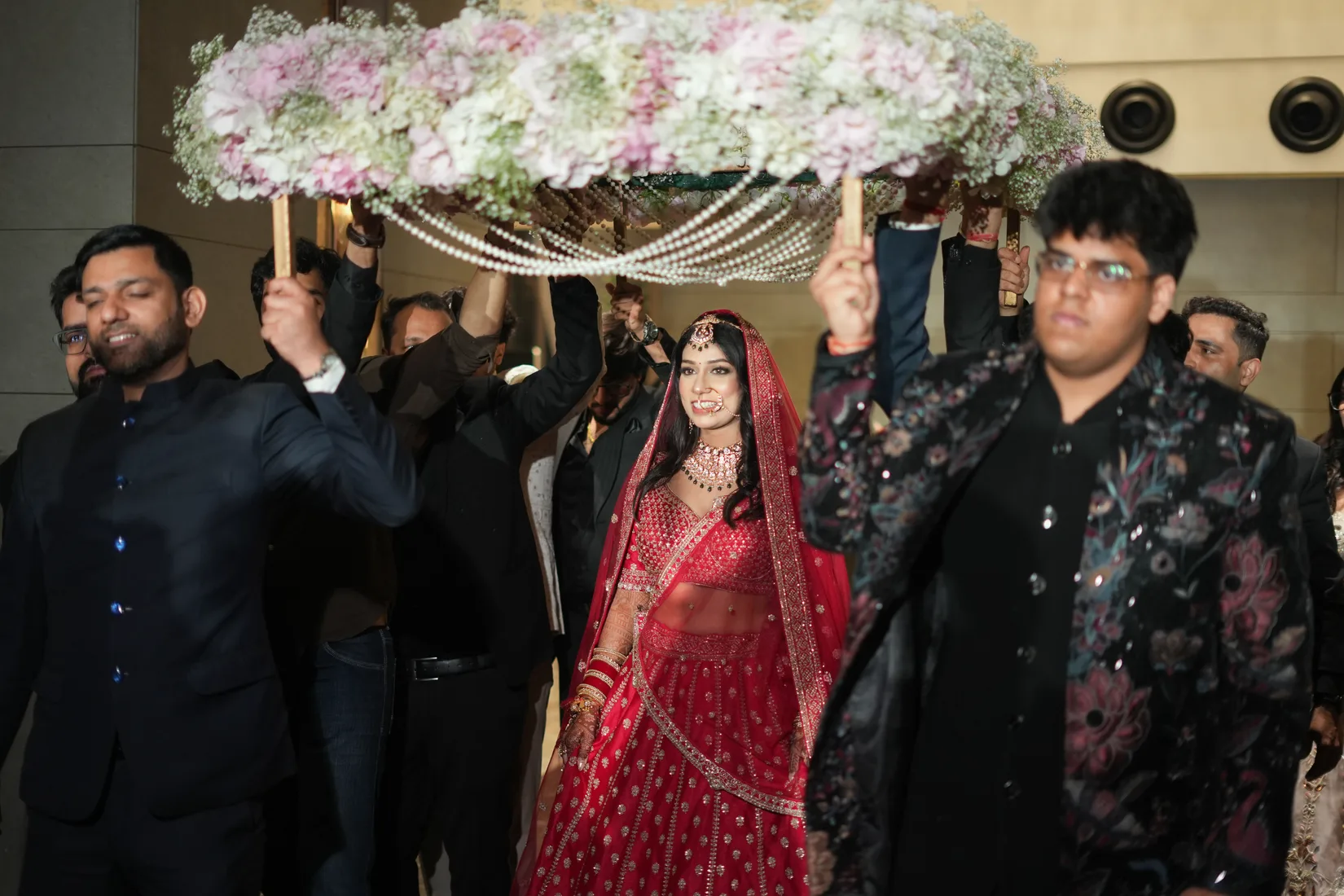
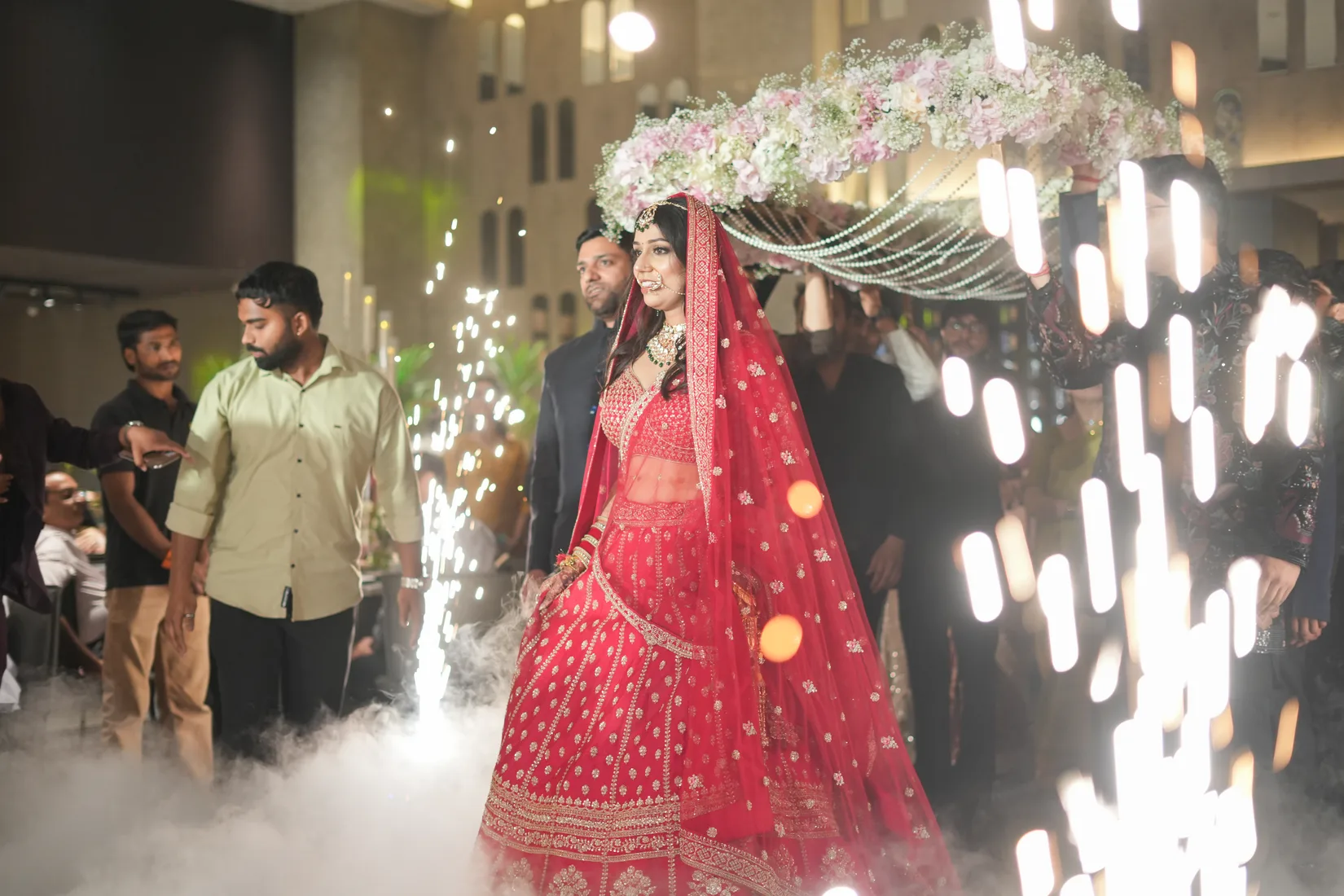
However, a single photographer faces inherent limitations: they can't be in two places simultaneously. During traditional Indian wedding ceremonies, important moments happen in multiple locations—the groom arriving, the bride preparing, family rituals at the altar, guest reactions. One photographer must choose which moments to capture, inevitably missing others. If your sister is walking in the baraat while meaningful expressions appear during the ceremony, your photographer must choose. Similarly, during the reception, capturing the first dance while guests enjoy dinner means candid guest moments are lost. Single-photographer coverage requires prioritisation.
The Case for Adding a Second Shooter
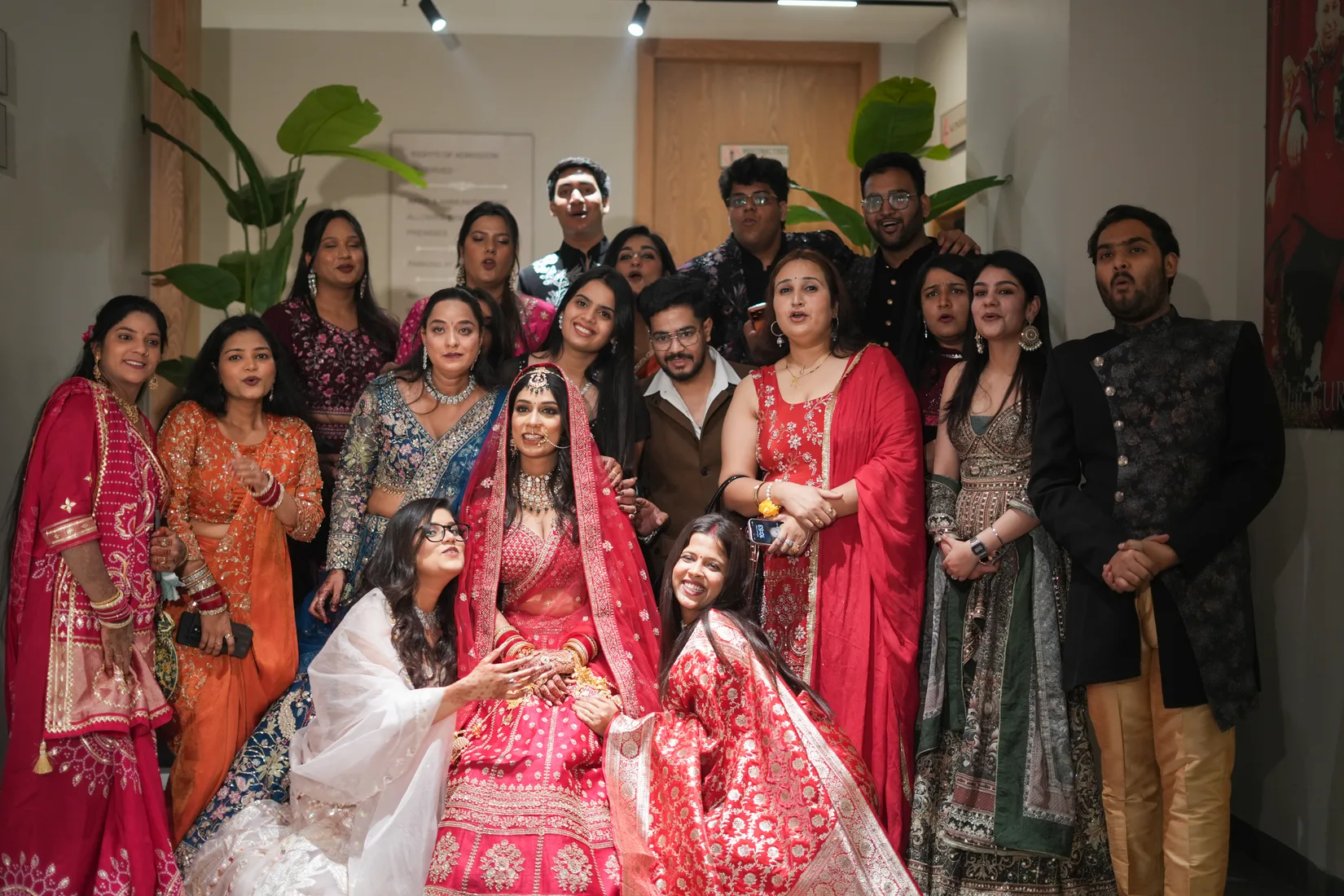
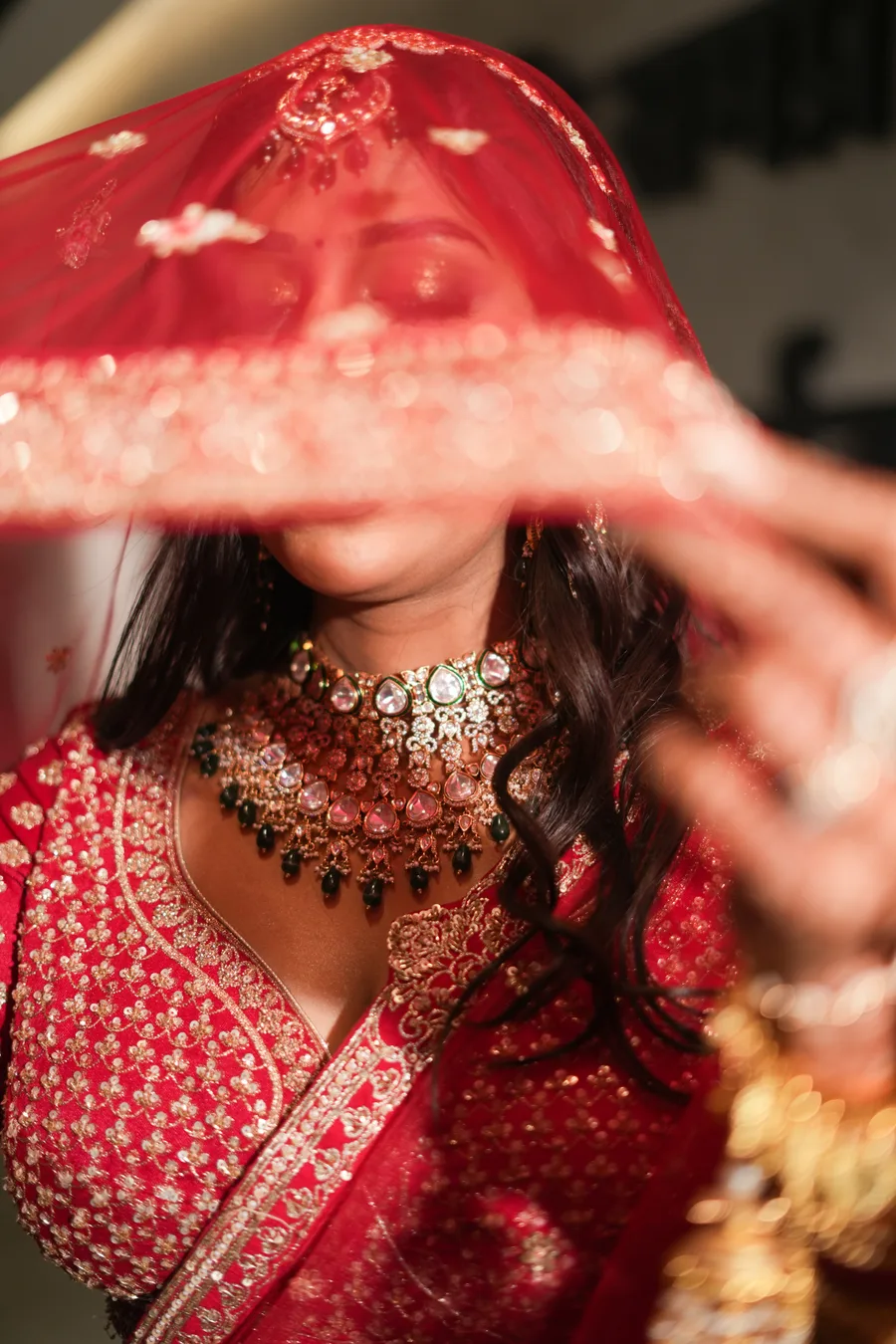
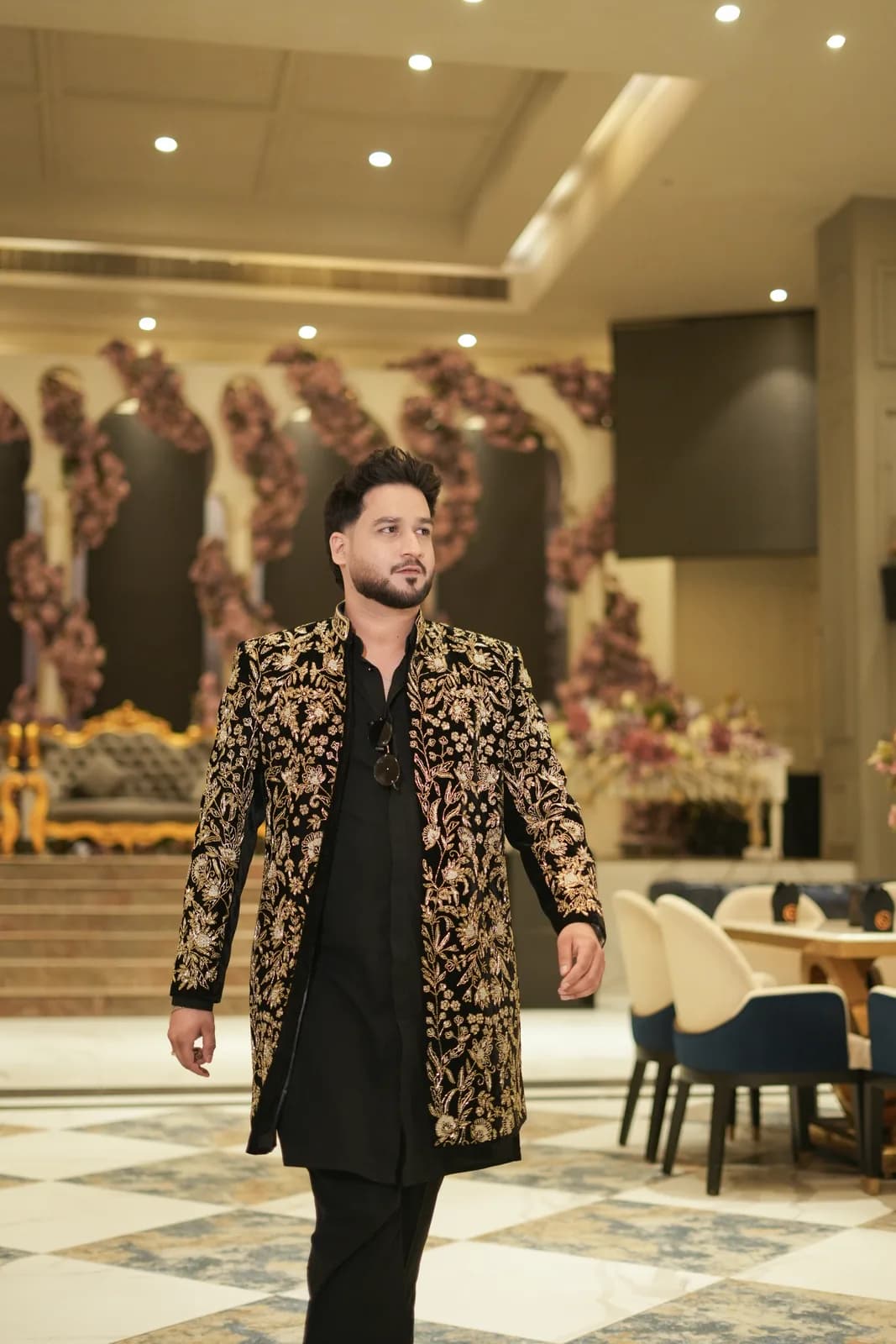
A second shooter transforms wedding photography from 'capturing the main moments' to 'documenting everything that matters.' With two photographers working in concert, your wedding day unfolds across multiple viewpoints simultaneously. The primary photographer might focus on the bride during ceremony preparation while the second captures the groom's reactions and family moments. During the reception, one can photograph the main events (speeches, cutting cake, first dance) while the other documents genuine guest enjoyment, details, and candid interactions. The result is comprehensive visual storytelling with depth and richness.
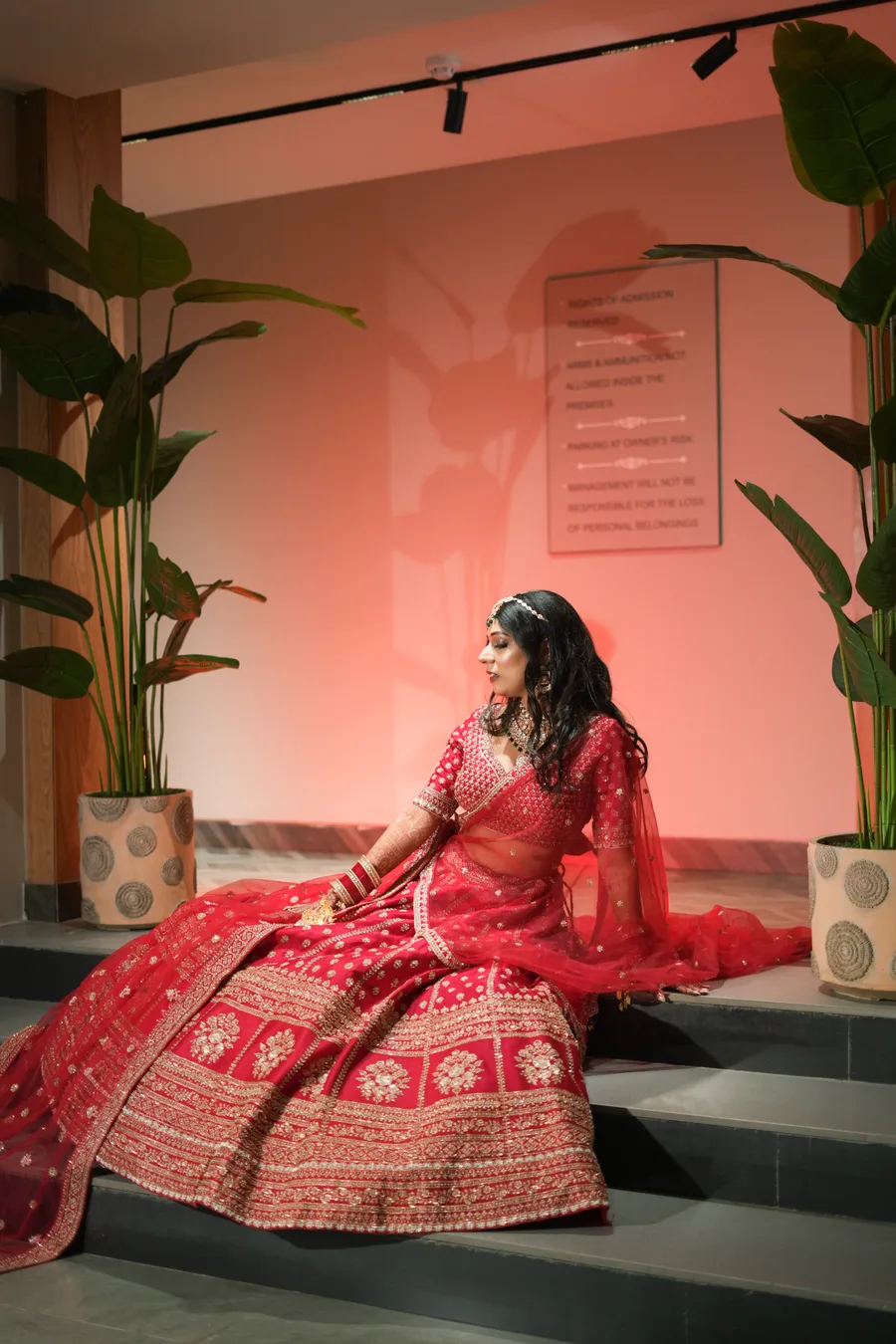
Beyond coverage expansion, a second shooter provides creative diversity. Two photographers working together naturally develop different perspectives—one might favour intimate, emotional moments while the other excels at environmental portraits. One might be drawn to traditional compositions while the other experiments with angles and movement. This diversity creates a final collection with visual interest and multiple ways of seeing your celebration. Additionally, having two people managing logistics reduces pressure on the primary photographer, allowing more time for creative exploration and directing important group moments.
Simultaneous Coverage of Multiple Events
Traditional Indian weddings often involve simultaneous events: the mehendi ceremony happening in one space while pre-wedding photography happens in another, or the groom's baraat arrival occurring as the bride completes final preparations. With one photographer, you must choose which event receives professional documentation. With a second shooter, both happen simultaneously and authentically captured. For multi-day weddings—mehendi, haldi, ceremony, reception—even with the same photographer attending all events, the second shooter allows deeper documentation of each day's texture and emotion.
Some couples host weddings across multiple venues or have events in different spaces on the same day. The second shooter becomes essential logistics here. Your photographer can cover the ceremonial space while their associate documents the reception setup, guest arrivals, and parallel celebrations. This approach ensures no critical moment—from the moment guests arrive to the last photograph before departure—goes undocumented. For larger weddings with 200+ guests or complex timelines, a second shooter transforms chaotic coverage into comprehensive documentation.
Artistic Perspective and Creative Variety
The secondary shooter isn't merely 'the second person'—they're a collaborating artist bringing their own sensibility to your wedding. Their perspective might capture moments your primary photographer would overlook: the grandmother's quiet joy during the ceremony, the groom's brother making his cousins laugh, a moment of genuine candour between parents. When both photographers maintain awareness of each other's position, they create dynamic coverage where scenes appear from multiple angles, distances, and emotional registers. Your final collection includes both the wide-angle celebration and the intimate close-up.
This creative collaboration also means editors have options during the final image selection. Perhaps a particular moment exists in three versions—one from each photographer's angle. Your editor can choose the most compelling version, or even use multiple versions to tell a fuller story. This abundance reduces the sting of the 'one chance to get the shot' pressure. Both photographers are simultaneously capturing, so if one misses a perfect expression, the other likely caught it. This redundancy combined with creative diversity results in wedding photography that feels complete and alive.
Logistics of Managing Two Photographers
Working with two photographers requires clear coordination and communication. Your primary photographer should brief the second shooter on your family structure, key moments you want captured, and the day's timeline. They should agree on coverage zones—one might focus primarily on the bride's preparations while the other documents the groom, then both converge for ceremony and reception. Without this planning, two photographers can step on each other's work, duplicating effort or creating gaps. Strong communication before the wedding ensures complementary coverage rather than redundant or missed moments.
During the day itself, the two photographers maintain contact—via phone or walkie-talkie—to coordinate movement, alert each other to moments worth capturing, and ensure important events receive adequate coverage from multiple angles. This doesn't mean they're constantly together; rather, they're aware of each other's position and actively sharing responsibility for comprehensive documentation. After the wedding, both photographers provide their images to a final editor who selects the best versions, removes duplicates, and creates a cohesive final collection. This process requires trust between photographers and clear agreement on the editing approach.
Budget and Value Considerations
A second shooter typically costs 30-50% of your primary photographer's fee—a significant but often worthwhile addition. Some couples budget for a second shooter for the full day; others bring one in for specific events (the ceremony, or the reception only) to manage costs. Partial second-shooter coverage still provides substantial benefit; your primary photographer won't miss the ceremony's emotional arc because a second shooter is capturing parallel moments. Decide what matters most to your coverage (the ceremony, guest moments, detail shots) and allocate your second-shooter budget accordingly.
The value calculation depends on your wedding's size, complexity, and your budget tolerance. Intimate 50-person gatherings might not justify a second shooter; your photographer can capture everything meaningfully alone. Large, multi-day celebrations or weddings with complex logistics almost always benefit. Mid-size weddings (100-200 guests) represent the grey area where a second shooter dramatically improves coverage without overwhelming cost. Consider also your emotional investment: if you want comprehensive documentation where nothing is missed and you want memories from as many angles as possible, a second shooter pays dividends. If you're comfortable with a more curated, focused perspective, one excellent photographer often suffices perfectly well.