Punjabi weddings overflow with music, colour, and multi-generational joy. Learn how to capture this exuberant energy, celebrate vibrant traditions, and preserve family bonds through your lens.
The Heart of Punjabi Celebrations: More Than a Wedding
A Punjabi wedding isn't a single event; it's a series of interconnected celebrations, often spanning multiple days, each with its own music, dress code, energy, and emotional texture. The mehendi, sangeet, haldi, and wedding day each carry distinct traditions and visual characteristics. Photographing Punjabi weddings means understanding and honouring these traditions while capturing the genuine exuberance, family connection, and joy that defines Punjabi celebrations.
The energy is palpable from the moment you arrive. Punjabi weddings celebrate with abandon; music is loud, dancing is enthusiastic, colours are vivid, and family bonds are expressed openly and physically. This creates an environment where photography can be simultaneously documentary (capturing what's happening) and creative (finding beautiful angles and moments within exuberant chaos). The visual language of Punjabi weddings differs markedly from more formal or restrained celebrations—bold colours should be saturated in your images, not muted; movement and blur can be joyful, not just problematic; candid moments of people mid-laugh, mid-dance, mid-embrace are often more valuable than perfectly posed images. Understanding this energy and matching your photographic approach to it—rather than trying to impose formality or restraint on an inherently exuberant celebration—is essential for images that feel authentic to Punjabi weddings.
Capturing Colour, Movement, and Musical Energy
Punjabi celebrations are visually loud and kinetic. Traditional and contemporary clothing choices are vibrant—deep reds, golds, teals, purples, greens—often embroidered or embellished. Dancers move quickly, music plays constantly, and the visual and auditory environment is intentionally energetic and joyful. Capturing this requires a different technical and aesthetic approach than intimate, restrained celebrations.
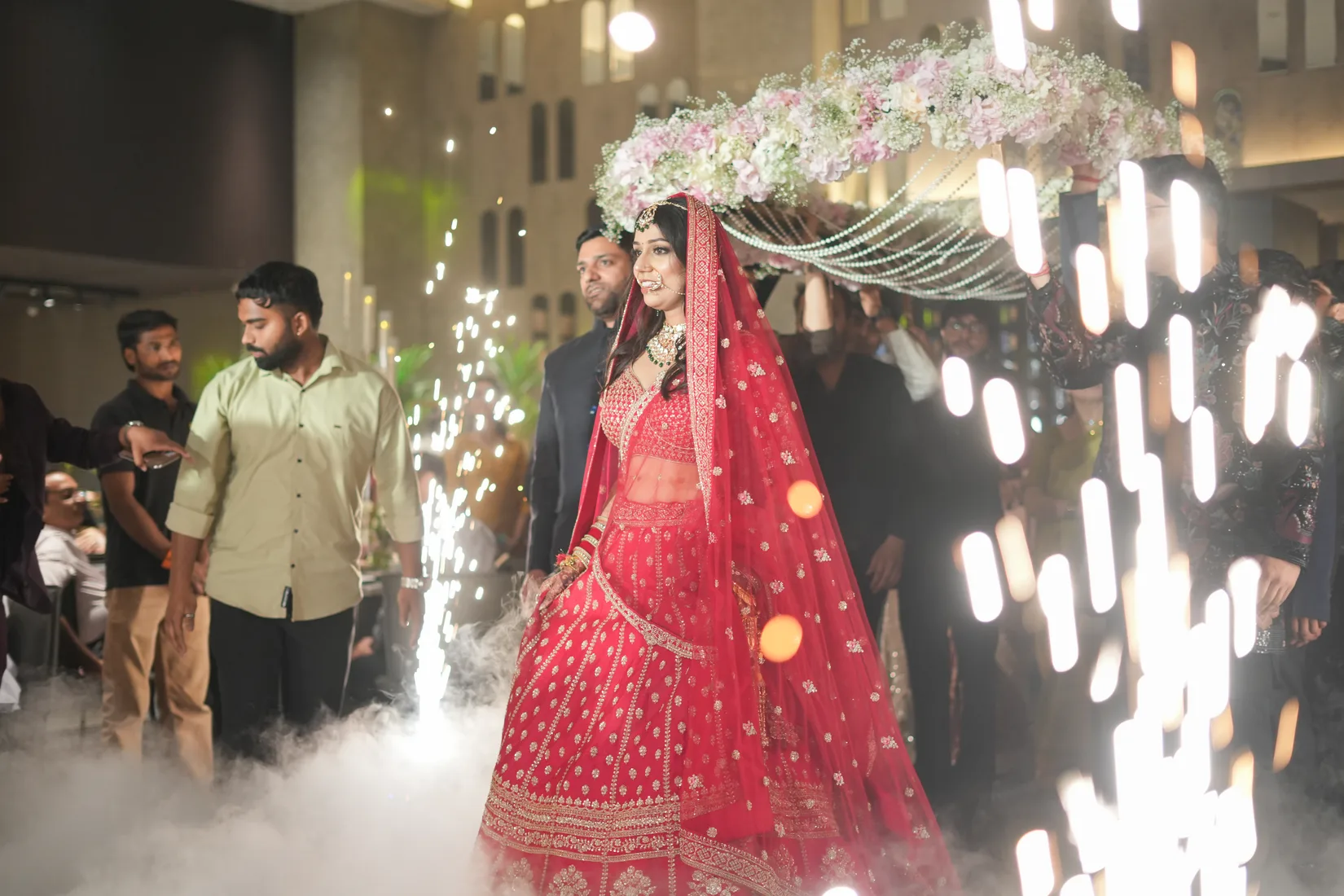
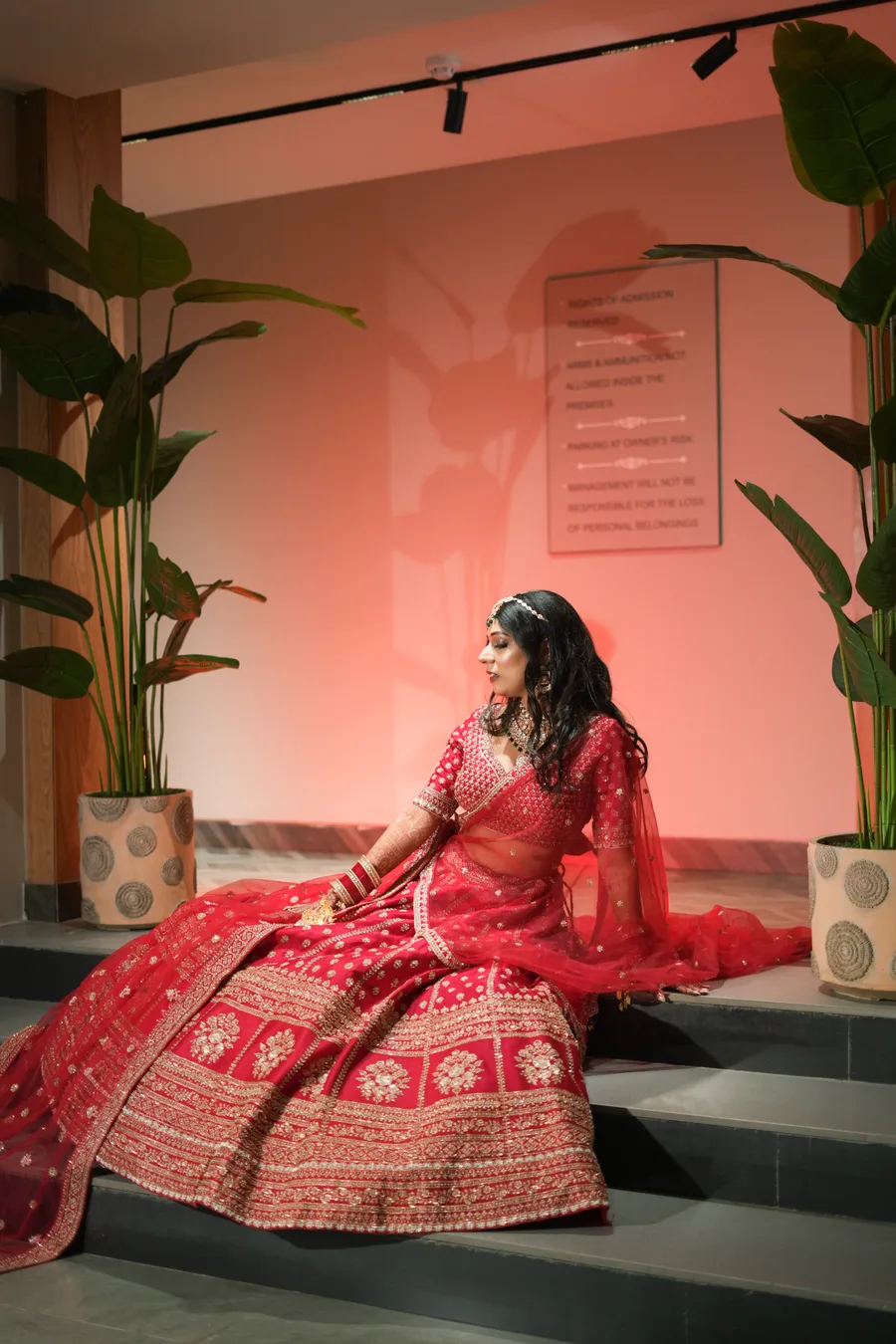
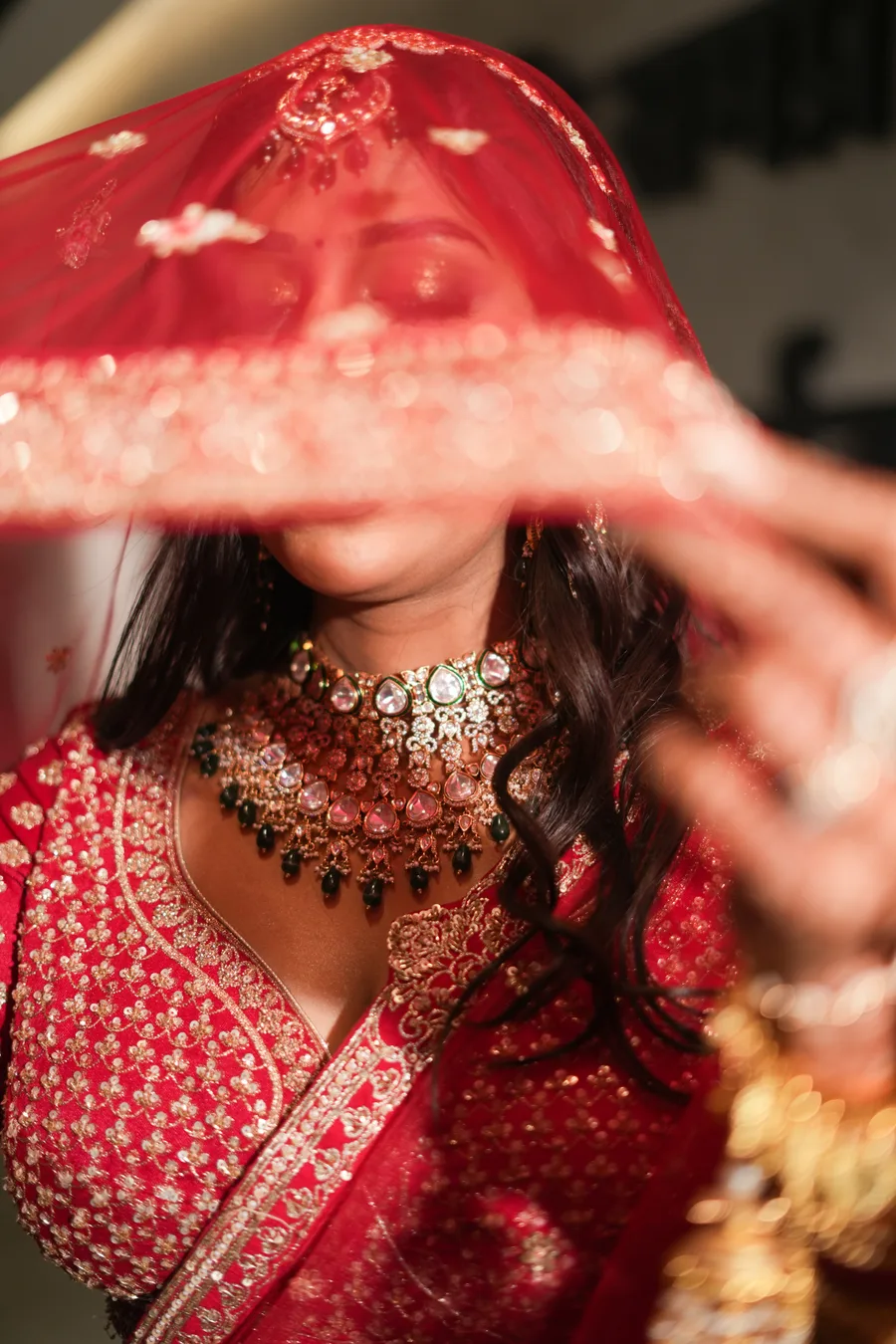
Your camera settings should prioritise shutter speed; a 1/500th of a second or faster ensures that movement is frozen and detail is sharp, even in action-packed moments. Continuous autofocus and high-speed burst mode are valuable—you're capturing fast sequences of moments rather than single, composed images. Embrace higher ISOs if necessary; the energy of the moment is worth more than pixel-perfect low-noise images. Compositionally, include movement and motion—a photograph of dancers mid-movement, slightly blurred if captured at a lower shutter speed, can feel more energetic and genuine than frozen, posed dance photos. Equally important is exposure and colour saturation; Punjabi celebrations benefit from slightly increased saturation (not overly gaudy, but rich and alive), vibrant whites rather than muted ones, and exposure that captures the brightness and light of celebrations often held in daylight or brightly lit spaces. A photograph of a bride in a deep red lehenga should feel like that red is genuinely striking, not muddy or muted. White balance can lean slightly warm without looking jaundiced—Punjabi celebrations often happen outdoors or in naturally lit spaces, so a slightly warm cast often feels authentic. Watch for blown highlights in whites—embroidery, flowers, decorative elements—and balance your exposure to preserve detail there, even if it means the overall image is slightly darker; lifted in post-processing, this preserves the vibrancy. Use wide-angle lenses for environmental shots—capture the scale and energy of the celebration, the number of people dancing, the layering of activity. Use medium telephotos (70-100mm) to isolate faces and expressions within crowds, to capture details like henna or embroidery, and to get close to moments without being physically intrusive.
Family Bonds and Multigenerational Moments
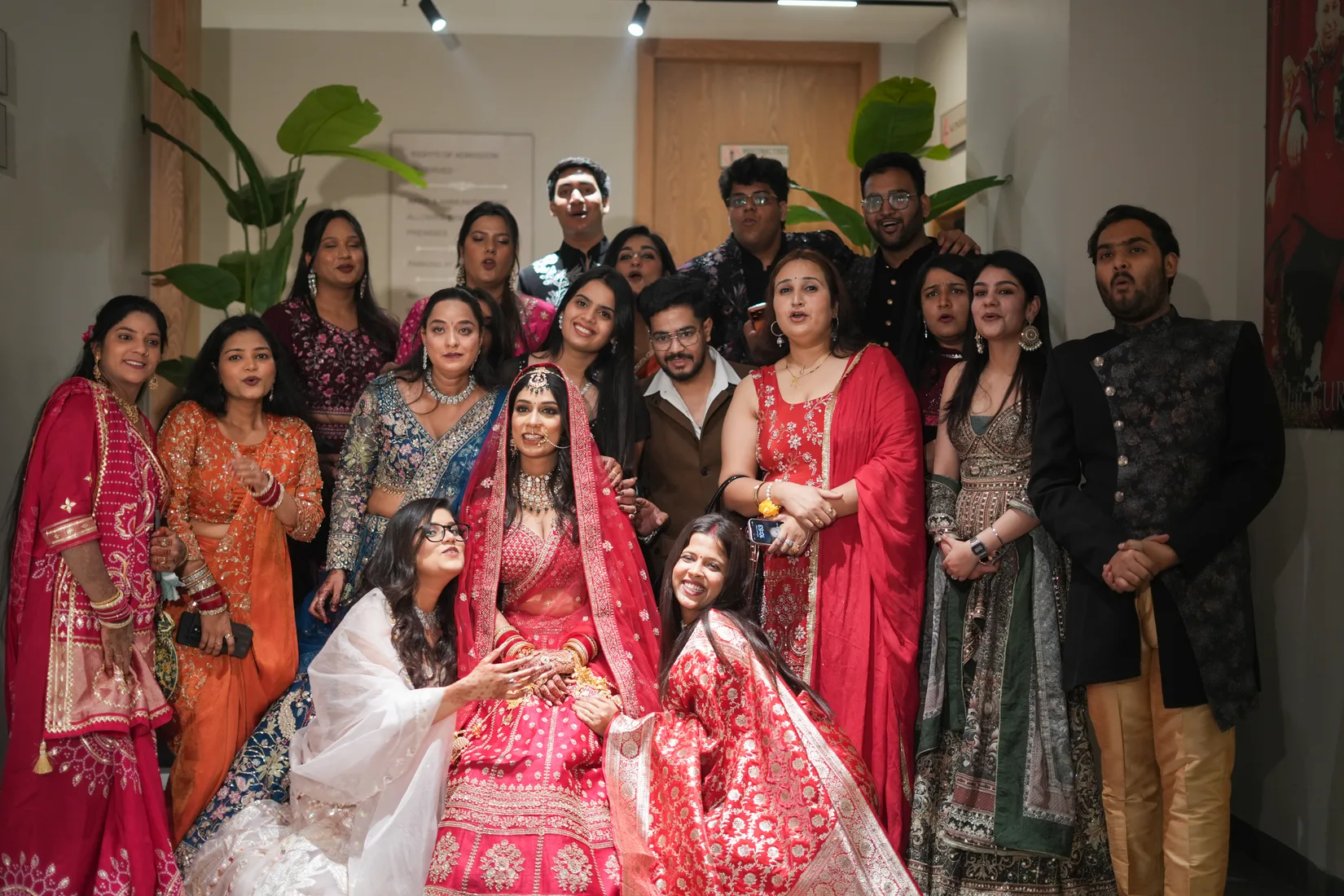
At the heart of Punjabi celebrations is family—extended, immediate, multigenerational gatherings where grandparents, parents, siblings, cousins, and their children are often all present and physically affectionate. These family bonds are one of the most valuable aspects of Punjabi wedding photography, and should be actively sought and documented.
Photograph grandparents dancing with the bride or groom—these moments are tender, joyful, and carry genuine emotional weight. Capture groups of siblings embracing, parents' expressions watching their child dance, the physical affection that characterises Punjabi family relationships. Photograph children playing or dancing alongside adults; the multigenerational aspect is part of what makes these celebrations distinctive. Look for moments where family members are consoling or congratulating each other, where the bride's or groom's parents are beaming or getting emotional. These aren't posed family portraits (though those have their place); they're candid moments of authentic connection and love. To capture these, be mobile and alert—stay in spaces where families naturally gather, anticipate transitions and emotional moments, and keep your camera ready. A moment where an aunt is adjusting the bride's dupatta, or where the groom is dancing with his father, or where grandparents are watching their grandchild with joy, is more valuable than many formal photographs. Spend time near the family, get to know names and relationships, and photograph with genuine interest in them as people, not just subjects. Many Punjabi couples and families have told photographers that the moments they treasure most are the candid images of family connection and joy, not the formal portraits or couple images. This should guide where you invest your attention and energy.
Bhangra, Giddha, and Spontaneous Dance Floor Magic
Bhangra—the energetic, drum-driven Punjabi folk dance—and giddha—the women's traditional dance, often involving clapping and folk songs—are central to many Punjabi celebrations, along with contemporary dancing to Bollywood and Punjabi music. These moments are visually dynamic, emotionally joyful, and often unpredictable. Capturing dance well requires specific technical choices and compositional awareness.
Position yourself where you have clear sightlines to the dance floor, and be ready to move as dancers move. Keep your shutter speed fast enough to freeze motion; a 1/500th or 1/1000th of a second ensures faces are sharp even mid-jump or spin. Use autofocus with tracking enabled; dancers are moving away from and toward you, and the camera should track their movement to keep them in focus. Shoot sequences rather than single frames; the magic of a dance moment often unfolds across five or ten frames, and you want to capture the peak of a jump, the genuine expression of joy mid-spin, the moment a couple connects. Don't always shoot from the same angle; move around the dance floor, shoot from above (if a mezzanine or elevated space allows), shoot at dancer height, shoot close-ups of faces and expressions, and shoot wide to show the scale and energy. Use negative space; a dancer isolated within empty space creates more visual impact than a dancer surrounded by other people. During giddha, photograph the circle of women dancing, the clapping, the expressions—this is often a traditional moment, and capturing it with respect and vibrancy is important. Bhangra moments are often peak-energy; the music is loud, people are joyful and less self-conscious, and photographs capture genuine celebration. Let the movement happen naturally; don't direct or pose bhangra—it's strongest when it's spontaneous and unself-conscious.
Honouring Tradition While Embracing Modern Storytelling
Punjabi weddings blend deep tradition with contemporary celebration. There might be a religious ceremony, traditional dances, and rituals spanning multiple days, alongside modern music, fashion, and international guests. Photography should honour both elements—the traditional rituals that carry cultural significance and the contemporary joy and personal expression of the couple.
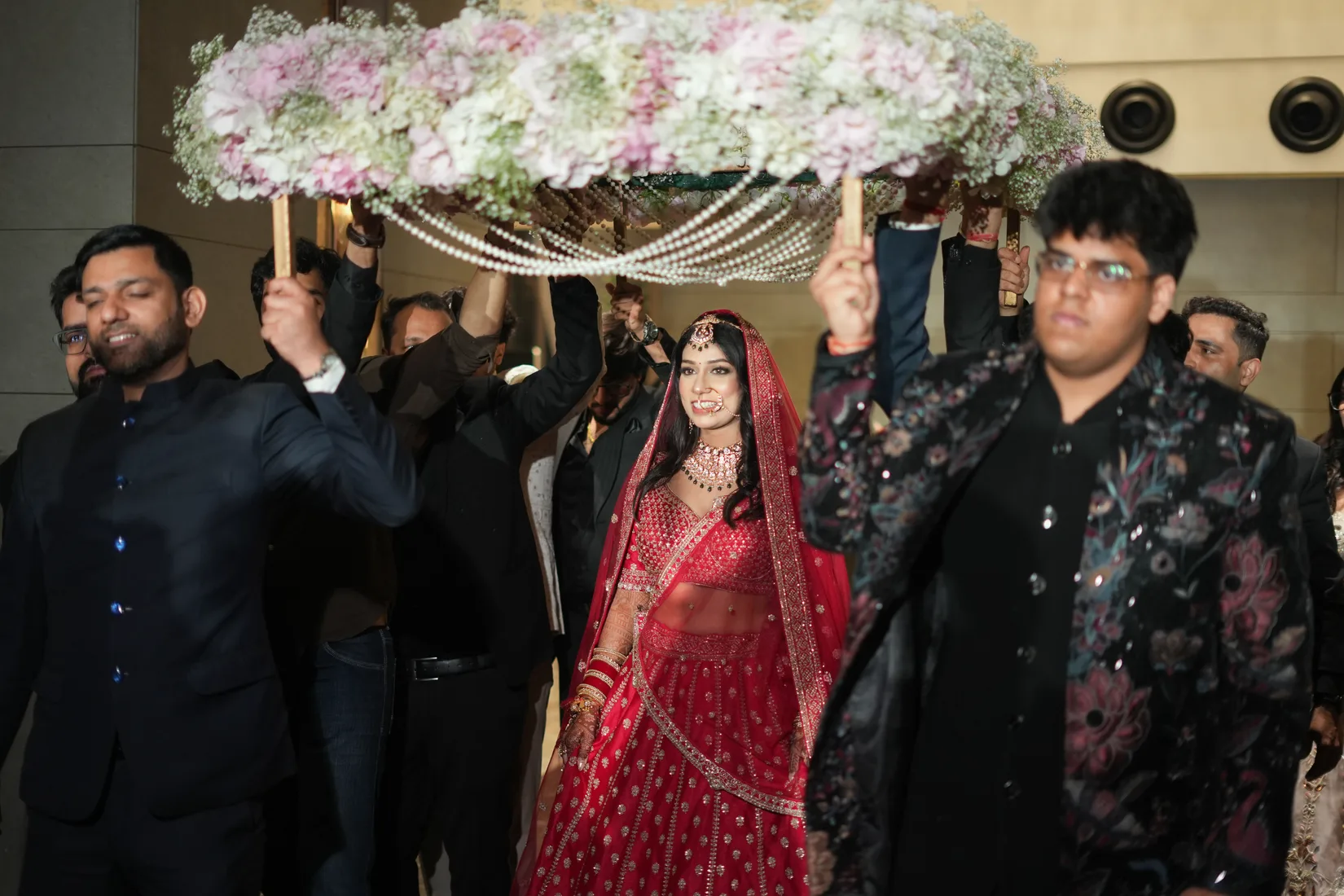
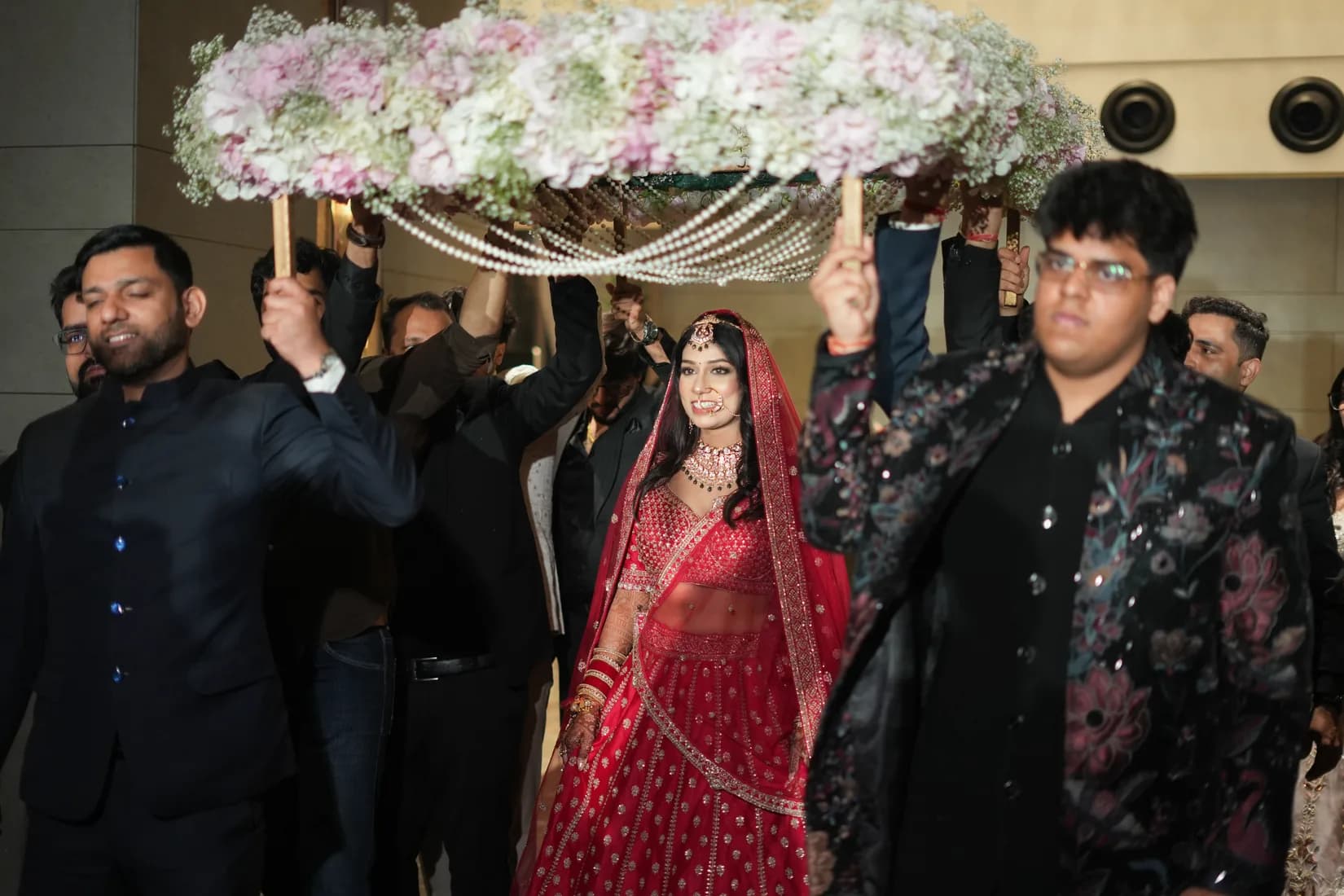
Photograph the traditional moments with respect and clarity—the couple during ceremony or ritual, the symbolic moments, the moments where family gathers for blessings. Document these moments as you would document other traditions: with technical clarity, sensitivity to significance, and attention to genuine emotion and connection. Simultaneously, photograph the contemporary celebration with energy and joy—dance, laughter, modern fashion, international elements if the celebration includes them. The album should feel like a complete picture of the wedding as it actually is, not a curated version that emphasises tradition at the expense of modernity or vice versa. This is particularly important because Punjabi couples often span generations and geographies; a wedding might include grandparents from villages in Punjab, parents in Indian cities, and siblings or cousins living abroad. The celebration reflects this complexity, and the photography should too. Include environmental photos that show the venue and scale, detail photographs of decoration, food, outfits, and embroidery, alongside portraits and candid moments. Sequence the album to show the progression and arc of the multi-day celebration—not just ceremony to reception, but mehendi to sangeet to haldi to wedding, each with its own energy and significance. If the couple's personal story—how they met, their relationship—can be woven in through portraits or candid moments, that adds depth. The goal is an album that feels like a genuine, joyful, multi-faceted celebration, honouring both the couple's personal connection and the cultural and family bonds that surround them. If you're planning a Punjabi celebration and want photography that honours tradition, captures energy, and tells your complete story, Lens9 Studio brings experience and enthusiasm to these vibrant, joyful weddings.