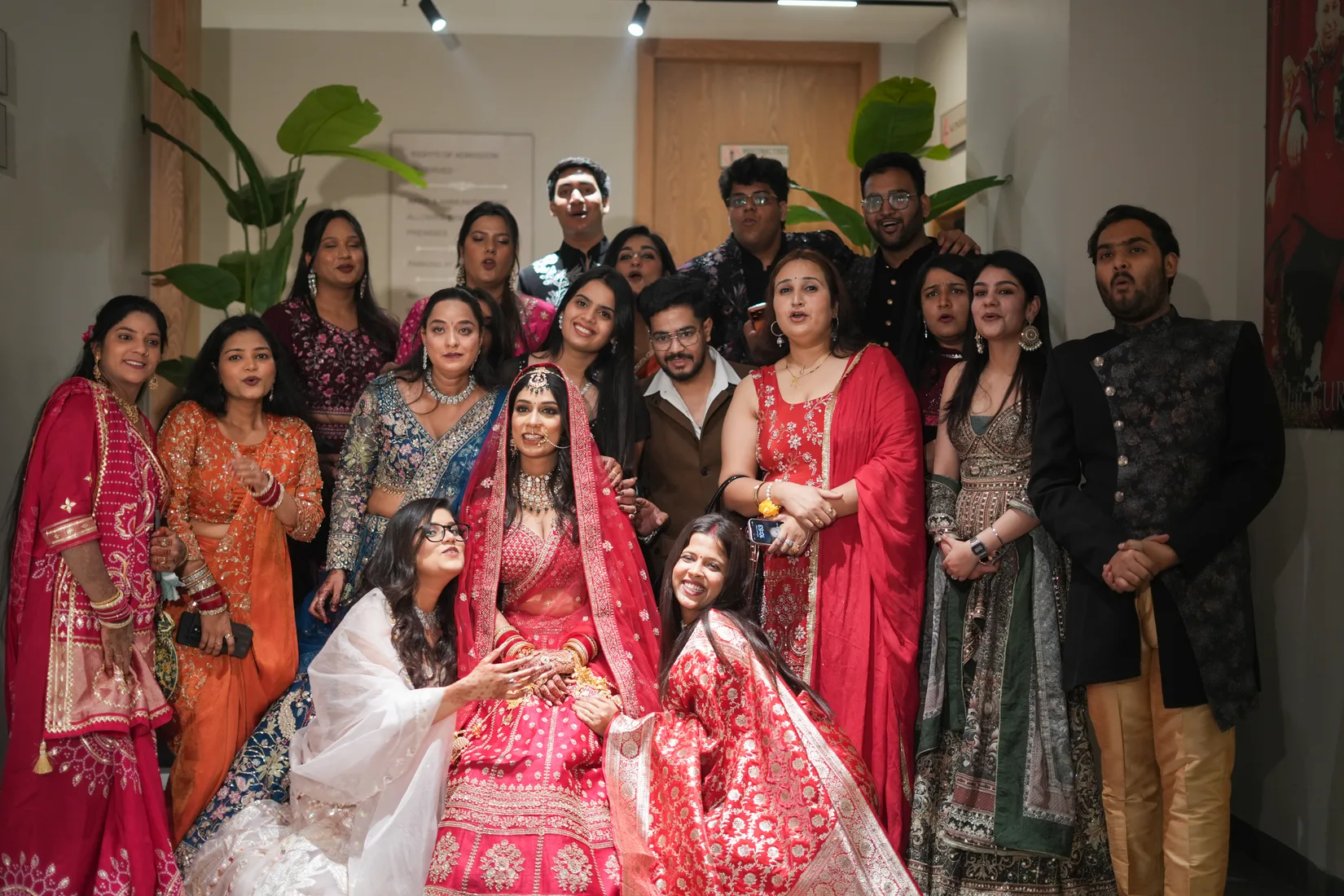
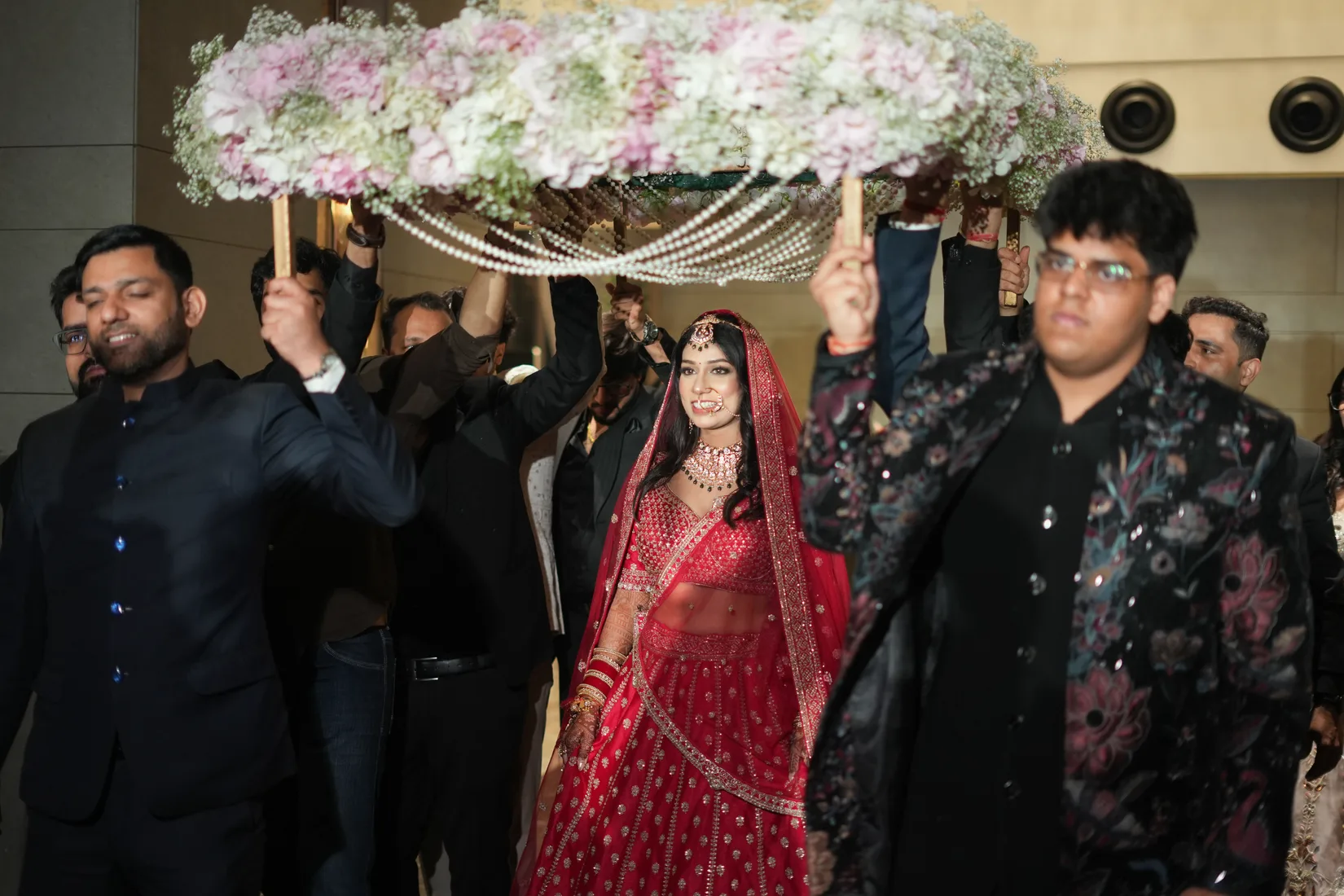
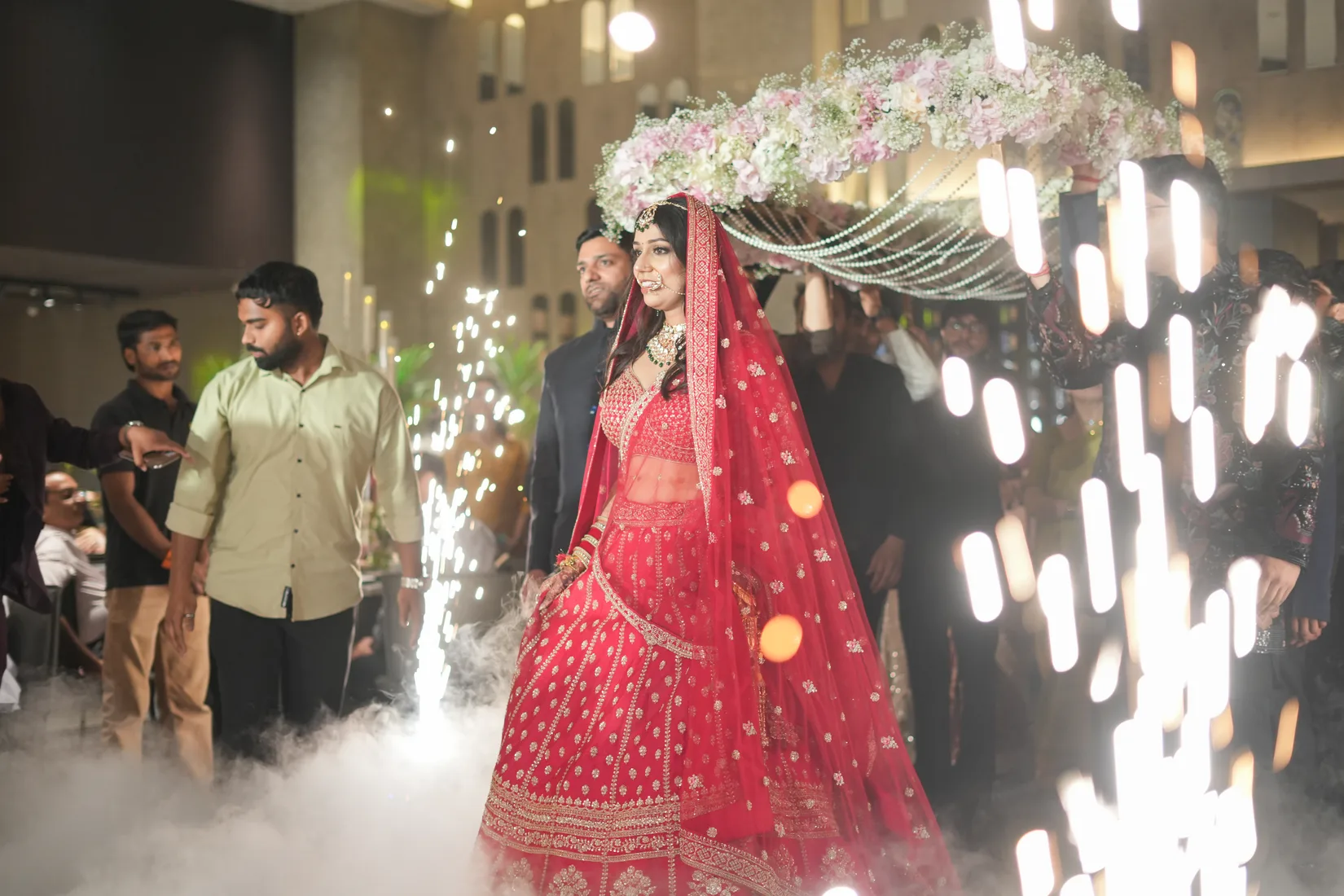
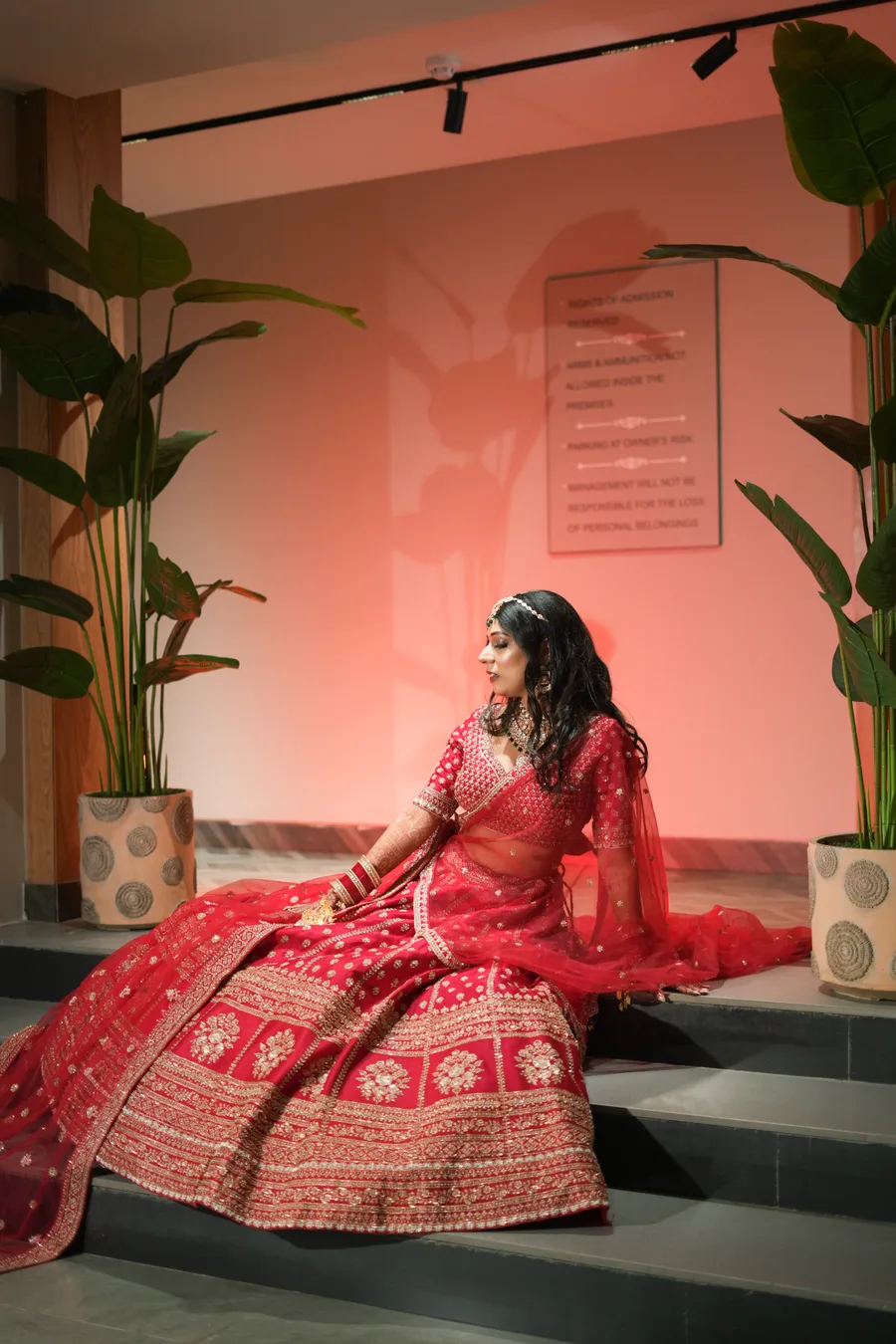
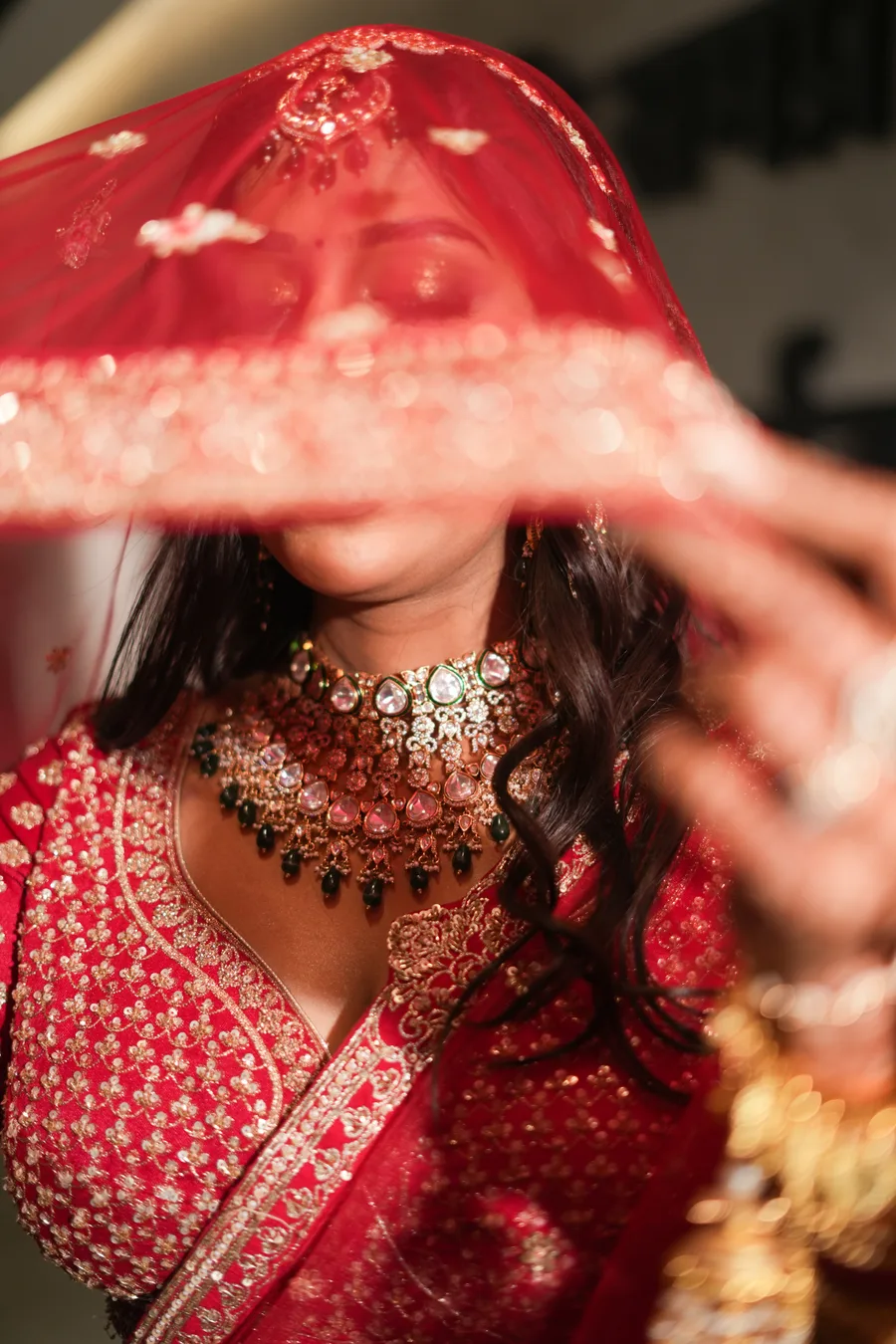
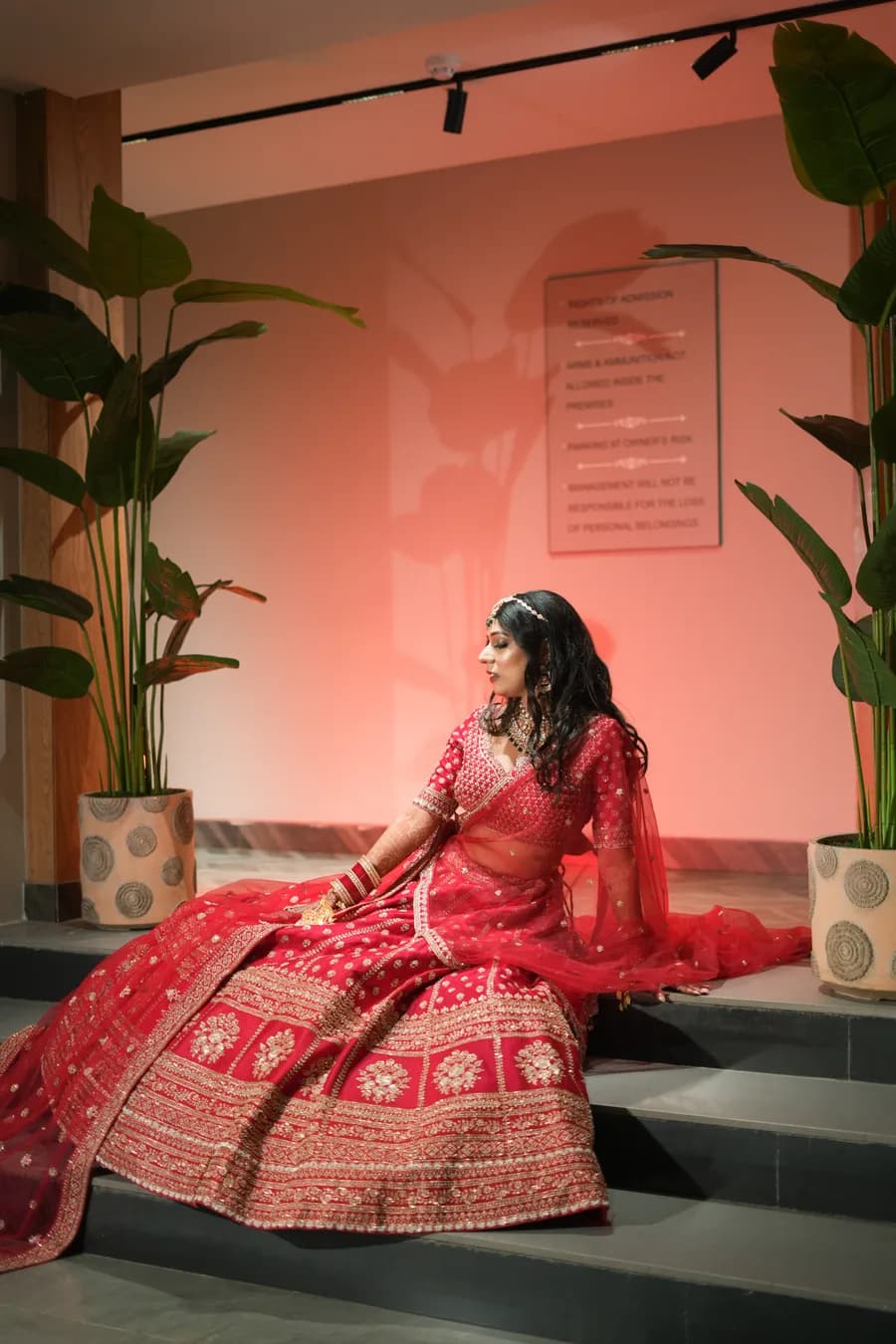
South Indian weddings move at a different rhythm—unhurried, deeply ritualistic, brimming with coconut oil ceremonies and flower garlands. We document the specific beauty of Tamil, Telugu, Kannada, and Malayalam traditions.
The Essence of South Indian Wedding Photography
South Indian wedding photography demands a different sensibility than many other Indian traditions. The aesthetic here is one of understated elegance: cream and gold silks, minimal but meaningful jewellery, flowers woven into hair and garlands draping from every surface. The ceremonies themselves are longer, more intricate, and rooted in Vedic or regional variations that differ between Tamil Brahmin, Telugu Brahmin, Kannada, and Malayali families. To photograph a South Indian wedding well, one must understand not just the visual elements but the spiritual and familial weight each ritual carries.
The colour palette is distinct. Where North Indian weddings often celebrate reds and deep jewel tones, South Indian ceremonies favour creams, gold, and white with accents of deep red or maroon. The bride's silk saree—often a traditional nine-yard Kanchipuram or Kanjeevaram for Tamil weddings—is itself a work of art. The groom's traditional veshti (dhoti) and silk jacket create clean lines and require confident lighting to look regal rather than formal and stiff.
The Importance of Pre-Ceremony Rituals and Preparations
South Indian weddings typically begin the day before the actual ceremony with rituals like the manjal ceremony or oil bath. These events are deeply intimate—the bride and groom are ritually anointed with turmeric and oil, often by female relatives, in scenes that blend spirituality with tenderness. We document these moments with sensitivity, ensuring the bride's privacy while still capturing the emotion and significance. The colours of turmeric—golden yellows and earthy tones—create naturally warm, beautiful light in photographs.
The bride's preparation on the wedding day itself is elaborate and time-consuming. The traditional saree draping, the application of jewellery, the flowers being woven into her plait—these take several hours. Rather than condensing these into a few rushed images, we move through the preparation space deliberately, capturing the texture of silk, the bride's expressions as she transforms, the hands of her mother or aunts helping her dress. This careful documentation transforms the preparation into a narrative arc that your wedding album will treasure.
The Sacred Fire and Seven Steps
The heart of most South Indian Hindu weddings is the Mangalya Bandanam (tying of the auspicious knot) and the Saptapadi (seven steps around the fire). These moments are deeply spiritual, and the light around a sacred fire creates some of the most moving images in wedding photography. We position ourselves to capture both the ritualistic precision—the priest's gestures, the groom tying the mangalsutra, the couple circling the fire—and the intimacy between bride and groom as they undertake these binding moments together.
Each step around the fire has significance: nourishment, strength, health, happiness, vitality, and finally, a lifetime of togetherness. We remain attuned to the emotional journey these steps represent, photographing the couple's faces, their hands, the fire's glow on their features. The final steps often carry the greatest emotional weight—this is where we see the couple relax into marriage.
Regional Variations and Unique Ceremonies
Tamil weddings include the Thalikettu (mangalsutra tying), often accompanied by specific Carnatic music and chanting. Telugu weddings may include the Jeelakara Bellam (jaggery ceremony) or specific variations in how the saptapadi is performed. Kannada weddings bring their own regional prayers and rituals, and Malayali weddings may incorporate Christian or Muslim elements depending on the family's faith. To photograph South Indian weddings authentically, we ask questions beforehand about regional variations and specific family traditions that might differ from standard practices.
Understanding these nuances allows us to anticipate key moments and position ourselves accordingly. A bride from a Iyengar background may have different rituals than one from a Nair or Christian Syrian background. We treat each wedding as a unique story rooted in specific traditions, not a template.
The Interplay of Light, Silk, and Jewellery
Silk reflects light in ways that cotton or blended fabrics do not. A Kanchipuram saree, with its gold zari and rich weaving, can become a glowing canvas under the right lighting. Our approach to lighting South Indian weddings differs from other traditions: we often favour soft, diffused light that shows the texture and richness of the fabric without creating harsh reflections. Natural light from temple courtyards or open-air wedding venues works beautifully; we complement it with subtle reflectors and carefully positioned off-camera flash when needed.
The bride's jewellery—typically gold with rubies and pearls—deserves close photographic attention. We create dedicated detail shots of the mang tika, the long necklaces, the bangles, and the mangalsutra once it's tied. These images become treasured keepsakes and also preserve the artistry of the jeweller's work. The interplay between silk, gold, flowers, and skin tones creates a visual richness that makes South Indian weddings uniquely photogenic.
Post-Ceremony Reception and Blessings
After the main ceremony, many South Indian weddings include a reception where the couple formally meets extended family and friends. The bride and groom often sit in a decorated space to receive blessings, and this is where we capture moments of pride from parents, blessings from grandparents, and the couple's graceful acknowledgment of their community. These moments are quieter than the ceremony but carry deep familial significance.
The wedding meal—often vegetarian and served on banana leaves in traditional settings—brings everyone together. We look for candid moments: the bride laughing despite the anxiety of managing a large saree, the groom's eyes following his new wife, family members teasing the couple. As your South Indian wedding unfolds, we remain present to honour both the ancient rituals and the modern love at the centre of your celebration. If you'd like to explore a photography approach that respects the depth of South Indian traditions, we'd be delighted to discuss your wedding with you at Lens9 Studio.