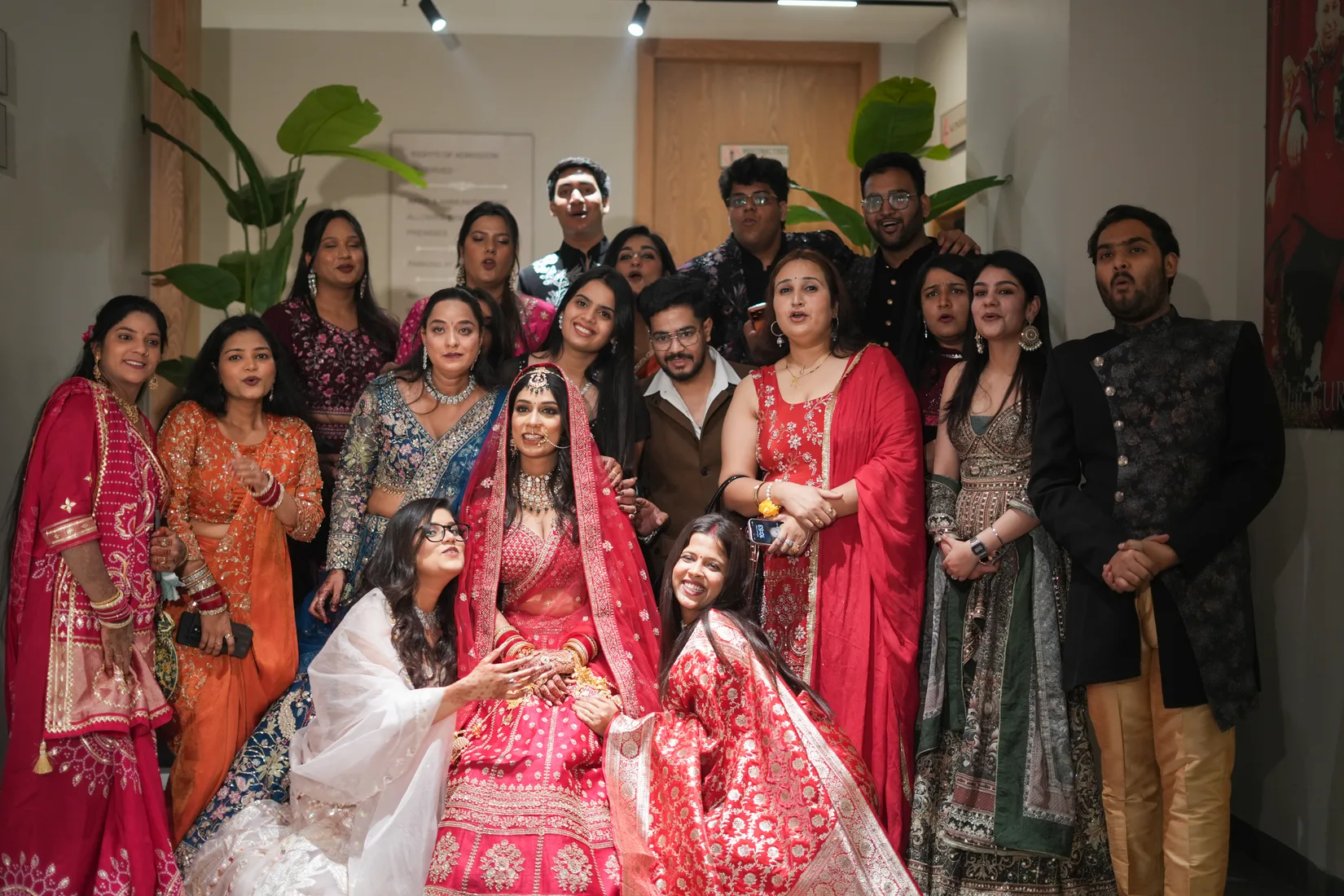
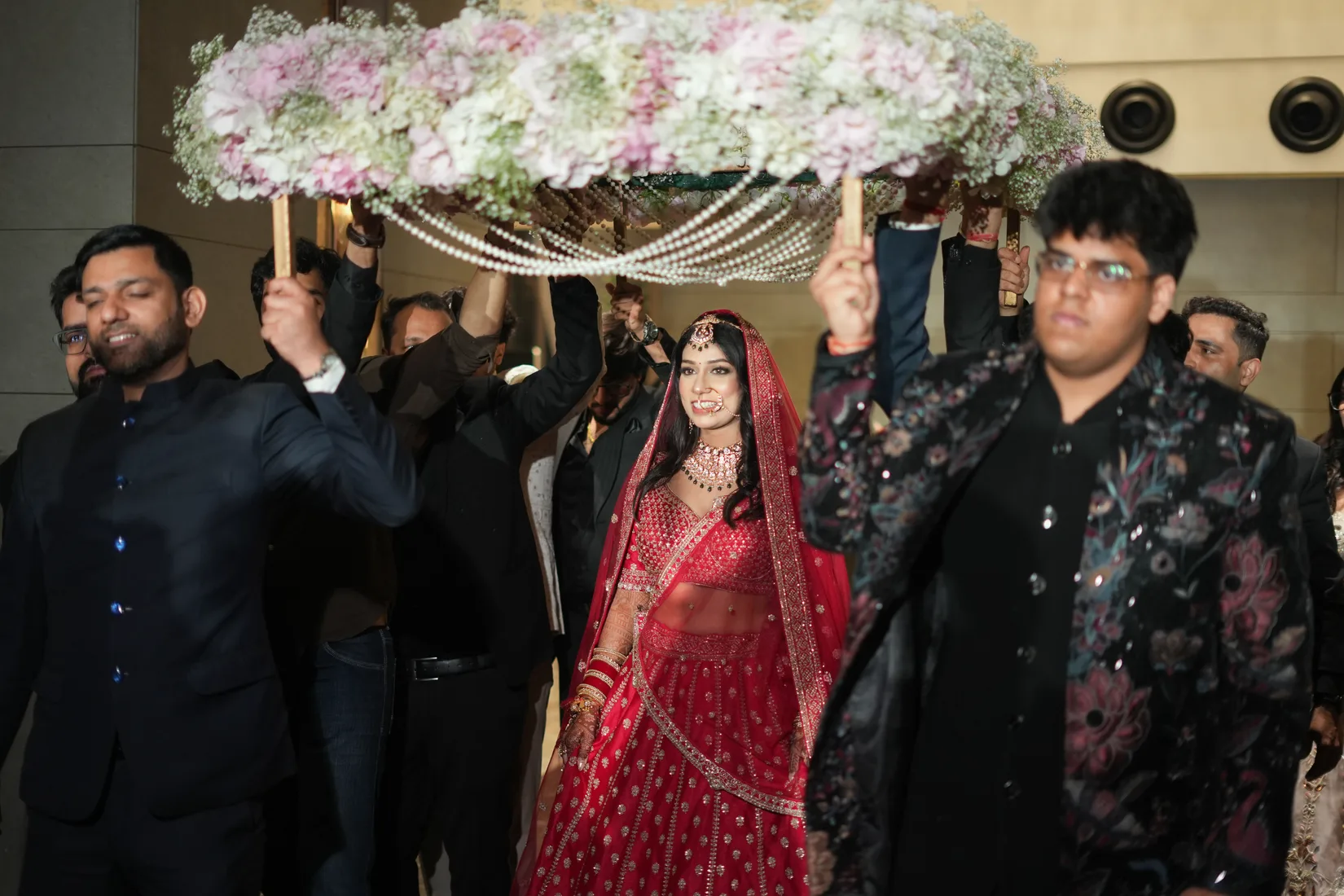
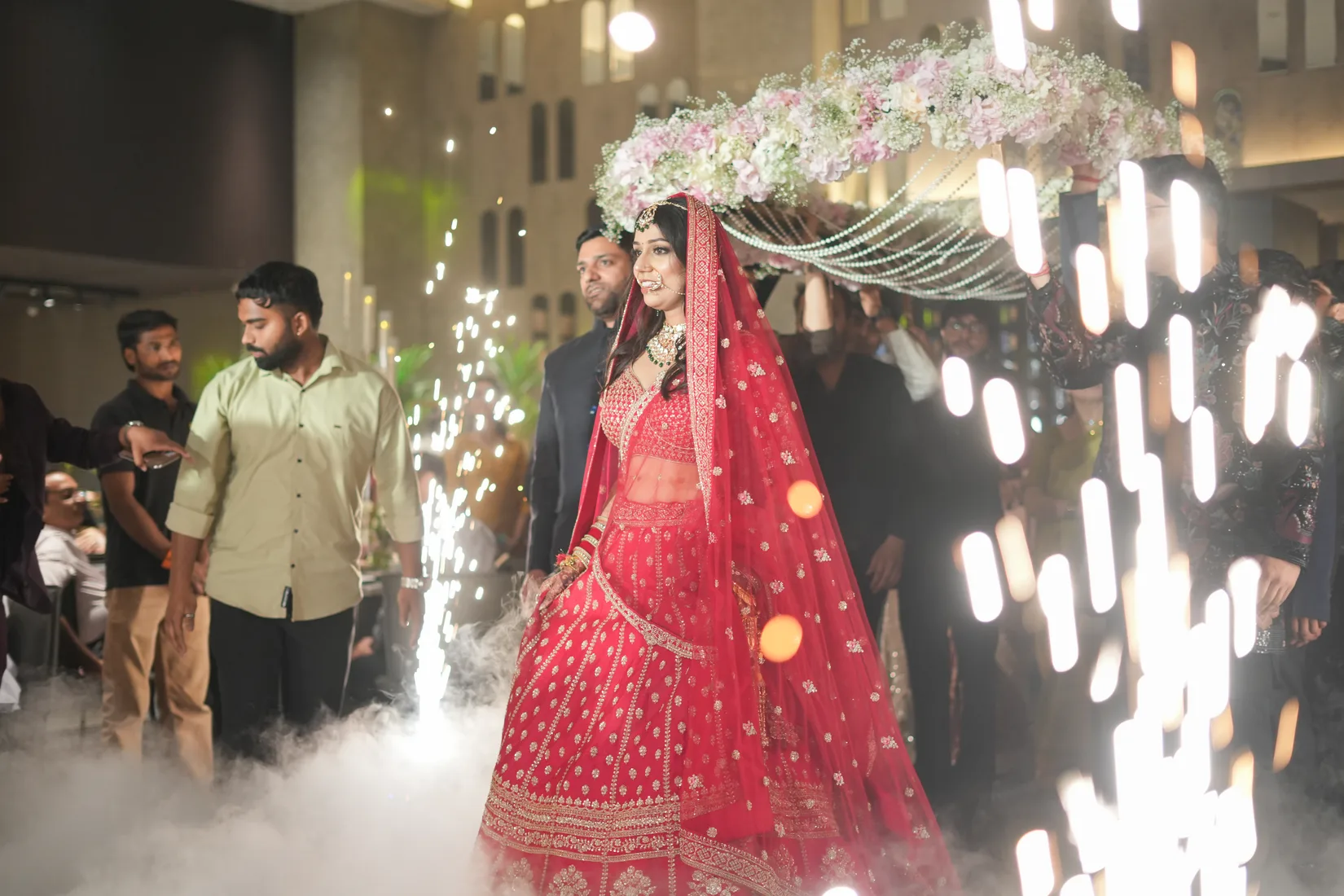
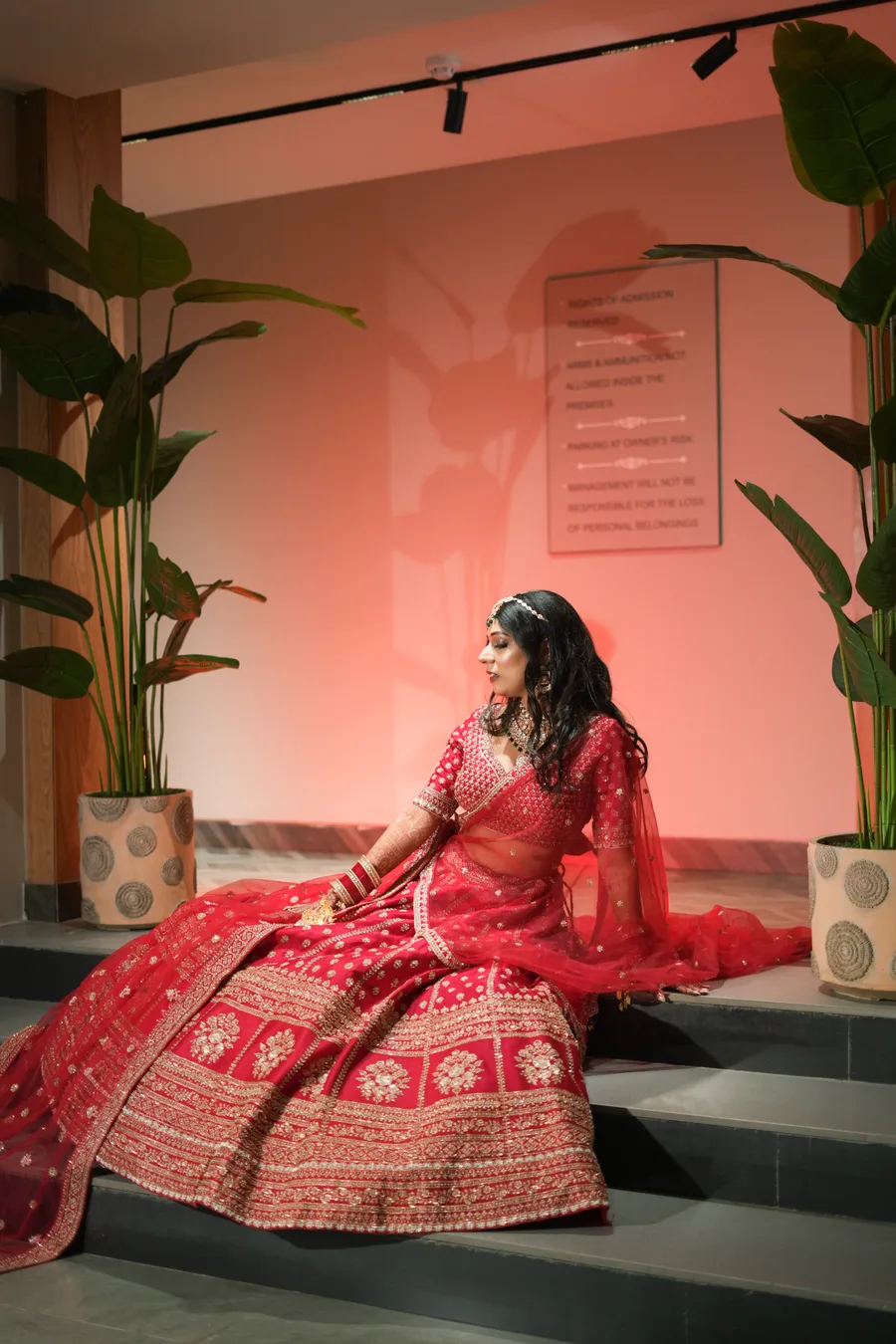
Plan your pre-wedding shoot with confidence. This detailed checklist covers locations, styling, timing, props, and day-of logistics for stunning results.
Conceptualising Your Pre-Wedding Photography Shoot
Your pre-wedding photography shoot is an opportunity to create a visual story distinct from your wedding day's formal moments. This isn't a rehearsal; it's a creative session where you and your partner can relax, laugh, and explore locations in calm, unhurried circumstances. Before booking any locations or scheduling sessions, spend time visualising what these images should feel like. Do you want romantic, dreamy compositions? Playful, contemporary energy? Cultural elegance reflecting your heritage? Candid, travel-documentary style? Your creative vision guides every subsequent decision—locations, styling, timing, and props.
Collect visual inspiration before your first conversation with your photographer. Create a Pinterest board, save Instagram posts, or gather magazine clippings showing the style, mood, and aesthetic you're drawn to. Share this mood board with your photographer; it communicates volumes about your preferences without lengthy explanations. Discuss how many pre-wedding shoots you'd like—some couples do one 4-hour session, others prefer multiple shorter sessions exploring different locations and themes. Most photographers recommend 2-3 shoots over several weeks, allowing variety and preventing rushed, overwhelmed feelings.
Selecting Locations That Tell Your Story
The backdrop for your pre-wedding photos should reflect your personality, your journey as a couple, or places meaningful to you. This might be where you first met, your favourite neighbourhood, a stunning natural landscape, or a location representing your cultural heritage. Delhi couples often use the Mughal gardens (Lodi Gardens, Nehru Park), colonial architecture (Lutyens' Delhi), or modern urban spaces. Mumbai-based couples explore the waterfront, heritage districts, or suburban gems. Destination couples might shoot in their wedding location during a scouting visit, or choose a contrasting landscape entirely.
Work with your photographer on location scouting. They'll evaluate light patterns, seasons, crowd dynamics, and photography logistics. A location stunning in person might have unflat lighting, reflect harsh sun, or be uncomfortably crowded during your shoot time. Your photographer's experience prevents booking 'Instagram-famous' spots that photograph poorly, or locations requiring hours of travel. Most professional photographers offer location suggestions and will scout beforehand, checking light, access, and whether special permission is needed. A 2-3 location shoot day maximises variety without exhausting you with excessive travel.
Styling, Wardrobe and Personal Grooming
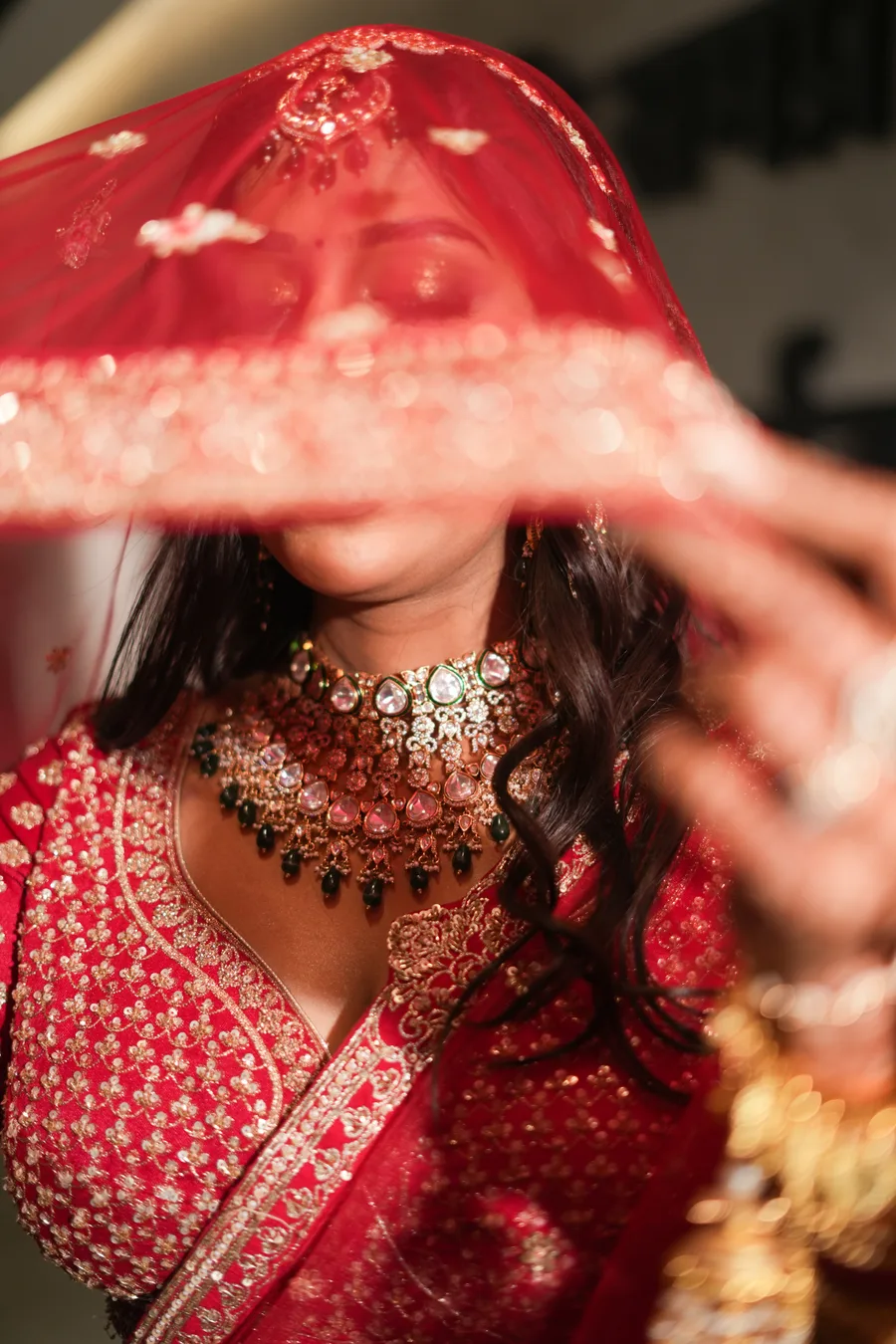
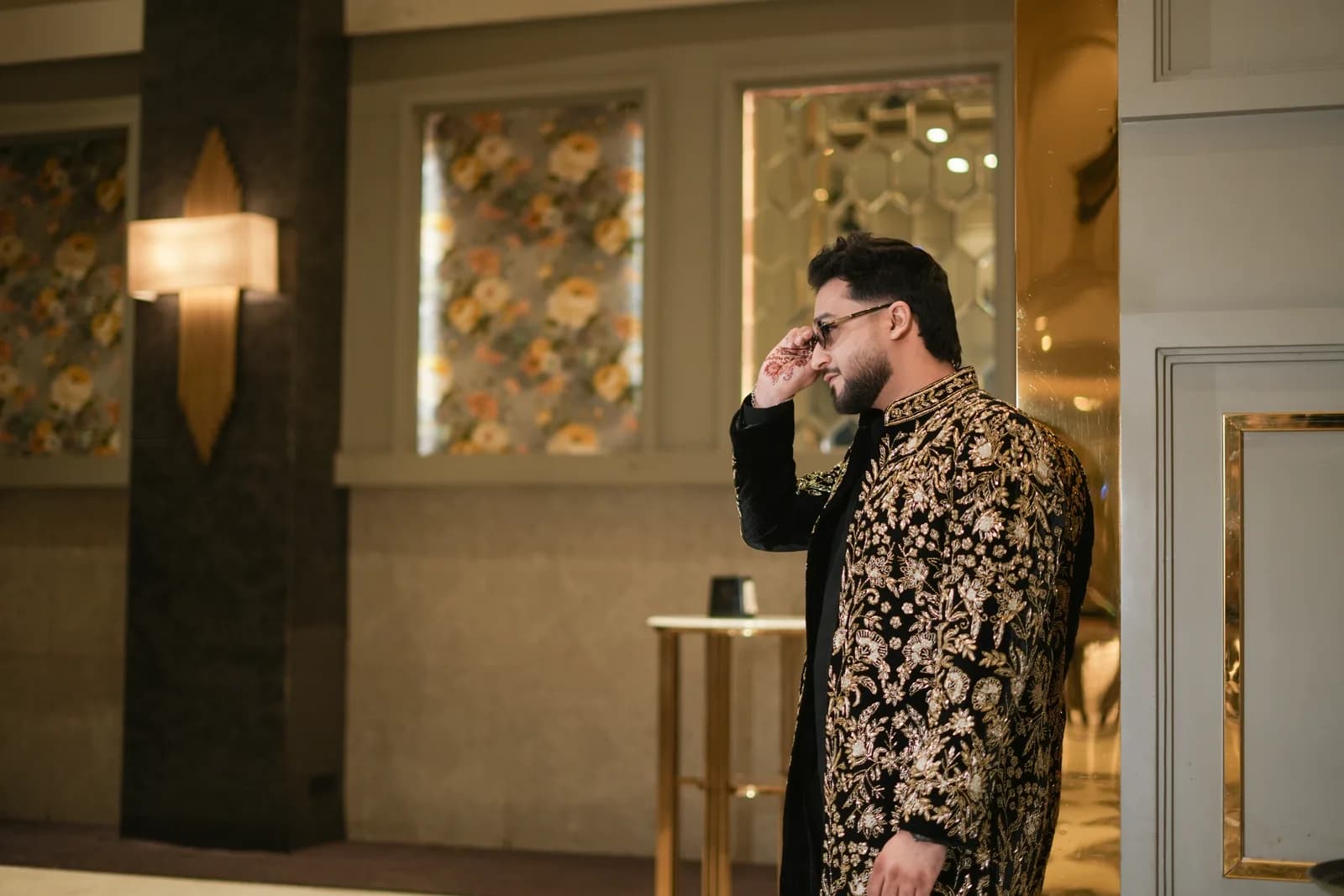
Your clothing choices make or break pre-wedding photography. Select outfits that feel authentically 'you' rather than following trends blindly. Many couples choose traditional Indian wear for one shoot—a lehenga and sherwani, or elegant saree and kurta—and contemporary wear for another. This mix honours your cultural heritage while showing different facets of your personality. Ensure your outfits are comfortable enough to move, embrace, and relax in; stiff, restrictive clothing photographs stiffly. Colours matter too: jewel tones (emerald, sapphire, wine) photograph richly, while pastels can appear washed out depending on location and lighting.
Coordinate your styling with your partner. Your outfits don't need to match exactly, but they should complement each other visually. If one wears bright colours, the other might wear neutrals that let your partner stand out. Discuss makeup and grooming with your photographer; some prefer natural, minimal makeup for candid shots, while others love the drama of bridal makeup. Get hair and makeup done professionally if possible—the polish shows in photos and you'll feel confident. Discuss specific details with your photographer: will she wear the same jewellery in every shoot, or change outfits entirely between sessions? Clarity prevents last-minute styling stress.
Logistics, Timing and Weather Planning
Schedule your pre-wedding shoots 4-8 weeks before your wedding, allowing time to order prints, make albums, or create materials for your wedding decor if desired. Timing within the day matters enormously. Golden hour—the hour after sunrise or the 1-2 hours before sunset—provides magical, flattering light. However, crowded locations are most peaceful in early morning or mid-afternoon. Coordinate with your photographer on optimal timing based on your chosen locations. Avoid peak visiting hours at popular spots; shoot at Lodi Gardens early morning rather than afternoon when hundreds of tourists throng the lawns.
Weather impacts photography more than couples realise. Harsh midday sun creates unflattering shadows and squinting; overcast days produce soft, even light perfect for skin tones and emotional expressions. Plan shoots during seasons with favourable weather: October-November or February-March in North India, rather than scorching May or damp July. Check weather forecasts a few days before your shoot and have a backup plan if rain threatens. Your photographer will advise on rain-friendly locations (covered structures, urban environments, indoor spaces) or whether to reschedule. Never schedule a monsoon-season shoot without indoor backup options, or mid-summer shoots without evening timing.
Props, Accessories and Thematic Elements
Props can add personality and context to pre-wedding images, but use them thoughtfully. A bicycle, old car, or vintage frame can add charm; however, gimmicky props (oversized lollipops, cardboard cutouts) often cheapen images. If props resonate authentically with your story—your grandfather's vintage motorcycle, your wedding book, musical instruments you both play—they work beautifully. Discuss prop ideas with your photographer; they'll advise what photographs well and what distracts. Simple props (flowers you hold, a book you both read) often outperform elaborate ones.
Coordinate accessories with your outfits: jewellery, shoes, bags, and hair accessories should complement your clothing without overwhelming the image. Traditional jewellery photographs beautifully and tells a cultural story; make sure any pieces you wear are clean and well-polished. Footwear matters too; uncomfortable shoes show in your body language and facial expressions. Consider what you'll actually wear in the photos—some couples remove shoes for barefoot shots in gardens or beaches, while others prefer keeping them on. Discuss these details with your photographer beforehand so they're prepared with any styling adjustments needed.
Finalising Details and Coordination
A week before your first pre-wedding shoot, confirm all details with your photographer: exact locations and timing, outfit choices, any props or special requests, and hair/makeup timing. Clarify where you'll meet, parking arrangements, and whether you need to bring anything specific (change of clothes, jewellery, water). Some photographers provide a detailed shot list showing poses and styles they plan to capture; others prefer organic, spontaneous moments. Discuss your preference. If you're self-conscious about posing, mention this; your photographer can guide you toward natural-feeling compositions.
On shoot day, arrive rested and hydrated. Wear comfortable shoes and clothes that are easy to change in and out of if switching outfits. Bring touch-up makeup, face powder, and a comb. Eat a light meal beforehand so you have energy and your stomach won't be audibly rumbling during quiet moments. Most importantly, bring authenticity. The best pre-wedding photographs capture genuine joy, connection, and personality—not stiff, 'say cheese' moments. Laugh, hold each other, move naturally, and let your photographer capture those unguarded instants. Remember, you're creating memories that will be treasured for years; the investment in thoughtful planning pays dividends in photographs that feel like honest glimpses of your love.