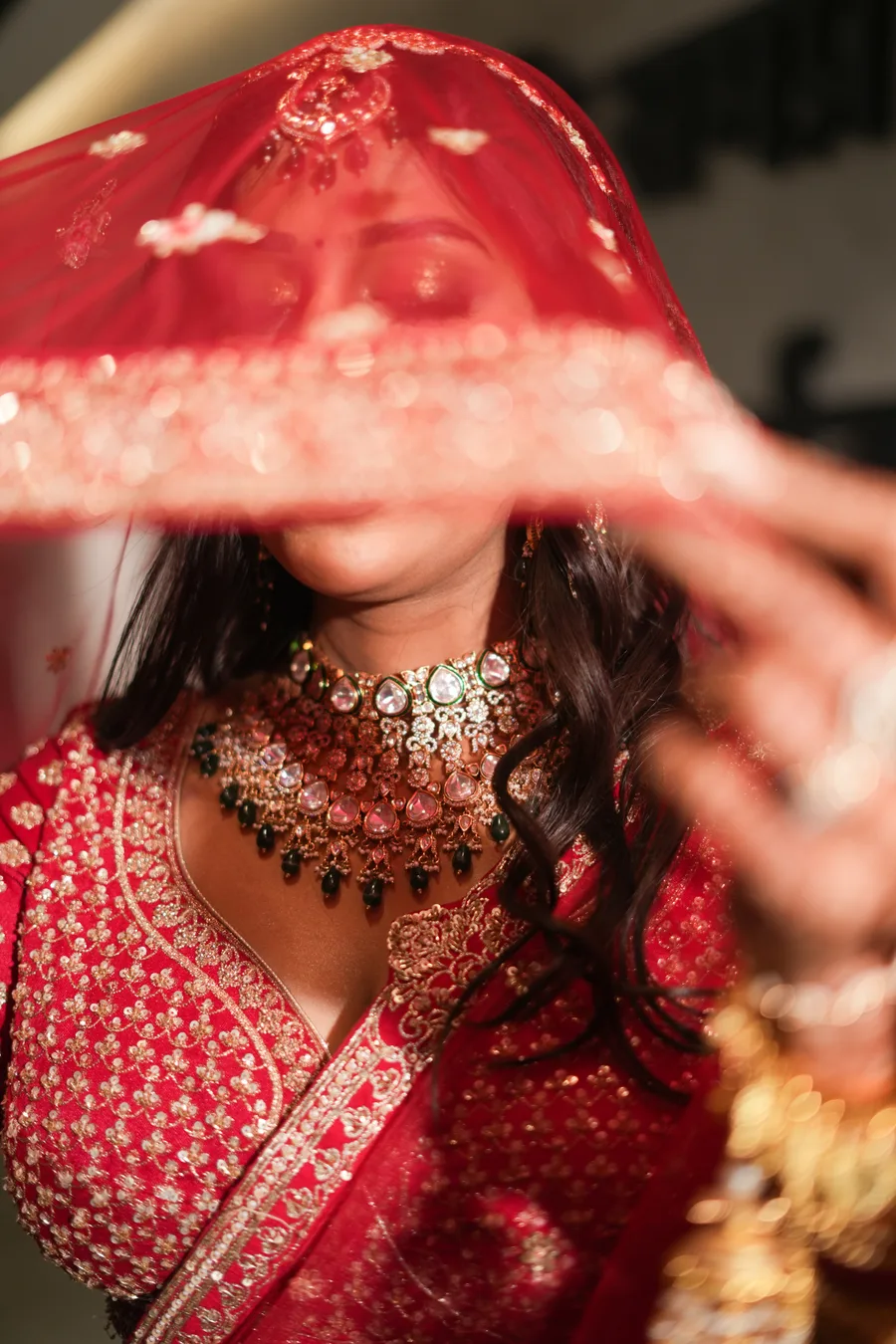
A dupatta or veil is far more than a traditional accessory—it's a crucial styling element that transforms your entire silhouette on camera. Discover how to style the dupatta and veil for maximum photographic impact and timeless elegance.
Why the Dupatta Is Critical to Your Wedding Photography
The dupatta is one of the most visually striking elements in Indian bridal photography, yet it's often an afterthought in wedding planning despite its enormous impact on how you photograph. A dupatta or veil styled beautifully creates movement, elegance, and visual interest in photographs that elevate your entire bridal image from polished to utterly stunning. The same lehenga and jewellery combination photographs completely differently depending on how your dupatta is draped, positioned, and styled.
Understanding how to work with your dupatta specifically for camera creates images where this fabric element enhances your entire composition rather than becoming an awkward afterthought or source of stress on your wedding day. A well-styled dupatta creates beautiful diagonal lines in photographs, frames your face in certain shots, creates texture and movement in couple photographs, and gives your photographer numerous options for creative composition.
Fabric Weight, Colour, and Photographic Flow
The dupatta's fabric choice determines how it photographs in motion and how it behaves throughout your day. Heavier fabrics like silk or tissue silk with embroidered borders flow beautifully in photographs and maintain their shape and drape more predictably than lighter chiffons, which can sometimes photograph as too ethereal or wispy to read clearly on camera. If you want your dupatta to be a prominent visual element in photographs, a heavier or embellished fabric photographs more effectively than a very delicate, plain dupatta.
Colour coordination between your dupatta and your lehenga is essential: a matching or tonal dupatta creates visual coherence and elegance, whilst a contrasting dupatta can photograph as either beautifully striking or visually chaotic depending on the colour relationship. Gold or metallic dupatta paired with jewel-toned lehengas photographs as luxurious, whilst a dupatta that contrasts starkly with your lehenga can either be intentional and stunning or feel disconnected. Consider whether you want your dupatta to visually blend with and enhance your lehenga, or whether you're deliberately choosing contrast for a specific effect.
Draping Styles and Movement in Photography
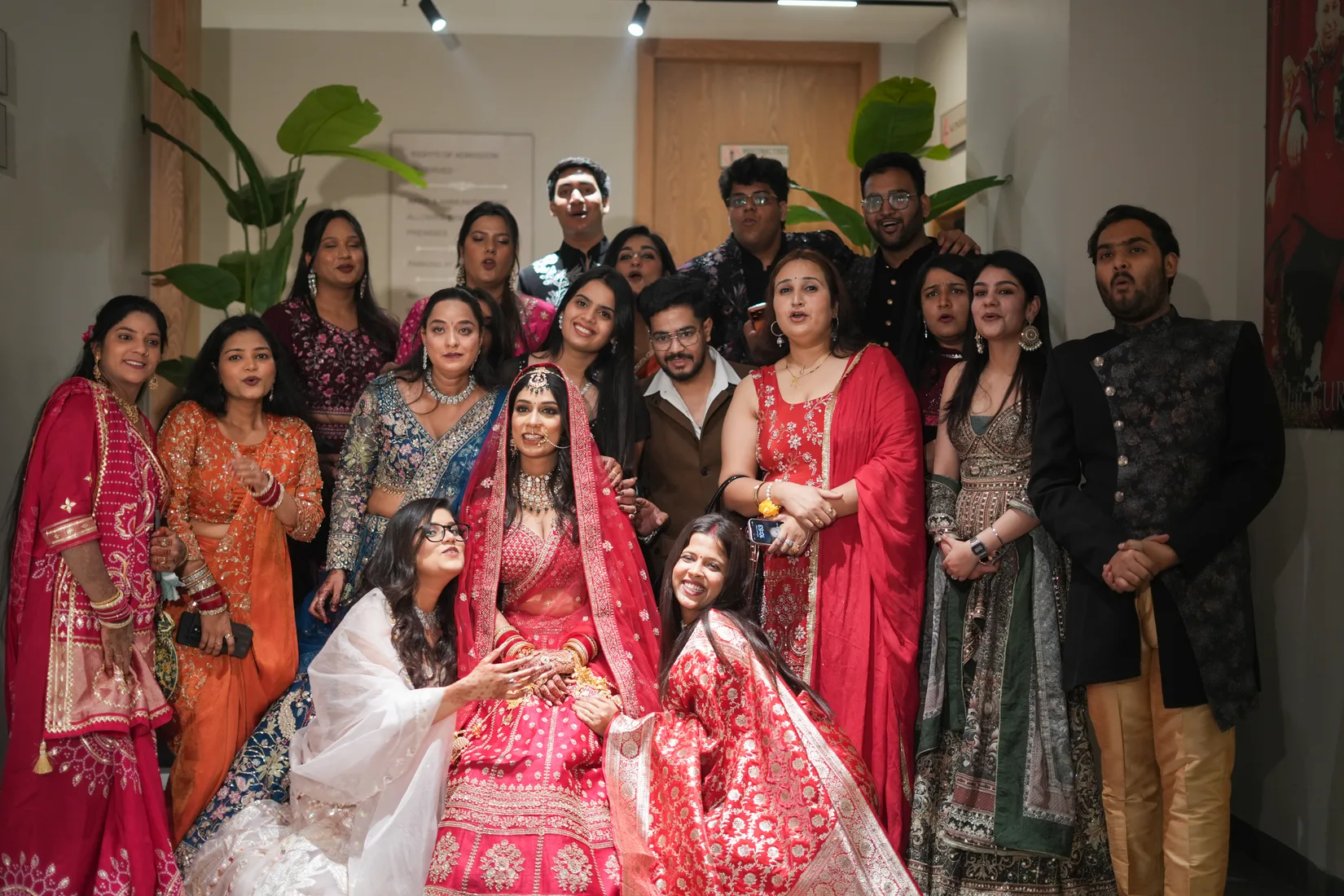
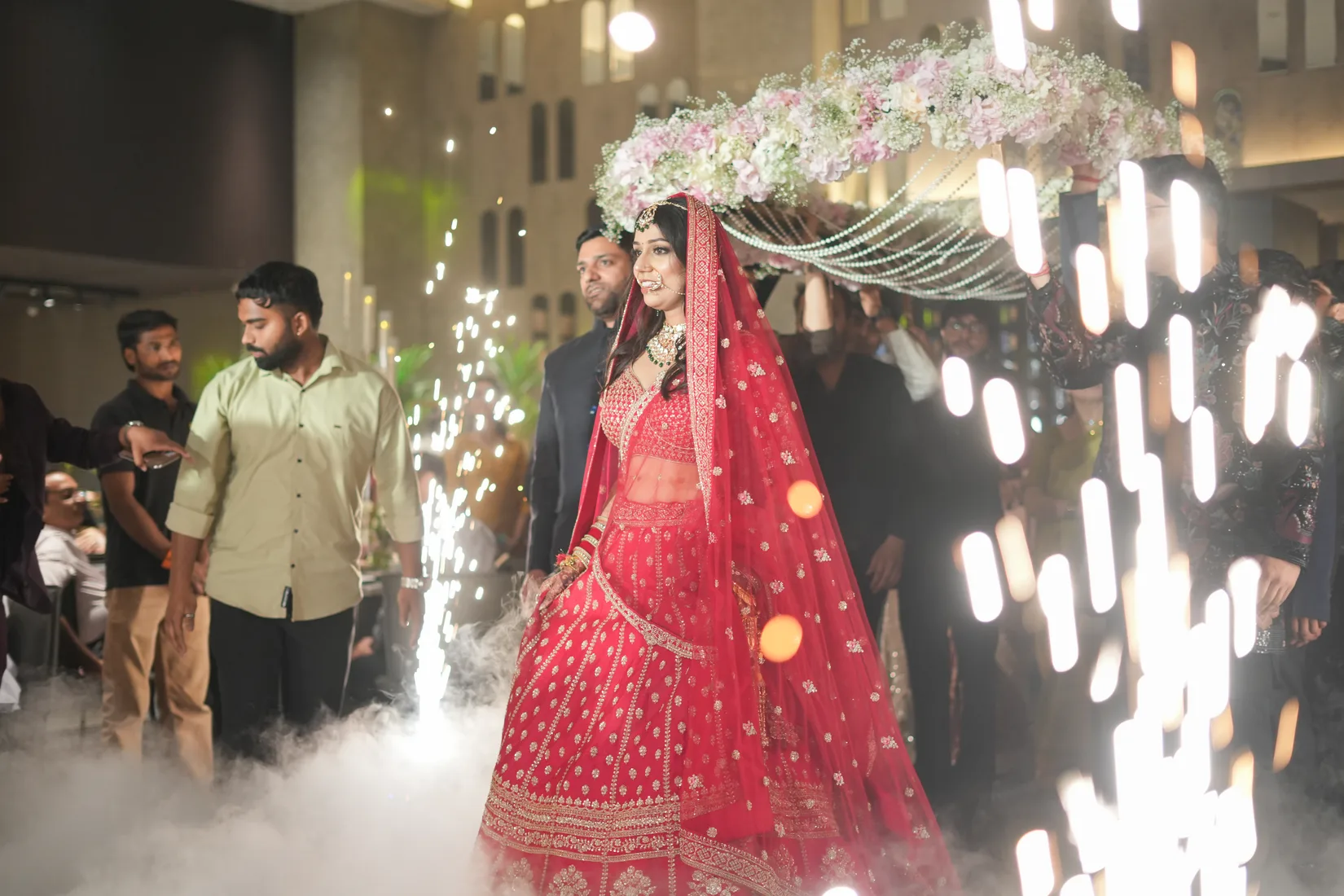
The way your dupatta is draped dramatically affects how it photographs. A dupatta draped over both shoulders and flowing down the back creates romantic, flowing lines in photographs and photographs beautifully during movement (walking, dancing, or swaying). A dupatta draped over one shoulder and flowing across the body creates elegant diagonal lines and is particularly effective in side-profile or three-quarter couple shots. A dupatta positioned as a headpiece creates a classic bridal look that photographs beautifully in formal, seated shots but might feel less dynamic in movement-focused photographs.
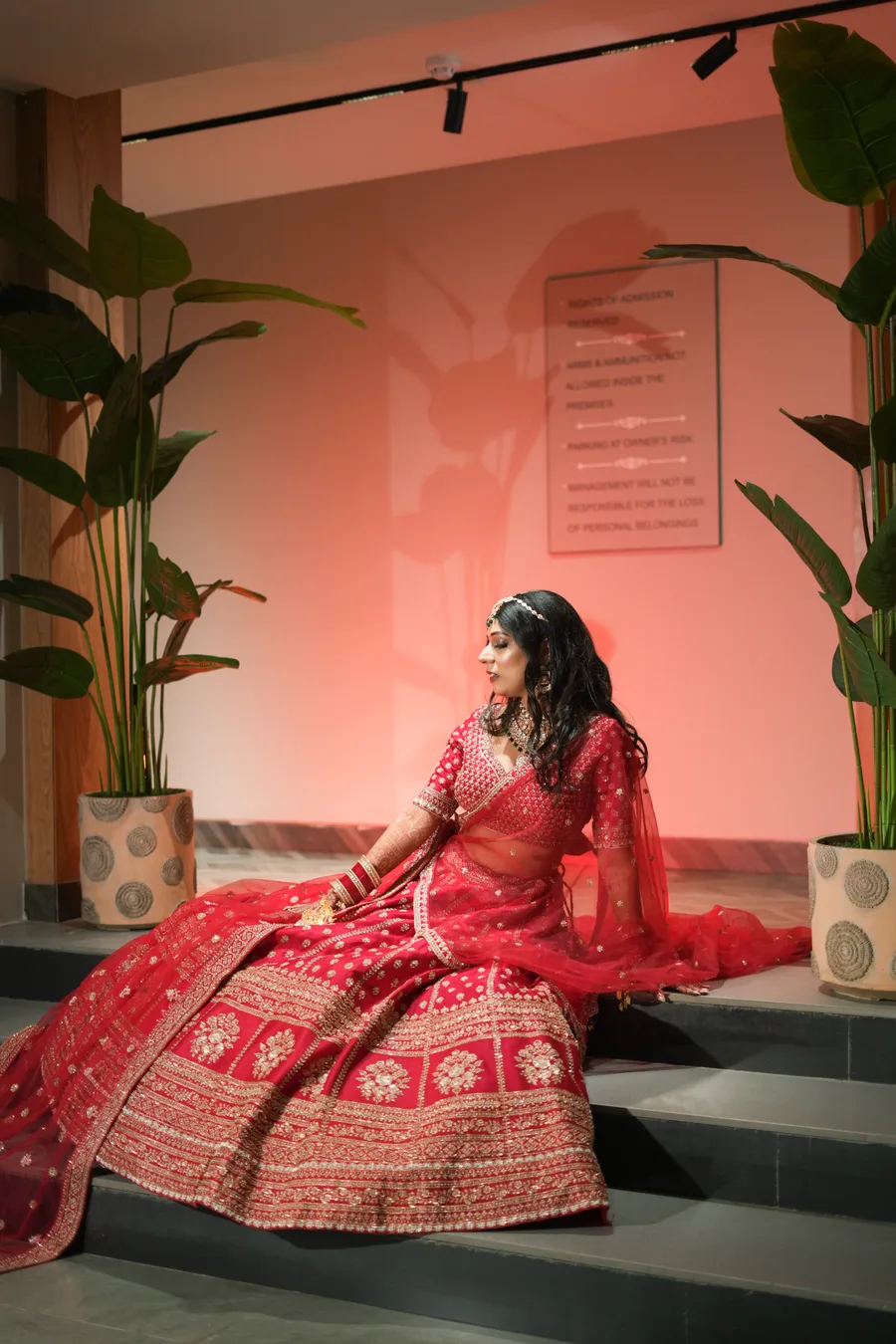
The length of your dupatta matters for how it photographs: a very long dupatta creates dramatic flowing lines in photographs and allows your photographer creative options for compositional movement, whilst a shorter dupatta is more practical for movement but might photograph as slightly less visually impactful. Discuss with your photographer which dupatta length and draping style they recommend for your planned photography aesthetic—whether you're envisioning romantic, flowing movement or more structured, formal composition.
Securing Your Dupatta for Photography and Comfort
One of the most common challenges on wedding day is managing a dupatta that keeps slipping, shifting, or photographing as awkwardly positioned despite your best intentions. The solution is expert securing: a skilled hair stylist or makeup artist can pin or secure your dupatta in a way that keeps it beautifully positioned for photographs whilst allowing enough movement that you feel comfortable and the fabric maintains its flowing aesthetic. This might involve hidden pins, strategic tucking, or clever use of jewellery placement to anchor the dupatta.
Discuss with your hair and makeup team which draping style you're envisioning and ask them to secure it in a way that will hold throughout your day's photography, ceremonies, and celebrations. Some brides choose to have multiple securing methods available—a more secure pinning for the ceremony and couple photography, and slightly looser securing for reception dancing where movement is more free. This attention to practical details ensures your dupatta photographs beautifully throughout your day without requiring constant adjustment.
Dupatta Moments and Photographic Opportunities
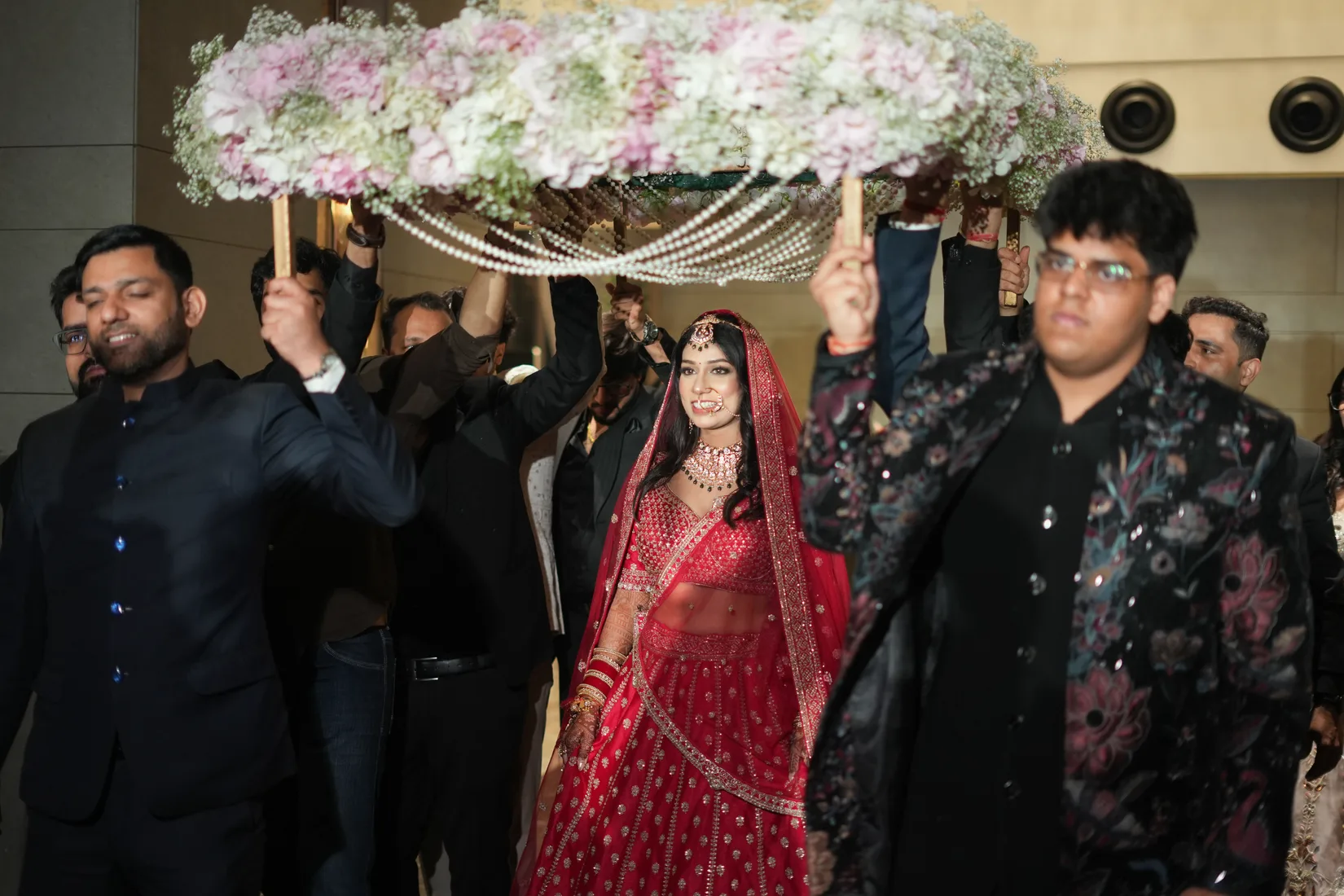
Professional photographers specifically look for 'dupatta moments'—instances where the dupatta creates photographic magic through movement, light, and positioning. These might include the moment you walk down the aisle with your dupatta flowing behind you, a close-up of the dupatta's embroidery detail, the moment your groom lifts your dupatta to see your face, or a full-body shot where the dupatta creates beautiful flowing lines around you. Being aware of these photographic moments allows you to move and position yourself intentionally during photography rather than rigidly.
A dupatta styled beautifully photographs with particular magic during golden hour, when backlighting creates luminous edges and emphasises the fabric's texture and movement. If you're planning outdoor or garden wedding photography, positioning yourself with backlight specifically to showcase your dupatta creates stunning images. Discuss with your photographer which dupatta moments matter most to you and which angles they want to emphasise—this collaboration ensures your dupatta is styled and positioned for maximum photographic impact.
Coordinating Your Dupatta with Your Overall Bridal Look
Your dupatta should feel like an intentional part of your complete bridal aesthetic, not an add-on or afterthought. The dupatta's colour, embroidery style, and draping should complement your lehenga, your jewellery, and your overall bridal vision. If your lehenga features gold embroidery and your jewellery is heavy gold, a gold or gold-embroidered dupatta creates visual coherence. If your lehenga is relatively simple, a more ornate dupatta can photograph as a beautiful focal point of visual interest.
Consider your hair and makeup when finalising your dupatta styling as well. A dupatta positioned over your head or draped dramatically across your face requires makeup and hair that photographs beautifully even with partial covering, whilst a dupatta flowing behind you allows your face and hair to be the primary focus. When you're planning your dupatta styling and want to ensure it photographs as beautifully as you envision, we'd love to discuss the specific look you're creating and how to style this crucial element for maximum photographic impact.