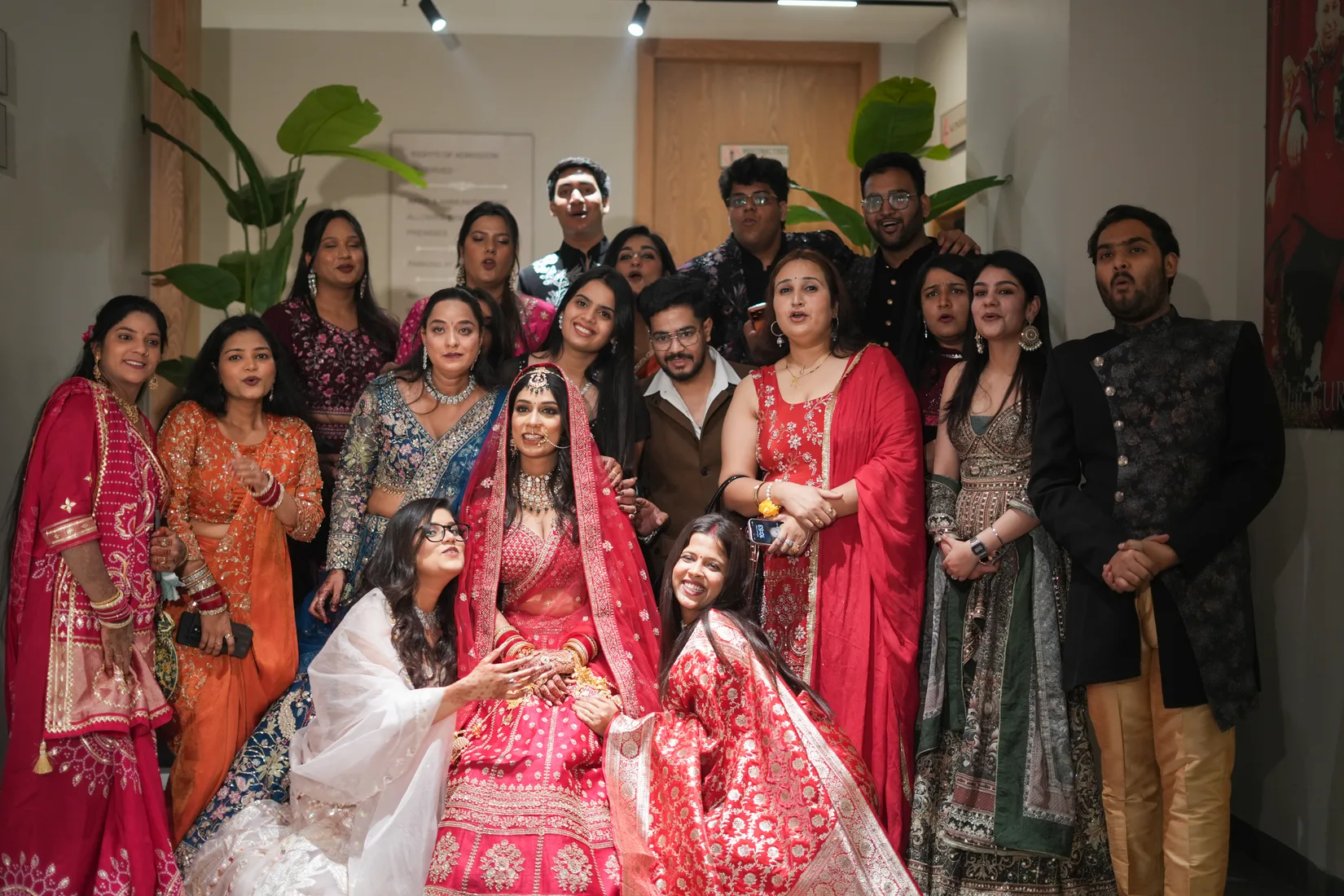
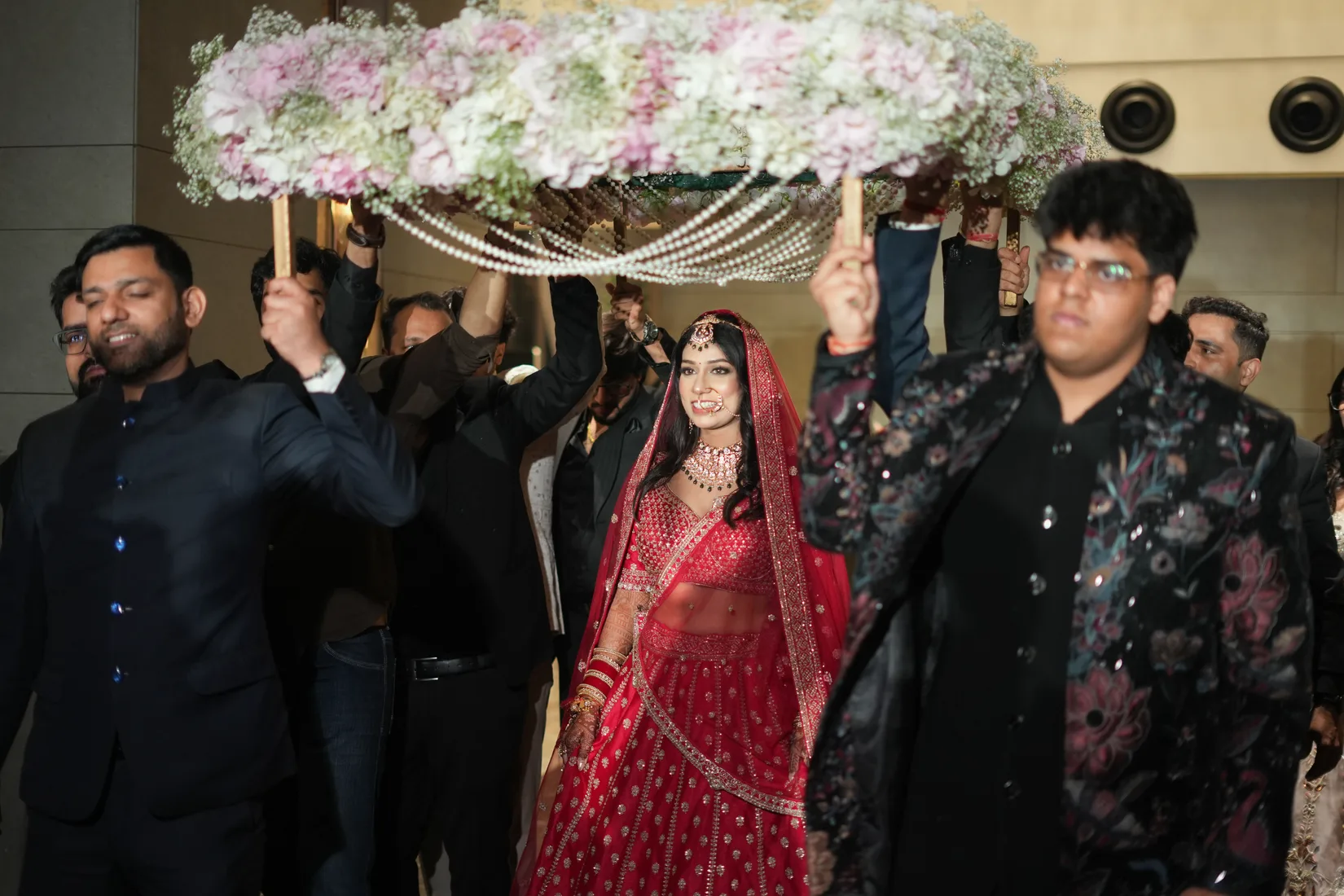
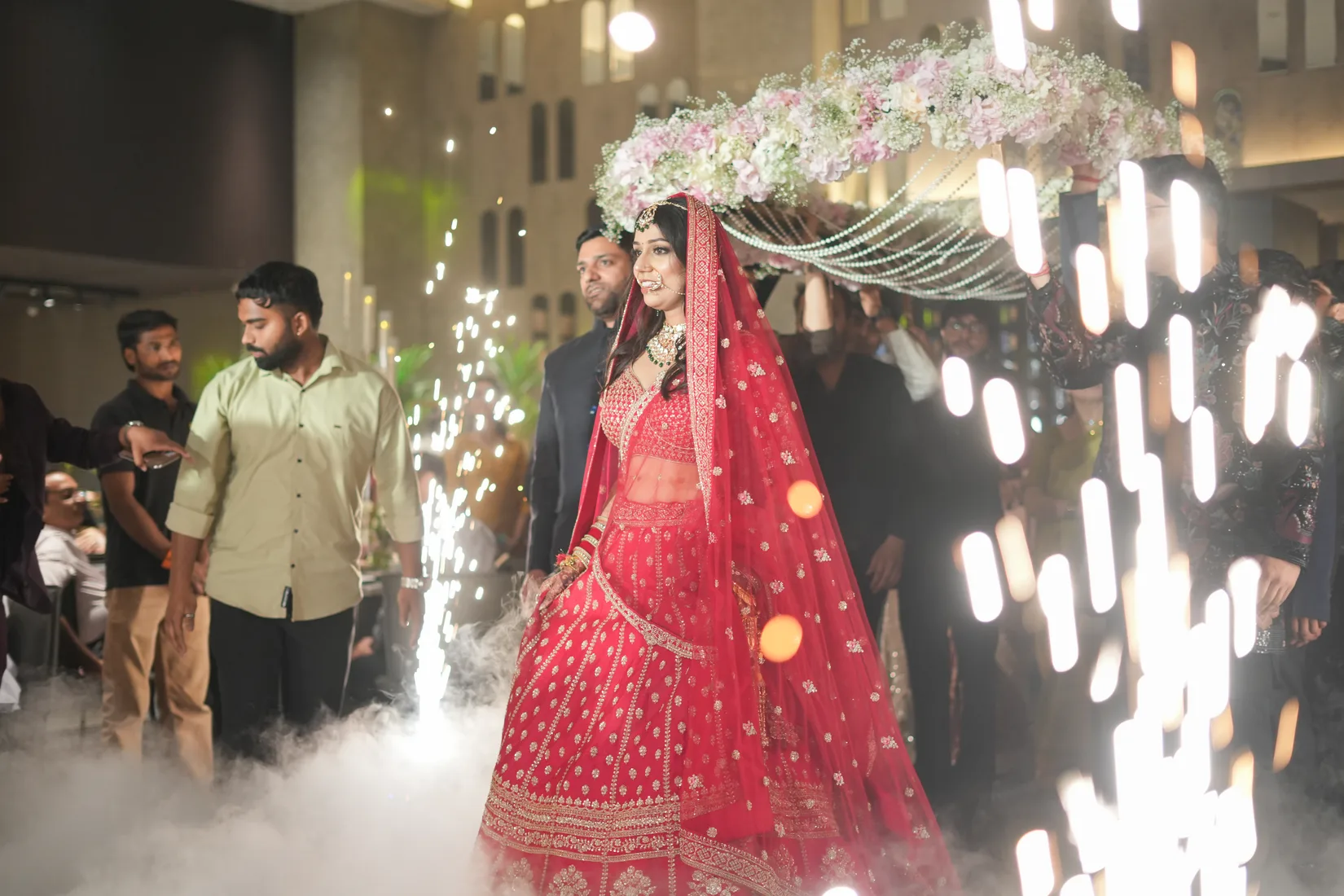
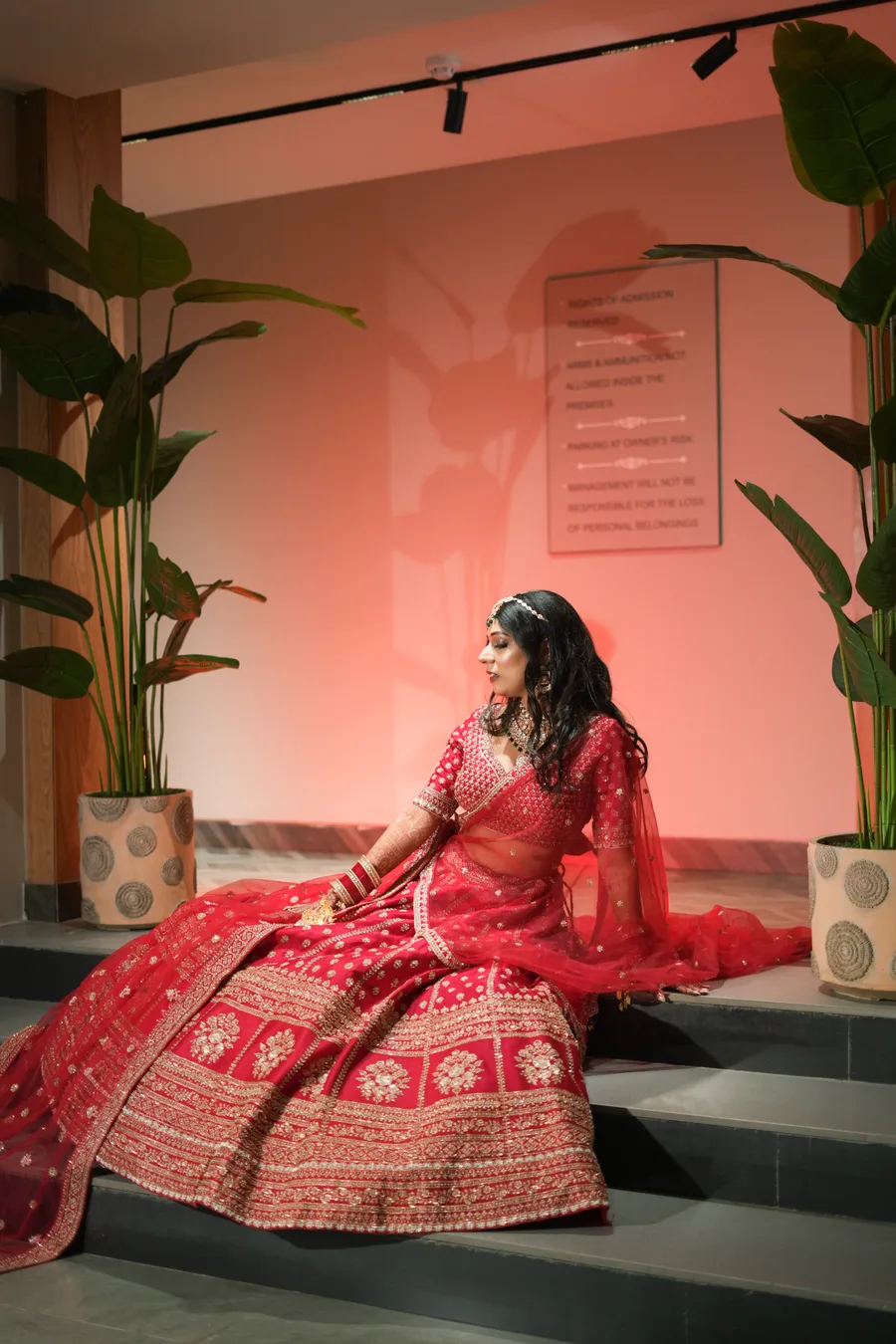
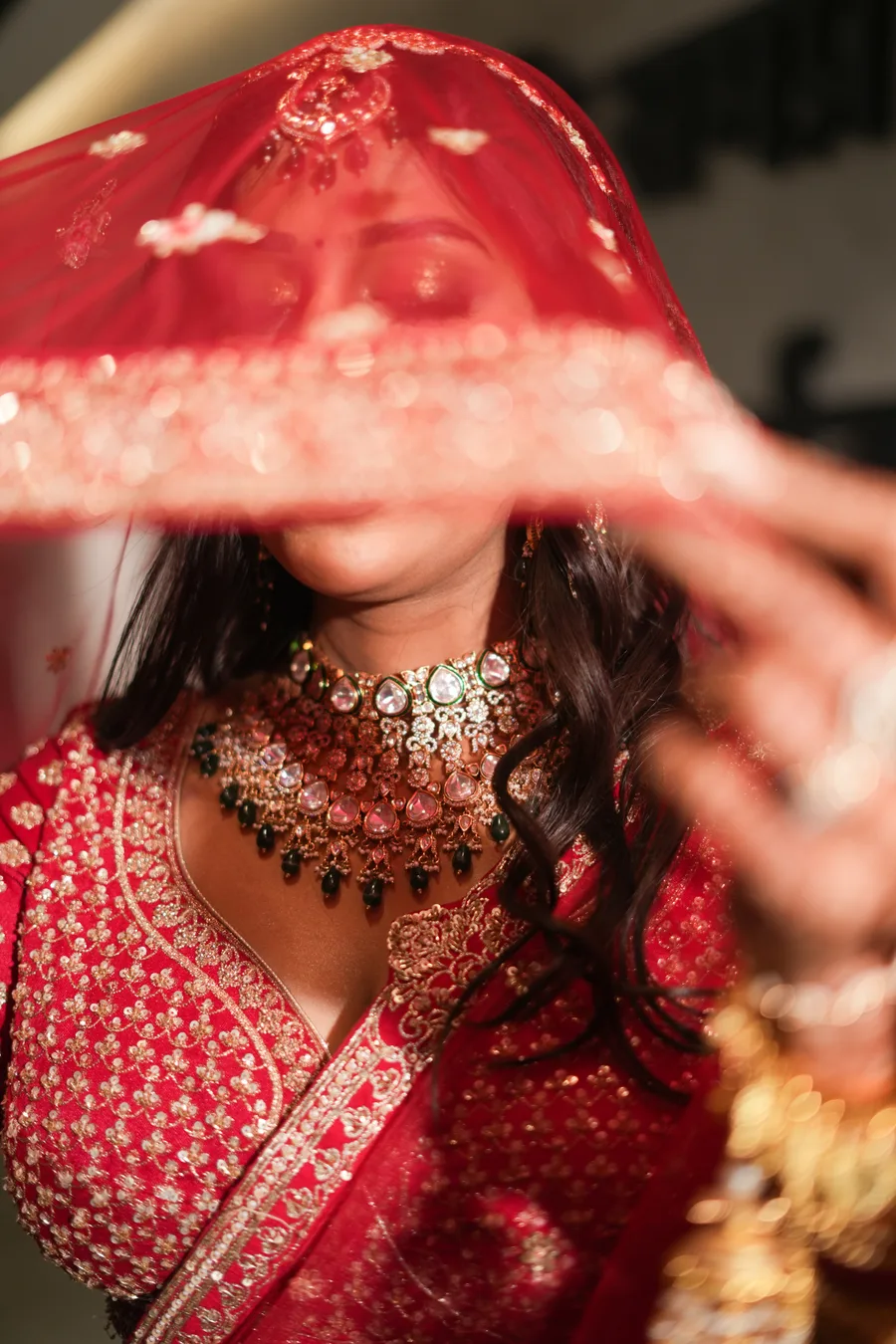
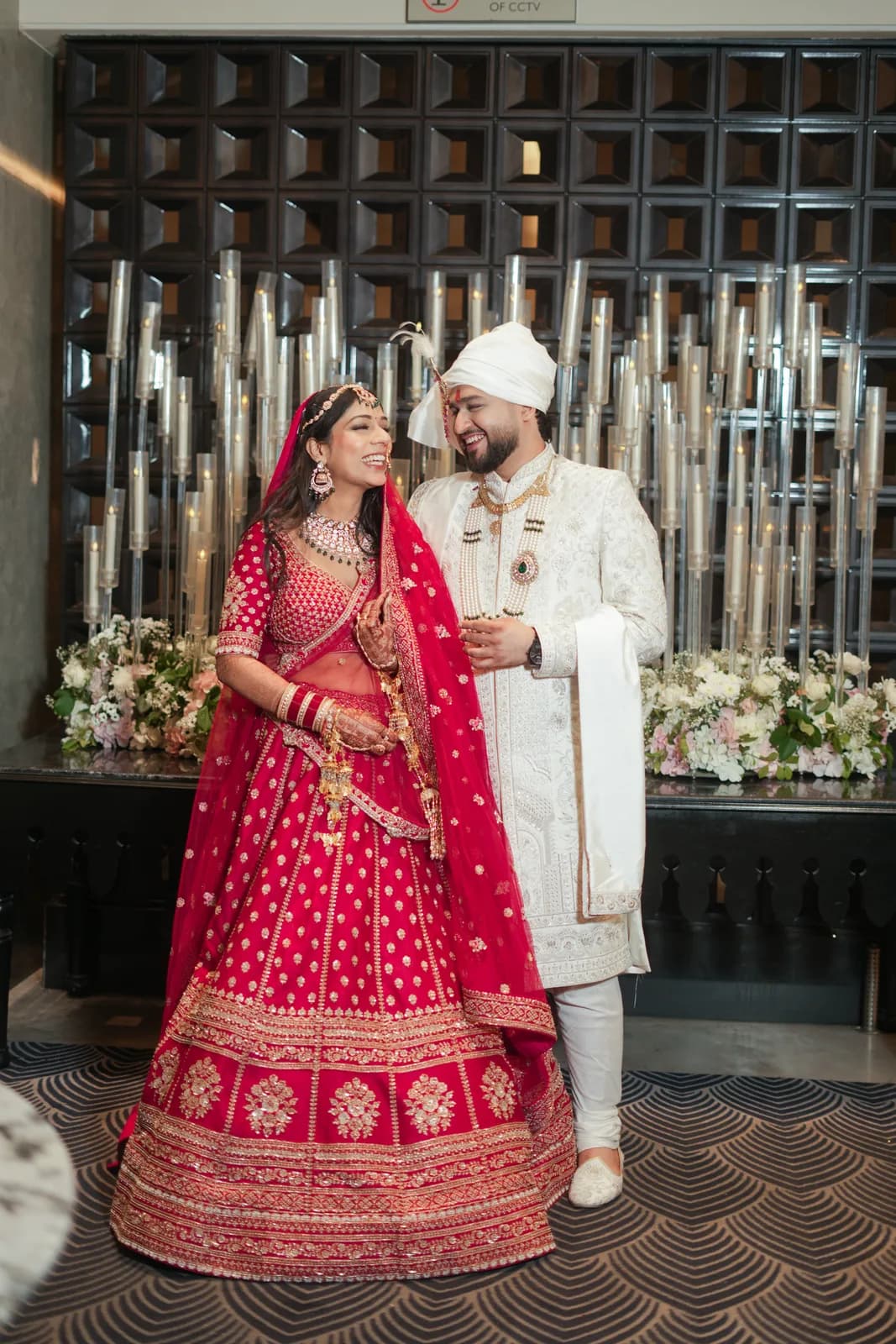
A first look is a private, pre-ceremony moment between bride and groom before the main event. Explore whether this tradition suits your Indian wedding plans and what to expect.
What Is a First Look and Why Indian Couples Choose It
The first look has become increasingly popular among modern Indian couples, particularly those blending traditional ceremony with contemporary rituals. This moment—where the bride and groom see each other privately, usually 30–60 minutes before the ceremony—has no fixed place in classical Hindu, Muslim, Sikh, or Christian traditions, which is why it remains entirely optional. However, younger generations in India's metros and abroad have embraced it for practical and emotional reasons: it protects the surprise element if you prefer it, gives photographers unhurried time to capture genuine reactions, and provides a quieter space for couples to settle their nerves together before the formal proceedings begin.
The appeal lies in authenticity. Without guests watching, without makeup artists hovering nearby, without the pressure of being observed by hundreds of relatives, both partners can respond naturally to seeing each other. For photography, this translates into unrehearsed expressions—the slight intake of breath, the unselfconscious tears, the genuine smile—that make images resonate far more than posed photographs taken under public scrutiny. Many couples also find it emotionally grounding: by the time you walk down the aisle or enter the mandap, you've already seen each other, touched, spoken, and calmed the nervous energy.
The Traditional vs Modern Divide in Indian Weddings
In orthodox Hindu traditions, a groom is not supposed to see the bride before the ceremony; it's considered inauspicious or against ritual protocol, depending on region and family belief. Similar restrictions exist in many Muslim, Sikh, and Christian Indian ceremonies. Consequently, if your family holds these values strongly, a formal first look may not be possible—and that's completely valid. However, many modern Indian families have become flexible, treating the tradition as symbolic rather than absolute.
The decision hinges on three factors: family values, personal preference, and whether you're photographically documenting the moment. If your elders feel strongly that it's inauspicious, no amount of photography benefit justifies causing distress on your wedding day. If your family is relaxed about it, or if you're leading a more independent celebration, a first look can be a delightful addition. Abroad or in metros, the question shifts to 'do we want this?' rather than 'are we allowed?'—a subtle but important difference in framing.
Timing and Logistics: Making It Work
Scheduling a first look requires coordination with your photographer, hair and makeup timeline, and the groom's preparation location. Ideally, you'll be wedding-ready—bride in full attire, groom in sherwani or suit—about 45 minutes before the ceremony. This gives the photographer time to position themselves, arrange backdrops if desired, and wait for the groom to approach or enter the space. The location matters: a quiet garden corner, a hotel suite hallway, or a covered area sheltered from uninvited cameras works best.
Communicate your first look intentions with your photographer weeks in advance. Provide them with a site plan showing where it will happen, what time to expect it, and whether you want posed moments afterward or just candid documentation of the meeting. If you're having a first look but keeping it off social media or from certain guests, brief your photographer on that too. Some couples also arrange for a trusted family member or friend to manage traffic during the moment—ensuring stray guests or phone-wielding relatives don't peek or disrupt the sequence.
Photography Angles That Capture Real Emotion
The magic of first-look photography lies in capturing that unguarded instant without directing it to death. Your photographer should position themselves before the groom arrives, often shooting from a slight distance initially to catch his first glimpse of the bride, then moving closer for detail—the fabric of her lehenga, the trembling of hands, the moisture in eyes. Backlighting, if available, can be stunning here; soft light from a window or diffused sunlight highlights the bride's silhouette and adds a dreamy quality.
Angles matter more than you might think. A photographer shooting at eye level captures intimacy and connection; shooting slightly from above can feel voyeuristic or distant. Some prefer to move around the couple as the moment unfolds, capturing it from the bride's side, then the groom's side, then from behind as they embrace. The best first-look photographs don't look like they were posed at all—the photographer becomes almost invisible, a silent observer documenting something real.
If You Skip the First Look: Alternative Couple Moments
Choosing not to have a first look doesn't mean sacrificing intimate couple photographs. Many couples integrate a private 'couple shoot' after the ceremony—perhaps while guests are settling for the reception, or during the cocktail hour—where the photographer captures uninterrupted, tender moments. This approach sometimes feels fresher because it happens after the ceremonial intensity has passed; both partners are more relaxed, more settled, and surprisingly more playful.
Another option is the 'after-ceremony portrait,' where instead of a rushed couple photo with all formality, you dedicate twenty minutes once everyone's seated for dinner or evening festivities. Some couples also find that the formal first meeting during the ceremony—often steeped in ritual and emotion—is so powerful that a pre-ceremony first look would actually diminish its impact. A skilled photographer can create beautiful, intimate couple moments whenever you carve out the space.