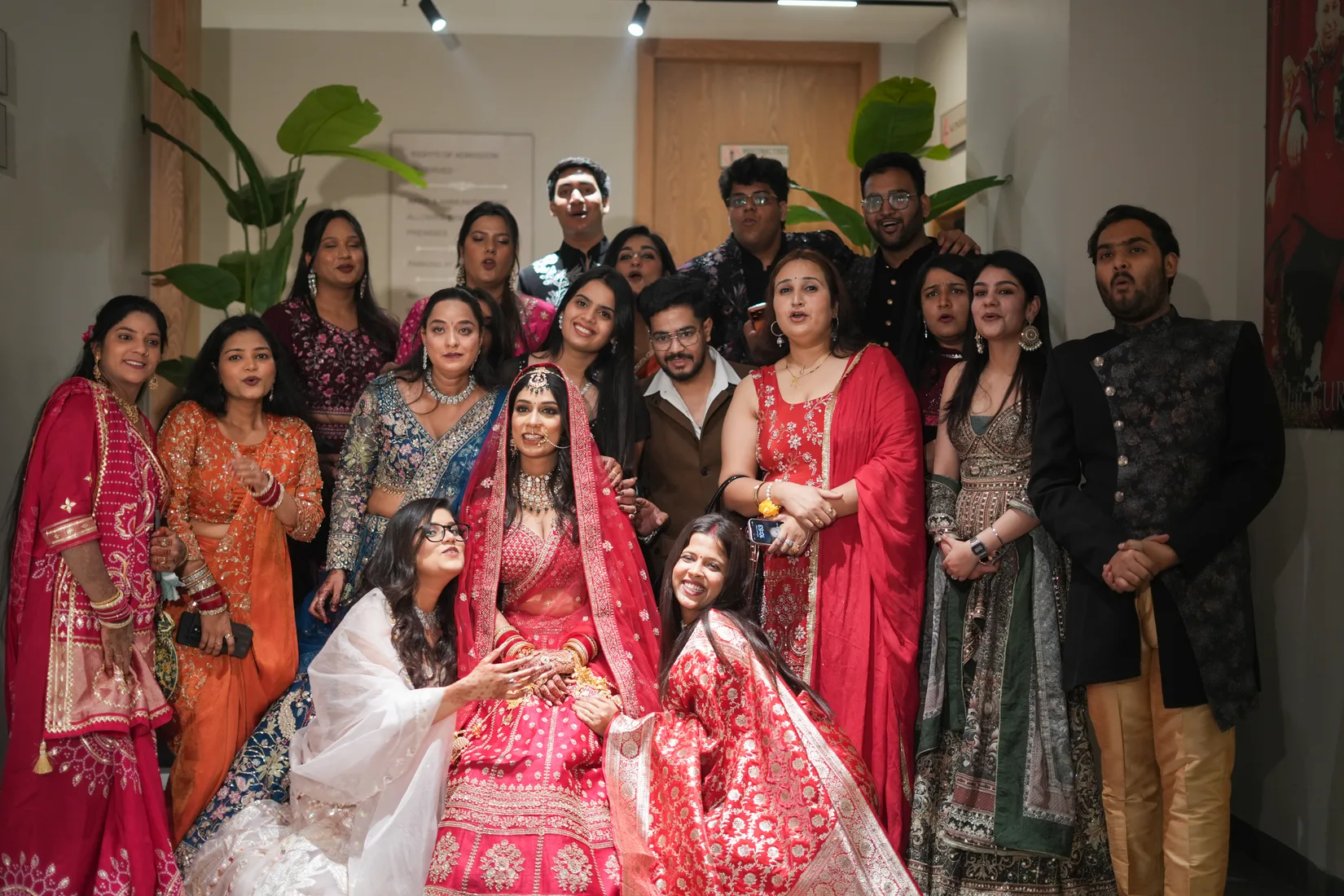
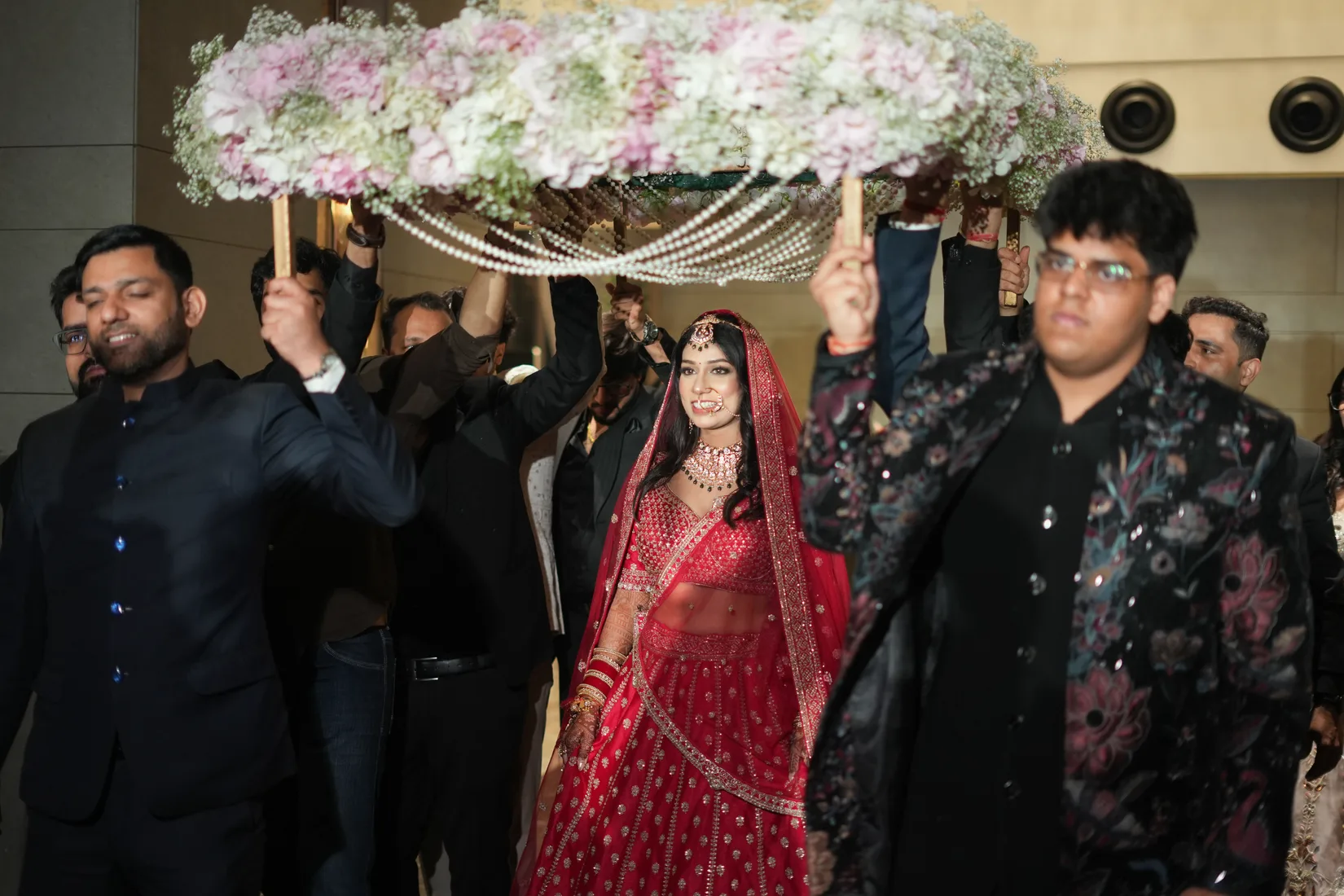
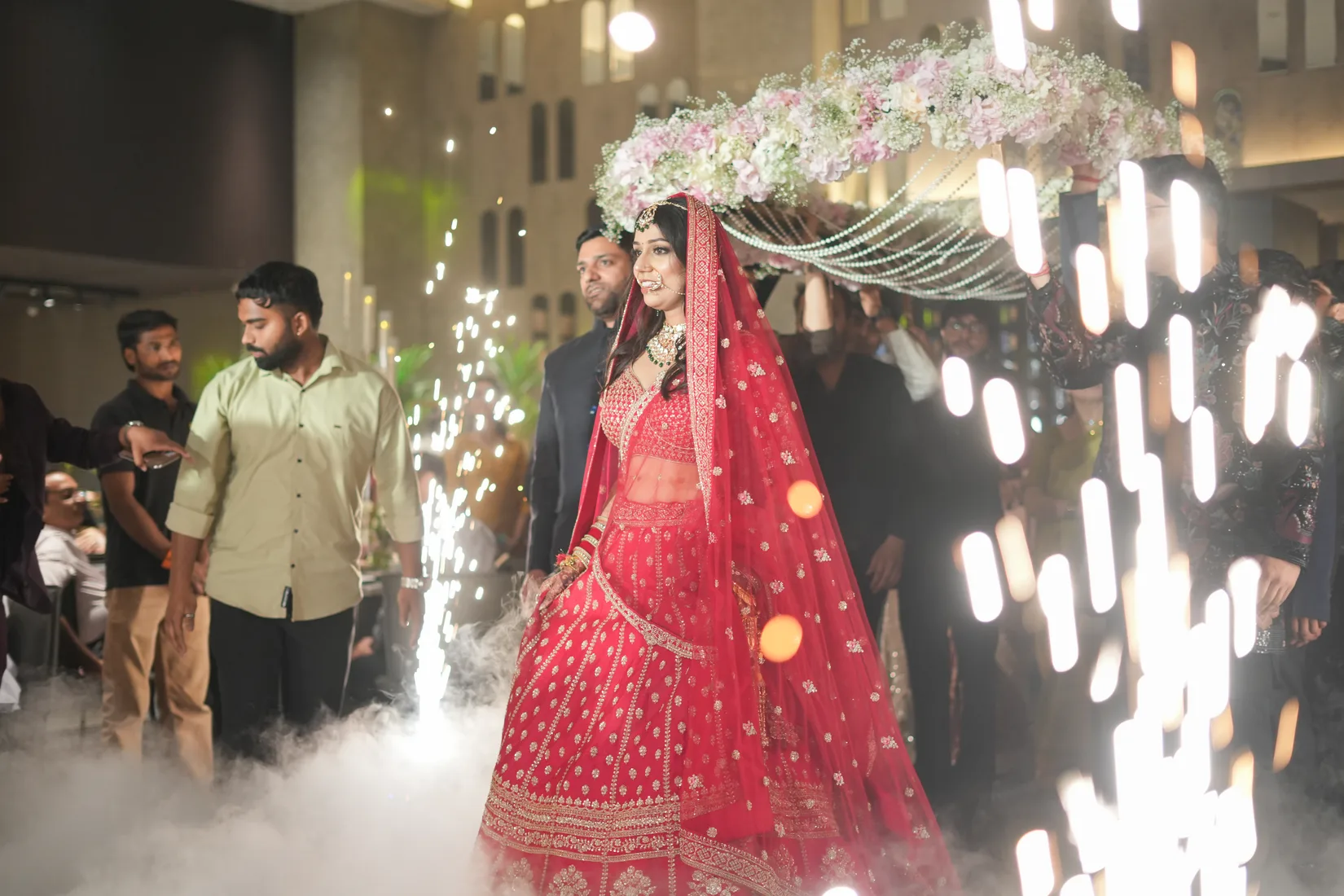
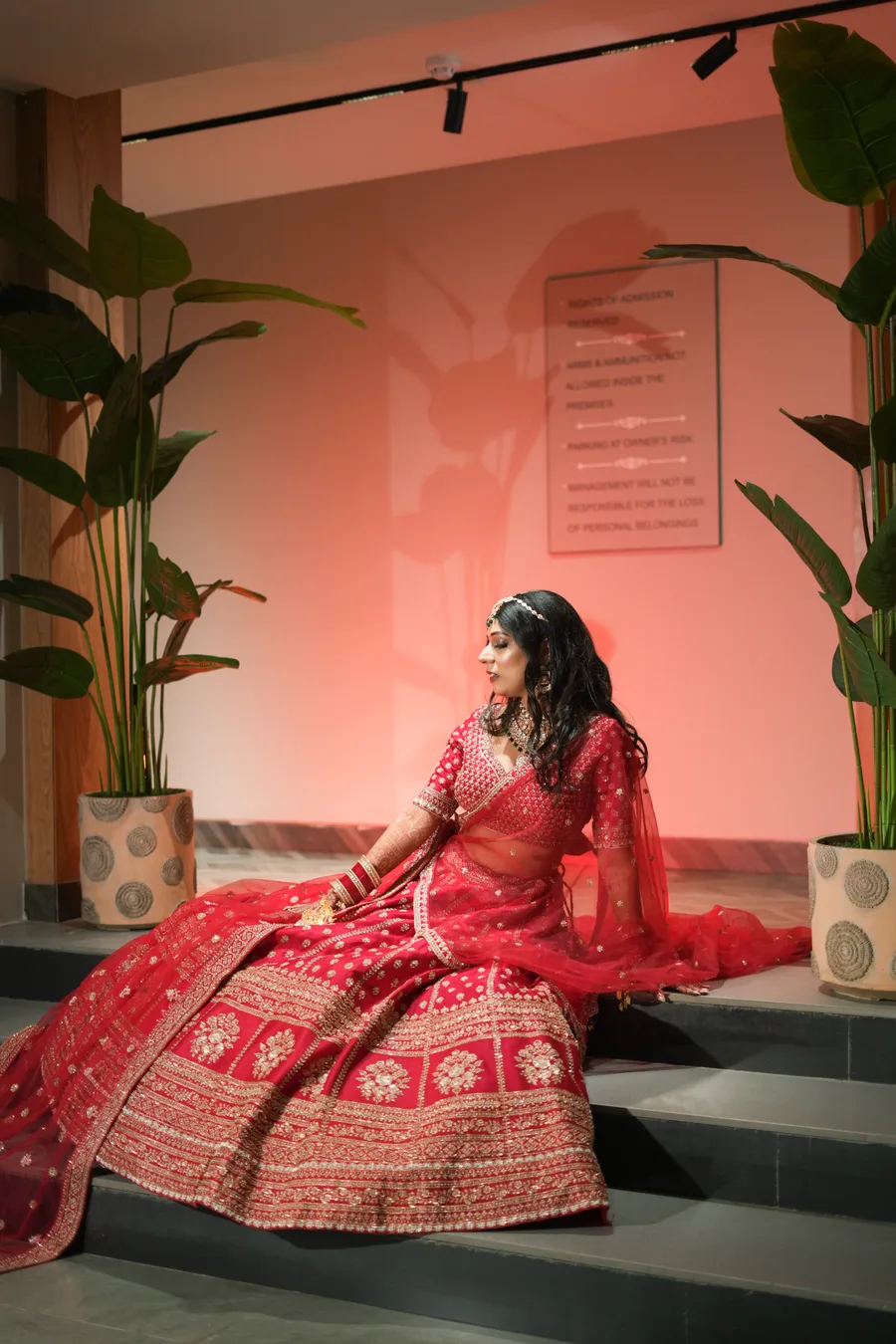
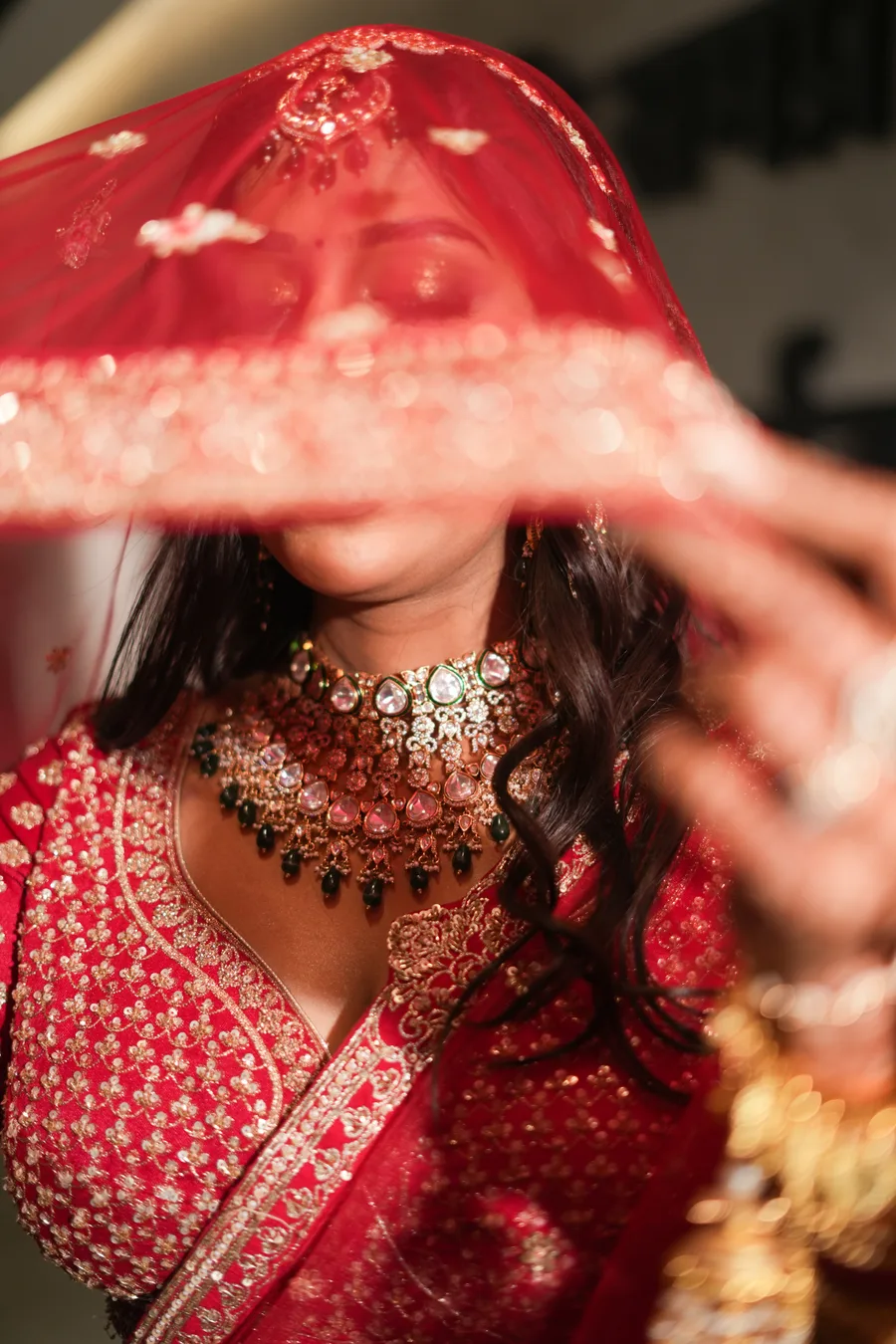
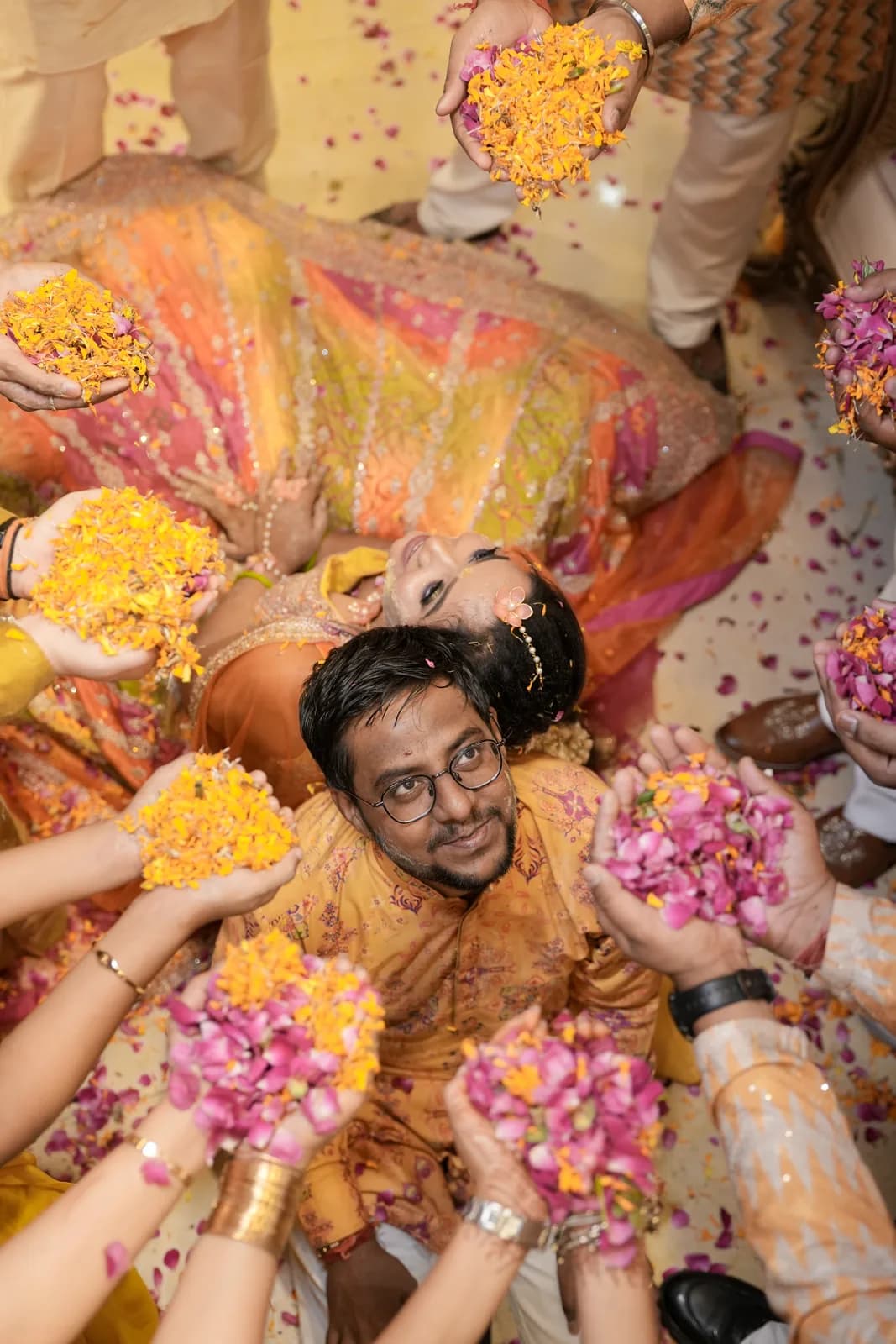
Budget wedding photography often seems like the smart choice, but hidden costs emerge quickly: missed moments, poor image quality, stressed teams, and regrets that last far longer than the money you saved ever will.
What 'Cheap' Actually Means in Wedding Photography
When couples describe a photographer as 'cheap,' they usually mean significantly below-market rates. In cities like Delhi, Mumbai, or Bangalore, below-market might be forty to fifty percent less than standard pricing. The question isn't whether cheap photography exists; it's whether the photographer delivers professional quality without serious compromises. Every photographer needs to cover equipment costs (cameras, lenses, backups), software subscriptions (editing, storage, security), travel, insurance, assistants, and livelihood.
When pricing drops dramatically, something inevitably gives—and it's rarely the photographer's profit margin. It's usually assistant numbers, editing time, pre-wedding planning, or the photographer's ability to be genuinely present rather than rushing to the next wedding. A photographer booked three weddings per weekend is exhausted; it shows unmistakably in the work. Technical mistakes increase, creative energy disappears, and your story becomes a time-management exercise rather than a meaningful documentation.
The Hidden Costs of Rushed Photography and Fatigue
A photographer booking multiple weddings per weekend is stretched thin. They're photographing your Saturday wedding, driving through the night, and shooting Sunday and Tuesday events. Fatigue directly affects creativity, ability to notice moments before they pass, and technical precision. Rushed photographers often take fewer shots, skip bride-preparation periods to save time, or skip family portraits because timing is tight. They might miss decisive moments—the first time your partner sees you, the exact second you exchange rings, the unguarded joy on your grandmother's face.
These aren't moments you can recreate; they're the shots that matter most. Budget constraints make it harder to prioritise capturing them properly. A tired photographer is also more likely to make technical mistakes or miss subtle expressions containing genuine emotion. Your wedding deserves someone with energy and attention, not someone running on fumes across multiple events.
Image Quality, Editing Time, and Long-Term Appeal
Photography is technically easy; editing requires expertise, time, and specialised software. A cheap photographer might deliver five hundred to eight hundred images, many barely edited or heavily filtered to hide imperfections. Professional editing requires thirty to sixty minutes per hundred photos—reviewing exposure, white balance, skin tones, and consistency across the day. At budget rates, photographers use automated batch editing or minimal adjustments, producing flat colour grading, uncorrected exposure issues, and inconsistent skin tones.
Your photos will look stiff or artificial rather than warm and timeless. In five years, heavily filtered or poorly edited photos feel dated in ways you won't anticipate now. Digital technology advances quickly. Aggressively processed images from 2024 will look distinctly of that era by 2029. Professional editing creates timeless warmth that serves your photographs for decades.
Missed Coverage, Equipment Failures, and Legal Uncertainty
A photographer can't be two places at once. When photographing bride preparations in one room, they miss the groom's energy in another. Good teams deploy a second shooter capturing parallel moments. Budget photographers work alone; hard choices get made: skip getting-ready coverage, rush family portraits, or miss candid moments because you're resetting equipment. You won't know what was missed until after the wedding, discovering no images of close friends laughing together or your mother's expression during key moments.
Professional photographers carry backup equipment because gear fails. If their primary camera fails during your wedding, they shoot inferior equipment or scramble while important moments happen. Budget photographers might lack backups or carry older, less capable cameras. Additionally, cheap photographers sometimes retain copyrights and restrict printing rights. You might later pay hundreds more for prints your parents want, or be unable to share freely on social media. Professional photographers grant clear personal-use rights and allow printing and sharing.
The Irreversible Cost of Regret and Long-Term Perspective
Wedding photography typically costs five to fifteen percent of total budget. Saving fifty percent on photography means saving maybe 2.5–7.5% of total budget while potentially compromising the one deliverable you'll view for decades. Your food disappears in an evening. Your flowers fade. Your dress gets stored. Your photographs are the permanent record—the only document that matters after the celebration ends. If you skimp on photography and end up disappointed, you can't reshoot your wedding or recapture what was missed.
The regret of poor photos often outweighs whatever money was saved by tens of thousands of rupees in psychological cost. Many couples wish they'd invested more in photography after their wedding. Almost none wish they'd gone cheaper. Understanding the real costs of budget photography—missed moments, lower quality, incomplete coverage, and lasting regret—helps you make an informed choice. Your wedding deserves documentation matching its significance. If you're planning your wedding and want photography you'll genuinely love for decades to come, we'd welcome a conversation about what makes professional wedding photography worth its investment.