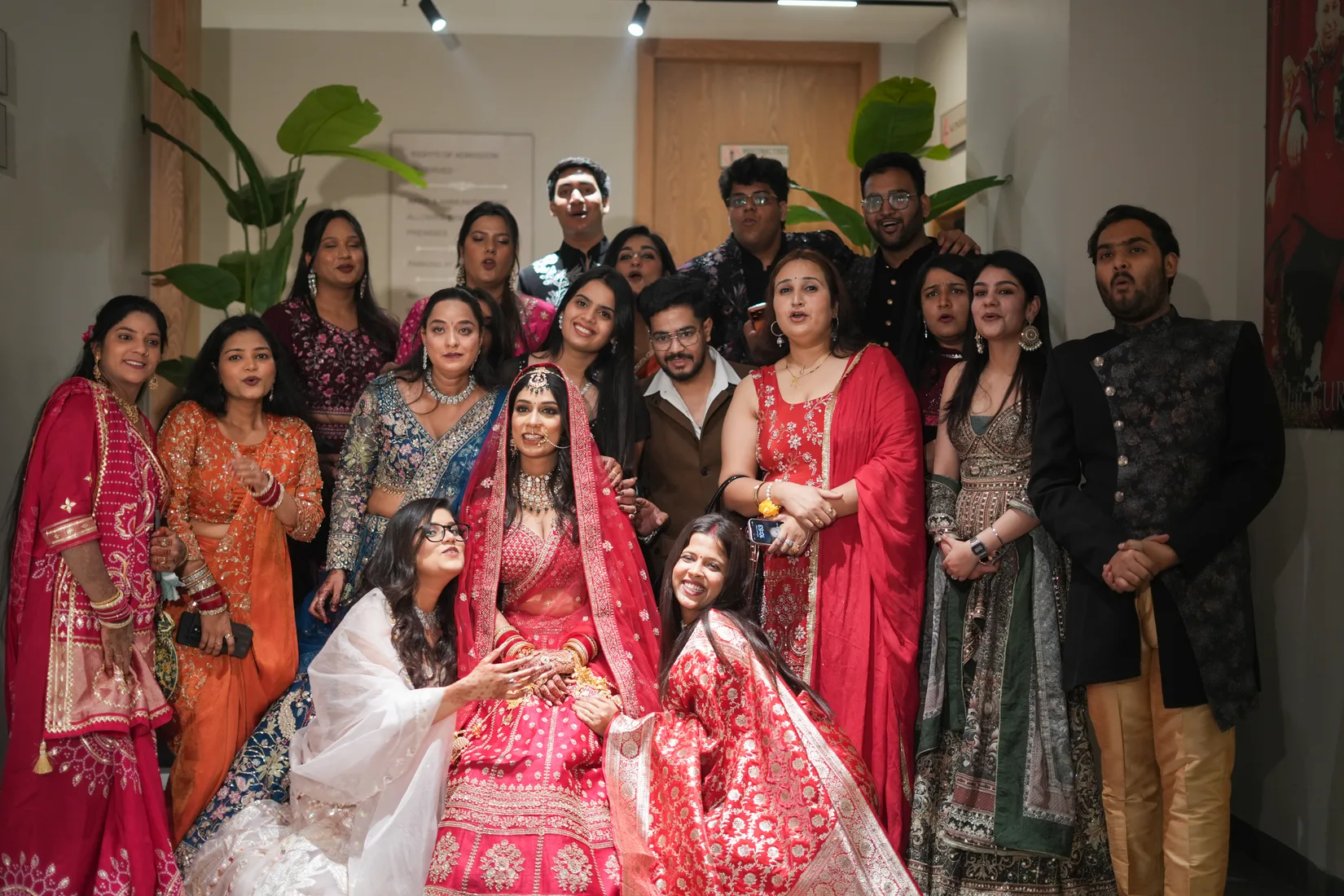
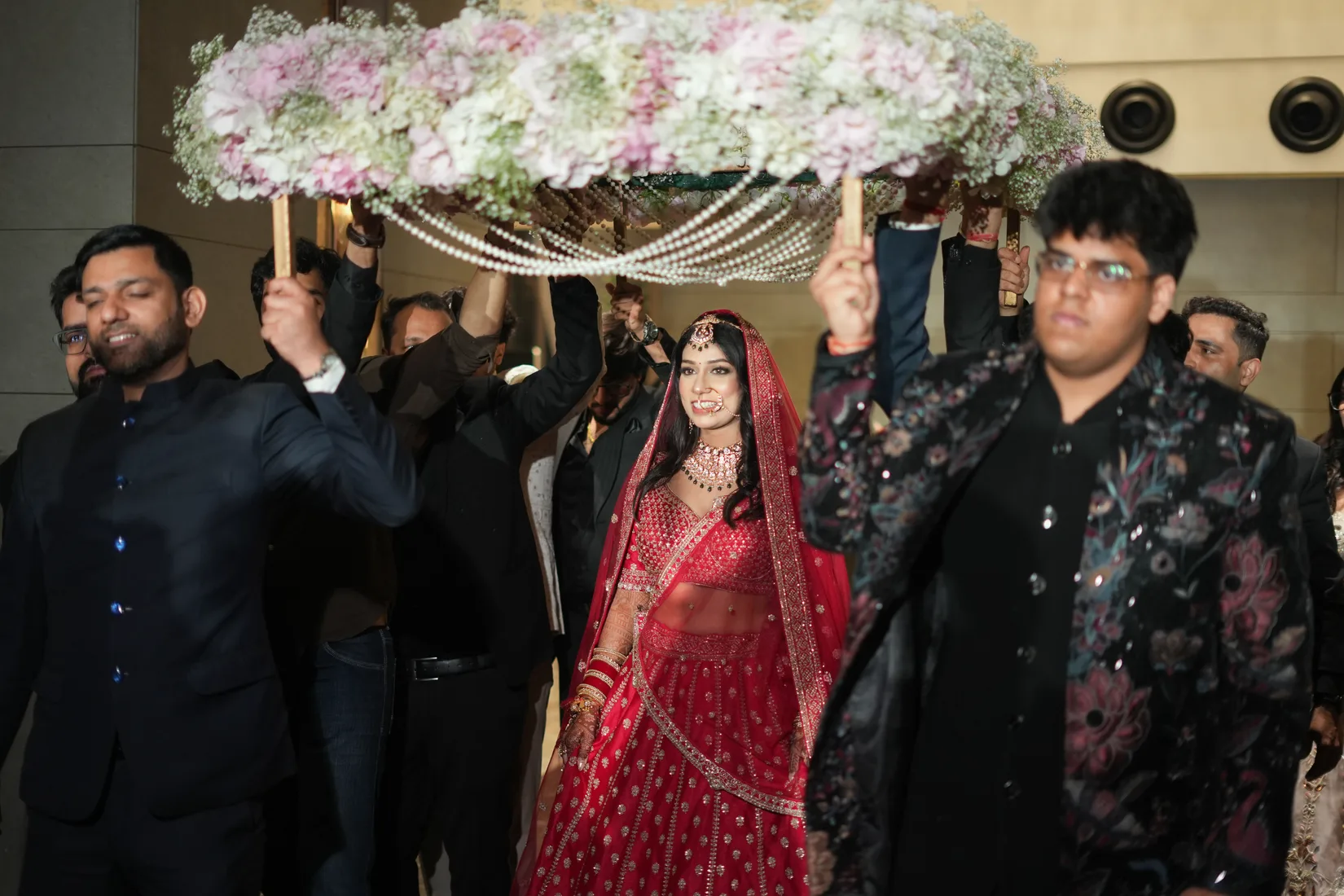
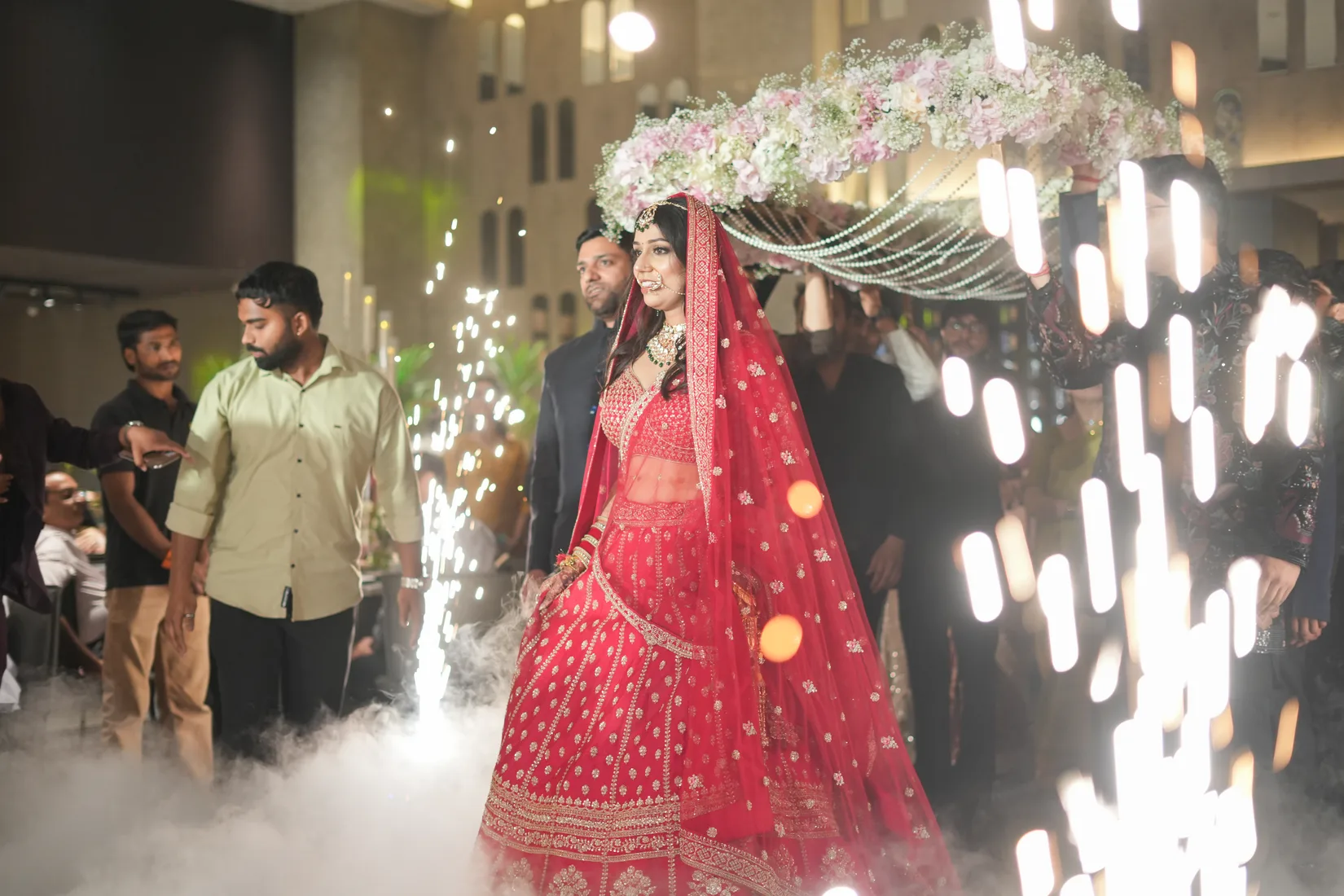
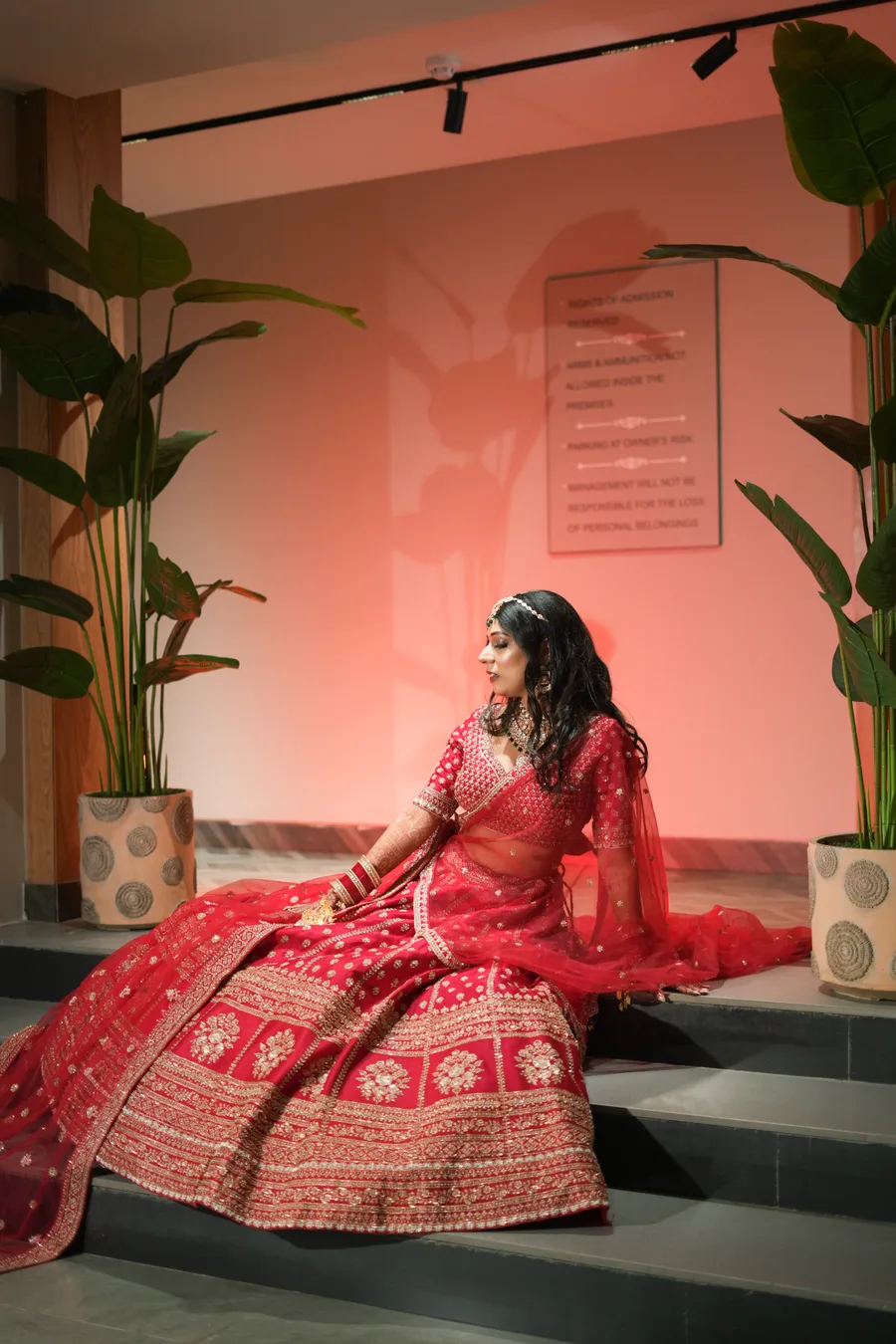
Master the essentials of your wedding photography contract. Understand deliverables, rights, payment terms, and what protections matter most for your big day.
Why Your Photography Contract Matters
A wedding photography contract is far more than a formal document—it's your mutual agreement that protects both you and your photographer. Without clear written terms, misunderstandings about what's included, when you'll receive photos, or who owns the images can create stress during an already busy time. Your contract outlines exactly what you're paying for, what happens if things go wrong, and how disputes are resolved. This clarity allows both parties to focus on creating beautiful memories rather than worrying about unstated expectations.
Many couples treat their wedding photography contract as a bureaucratic necessity to sign quickly. In reality, it's your best opportunity to understand what the photographer will deliver and to negotiate terms that suit your needs. Reading carefully before signing takes perhaps 30 minutes but prevents weeks of frustration later. A photography contract that's too vague ('we'll provide photographs') is nearly useless; a detailed one specifies deliverables, timelines, and protections that matter.
Essential Clauses in a Wedding Photography Contract
Every professional wedding photography contract should include a clear services description outlining exactly what's included: number of photographers, hours of coverage, location details, and specific events to be photographed. It should specify whether pre-wedding shoots are included or booked separately, how many pre-shoots you're entitled to, and the locations you can use. The contract must also detail the shooting style promised—documentary, artistic, traditional, or a blend. Vague descriptions lead to mismatched expectations; specific ones create clarity.
Payment terms deserve careful attention. The contract should state the total fee, any deposit required, payment schedule, and when the balance is due (typically at least one week before the wedding). It should clarify what happens if you need to postpone or cancel—do you lose your deposit, or is it credited toward a rescheduled date? Some studios charge a small rescheduling fee; others don't. The contract should also specify accepted payment methods and late-fee policies. Understanding payment terms upfront prevents financial surprises.
Deliverables, Timeline and Backup Plans
The deliverables section is crucial: how many final edited images will you receive, in what format, and when? Professional contracts specify a number—perhaps 400-800 images for a full-day wedding, depending on the package. It should clarify whether you receive all captured images or only professionally edited ones. Some studios deliver prints, albums, or digital copies; others charge extra for these. The contract must specify the timeline: many studios deliver images 4-12 weeks after the wedding. Knowing this in advance prevents the frustration of anxiously waiting weeks for photos.
A strong contract includes backup provisions: what happens if the primary photographer becomes ill or unavailable? Professional studios commit to providing a qualified backup photographer at no extra charge. The contract should also address what happens if equipment fails or weather becomes severe. A studio confident in its work will guarantee that your wedding is photographed, even under challenging circumstances. If a contract doesn't mention backup plans, ask your photographer directly and request this clause be added.
Copyright, Licensing and Your Image Rights
Copyright ownership—who actually owns your wedding photographs—varies significantly between photographers and studios. Typically, the photographer retains copyright but grants you a personal-use license: you can print, share on social media, and use photos privately. The contract should clearly state whether you can hire another photographer or company to print albums from the digital files, or if you must order through your photographer. Some studios restrict commercial use of images (like if you're a professional using wedding photos for branding), while others allow it freely.
Pay particular attention to the photographer's right to use your images. Most contracts include permission for photographers to share images on their website, social media, and in portfolios—this is standard practice and helps studios attract future clients. However, you can negotiate limits. Some couples request that certain intimate moments not be shared publicly, or that images are shared only after a specified waiting period. If privacy matters to you, request these restrictions in writing before signing. Understanding copyright and usage rights prevents awkward situations later.
Payment Structure and Cancellation Policies
Wedding photography contracts typically require an advance deposit (often 25-50% of the total fee) to secure your date. This deposit is usually non-refundable if you cancel, as the photographer has blocked their time from other potential bookings. However, most studios allow you to reschedule to another date without losing your deposit, provided you provide reasonable notice. The contract should specify how much notice you must give (typically 30-60 days for rescheduling without penalty). Understanding these terms prevents unexpected financial loss if your plans change.
The balance payment is usually due shortly before your wedding—sometimes one week before, sometimes upon final confirmation. Some studios accept payment plans across multiple instalments; others prefer lump-sum payment. Clarify whether payment must be received before the photographer arrives on your wedding day, or if you can pay after. Some studios require payment before delivering final images. These details matter practically; knowing your payment obligations prevents scrambling for funds during final wedding week.
Reviewing and Negotiating Terms
Before signing any contract, read every clause carefully and ask questions about anything unclear. Photography contracts from established studios are usually fair and protective of both parties. However, you can negotiate specific terms—number of images included, whether pre-shoots are included, backup photographer arrangements, or image usage rights. Most photographers are willing to discuss customisation if it brings you within your budget or addresses genuine concerns. What matters is that any modifications are documented in writing before you sign.
If a contract contains terms you disagree with, propose changes in writing and ask the photographer to confirm acceptance. Never assume verbal agreements will be honoured; documentation protects everyone. Red flags include contracts that are extremely vague, that don't address payment or delivery timelines, or that impose unusual restrictions on you. A professional photography contract balances clarity with flexibility, protecting your investment while allowing your photographer to deliver their best work. If you're reviewing your contract and need guidance, we're happy to discuss what matters most for your celebration.