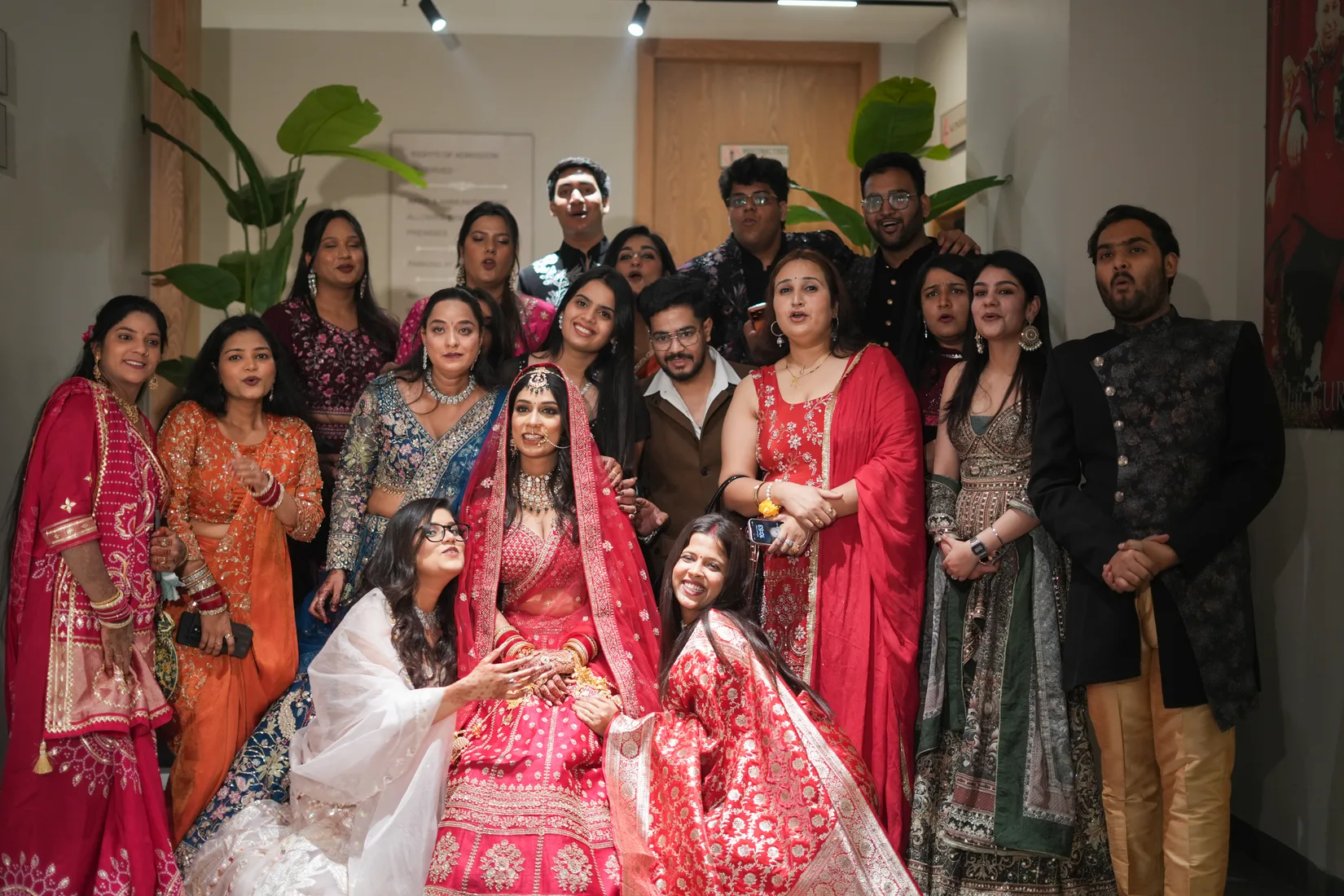
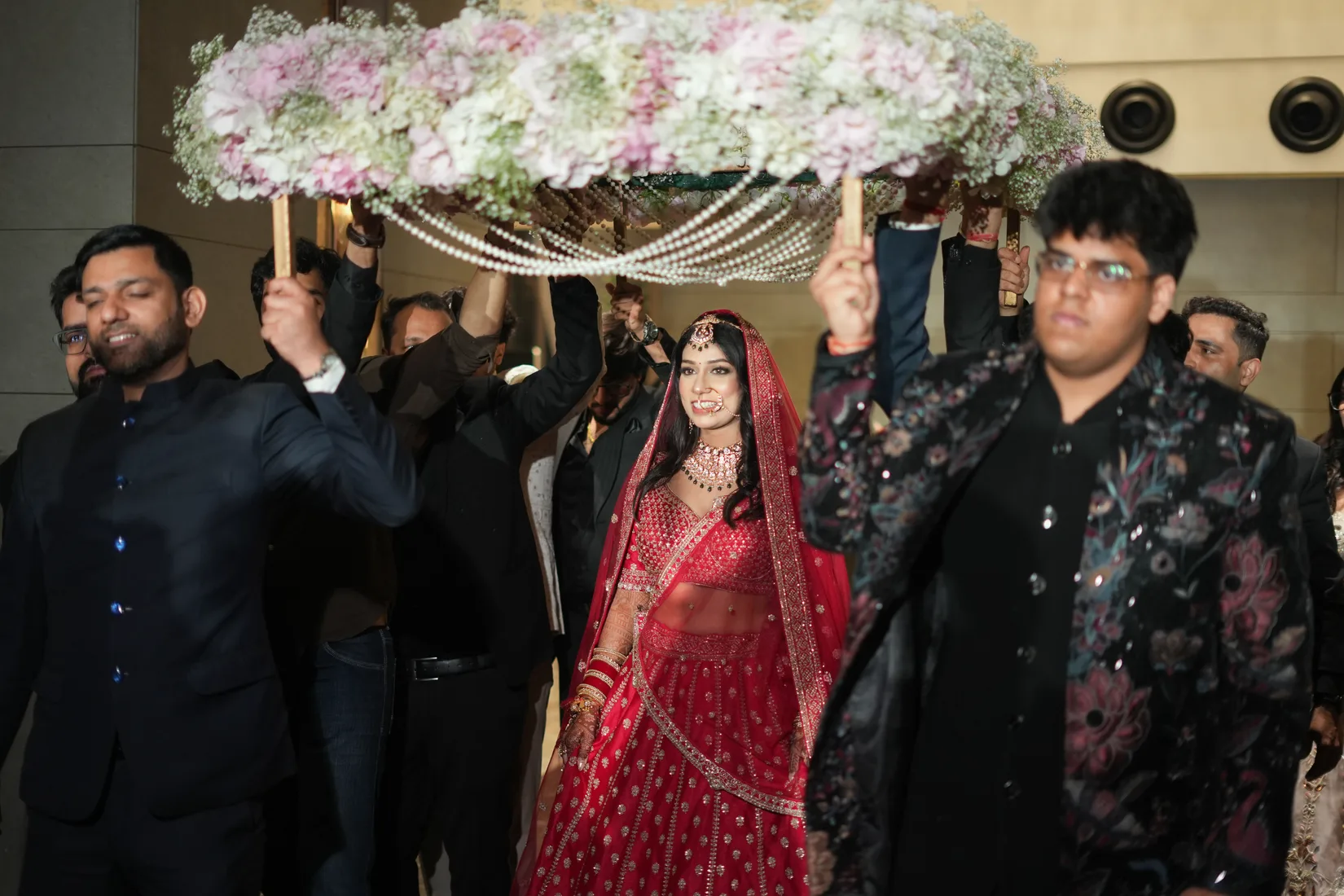
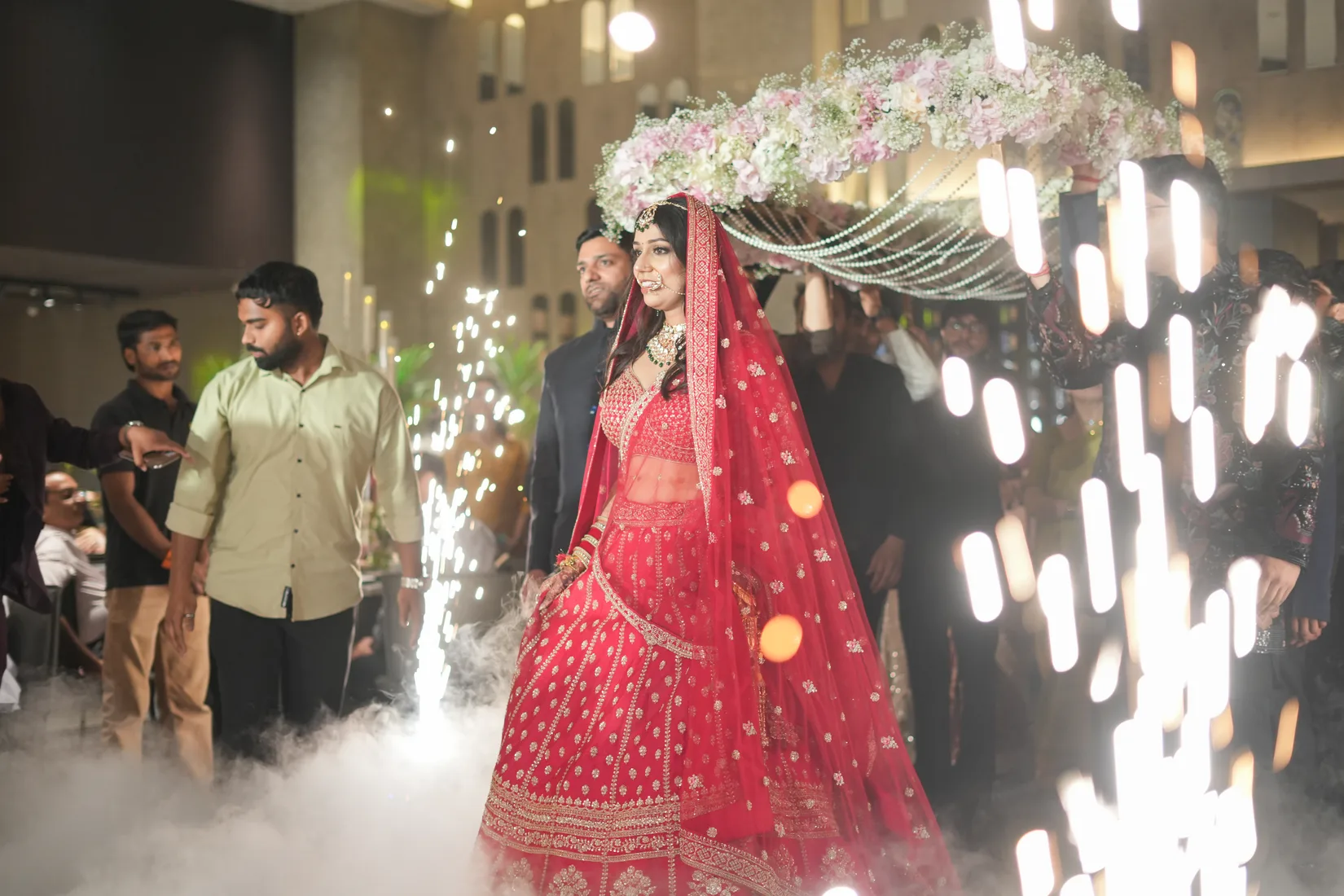
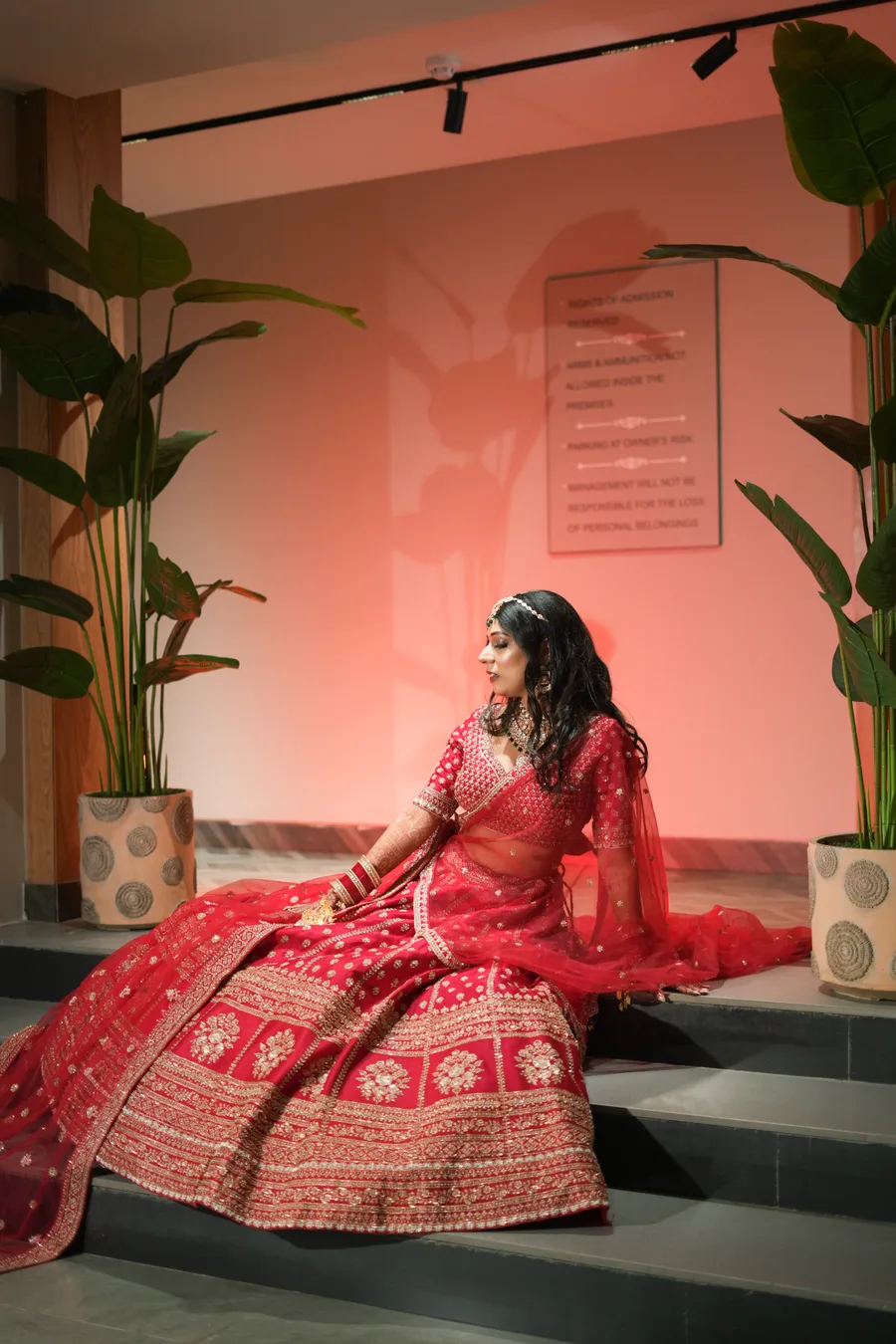
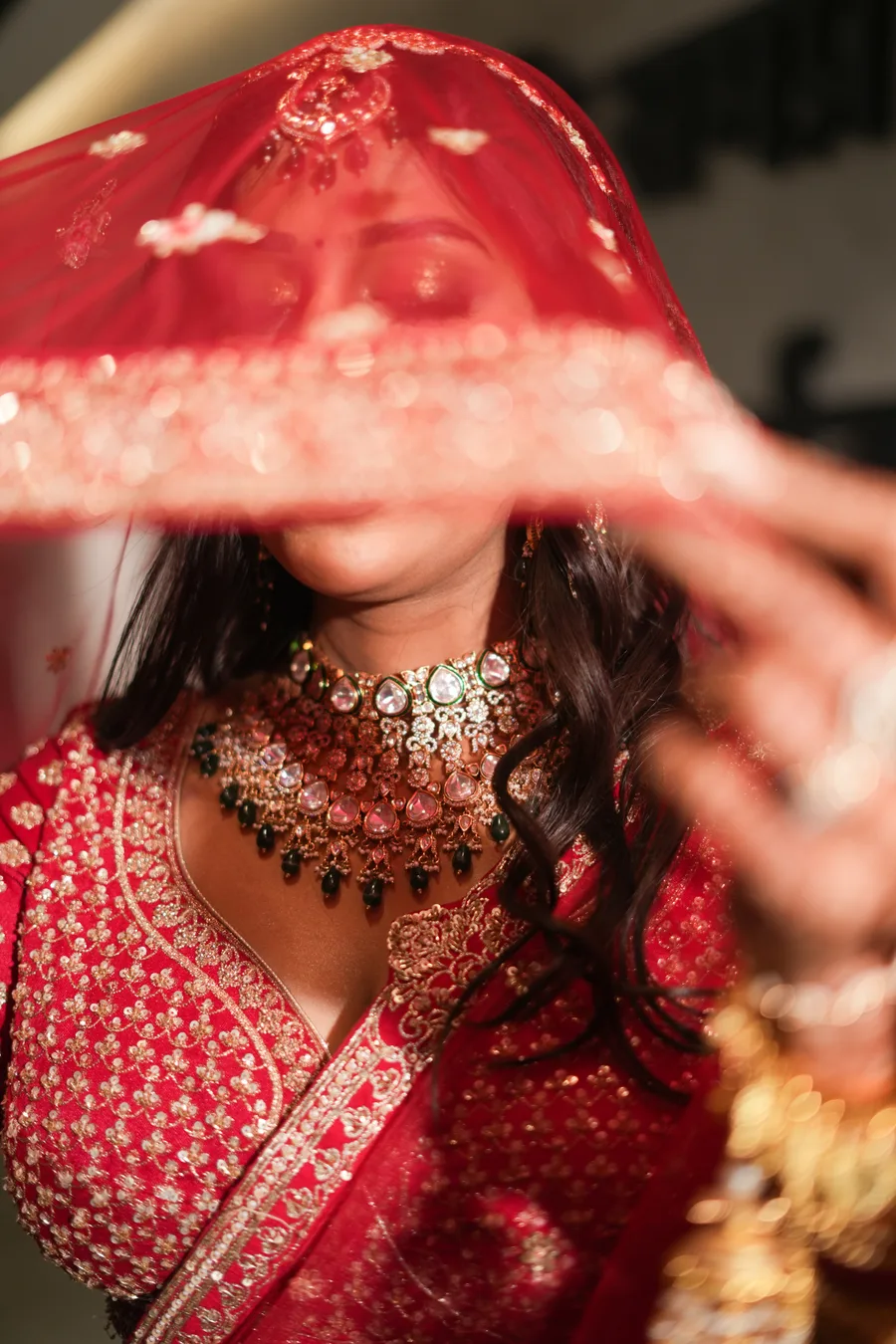
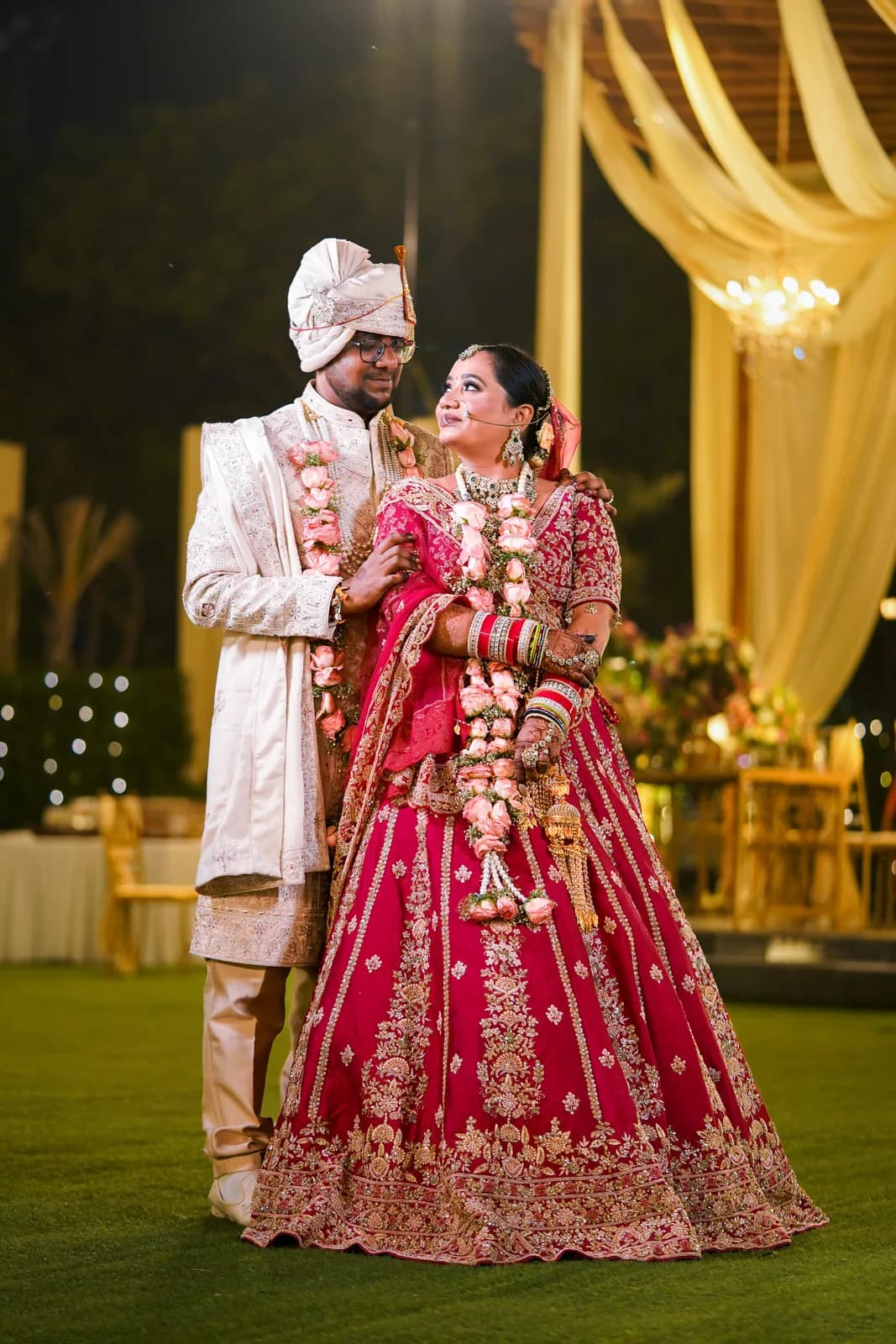
Agra's iconic backdrop offers unparalleled romantic potential for wedding photography. Discover how to work with a photographer who balances destination aesthetics, monument permissions, and authentic storytelling within the world's most recognisable wedding setting.
Agra's Singular Gift: Photographing Weddings in the Shadow of the Taj Mahal
Agra presents wedding photography's most seductive temptation: the Taj Mahal, one of the world's most beautiful structures and an almost impossible-to-resist backdrop for couple portraits. Finding the right wedding photographer in Agra means finding someone who can navigate this tension: honouring the monument's undeniable magnificence while ensuring your wedding images centre your personal story, not architectural tourism.
Many couples arrive in Agra with a crystalline vision of themselves framed against marble domes and minarets; a photographer worth engaging doesn't dismiss this vision but approaches it thoughtfully. The Taj Mahal demands specific permissions for commercial wedding photography (not always simple to obtain), particular logistical coordination, and understanding of how best-shot-times coincide with tourist crowding, security protocols, and light quality.
Beyond monument photography, Agra offers other distinctive backdrops: the Agra Fort with its Mughal architecture and riverside position, garden venues that echo Taj's symmetry, and hotel properties positioned to incorporate monument views. Photography in Agra succeeds when it weaves the city's iconic elements into your personal narrative rather than substituting them for it.
Monument Photography: Permissions, Logistics, and Artistic Balance
Taj Mahal photography for weddings requires permissions often obtained through the venue or specialised coordinators; early planning and clear communication with your photographer about whether monument shots are included is crucial. The monument presents specific photographic realities: morning light (before tourist crowds peak) offers clearer, softer illumination but requires very early arrival and coordination with multiple people; evening light creates dramatic moods but coincides with peak tourist traffic.
A photographer experienced in Agra understands monument photography limitations: you cannot control crowds appearing in backgrounds, weather can shift light quality unpredictably, and the sheer magnificence of architecture can sometimes overshadow couple portraiture unless compositional choices are deliberate. The best Taj Mahal wedding photography often happens when couples accept the monument as context rather than central focus—perhaps a soft-focus backdrop to emotional couple moments, or a silhouette against which you're framed.
Monsoon-season atmospheric conditions can produce hazy, diffused light that some couples find romantically moody while others find disappointing. Honest discussion about expectations helps a photographer deliver images aligned with your vision.
Agra Beyond the Taj: Diverse Venues and Alternative Backdrops
Smart Agra weddings often diversify photography locations beyond the inevitable Taj shots. Agra Fort offers dramatic red-sandstone architecture, terraced gardens, and riverside positioning; it's less tourist-saturated than the Taj and photograph beautifully in particular light. Garden venues—some designed with Mughal symmetry—provide intimate ceremony spaces with architectural interest.
Hotel properties, particularly those with heritage positioning or gardens, offer controlled environments with reliable lighting and infrastructure. Street photography throughout Agra—particularly in historic neighbourhoods—captures the city's layered history and everyday beauty.
A photographer experienced across Agra's venue landscape can advise intelligently: "A ceremony in Agra Fort offers photographic advantages the Taj can't match," or "This garden venue photographs beautifully in late-afternoon light without monument distraction," or "Pre-wedding shoots in old Agra streets capture authentic city character far better than the Taj backdrop."
Technical Challenges: Light, Heat, and Logistics in Agra
Agra's climate presents genuine technical challenges. Summers (May-June) are brutally hot; outdoor photography becomes nearly impossible during midday hours, requiring early-morning or late-evening sessions that compress shooting windows. Dust is persistent, particularly in pre-monsoon months, potentially affecting lens clarity and requiring protective equipment.
Winter (November-February) offers the most reliable conditions: cooler temperatures, clearer visibility, and extended daylight—but this is also peak tourist season, meaning monument areas are crowded and venue availability is limited. Spring and autumn offer moderate conditions but sometimes hazy light.
Monsoon (July-September) brings humidity and occasional showers but offers dramatic cloud formations and lush atmospheric conditions that can photograph beautifully if weather remains cooperative. A photographer worth engaging has worked across Agra's seasonal extremes and can advise realistically about timing and seasonal advantages.
Balancing Destination Aesthetics with Personal Narrative
Agra's romantic reputation sometimes risks overshadowing authentic storytelling. Couples arrive with expectations shaped by destination-wedding fantasy; a photographer's responsibility is honouring romantic potential while ensuring the final images genuinely reflect your unique celebration, not a generic "Taj-wedding" template.
This means being intentional about photographs that centre your family, your traditions, your joy—not just monument tourism. It means asking the tough questions during planning: "How do we ensure couple portraits feel intimate despite magnificent backdrop?" "What's our contingency if Taj photography becomes logistically impossible?" "Which other Agra locations feel meaningful to us beyond the obvious choice?"
A photographer genuinely invested in your Agra wedding will push back against predictable decisions and offer alternatives. They'll propose pre-wedding shoots in authentic Agra neighbourhoods, suggest ceremony timings that balance light quality with guest comfort, and ensure the final gallery represents your celebration's full emotional range.
Your Agra Wedding: Taj as Character, Not Character Replacement
Photographing weddings in Agra is a privilege that comes with responsibility: the city's legendary backdrop can either enhance your personal story or overwhelm it, depending on intentional choices made during planning. The right photographer approaches Agra with respect for both its iconic status and your wedding's individual significance, creating images that feel rooted in place while genuinely reflecting your celebration.
If you're planning a wedding in Agra and want a photographer who understands how to navigate monument logistics, balance romantic aesthetics with authentic storytelling, and create images that honour both the city's magic and your personal joy, Lens9 Studio is ready to collaborate.
We've photographed weddings throughout Agra and understand how to translate the city's distinctive character into photography that celebrates you. Reach out to discuss your Agra wedding vision.