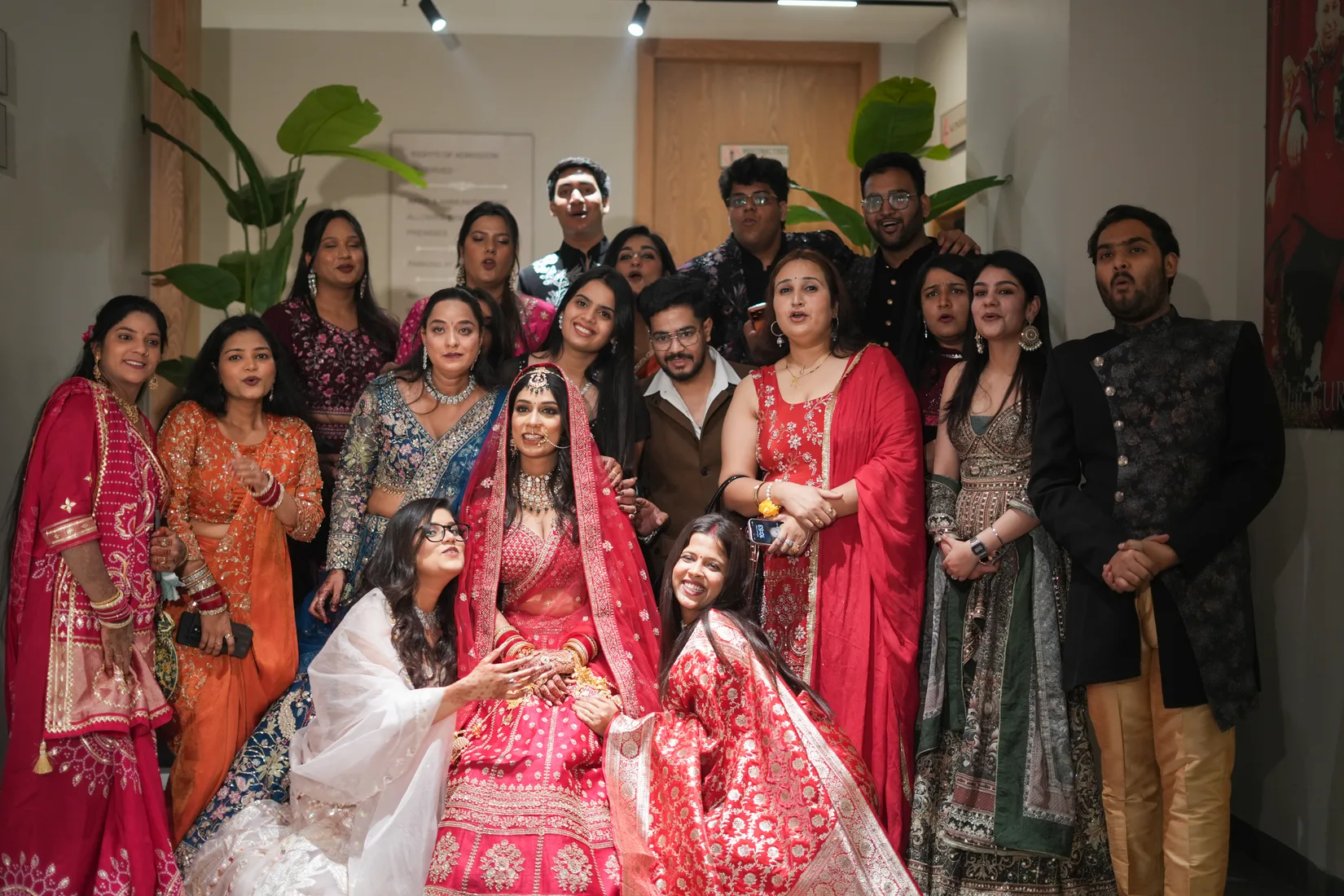
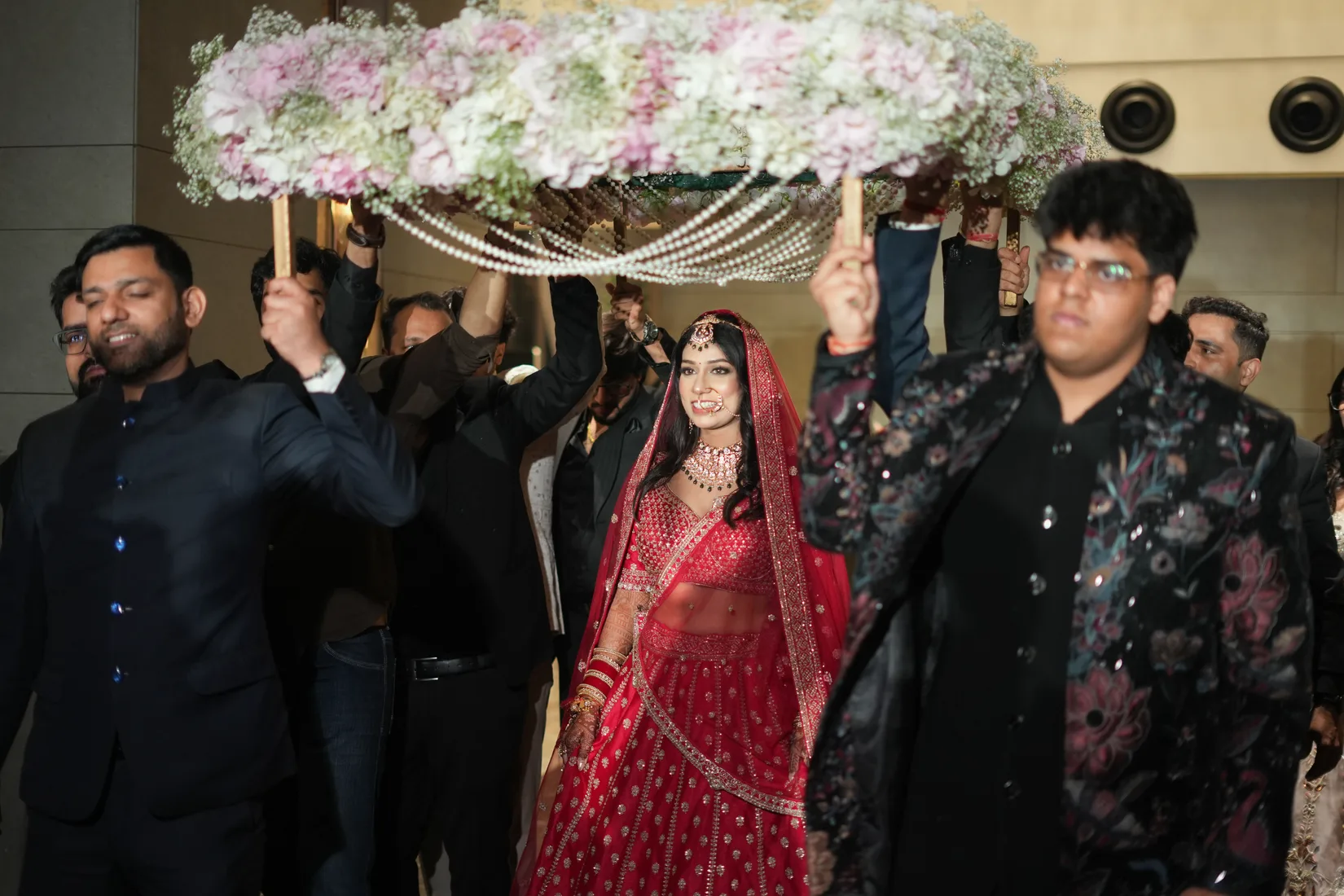
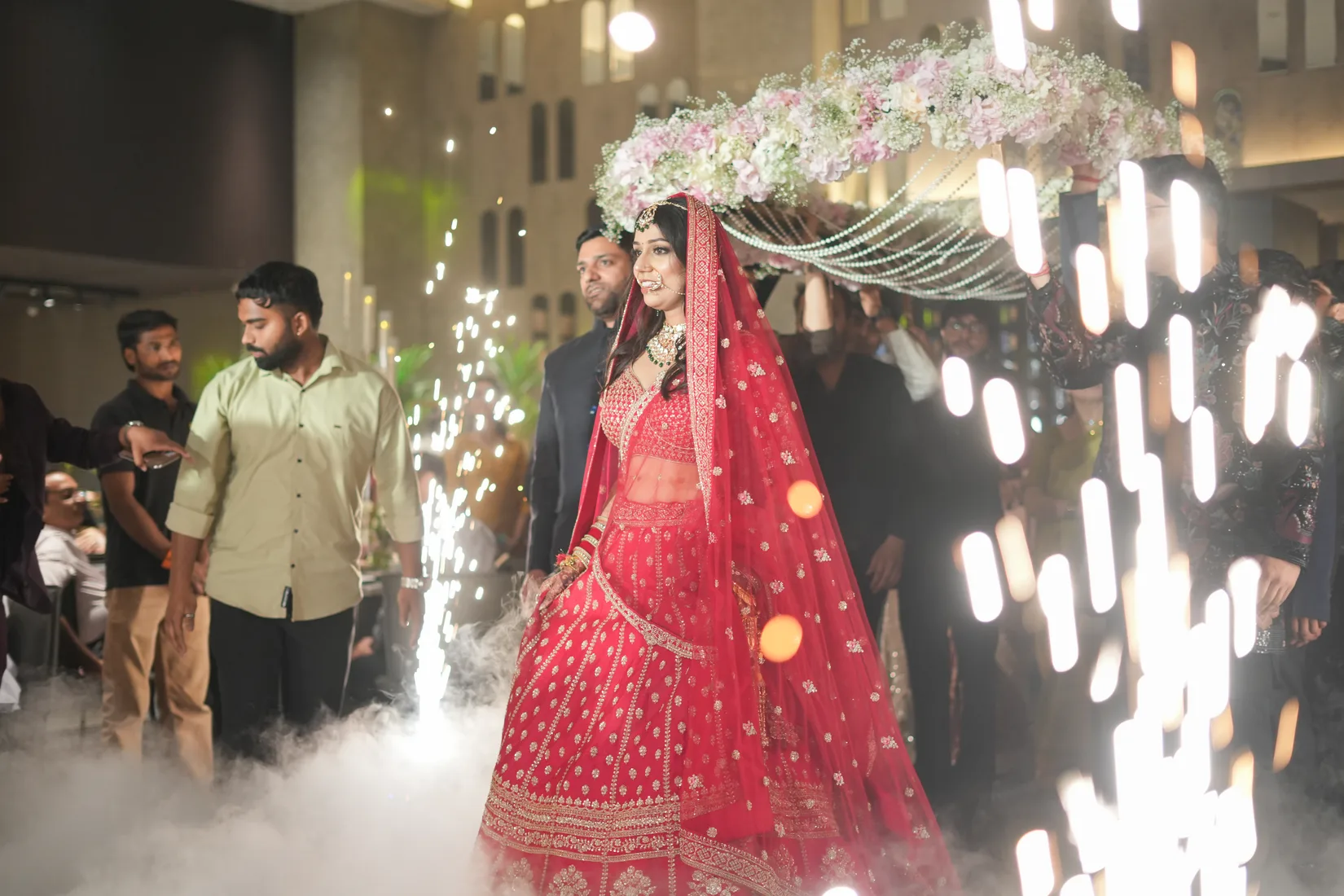
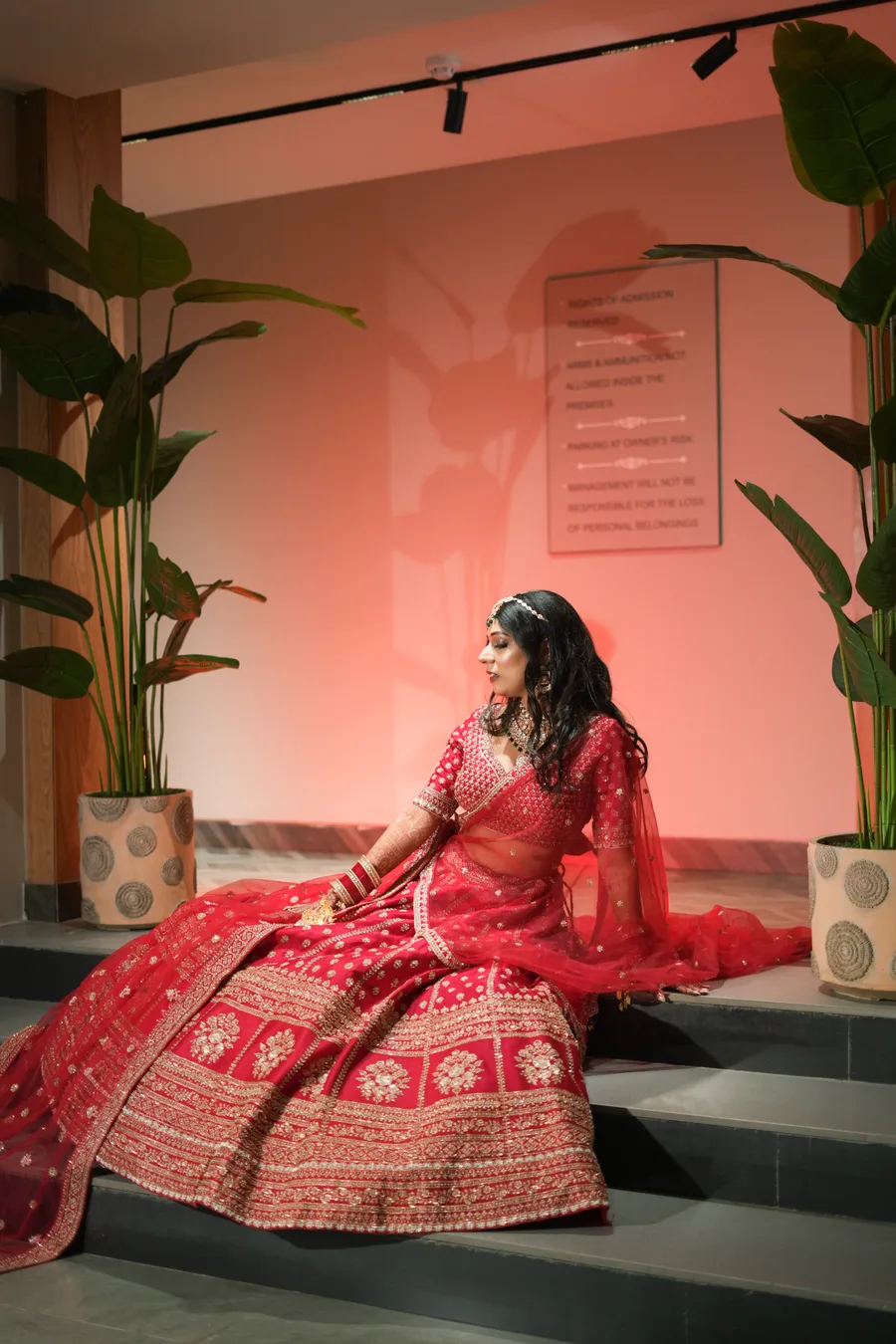
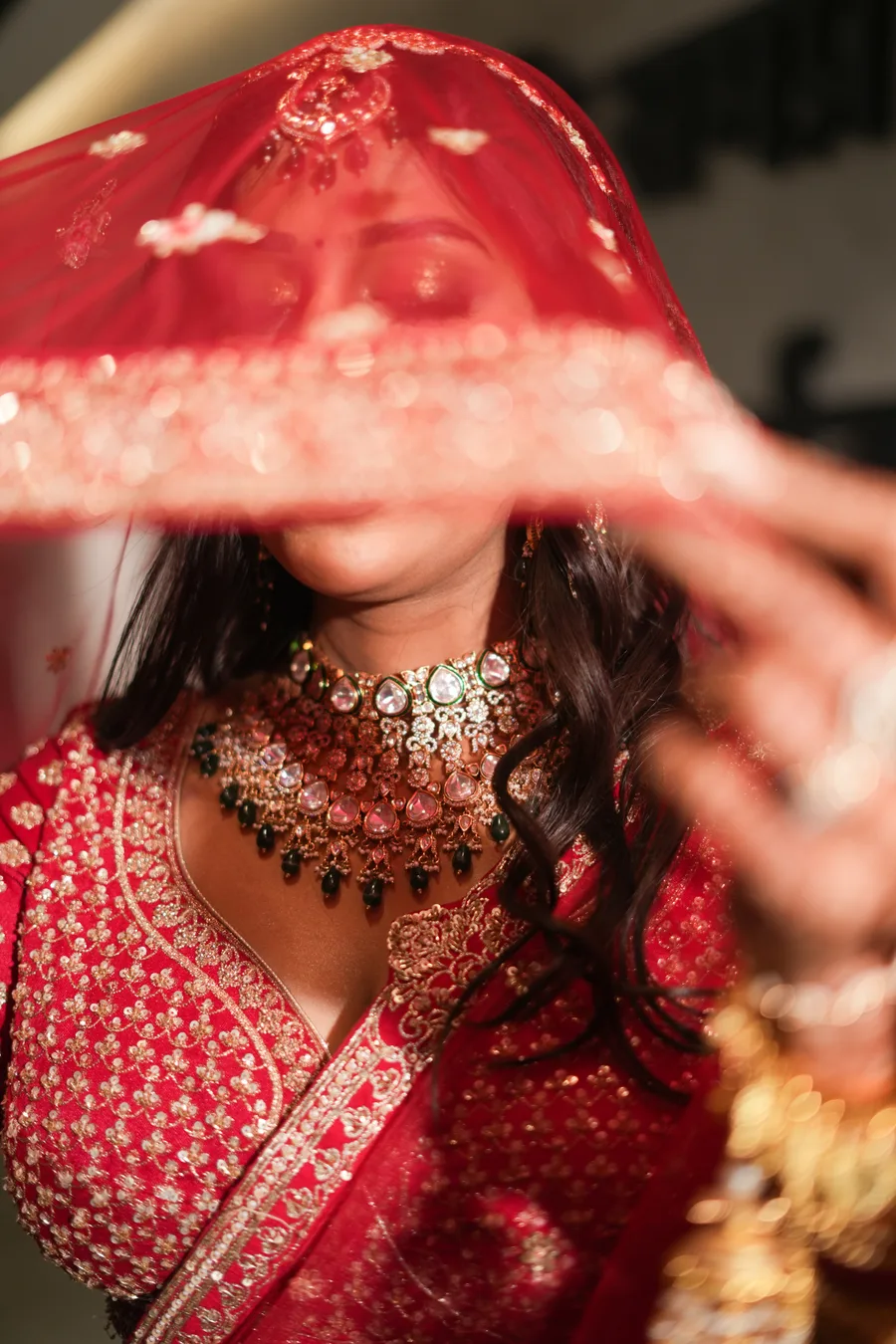
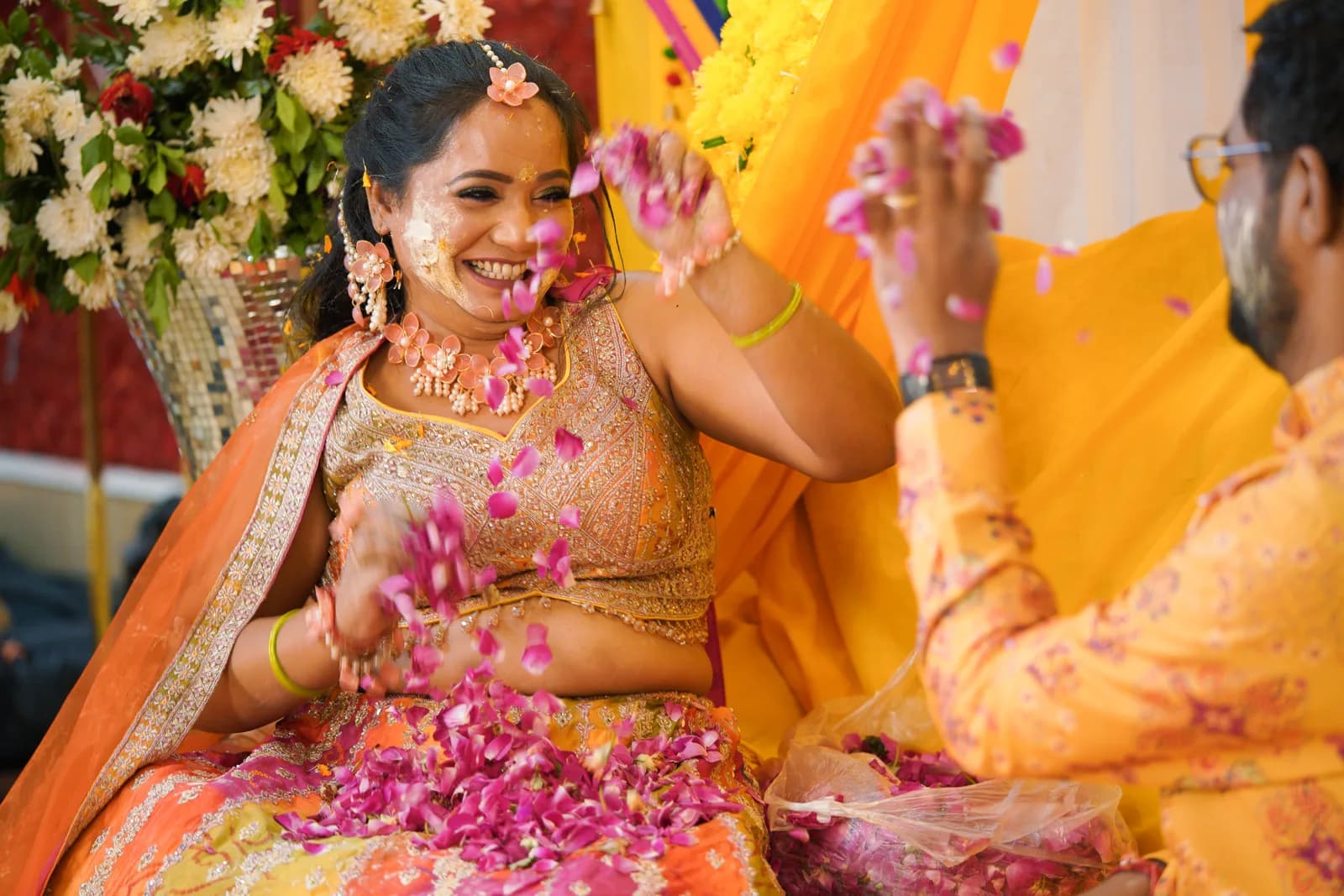
Varanasi's sacred ghats, ancient architecture, and spiritual intensity create profound wedding backdrops unlike anywhere else in India. Learn how to photograph your celebration authentically in this extraordinary city.
Understanding Varanasi as a Wedding Destination and Photography Canvas
Varanasi attracts couples seeking spiritual depth, cultural resonance, and visual drama that goes beyond conventional beauty. The ghats themselves are ancient, stacked, chaotic—they're not engineered wedding venues but lived sacred spaces where ritual, commerce, and daily life interweave. A wedding photographer in Varanasi must navigate this reality with sensitivity and technical skill; they're not documenting in isolation but participating in—and respectfully documenting—a place where spirituality is lived daily, not packaged for tourism.
The city's light is unlike anywhere else: golden-hour glow reflects off water, filters through temple spires, and bounces off painted façades with intensity that tests exposure metering constantly. Morning mist rises from the Ganges; evening brings crowds of pilgrims and tourists; monsoon rains are sudden and dramatic. Your photographer must be technically sophisticated enough to handle these extremes and culturally aware enough to photograph reverently, especially if your celebrations happen on ghats where religious ceremonies continue alongside your wedding events.
Ghat-Specific Photography Knowledge and Sacred Space Respect
Each ghat has different qualities, accessibility, and appropriate photography boundaries. Dashashwamedh Ghat is visually dramatic but crowded; Assi Ghat is quieter and less photographed; the newer ghats allow more freedom. Your photographer should know these distinctions not as trivia but as operational knowledge—which ghats can accommodate your guests safely, where photography becomes intrusive, what times are optimal for aesthetics versus spiritual respect.
Sacred spaces have unspoken rules. If your wedding happens near burning ghats or during prayer ceremonies, respectful photographers position themselves to document without centering on religious rituals. This isn't about pretending spirituality doesn't exist; it's about honouring that your celebration is happening within something larger. Ask your photographer directly how they approach documenting in sacred spaces, whether they've photographed Hindu weddings before, and whether they understand the etiquette of being present without being extractive. Their answers reveal whether they're simply shooting a pretty location or genuinely respecting where you've chosen to marry.
Managing Varanasi's Density, Crowds, and Seasonal Challenges
Varanasi is chaotic intentionally—its spiritual power emerges partly from this very intensity. October–November and February–March offer clear skies and manageable temperatures, but also peak tourist season, which means your photographer will be fighting for positions alongside dozens of other tourists and guides. December–January is pleasantly cool but occasionally hazy; April–May is increasingly hot; monsoon (June–September) brings humidity, sudden rains, and fewer tourists but also atmospheric density that affects light quality.
Ask your photographer how they've managed crowd density in past Varanasi shoots. Do they scout early mornings when ghats are quieter, arriving before sunrise to secure positions? Do they use the crowds as compositional elements, or do they work to minimize them? Have they managed shooting during religious festivals or peak pilgrimage times, which can transform expected locations entirely? Photographers with experience here don't pretend crowds don't exist; they strategically work with time, light, and movement to capture genuinely intimate moments even in dense environments.
Architectural and Cultural Specificity in Varanasi's Visual Language
Varanasi's architecture—narrow streets, exposed wooden beams, painted walls, intricate temples—demands photographers who understand how to frame within chaos. The city doesn't offer clean lines or symmetrical compositions; every shot requires intentional framing to decide what story you're telling. Are you documenting the wedding in isolation, as if it's separate from Varanasi's reality? Or are you weaving the city's identity, history, and spiritual charge into your visual narrative?
Discuss with your photographer upfront whether your aesthetic leans toward minimalist couple-focused framing, or whether you want Varanasi's character visible in your images. Both approaches are valid, but they require entirely different positioning and editorial choices. If you want images that feel specifically rooted in Varanasi—that couldn't be photographed anywhere else—your photographer should be excited about this challenge and able to articulate how they'll achieve it. Generic answers suggest they'll apply a formula rather than engage genuinely with place.
Logistics, Permissions, and Coordination Complexity
Varanasi weddings often involve multiple locations across the city, complicated logistics with boats, streets accessible only on foot, and coordination with local guides essential for safety and cultural navigation. Your photographer can't work solo here; they need a producer or assistant who understands local dynamics, can navigate permissions, and can troubleshoot logistics on the fly. This is expensive, but it's a non-negotiable cost of doing Varanasi weddings well.
Ask your photographer whether they bring a local assistant or have liaised with local production support before. Have they arranged boat access, coordinated with temple authorities, or negotiated photography in sensitive locations? Do they have contingency plans if a planned location becomes inaccessible due to religious ceremonies or crowds? The best Varanasi photographers work with established local teams and can speak intelligently about how permissions are negotiated and respect is maintained. References from previous Varanasi celebrations are particularly valuable here.
Creating Authentic Images in a Complex, Touristed Place
Authenticity in Varanasi doesn't mean excluding tourists or pretending the city's commercialised tourism doesn't exist—it means documenting your celebration as it actually happened, in all its richness and contradiction. The best Varanasi wedding photographs acknowledge both the sacred spirituality of the location and its lived daily reality. They're neither overly romanticised nor documentarily detached.
Choose a photographer who's genuinely curious about Varanasi and asks you thoughtful questions about why you've chosen to marry here, what spirituality means to your celebration, and how your wedding relates to the city's deeper rhythms. They should propose locations and timings based on your vision, not on what's easiest or most photographed. They should communicate honestly about what's possible, what requires permissions, and where their technical or cultural limitations might fall short. If you're planning a Varanasi celebration and want a photographer who respects the city's complexity while capturing your joy authentically, we'd be honoured to discuss your vision. Connect with us to share what Varanasi means to your wedding, and let's explore how to photograph it with both artistry and reverence.