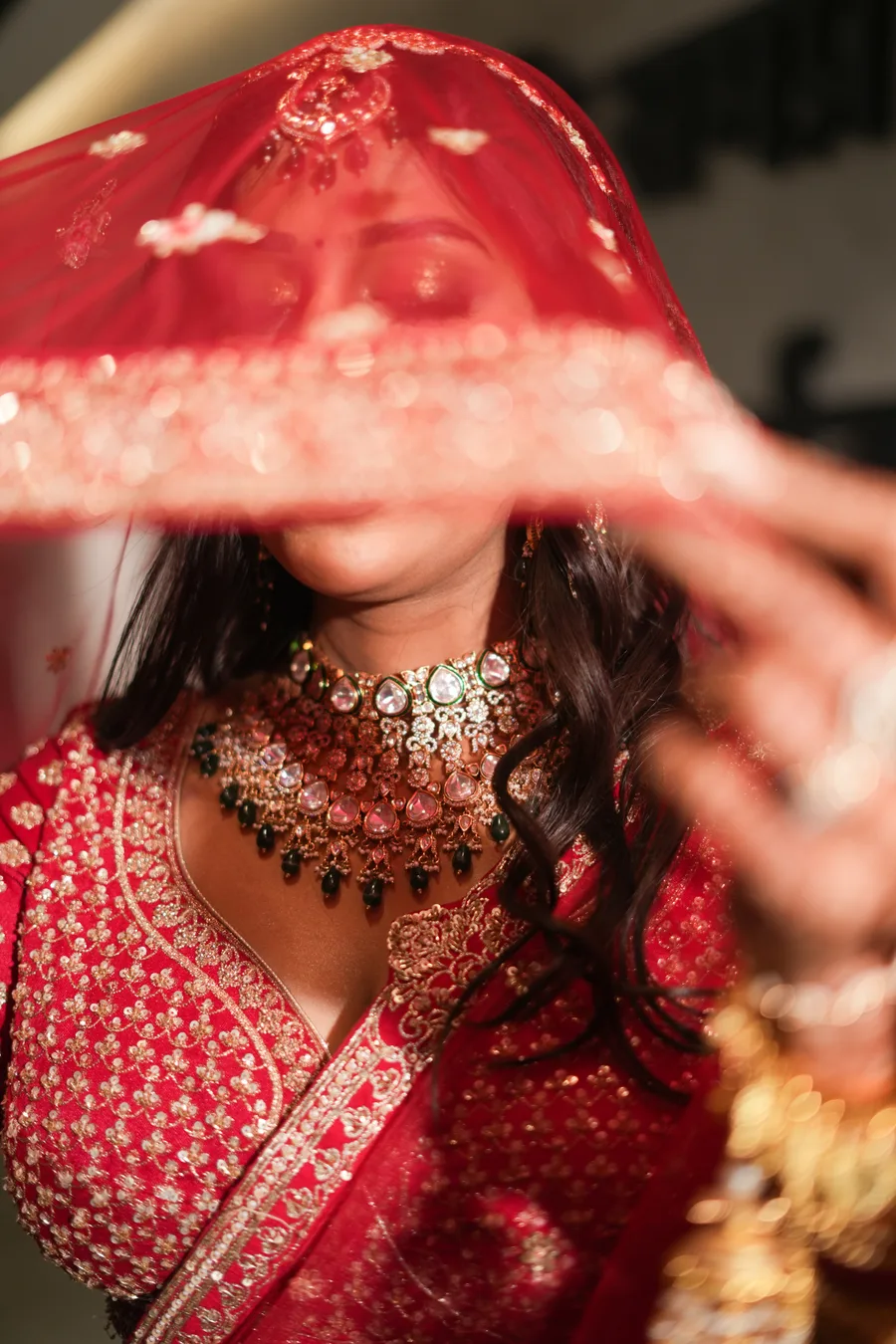
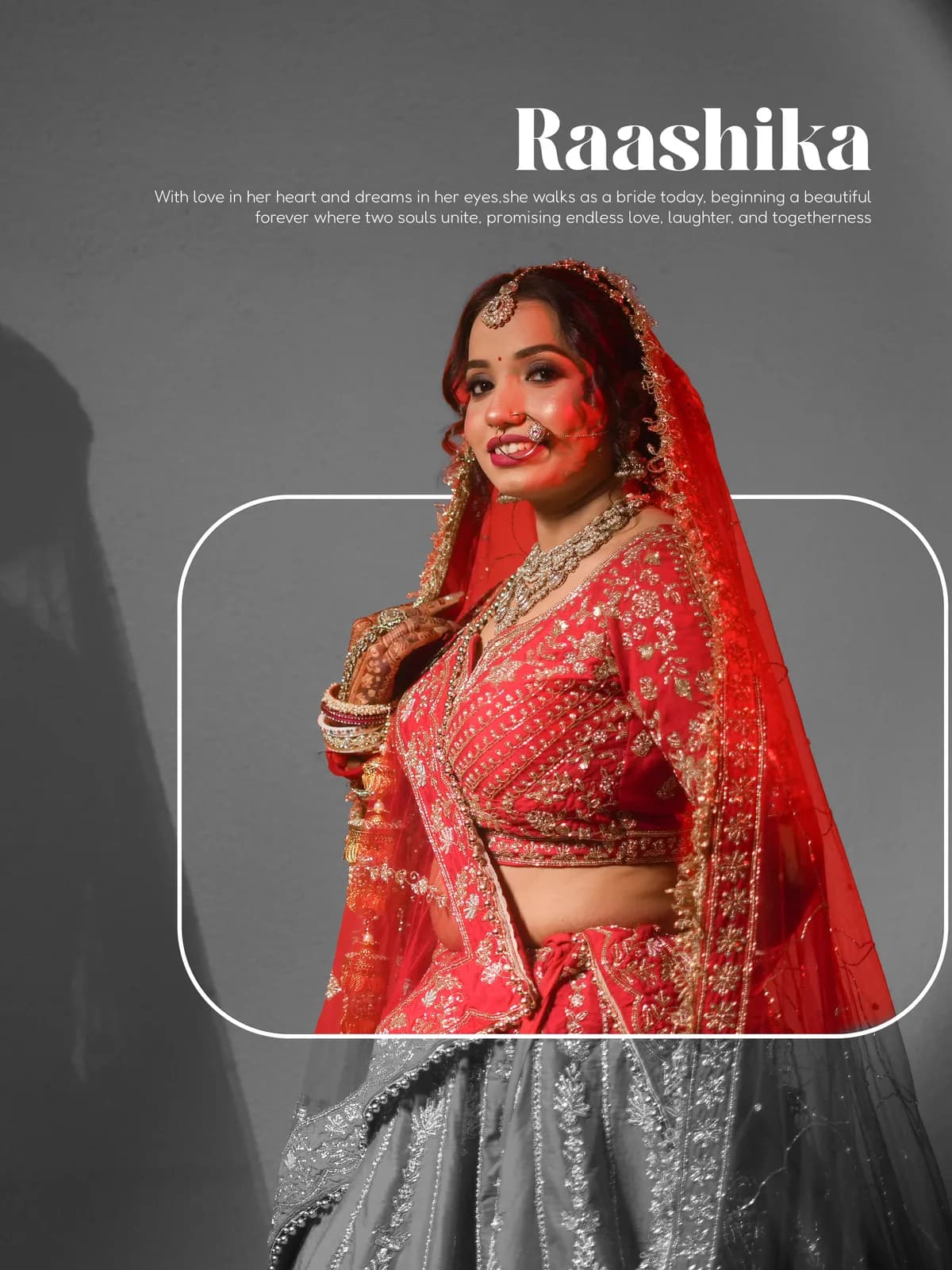
Groom styling for the camera is about creating presence and complementing the bride without fading into the background. From colour choice to fit and fabric, here's how to dress for stunning wedding photographs.
The Groom's Role in Your Wedding Photographs
The groom's clothing carries enormous weight in your wedding photographs, yet it's often an afterthought compared to the bride's lehenga or sari. Understanding what the groom should wear means grasping that his role is not to fade into the background or match the bride exactly, but to complement her visually whilst maintaining his own presence and personality in every frame. The camera reads the groom's silhouette, colours, and styling just as carefully as it reads the bride's, and poorly chosen groom wear can unbalance an otherwise beautiful bride-and-groom composition.
A groom who photographs beautifully is one who has chosen his outfit with the same intention as his bride: considering his skin tone, the wedding's colour palette, the venue's characteristics, and the play of light throughout the day. Successful groom styling creates visual harmony, ensures he looks polished and confident for the camera, and tells part of your wedding's story through his choices.
Colour Coordination with the Bride's Lehenga
Rather than matching the bride exactly, the groom's outfit should exist in visual conversation with hers. If your bride is wearing a deep burgundy lehenga with gold embroidery, the groom might wear a cream or champagne sherwani with burgundy or gold accents, or a subtle patterned fabric in complementary tones. This approach keeps them visually connected as a couple whilst allowing each of them to shine individually in photographs. The golden rule: their colours should not compete or clash, but rather enhance each other when they stand together.
Warm-toned brides often photograph best alongside grooms in cream, champagne, or pale gold sherwanis, which echo the warmth of the lehenga and create a cohesive golden aesthetic. Cool-toned or jewel-toned brides pair beautifully with grooms in crisp whites, pale blues, or even subtle grey tones, which provide visual contrast without clashing. If the bride is wearing a heavily embroidered lehenga with multiple colours, a simpler, more understated groom's outfit prevents visual overwhelm in photographs.
Sherwani Fit, Fabric, and Movement
The sherwani's fit is critical for on-camera presence: it should be tailored precisely to the groom's frame, with structured shoulders that convey confidence and a length that hits at exactly the right point on his leg. A sherwani that's too loose photographs as sloppy; one that's too tight restricts movement and photographs as uncomfortable. The fabric weight matters enormously—heavier fabrics like silk or brocade photograph with more dimension and luxury than lighter cotton or polyester, and they hold their shape beautifully during movement and photography.
Movement is something many grooms overlook, but it's crucial for photography. The sherwani should allow the groom to walk, sit, dance, and embrace his bride without restriction or awkward bunching. During the ceremony, when he'll be standing still for extended periods, the sherwani's fabric must fall and drape gracefully without sagging or wrinkling. Test your sherwani with all the movements you'll actually perform on your wedding day—walking down the aisle, sitting through rituals, dancing—and ask your tailor to adjust as needed.
Traditional Options and Contemporary Styling
Cream or champagne sherwanis remain timeless choices for a reason: they photograph beautifully across all lighting conditions, all skin tones, and all seasons. They provide a neutral backdrop that allows the bride to visually stand out, yet still photograph as polished and intentional. A traditional sherwani in cream paired with a coordinating turban, stole, and jewellery creates an elegant, timeless look that will photograph as sophisticated regardless of current trends. Embroidery or subtle patterning on a cream sherwani adds visual interest without overwhelming the overall aesthetic.
For grooms seeking a more contemporary approach, pale colours with interesting textile choices—subtle jacquard patterns, tissue silk, or fine weaves—offer modernity whilst remaining photography-friendly. Some grooms opt for very pale pink, blue, or grey sherwanis paired with cream, which photographs as sophisticated and intentional. Avoid bright or overly saturated colours that might clash with the bride's lehenga or photograph as costume-like rather than elegant.
Jewellery, Accessories, and Details Photographers Notice
The groom's jewellery and accessories form part of the overall frame and should be chosen with the same thoughtfulness as the bride's. A heavy gold necklace or kada photographs richly when properly lit, and can either harmonise with or intentionally contrast with the bride's jewellery. Keep accessory choices proportionate to your frame and sherwani style—a delicate groom might be overwhelmed by heavy, layered gold jewellery, whilst a broader frame can carry richer jewellery choices confidently.
The turban or head piece carries enormous visual weight in groom photography, particularly in bride-and-groom couple shots where it affects the visual balance and height relationship between the two of you. Ensure your turban is tied expertly and sits at an angle that photographs well (neither too tilted nor too straight). Similarly, the stole or dupatta draped over the sherwani should be arranged with intention, as it photographs as a significant visual element.
Styling for Different Venue Types and Times of Day
A groom's outfit works differently across various venues and lighting conditions. In bright outdoor daylight, cream and champagne sherwanis photograph beautifully and remain cool, whilst jewel-toned or darker sherwanis might photograph as somewhat flat in harsh sunlight. In dimly lit indoor venues or during evening celebrations, darker sherwanis with gold embellishment photograph with more depth and richness. If your wedding spans multiple days with varying venues and lighting, consider whether your groom's sherwani works across all scenarios, or whether you need a second outfit option.
The fabric's lustre also matters: heavily embroidered sherwanis with gold zari or sequins photograph with tremendous presence under professional lighting, but can sometimes photograph as slightly harsh in extremely bright sunlight. Conversely, matte fabrics in darker tones photograph richly in indoor settings but might appear flat in golden hour light. Discuss your venue's lighting with your photographer beforehand and choose your sherwani with full awareness of how it will photograph in those specific conditions.