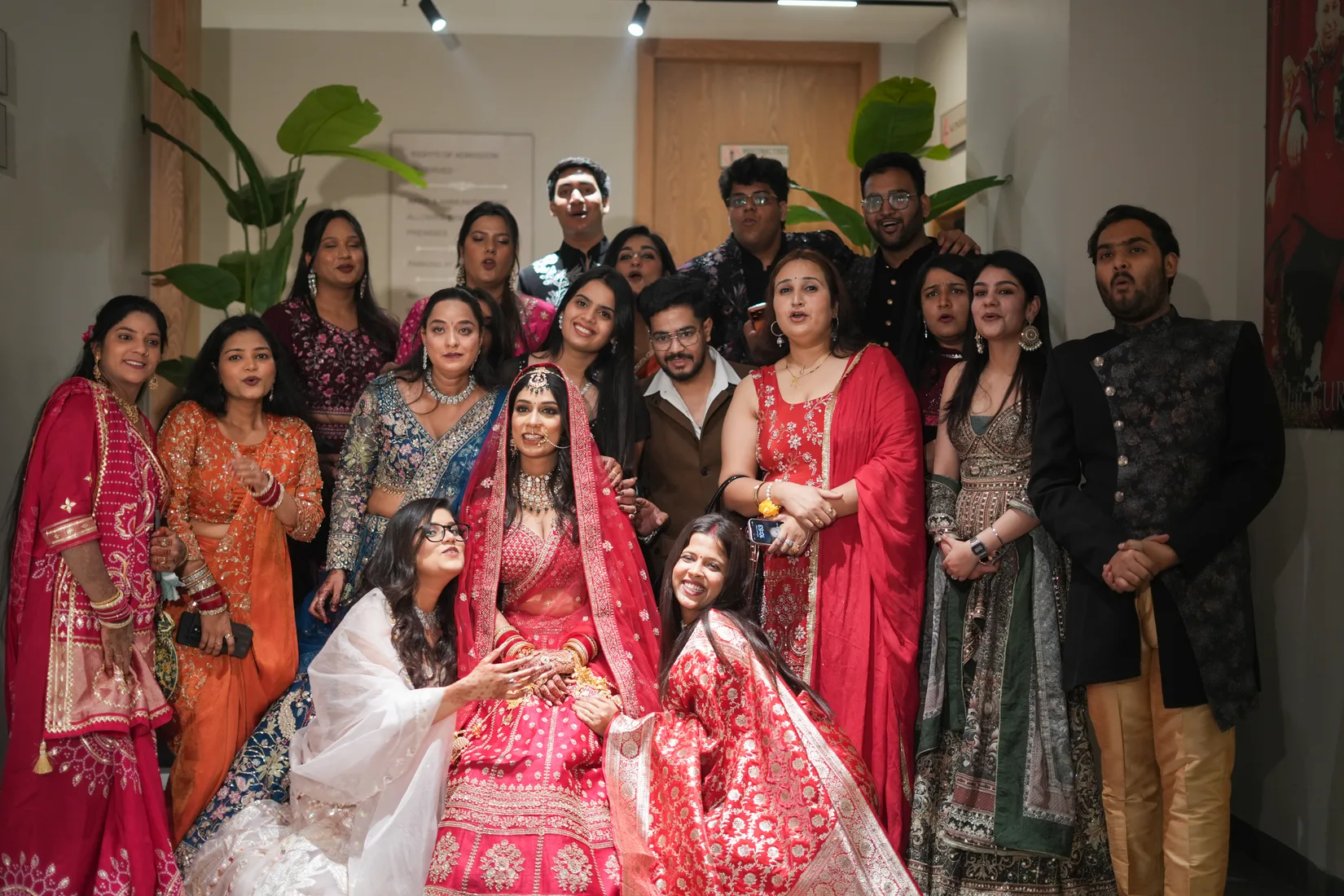
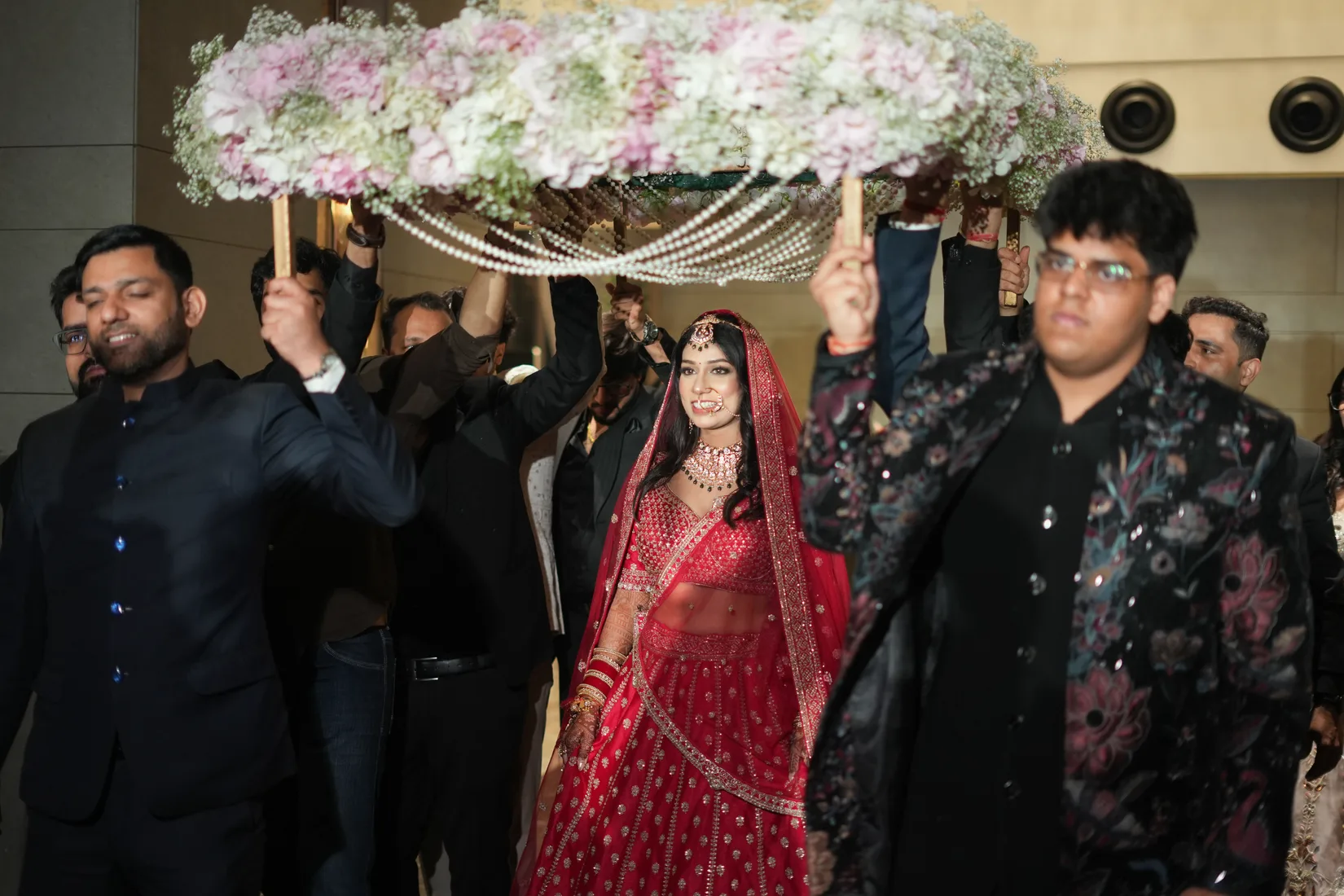
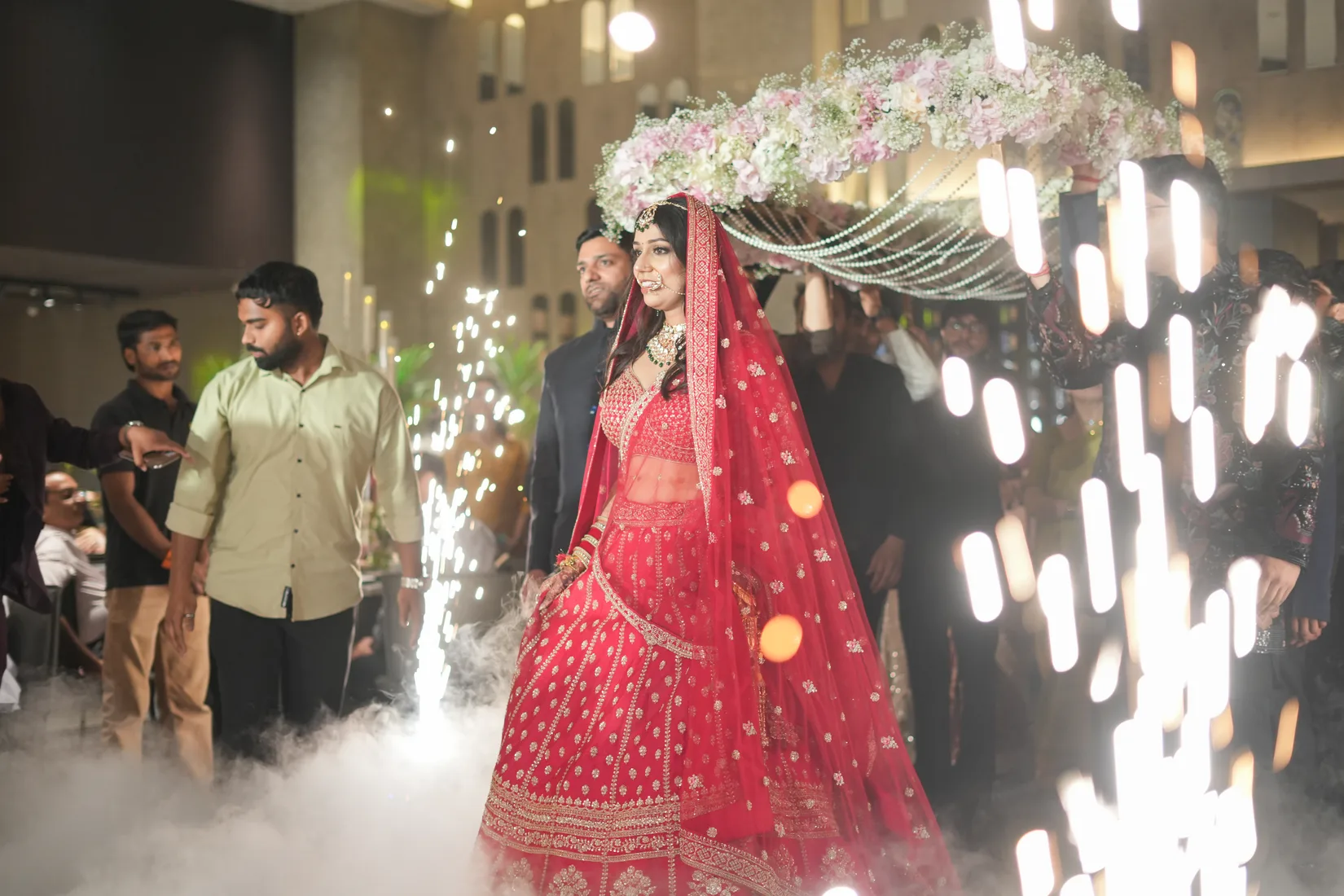
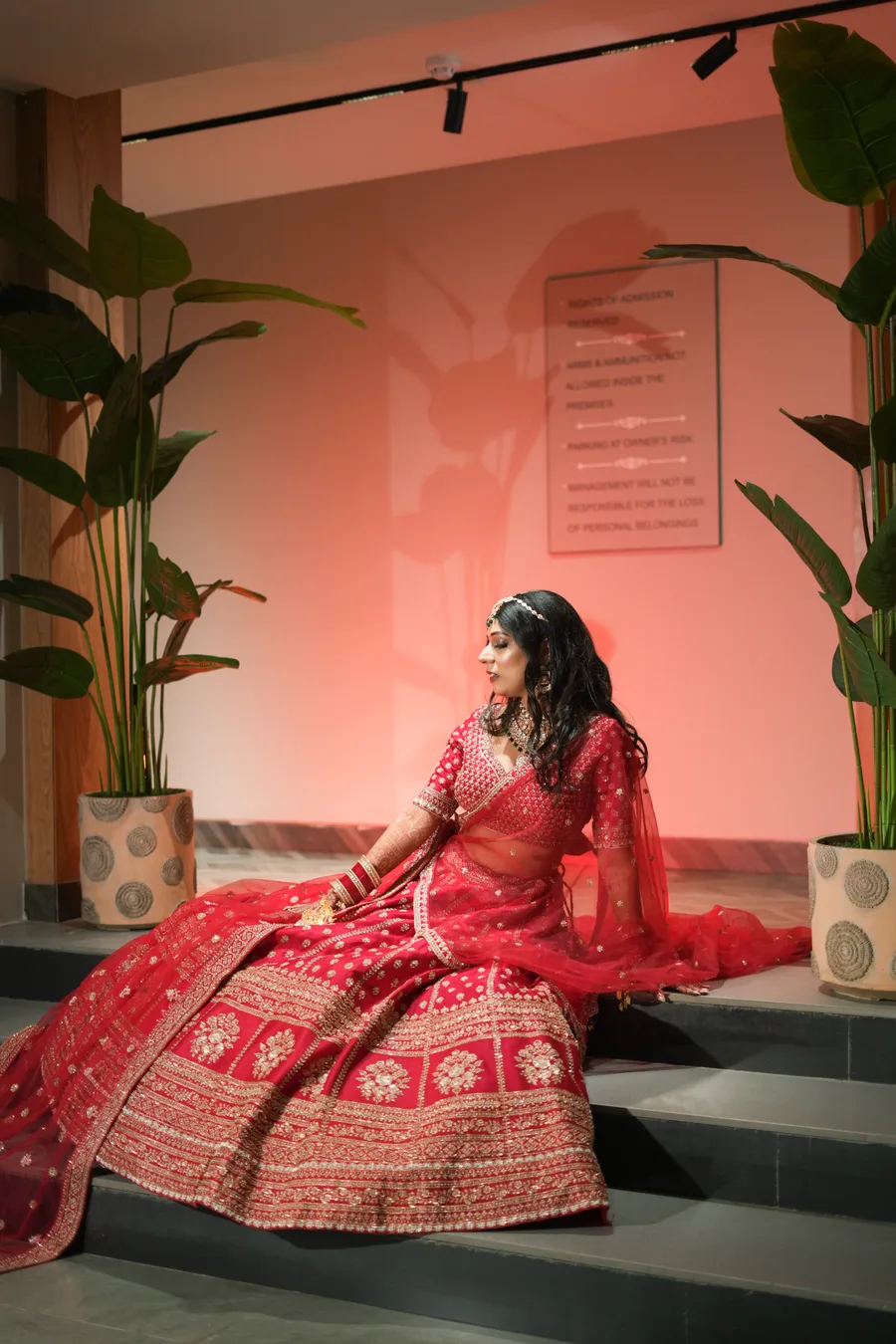
Winter transforms North Indian wedding venues with golden light, misty mornings, and rich warm tones. Learn how to harness the season's natural beauty for stunning photography and comfortable outdoor celebrations.
Why Winter Light Is Every Photographer's Dream
Winter weddings in North India offer something photographers spend thousands on equipment to recreate: consistently beautiful, diffused light throughout the day. From November through January, the sun sits lower on the horizon, creating that coveted golden hour that lasts not for an hour but for extended stretches in the morning and late afternoon. The winter air in Delhi, Agra, and surrounding regions contains particles—dust, moisture, pollution sometimes—that act as a natural softbox, diffusing harsh sunlight into flattering, even illumination across faces and fabrics.
This extended golden light means you can shoot couple portraits and family photographs across much longer time windows than in summer. A 4 PM photo session in December will have richer, warmer light than the same session in June, where you'd be fighting against harsh overhead sun and harsh shadows. The colour temperature of winter light is also naturally warm, complementing the rich reds, golds, and deep jewel tones that dominate North Indian wedding clothing. Your camera will capture these colours more accurately without needing to push color correction in post-processing.
Working With Fog, Mist, and Atmospheric Conditions
Early mornings in winter North India often bring fog—thick, rolling mist that transforms ordinary venues into ethereal, romantic backdrops. Gardens, outdoor terraces, and open courtyards become moody and intimate when shrouded in fog. Rather than treating fog as an obstacle (as many photographers do), lean into it. Backlit fog creates halos around the couple, adds depth to photographs, and softens distracting background elements. A bride and groom walking through morning mist, with the sun breaking through behind them, creates an almost cinematic quality that no amount of post-processing can replicate in clearer conditions.
The technical challenge with fog is exposure metering. Your camera's meter can be fooled by the bright haze, leading to underexposed subjects. Use spot metering on the couple's faces rather than evaluative metering, and bracket your exposures to ensure at least one frame is properly exposed. As fog burns off through the morning, light conditions change rapidly—every 15 minutes the quality shifts slightly. Embrace this variability; it gives you different moods within a single shoot. Late-morning fog still offers soft light but with increasing clarity and definition.
Styling and Venue Advantages for Winter Celebrations
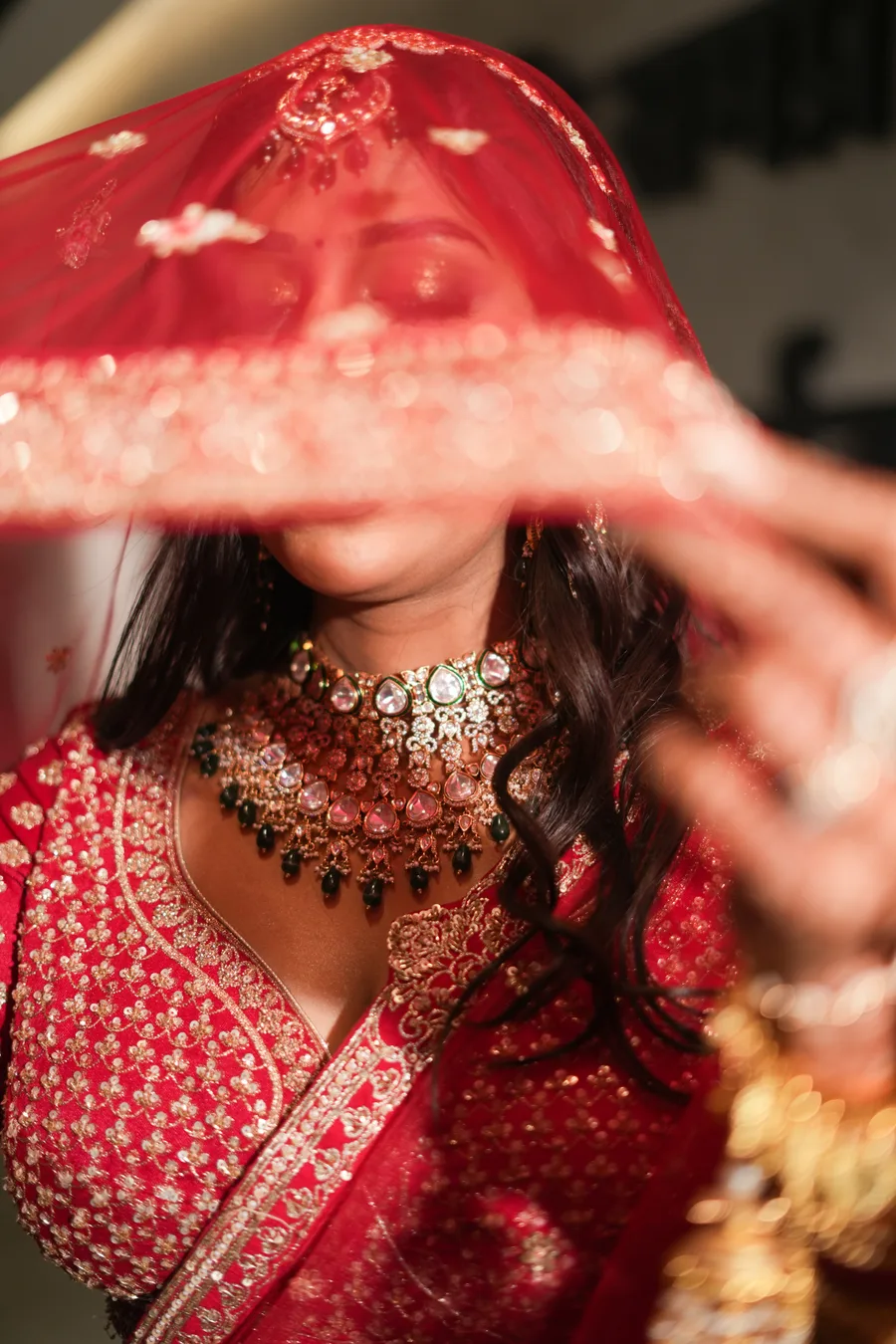
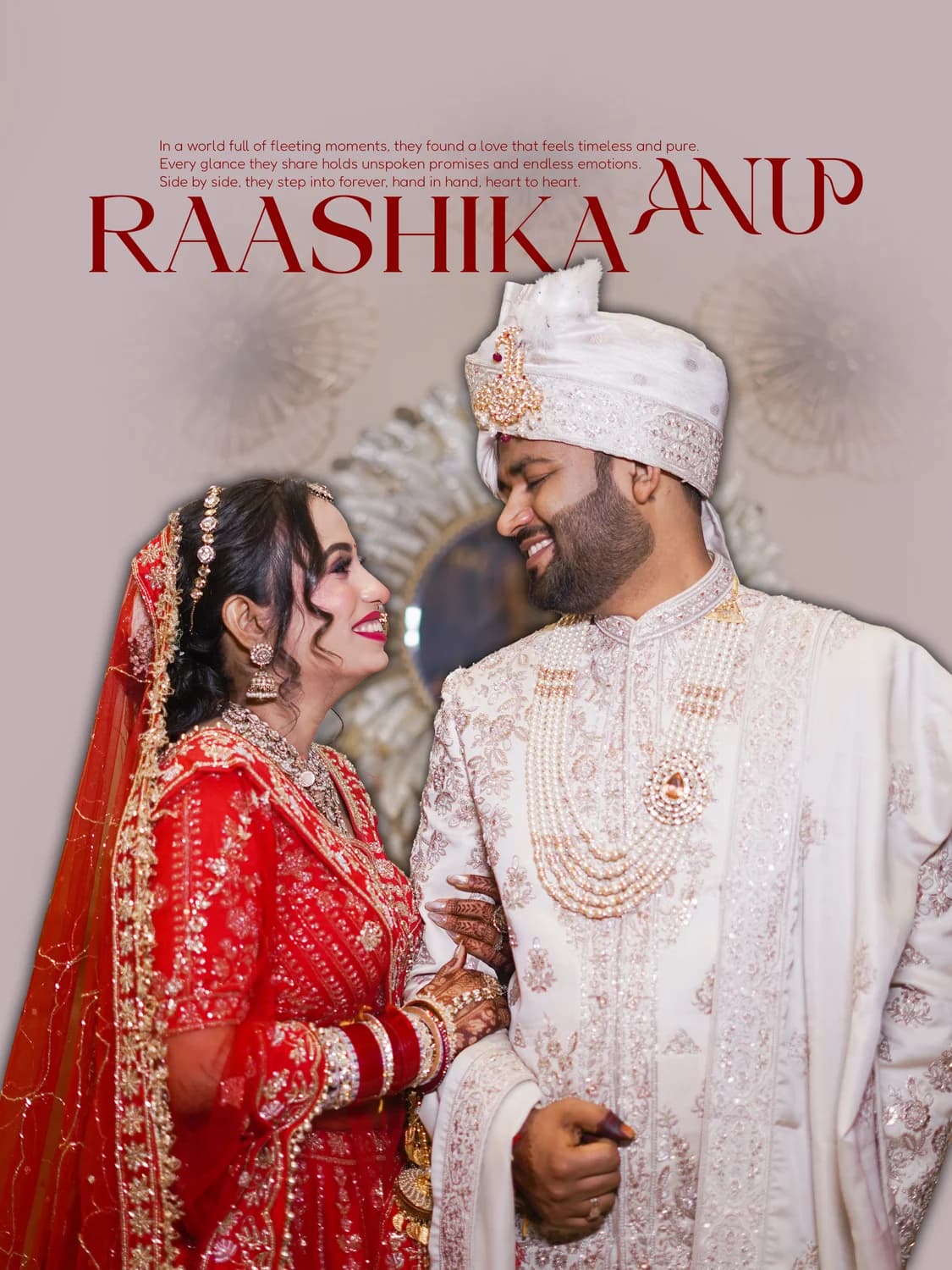
Winter weddings naturally call for warmer colour palettes—burgundy, deep gold, cream, terracotta, and bronze. These tones photograph beautifully in winter light, creating a cohesive visual story that feels seasonally authentic. Brides in warm-toned lehengas or sarees look stunning against winter greenery (which appears deeper and more saturated in low-angle light), and grooms in gold or cream sherwanis photograph with rich, luminous tones. Even neutral colours take on warmth in winter light; a white saree appears creamy rather than stark, and pale golds seem to glow from within.
Winter temperatures in North India (typically 8-18°C, depending on exact dates and location) make outdoor celebrations genuinely comfortable in ways summer events never are. Guests aren't rushing to find shade, the couple doesn't need constant touch-ups for sweat, and extended outdoor ceremony and celebration times become possible. This means you have more time to capture authentic moments without everyone wilting in heat. Mehendi celebrations in garden settings, baarat processions through open routes, and couple shoots in outdoor heritage locations all work beautifully without the complications of extreme weather. Advise clients to choose fabrics and styling that complement winter light rather than fight against it. Matte fabrics photograph better than heavy glitter or mirror-work in golden light, which can create distracting flare. Layered outfits (shawls, dupattas, jackets) work beautifully in winter and add visual interest to photographs.
Planning Logistics: Weather Variability and Contingencies
Whilst winter weather is generally predictable, occasional cold snaps, unexpected rain, or severe fog can impact your shooting plans. Always have a backup indoor location identified with similar lighting conditions. Understand the family's flexibility—some are comfortable adjusting timings if fog is particularly dense in the morning, whilst others prefer to stick to schedule. Have conversations about this before the wedding day, so you're not improvising critical decisions when the couple is dressed and ready to shoot.
Pack layers for yourself; you'll be stationary during ceremonies while guests move around, and early mornings can be genuinely cold. Bring lens cloths to manage moisture from fog or temperature changes that cause condensation. Brief your team on the weather forecast and any contingency plans. Winter weddings in North India are consistently beautiful, but small adaptations in timing or location can transform a good day into an exceptional one.
Capturing the Essence of Winter Celebrations
Winter weddings have their own visual rhythm and atmosphere. The soft light, the comfortable climate, and the season itself create opportunities for a different kind of wedding story than you'd tell in summer. Couples often feel more relaxed, guests are more engaged with the celebration itself rather than seeking relief from heat, and the overall aesthetic leans toward warmth and intimacy rather than spectacle. As a photographer, you can lean into this. Intimate group photographs in golden light, couple portraits that feel tender rather than posed, and candid moments that capture genuine joy without performative energy all become easier in winter.
If you're discussing seasonal options with engaged couples, winter weddings offer unique advantages: exceptional light conditions, comfortable celebration environments, and a naturally warm visual palette. These factors combine to make winter one of the finest seasons for wedding photography in North India. Whether you're photographing in Delhi's heritage venues, Agra's gardens, or smaller intimate locations, winter light transforms the familiar into something luminous and beautiful. We'd love to discuss how winter's unique character could shape your wedding story—reach out to explore timing and venue options that will make the most of the season.